

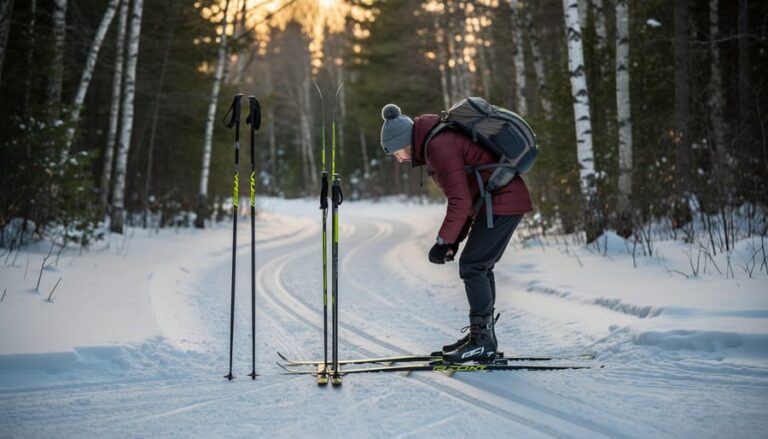
Match your ski length to your planned route by considering both terrain and distance. For groomed trails under 20 kilometers, choose skis at your height plus 5-10 centimeters for stability and glide. When tackling backcountry routes with elevation changes and unbroken snow, opt for skis 10-15 centimeters shorter than standard recommendations—they’ll give you the maneuverability you need when navigating tight forest sections and steep descents.
Test your equipment before committing to a multi-day tour. Rent different lengths at Ontario provincial parks like Algonquin or Gatineau and ski 2-3 hours on varied terrain. Pay attention to how your skis handle in different snow conditions: longer skis float better in powder but demand more energy in tight turns, while shorter skis sacrifice some glide efficiency for responsive handling on technical sections.
Weight distribution matters more than most sizing charts suggest. If you’re carrying a loaded backpack for overnight trips, add 5 centimeters to your ideal ski length to compensate for the extra weight—this prevents your ski tips from diving in soft snow and maintains proper glide mechanics over long distances.
Consider the specific routes you’ll tackle most often. The flat, wide corridors of the Voyageur Trail reward longer skis that maximize speed and efficiency, while the rolling, twisting paths through Kawartha Highlands demand nimble, shorter options. Your ski length isn’t just about your height—it’s about matching your equipment to the adventures you’re actually planning, ensuring every kilometer feels smooth rather than exhausting.
Why Ski Length Matters More on Long Routes
When you’re planning a quick hour-long loop around your local conservation area, ski length might not make or break your day. But venture out on one of Ontario’s spectacular multi-hour tours – say, a four-hour journey through Algonquin’s backcountry or a full-day traverse in the Highlands – and suddenly those few centimeters of ski length become your best friend or your worst enemy.
Here’s what I learned the hard way during a six-hour tour near Bancroft: longer skis distribute your weight more effectively over soft, unpacked snow, which means you’re not constantly post-holing and exhausting yourself within the first hour. When you’re two hours into a remote trail with another three to go, that energy conservation becomes absolutely critical. Shorter skis might feel nimble in the store, but they can sink deeper in variable conditions, turning your peaceful wilderness adventure into an exhausting slog.
The terrain variety on extended routes also demands careful consideration. Ontario’s touring trails rarely stay consistent – you’ll climb steep ridges, glide across frozen lakes, navigate tight forest sections, and descend technical slopes, sometimes all in the same afternoon. Longer skis provide superior stability on those long, fast descents across frozen waterways, while also giving you better glide efficiency on flats where you’ll spend considerable time. That efficiency translates to less fatigue and more enjoyment.
Think about it this way: on a quick loop, you can power through with less-than-ideal equipment. But on those magical all-day adventures where you’re chasing winter sunlight through pine forests and across pristine snow fields, properly sized skis become the difference between arriving back energized and inspired, or limping in ready to quit the sport entirely. Your future self, three hours into an incredible journey, will thank you for choosing wisely.

The Basic Formula (And When It Doesn’t Work)

Classic Ski Sizing for Tours
When you’re planning a tour on beautifully groomed trails at spots like Arrowhead Provincial Park or Algonquin’s parkway corridor, getting your classic ski length right makes all the difference between gliding effortlessly and fighting your equipment.
Here’s a practical approach: stand the skis vertically beside you. For recreational touring, they should reach somewhere between your wrist and the top of your head when your arm is extended straight up. Your weight matters more than height, though. If you’re between 120-140 pounds, look at skis around 190-195cm. For 140-170 pounds, try 195-205cm, and if you’re 170-200 pounds, aim for 200-210cm.
Here’s an insider tip from years of winter adventures: if you’re planning longer tours with a loaded backpack, size up slightly. That extra weight affects the ski’s camber and grip, especially on those gentle uphills around Lake of Two Rivers. Test the “paper test” in-store—when standing on both skis evenly, a piece of paper should slide under the grip zone. When you shift weight to one ski, it should grip the paper firmly.
Remember, classic skis need proper kick wax or grip patterns to work effectively, so factor that into your touring plans when temperatures fluctuate throughout the day.
Skate Ski Sizing for Distance
Skate skiing adds another layer to the sizing puzzle, and here’s where your plans really matter. If you’re racing competitively on groomed tracks at places like Hardwood Hills or Highlands Nordic, you’ll want longer skis—typically 10-15 centimeters over your height. That extra length gives you maximum glide when you’re pushing hard on smooth, predictable surfaces.
For recreational skate skiing and touring, though, I recommend going 5-10 centimeters above your height. This shorter length makes a world of difference when you’re exploring varied terrain or skiing longer distances. Ontario’s skate-groomed trails, like those at Dagmar or Horseshoe Resort, often feature rolling hills and occasional tricky sections where maneuverability beats pure speed.
Here’s an insider tip from many seasons on Ontario trails: if you’re planning multi-hour tours, prioritize comfort and control over racing performance. Slightly shorter skate skis reduce leg fatigue significantly on those beautiful 20-kilometer adventures through Algonquin’s Leaf Lake Trail. Your body will thank you around kilometer fifteen!
Weight still matters—heavier skiers should consider the upper end of these ranges for better stability and glide. And remember, skate skiing demands more energy than classic, so choosing skis that let you maintain good form throughout your entire route makes every kilometer more enjoyable.
Matching Your Skis to Ontario’s Trail Types
Rolling Hills and Elevation Changes
When you’re exploring trails with rolling hills like those at Frontenac Provincial Park, ski length becomes your secret weapon for tackling elevation changes. Shorter skis, typically 10-15cm below your standard length, give you nimble control on steep climbs and tight descents. I learned this the hard way on my first hilly tour when my longer skis felt like awkward planks on every incline.
For moderate terrain along Ontario’s scenic routes, stick with your recommended length—you’ll appreciate the stability on downhills and the glide efficiency between elevation changes. If you’re planning extended tours with significant climbs over 100 meters, consider skis on the shorter end of your range. They’ll feel more responsive when you’re herringboning up steep sections or navigating switchbacks.
Here’s an insider tip: test your chosen length on varied terrain before committing to a full-day adventure. Many Ontario rental shops near provincial parks offer demo programs where you can try different lengths on actual trail conditions. Pay attention to how your skis handle transitions between climbing and descending—that’s where length really matters.
Flat, Fast Trails
When you’re gliding through the groomed pathways at places like Horseshoe Resort or Hardwood Ski and Bike, you’ll want skis that prioritize speed and efficiency over flotation. On these packed, flat trails, shorter skis really shine. I’d recommend staying at the lower end of your size range, typically adding just 5-10 centimeters to your height rather than the full 10-20 centimeters you’d want for backcountry adventures.
Here’s my insider tip: Shorter skis on these southern Ontario trails give you better maneuverability through corners and require less effort to maintain a steady rhythm. I’ve watched countless beginners struggle with overly long skis on the flat loops at places like Albion Hills Conservation Area, where quick turns and energy conservation make all the difference during those longer 15-20 kilometer sessions.
The beauty of flatter terrain is that you won’t sink into deep snow, so you don’t need that extra length for flotation. Think efficient glide, not maximum surface area.
Backcountry and Ungroomed Routes
When you’re venturing into Ontario’s backcountry on ungroomed wilderness routes, your ski selection needs a bit of a rethink. I learned this the hard way during my first trip into Algonquin Park’s interior, struggling with narrow track skis that kept sinking into unpacked powder.
For backcountry touring, consider going shorter and wider than you would for groomed trails. Skis about 5-10 cm shorter than traditional recommendations give you better maneuverability through tight forest sections and when navigating around fallen logs. The real game-changer, though, is width. Look for skis at least 60-68 mm wide underfoot to provide flotation in deep, untracked snow without requiring constant herringbone climbing.
Here’s an insider tip: test your setup with a loaded backpack before committing to a multi-day route. That extra weight changes everything about how your skis perform in variable conditions. The Frontenac Loop and routes through Killarney Provincial Park offer excellent testing grounds with mixed terrain that mimics true wilderness touring.
Remember, backcountry skiing is about sustainable exploration. Choosing equipment that keeps you efficient means less fatigue and a lighter environmental footprint as you glide through Ontario’s pristine winter landscapes.

Planning Your Route Around Your Skis (Or Vice Versa)
Here’s the truth most skiers learn the hard way: your perfect skis can become your worst enemy on the wrong trail. I learned this lesson during a February adventure at Algonquin Park when my speedy 200cm racing skis turned a beautiful backcountry loop into an exhausting ordeal through ungroomed powder.
The key is thinking backwards. Instead of picking a trail and hoping your skis cooperate, consider your equipment first when exploring Ontario destinations. Got longer racing skis? Stick to groomed trails like those at Hardwood Hills or Arrowhead Provincial Park, where maintained tracks let your skis glide efficiently. The 30-kilometer network at Hardwood perfectly showcases what longer skis can do on prepared surfaces.
Shorter, wider skis open different doors entirely. These workhorses thrive on backcountry routes where grooming is minimal or nonexistent. The wilderness trails at Frontenac Provincial Park become accessible playgrounds rather than struggles when you’re riding skis designed for variable conditions. A local guide once told me that 90 percent of frustrated skiers at Frontenac are riding the wrong length for ungroomed terrain.
Here’s an insider approach: check trail reports before committing. Many Ontario parks post grooming schedules online. If your destination hasn’t groomed in days and fresh snow fell, those sleek 195cm classics might sink disappointingly. Save them for post-grooming days and opt for routes with consistent maintenance.
Consider creating a mental map of your favorite destinations matched to your ski quiver. Keep a running list on your phone noting which trails suit which skis. After a season, you’ll have personalized intel worth its weight in wax. This simple habit transforms frustrating outings into consistently enjoyable adventures, letting you maximize every ski day rather than fighting your equipment choice for hours on end.
Real Talk: What Experienced Ontario Skiers Actually Use
I spent a morning chatting with Sarah, a veteran park naturalist at Arrowhead Provincial Park, and she let me in on a little secret: most experienced Ontario skiers actually go shorter than the old-school charts suggest. “We recommend skis about chin to nose height for our groomed trails,” she told me while waxing her own classic skis. “The extra maneuverability makes those long days way more enjoyable.”
Over at a popular rental shop in Huntsville, the owner mentioned that their most-requested setup for day tours combines slightly shorter skis with a bit more sidecut. Weekend warriors tackling places like Algonquin’s Leaf Lake Trail typically rent skis 5-10 cm shorter than competition length, especially if they’re carrying overnight packs. The trade-off in glide speed is minimal, but the control boost on those tricky descents? Game-changing.
Local touring enthusiasts I met at the Horseshoe Valley Nordic Centre swear by their versatile all-terrain setups. One couple who regularly tackles backcountry routes told me they each keep two pairs: shorter, wider skis for fresh powder days and longer, narrower ones for groomed weekend outings. But here’s their best advice for newcomers: don’t buy right away.
This brings up an important eco-friendly point. If you’re only skiing a few times per season, renting makes environmental and financial sense. Rental shops maintain equipment properly, and sharing gear reduces manufacturing demand. Plus, you can experiment with different lengths across various Ontario trails before committing to a purchase. One seasoned skier put it perfectly: “I rented for three winters before I understood what I actually needed versus what the internet told me I needed.”
Red Flags You’ve Got the Wrong Length
You know that feeling when something’s just not right on the trail? Your skis might be sending you signals. I learned this the hard way on the Sleeping Giant trails near Thunder Bay—my borrowed skis were way too long, and I spent more energy wrestling them around corners than actually enjoying the stunning Lake Superior views.
Here’s what to watch for: If you’re exhausted after just a few kilometres when you’re normally good for longer hauls, your skis might be too long. I’ve seen this happen to friends at Arrowhead Provincial Park who insisted on racing-length skis for casual touring. They were wiped out before reaching the beautiful lookout points.
Control issues are another dead giveaway. Are you struggling through tight turns on winding trails? Finding yourself doing awkward hop-turns instead of smooth kick-turns? That’s often a length problem. Conversely, if your ski tips are constantly crossing or you’re feeling unstable at faster speeds on those gorgeous downhill sections, you might have gone too short.
Poor glide is trickier to spot but equally frustrating. If everyone’s sailing past you on flat sections despite similar fitness levels, or you’re working twice as hard to maintain pace on groomed trails at places like Hardwood Hills, length could be the culprit.
The good news? Most Ontario ski shops offer demo days where you can test different lengths before committing. Take advantage of these—your legs will thank you on those long, beautiful touring days ahead.
Where to Test and Rent Before You Buy
Ontario offers several fantastic locations where you can test different ski lengths before committing to a purchase, and trust me, there’s nothing quite like trying skis on real snow to understand what works for your body and skiing style.
Arrowhead Provincial Park near Huntsville runs an excellent demo program from mid-December through February. The staff there are incredibly knowledgeable and will set you up with multiple ski lengths to try on their 32 kilometers of groomed trails. I always recommend visiting on weekday mornings when the trails are quieter, giving you plenty of space to really feel the difference between lengths. They’ve recently partnered with local outfitters who prioritize sustainably-manufactured equipment.
Hardwood Ski and Bike in Oro-Medonte is another gem, offering one of Ontario’s most extensive rental fleets with eco-conscious practices including equipment repair programs that extend gear life. Their staff will often suggest trying shorter skis first thing in the morning on their hilly terrain, then switching to longer pairs after lunch to compare performance. It’s like a personalized ski-length workshop on snow.
For those near Ottawa, Gatineau Park’s rental chalets provide demo opportunities with the bonus of testing skis while planning your route through varied terrain. The P7 and P8 trails offer everything from flat glides to challenging climbs, perfect for understanding how length affects your touring experience.
Insider tip: Many shops offer “demo credit” programs where your rental fee applies toward a purchase within 30 days. Also, early January after the holiday rush typically means better equipment availability and more personalized attention from staff. Don’t hesitate to spend a full day testing, especially if you’re considering skis for multi-day touring adventures.
Here’s the truth about finding your perfect ski length: there’s no single magic number. Your ideal setup depends on your personal style, the terrain you love exploring, and honestly, what feels right under your feet. Maybe those slightly longer skis give you confidence on fast descents through Frontenac’s backcountry, or perhaps shorter, nimbler skis make you smile on twisty forest trails. The beauty is in the experimentation.
Don’t let equipment anxiety keep you indoors this winter. Start with the guidelines we’ve covered, borrow different lengths from friends if you can, and most importantly, get out there and ski. Ontario’s winter trail systems are calling, with groomed tracks through snowy forests, frozen lake crossings, and stunning vistas waiting to take your breath away.
Remember, even Olympic skiers fine-tune their choices based on conditions and courses. Your perfect length might vary by route or even change as your skills develop. Trust your instincts, stay open to adjustments, and embrace the journey. Winter is short and precious in Ontario, so grab those skis and discover what works for you on the trails.



+ There are no comments
Add yours