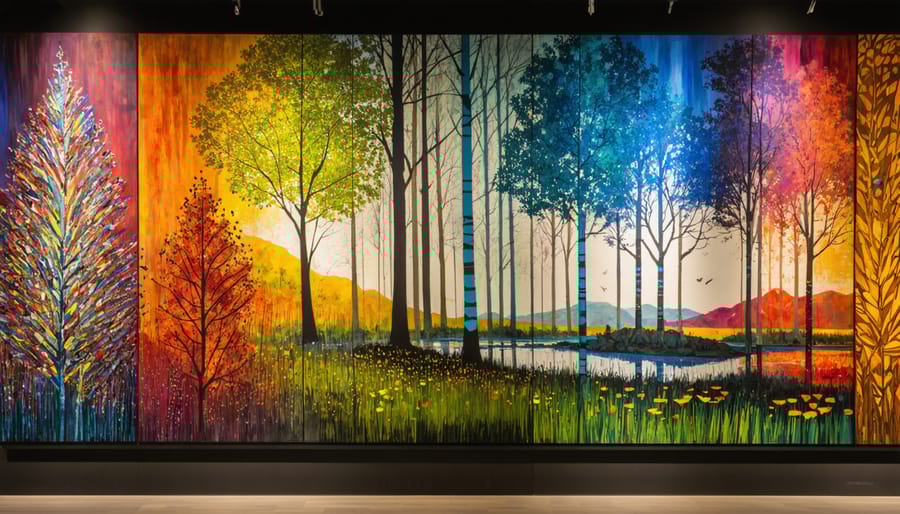
Step into a world where ancient stories come alive through vibrant brushstrokes and masterful sculptures at Ontario’s Indigenous art museums. These sacred spaces showcase how Indigenous wisdom and traditions continue to shape contemporary artistic expression, offering visitors an immersive journey through thousands of years of cultural heritage.
From intricate beadwork that tells tales of generational knowledge to powerful installations addressing modern Indigenous experiences, these museums serve as bridges between past and present. Each carefully curated gallery space honors the diverse artistic practices of First Nations, Inuit, and Métis peoples, while challenging conventional perspectives on Indigenous art.
More than mere exhibition spaces, these museums function as living cultural centers where traditional knowledge keepers share their expertise through workshops, guided tours, and seasonal ceremonies. Here, every artifact and artwork tells a story of resilience, creativity, and the enduring spirit of Indigenous communities across Ontario.
Whether you’re an art enthusiast, cultural explorer, or someone seeking to deepen their understanding of Indigenous perspectives, these museums offer transformative experiences that go beyond ordinary gallery visits. They invite visitors to participate in meaningful cultural exchange while supporting Indigenous artists and their communities.
Major Indigenous Art Museums in Ontario
Woodland Cultural Centre
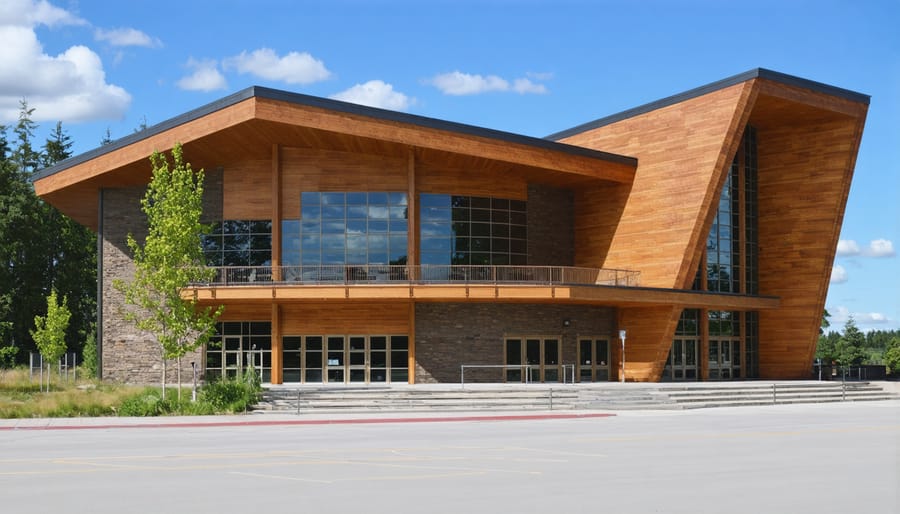
Located in Brantford, Ontario, the Woodland Cultural Centre stands as a testament to the rich heritage of the Six Nations of the Grand River. Housed in a former residential school building, this powerful museum has transformed a place of historical trauma into a center of cultural celebration and education.
The museum’s extensive collection features traditional and contemporary Indigenous art, with a particular focus on pieces from the Woodland style of Indigenous art. Visitors can explore intricate beadwork, pottery, traditional regalia, and striking contemporary paintings that bridge past and present Indigenous experiences.
One of the museum’s most impactful features is the former Mohawk Institute Residential School building itself, which now offers guided tours that help visitors understand this challenging chapter of Canadian history while celebrating Indigenous resilience and cultural revival.
Throughout the year, the centre hosts workshops, cultural events, and art exhibitions that bring Indigenous traditions to life. Don’t miss their annual First Nations Art Exhibition, which showcases emerging and established Indigenous artists from across Ontario and beyond.
Pro tip: Time your visit during one of their traditional storytelling sessions or art demonstrations for an especially enriching experience.
Art Gallery of Ontario’s Indigenous Collection
The Art Gallery of Ontario (AGO) stands as a testament to Canada’s commitment to Indigenous art and culture through its dedicated Indigenous art spaces. The stunning J.S. McLean Centre for Indigenous & Canadian Art features a rotating collection of works by First Nations, Inuit, and Métis artists, thoughtfully displayed alongside non-Indigenous Canadian art to create meaningful dialogue.
Visitors can explore everything from traditional beadwork and carved masks to contemporary installations and digital art. What makes the AGO’s approach unique is how Indigenous voices and perspectives guide the presentation of these works. Each piece includes both English and Indigenous language descriptions, often accompanied by audio recordings of Indigenous elders sharing cultural context.
The gallery regularly hosts special exhibitions celebrating Indigenous artists, with interactive elements that bring the art to life. Don’t miss the free Wednesday evenings – it’s the perfect time to explore the collection at your own pace. Pro tip: Join one of the guided tours focused on Indigenous art to gain deeper insights into the symbolic meanings and cultural significance behind each piece.
The space itself incorporates Indigenous design elements, creating an immersive environment that honors and celebrates Indigenous artistic traditions while showcasing contemporary Indigenous voices.
Royal Ontario Museum’s First Peoples Gallery
The Royal Ontario Museum’s First Peoples Gallery showcases one of Canada’s most extensive collections of Indigenous artifacts and artworks. From intricate beadwork to stunning ceremonial masks, visitors can explore over 1,000 cultural pieces that tell the rich stories of First Nations, Inuit, and Métis peoples. The gallery’s innovative design, created in consultation with Indigenous communities, presents both historical and contemporary works side by side. Don’t miss the spectacular Great Lakes display, featuring traditional birchbark canoes and vibrant wampum belts. Interactive elements throughout the gallery help visitors understand the continuing significance of these cultural treasures, while knowledgeable guides offer fascinating insights into the artwork’s deeper meanings. The gallery’s recent renovation has made it more accessible and engaging than ever, with new multimedia installations that bring ancient stories to life.
Traditional and Contemporary Art Forms
Traditional Crafts and Artifacts
Step into a world where every bead tells a story and each weave carries centuries of tradition. The museum’s traditional crafts collection showcases the incredible artistic legacy of Indigenous peoples across Ontario and beyond. Marvel at intricate beadwork featuring delicate floral patterns and geometric designs, often adorning moccasins, bags, and ceremonial garments. Each piece demonstrates the painstaking precision and profound patience required in this time-honored art form.
The pottery section displays both ancient and contemporary pieces, from practical cooking vessels to ceremonial items. You’ll notice how different nations developed unique clay-working techniques, with some featuring distinctive patterns pressed with cord-wrapped paddles or decorated with complex incised designs.
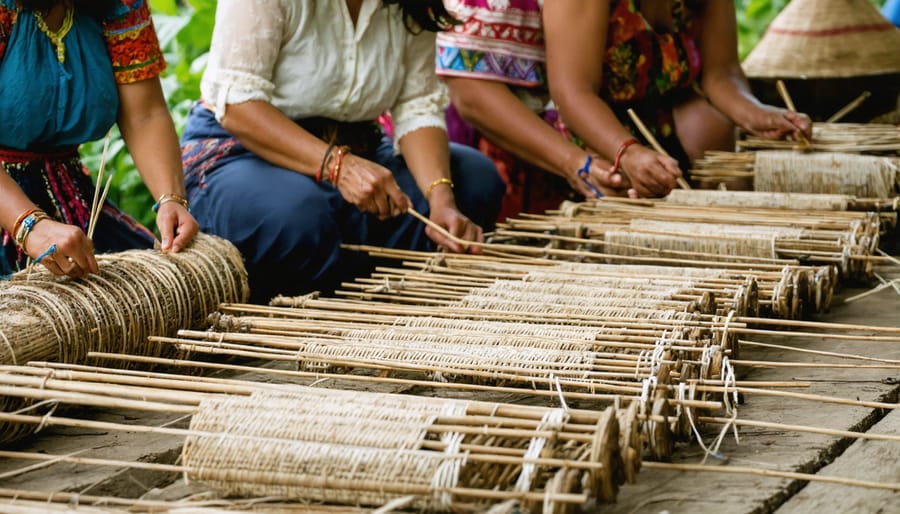
Don’t miss the spectacular basketry display, where master weavers transform black ash, sweetgrass, and birchbark into both functional and decorative pieces. These baskets aren’t just beautiful – they’re engineering marvels that showcase sustainable harvesting practices that have been passed down through generations.
The quillwork exhibition is particularly special, featuring elaborate designs created from porcupine quills dyed with natural pigments. This demanding art form, practiced long before the introduction of glass beads, requires exceptional skill to execute.
Tip: Join one of the daily guided tours to learn fascinating stories behind specific pieces, including how certain designs represent family histories and important cultural teachings. Many artifacts feature labels with QR codes linking to videos of contemporary artists demonstrating traditional techniques, offering a bridge between historical pieces and living traditions.

Modern Indigenous Expressions
Today’s Indigenous artists are boldly reimagining traditional art forms while addressing contemporary issues and Indigenous cultural preservation. In Ontario’s museums, you’ll discover striking multimedia installations that blend ancestral techniques with modern technology, creating powerful statements about identity, environment, and reconciliation.
Keep an eye out for Kent Monkman’s thought-provoking paintings that challenge historical narratives, or Christi Belcourt’s intricate beadwork-inspired canvases celebrating the natural world. These pieces often incorporate traditional motifs while tackling pressing social issues, making them particularly meaningful for today’s audiences.
Digital art has become an exciting new medium for Indigenous expression. Many museums now feature interactive installations where visitors can engage with storytelling through virtual reality experiences or digital projections. These innovative approaches make traditional stories accessible to younger generations while preserving ancient wisdom.
Contemporary Indigenous artists are also making waves in sculpture and installation art. Using materials ranging from recycled metals to sustainable woods, they create pieces that speak to environmental stewardship and connection to the land. Look for outdoor installations that change with the seasons, reflecting traditional teachings about our relationship with nature.
Photography and film have emerged as powerful tools for Indigenous artists to document their communities and share their perspectives. Many museums now dedicate space to rotating exhibitions of Indigenous photographers and filmmakers, offering intimate glimpses into modern Indigenous life and culture.
Pro tip: Check museum schedules for artist talks and workshops – these events offer fantastic opportunities to meet artists and learn about their creative processes firsthand.
Planning Your Visit
Best Times to Visit
Every season brings a unique perspective to Indigenous art, but fall and spring offer particularly memorable experiences. From September to November, the vibrant autumn colors create a stunning backdrop for outdoor installations, while the comfortable temperatures make it ideal for exploring both indoor galleries and outdoor sculpture gardens.
Summer months (June to August) feature special programming celebrating National Indigenous Peoples Day on June 21, with many museums hosting powwows, traditional dance performances, and hands-on workshops. These events provide extraordinary opportunities to engage with Indigenous artists and learn about their creative processes.
For a more intimate experience, consider visiting during winter (December to February) when museums are less crowded. Many institutions offer special holiday programming that showcases seasonal Indigenous traditions and storytelling.
Pro tip: Plan your visit around monthly Full Moon ceremonies or seasonal festivals. Most museums host special exhibitions during March (maple syrup season) and October (harvest celebrations), offering unique insights into Indigenous cultural practices and their connection to natural cycles.
Before visiting, check the museum’s event calendar, as many offer extended hours during cultural celebrations and often feature special guided tours with Indigenous knowledge keepers.
Cultural Etiquette and Guidelines
When visiting Indigenous art museums, it’s essential to approach the experience with respect and cultural sensitivity. Photography policies vary by institution and exhibit – always check with staff before taking pictures, as some pieces may have spiritual significance that prohibits photography. Speaking in hushed tones and maintaining appropriate distance from artwork shows respect for both the art and other visitors.
Many Indigenous artworks tell sacred stories or represent spiritual beliefs. Take time to read the accompanying descriptions and context provided. If guided tours are available, they’re highly recommended for deeper understanding of the pieces’ cultural significance.
Please refrain from touching any artifacts or artwork, even if they’re not in display cases. Some items may be hundreds of years old and require specific preservation conditions. When viewing ceremonial objects or pieces with spiritual significance, follow any specific viewing instructions provided by the museum.
If you’re visiting with children, help them understand the importance of respectful behavior and use the experience as a teaching moment about Indigenous cultures and traditions. Many museums offer specialized family programs that make learning engaging and age-appropriate.
Finally, support Indigenous artists by visiting museum gift shops, where you can purchase authentic Indigenous art and crafts, ensuring artists receive fair compensation for their work.
Nearby Natural Attractions
The museum’s location offers easy access to several stunning natural spaces where visitors can experience the landscapes that have inspired Indigenous art for generations. Just a short walk away, you’ll find the serene Riverside Trail, where interpretive signs highlight traditional ecological knowledge and its role in preserving local ecosystems. The nearby Cedar Grove Conservation Area features ancient white cedars and peaceful walking paths, perfect for reflection after your museum visit. Don’t miss the Medicine Garden, a small but significant outdoor space showcasing native plants traditionally used by Indigenous peoples for healing and ceremony. For those seeking a longer nature experience, the Bruce Trail access point is just ten minutes away by car, offering spectacular views of the Niagara Escarpment and opportunities to spot local wildlife.
Educational Programs and Workshops
Guided Tours and Programs
Immerse yourself in the rich tapestry of Indigenous art through our expertly guided tours and engaging Indigenous cultural programs. Our knowledgeable Indigenous guides lead daily tours at 10:30 AM and 2:00 PM, sharing personal stories and deep cultural insights that bring each artwork to life. For families with children, our weekend “Little Artists” workshops offer hands-on experiences creating traditional crafts while learning about their significance.
Don’t miss our popular “Artist in Residence” sessions, where you can watch Indigenous artists at work and even participate in demonstrations of beadwork, birchbark crafting, or painting techniques. For a more intimate experience, book our small-group cultural interpretation tours, limited to just eight participants.
School groups can benefit from our curriculum-aligned educational programs, while our evening storytelling sessions around the sacred fire pit (weather permitting) offer a magical way to connect with Indigenous oral traditions. Remember to book these popular programs in advance, especially during peak summer months!
Interactive Workshops
Get hands-on with Indigenous art and culture through our engaging workshop series! Learn traditional beadwork techniques from skilled Indigenous artisans, try your hand at basket weaving using natural materials, or discover the ancient art of pottery making. These intimate sessions typically accommodate 8-12 participants, ensuring personal attention and meaningful cultural exchange.
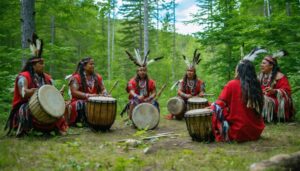
Popular workshops include drum-making, where you’ll learn about the spiritual significance of the drum while crafting your own, and painting workshops that explore traditional symbolism and storytelling through art. Children’s programs are available during school breaks, featuring age-appropriate activities like dream catcher making and simple leather crafting.
Each workshop begins with a traditional welcome and sharing circle, creating a respectful space for learning and cultural understanding. Our experienced Indigenous instructors share not just techniques, but also the stories and traditions behind each art form.
Advance booking is recommended as workshops fill up quickly, especially during peak summer months. All materials are provided, and participants take home their completed artwork along with a deeper appreciation for Indigenous artistic traditions.
Supporting Indigenous art museums isn’t just about preserving beautiful artwork – it’s about protecting living cultural traditions that have shaped our province for thousands of years. These museums serve as bridges between the past and present, offering visitors like you and me a chance to better understand and appreciate the rich artistic heritage of First Nations, Inuit, and Métis peoples.
When you visit these cultural spaces, you’re not only witnessing stunning artistic expressions but also contributing to the vital work of cultural preservation. Your admission fees, gift shop purchases, and participation in workshops directly support Indigenous artists and help ensure their traditions continue to thrive for future generations.
These museums also play a crucial role in education and reconciliation. They provide safe spaces for Indigenous voices to be heard and stories to be shared, helping us all develop a deeper appreciation for Indigenous perspectives and experiences. Through art, we can better understand the challenges faced by Indigenous communities and their incredible resilience.
I encourage you to make Indigenous art museums a regular part of your cultural experiences. Bring your family, invite your friends, and spread the word about these incredible institutions. By supporting Indigenous art museums, you’re helping to preserve irreplaceable cultural heritage while participating in a meaningful dialogue that enriches our entire community.
Remember, every visit matters. You’re not just a spectator – you’re part of a larger movement to celebrate and protect Indigenous artistic traditions for generations to come.






+ There are no comments
Add yours