

Picture yourself plucking wild leeks from a sun-dappled forest floor, casting a line into crystalline waters for your evening meal, or roasting foraged mushrooms over an open campfire. Ontario’s provincial parks offer far more than scenic vistas—they’re living pantries where adventurous eaters can harvest, catch, and cook their own wilderness feasts while creating immersive nature experiences that engage all your senses.
Culinary trails in Ontario Parks transform ordinary camping trips into extraordinary gastronomic adventures. These aren’t your typical hiking paths marked by blazes on trees. Instead, they’re edible journeys through ecosystems where you become both explorer and chef, learning to identify wild edibles, understand sustainable harvesting practices, and prepare meals that connect you directly to the land.
Whether you’re an experienced forager or someone who’s never caught their own dinner, these food-focused outdoor experiences offer something magical: the chance to slow down, pay attention to your surroundings in new ways, and taste flavors you simply can’t find in any restaurant. From fishing derbies to berry-picking expeditions, from Indigenous food teachings to mushroom identification workshops, Ontario’s parks serve up unforgettable culinary adventures that satisfy your appetite for both good food and authentic wilderness connection.
Ready to trade your grocery list for a fishing rod and field guide?
What Makes a Culinary Trail in Ontario’s Parks?
Forget everything you know about urban food tours with their bustling restaurant crawls and craft brewery hopping. Culinary trails in Ontario’s provincial parks offer something entirely different—a raw, authentic connection between wilderness and plate that you simply can’t experience anywhere else.
Here’s what makes these trails special: they’re about getting your hands dirty. Picture yourself kneeling beside a stream in Algonquin, carefully identifying wild leeks pushing through spring soil, or standing knee-deep in a northern lake, fishing rod in hand, anticipating tonight’s shore lunch. This isn’t about reservations and wine pairings—it’s about fire-cooked meals, foraging baskets, and the satisfaction of preparing food in the very landscape that produced it.
What sets provincial park culinary experiences apart is their deep connection to place and tradition. Many parks now offer programs that teach Indigenous food knowledge—how First Nations peoples have sustainably harvested from these lands for thousands of years. You might learn to identify cattail roots, prepare three sisters stew over an open flame, or understand the seasonal rhythms that guided traditional diets.
The seasonal aspect is crucial too. Spring brings fiddleheads and ramps. Summer offers wild berries and lake fish at their finest. Fall rewards foragers with mushrooms and nuts, while winter ice fishing provides its own unique culinary adventure. Each season writes a different menu.
Insider tip: Many parks run guided foraging walks and outdoor cooking workshops during peak seasons—these fill up fast, so book ahead. And here’s the eco-friendly angle: you’re learning sustainable harvesting practices that actually benefit park ecosystems when done correctly. You’re not just eating; you’re becoming a temporary steward of the land.

Foraging Adventures: From Forest Floor to Dinner Plate
Spring Treasures: Ramps, Fiddleheads, and More
Ontario’s spring woods burst with edible treasures during those magical seasonal transitions from April through early June. Wild ramps, with their garlicky punch, carpet forest floors in many provincial parks. Look for their broad, smooth leaves in moist, shaded areas near hardwood trees. A local forager once told me the trick: take only one leaf per plant to ensure they return next year.
Fiddleheads unfurl along stream banks and wetland edges, their tightly coiled fronds unmistakable. Harvest them when they’re still tightly wound and about two inches tall. Always gather from large clusters, taking just a few from each plant. Rinse thoroughly and boil for ten minutes before sautéing with butter and lemon.
Don’t overlook wild leeks, spring beauty tubers, and watercress in cool streams. Before heading out, download identification apps and join a guided foraging walk if you’re new to this. Parks staff can point you toward abundant areas while sharing crucial identification tips. Remember: when in doubt, leave it out. Your culinary adventure should always prioritize safety and sustainability.
Summer and Fall Bounty
As summer transitions to autumn, Ontario’s parks transform into a treasure trove of wild edibles. I’ll never forget my first successful chanterelle hunt at Algonquin Park—after two hours of searching, I finally spotted those golden, trumpet-shaped beauties hiding beneath a canopy of pines. The earthy aroma and delicate flavor made that evening’s campfire meal unforgettable.
Wild blueberries and blackberries ripen throughout July and August, painting trails with bursts of purple and black. Look for them along sunny forest edges and recently cleared areas. I always bring extra containers because it’s impossible to resist eating handfuls on the spot. Here’s an insider tip: berries are most abundant two to three years after a controlled burn.
Fall brings a different kind of excitement with hazelnuts, hickory nuts, and black walnuts carpeting the forest floor. September mushroom foraging requires more expertise, but joining a guided walk helps you identify safe varieties. Remember to harvest sustainably—take only what you’ll use and leave plenty for wildlife and regeneration. Many parks offer seasonal foraging workshops where experienced naturalists share their knowledge and favorite spots. These experiences connect you to the land in ways that grocery shopping simply cannot replicate.
Foraging Rules and Respectful Harvesting
Before you head out with your basket, remember that Ontario Parks has clear guidelines to protect these precious ecosystems for everyone. Always check specific park regulations before foraging, as rules vary by location. Most parks allow personal-use foraging of berries, mushrooms, and certain plants, but commercial harvesting is prohibited.
Here’s my golden rule: take only what you’ll use, and never harvest more than 10% from any area. This ensures plants can regenerate and wildlife have their share too. When picking berries, leave some on every bush. For mushrooms, cut at the base rather than pulling from the ground to protect the underground network. Avoid rare or endangered species entirely, even if they’re edible.
Stick to established trails to prevent erosion and habitat damage. I always carry a field guide and photograph unknown plants rather than picking them. When in doubt, leave it out! Many parks offer guided foraging walks with naturalists who share insider knowledge about sustainable harvesting and proper identification. These programs are fantastic for beginners and help you build confidence while respecting the land. Remember, we’re guests in these wild spaces, and responsible foraging ensures future generations can enjoy the same abundance.
Catch and Cook: Fishing Experiences in Ontario Parks
Top Parks for Fresh Fish Dinners
Picture yourself casting a line into pristine waters at dawn, then grilling your catch lakeside as the sun sets—that’s the magic waiting at Ontario’s best fishing parks. Algonquin Provincial Park tops the list with over 2,400 lakes teeming with lake trout, smallmouth bass, and walleye. The park’s backcountry campsites feature fire pits perfectly positioned near shorelines, making the paddle-to-plate experience seamless.
For walleye enthusiasts, Lake of the Woods Provincial Park offers exceptional fishing alongside well-maintained campfire cooking areas with adjustable grills. Here’s an insider tip: bring cast iron cookware and fresh lemon—it transforms even the simplest fish into something restaurant-worthy.
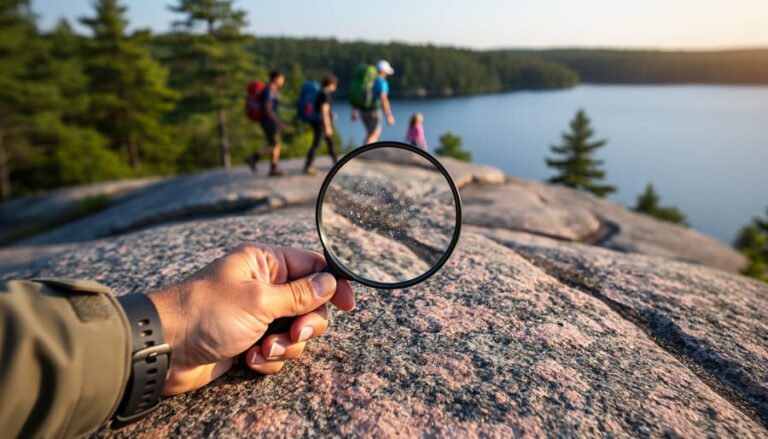
Killarney Provincial Park delivers a stunning backdrop of pink granite and pine trees, where you can hook northern pike and whitefish. The park’s designated fish cleaning stations make prep work easier while keeping your campsite clean and wildlife-safe.
Remember to purchase your Ontario fishing license online before arriving, and practice catch-and-release for species you won’t eat. Always check park-specific regulations, as some lakes have protected zones. Bring eco-friendly soap for cleanup, and compost fish scraps properly to minimize your environmental footprint while maximizing your fresh-caught feast.
Campfire Cooking Tips for Your Catch
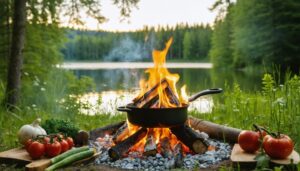
There’s nothing quite like the satisfaction of grilling your fresh catch over glowing coals as the sun sets behind the pines. The key to perfect campfire fish? Keep it simple and let the natural flavors shine through.
Start by preparing your fire properly—let it burn down until you have a bed of hot coals rather than flames. This provides even, consistent heat that won’t char your fish. While you’re waiting, clean your catch thoroughly and pat it dry. A whole fish cooks beautifully wrapped in aluminum foil with just butter, lemon slices, and fresh herbs like dill or parsley tucked inside the cavity.
For fillets, try the plank method if you’re near cedar or maple trees. Soak a clean wooden plank in lake water for 30 minutes, place your seasoned fillet on top, and prop it near the fire. The wood imparts subtle smokiness while keeping the fish moist. Master these campfire cooking techniques and you’ll elevate every shore lunch.
Pro tip: bring a small cast-iron skillet for pan-frying smaller fish like perch or sunfish. A little oil, salt, and pepper is all you need. The crispy skin and tender meat taste even better when you’re sitting on a rocky outcrop watching the stars emerge.
Remember to pack out all foil and clean your cooking area thoroughly, leaving no trace for the next adventurer.

Indigenous Food Traditions: Learning from the Land
Long before European settlers arrived, Indigenous peoples cultivated deep relationships with the land, developing sophisticated food systems that honored both sustenance and sustainability. Today, several Ontario Parks invite visitors to learn from these time-tested traditions through Indigenous cultural experiences that connect us to ancestral knowledge.
The Three Sisters garden is perhaps one of the most beautiful examples of Indigenous agricultural wisdom. Corn, beans, and squash grow together in perfect harmony—the corn provides a natural trellis for beans, while squash leaves shade the soil and deter pests. Some parks now cultivate these gardens as living classrooms, where you can witness this ingenious companion planting system and understand how Indigenous communities fed entire nations sustainably.
Bannock making workshops offer hands-on opportunities to create this beloved bread that has nourished Indigenous communities for generations. There’s something magical about mixing simple ingredients over an open fire, watching dough transform into golden, slightly crispy rounds. Park interpreters often share stories passed down through generations while teaching traditional cooking methods, creating connections between past and present.
Maple syrup traditions hold special significance in Indigenous culture, where sugar maples are considered gift-givers. Spring programs at select parks demonstrate traditional tapping methods and the labour-intensive process of boiling sap. You’ll gain tremendous appreciation for each precious drop when you understand that it takes roughly 40 litres of sap to produce just one litre of syrup.
Insider tip: These programs often run during specific seasons—Three Sisters gardens flourish in summer, while maple syrup activities peak in March and April. Book early, as spots fill quickly. Remember that participating in these experiences is about respectful learning. Listen with an open heart, ask thoughtful questions, and honor the knowledge being shared. These aren’t just cooking demonstrations; they’re invitations to understand a profound relationship with the land that continues to teach us sustainable living today.

Park-Specific Culinary Experiences You Can’t Miss
Ready to transform your park visit into an unforgettable culinary adventure? Several Ontario Parks have developed exceptional food-focused programs that’ll have you seeing the forest through fresh eyes—and tasting it too!
Algonquin Provincial Park leads the pack with its renowned Wild Edibles Program, running from late May through September. Join a naturalist guide for a two-hour foraging walk where you’ll learn to identify wild leeks, fiddleheads, and woodland mushrooms. The best part? These tours conclude with a tasting session featuring foraged ingredients prepared by visiting chefs. Last summer, I joined a mid-June tour and couldn’t believe how many edible plants were literally growing beside the trail I’d hiked countless times before. Booking opens in early March through the park’s reservation system, and spots fill quickly—set a calendar reminder!
Presqu’ile Provincial Park offers something special each fall with their Harvest Moon Festival in late September. This weekend celebration partners with nearby Prince Edward County wineries and farms to create an outdoor feast featuring local wines, artisan cheeses, and seasonal produce. Think campfire-cooked butternut squash soup paired with freshly pressed apple cider. The festival includes cooking demonstrations where you can watch chefs work magic over open flames, plus workshops on preserving your own foraged finds. Weekend passes typically go on sale in July.
For hands-on learning, Killarney Provincial Park’s Summer Kitchen Series runs July through August. These half-day workshops teach traditional outdoor cooking techniques—from plank salmon roasted over cedar to Dutch oven bannock. Local Indigenous guides share traditional food preparation methods passed down through generations, offering insights you simply won’t find anywhere else. Each session accommodates just twelve participants, creating an intimate learning environment. Pro tip: bring a notebook because you’ll want to recreate these recipes at home!
Charleston Lake Provincial Park has partnered with nearby Forfar Cheese Company to offer monthly “Cheese and Trails” experiences. Paddle or hike to designated spots where cheese tastings await, paired with local preserves and crusty bread from artisan bakeries. These self-guided adventures run May through October, with picnic kits available for pre-order when you book your park pass.
Remember to check each park’s website for current seasonal offerings and booking windows, as programs often expand based on demand and weather conditions.
Planning Your Culinary Trail Adventure
Success on your culinary trail adventure starts with smart preparation. Whether you’re planning solo park adventures or bringing the whole family, a little planning goes a long way toward creating memorable outdoor food experiences.
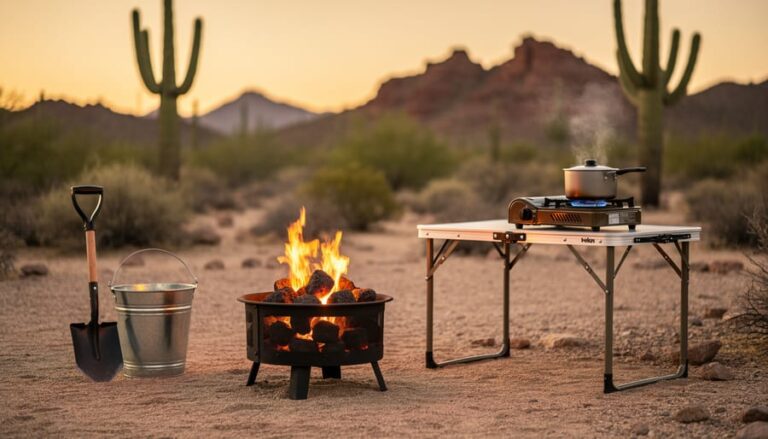
Spring and early summer offer incredible foraging opportunities when wild ramps, fiddleheads, and morels emerge. Fall brings mushroom season and spectacular foliage as a backdrop for campfire cooking. Pack a lightweight cast-iron pan, biodegradable soap, and compact cooking utensils that won’t weigh down your backpack. A good field guide specific to Ontario’s edible plants is essential, and don’t forget mesh bags for foraging that let spores disperse as you walk.
Here’s an insider tip: combine your culinary activities with morning fishing or afternoon hiking to make the most of your park visit. Many families find that involving kids in gathering ingredients transforms picky eaters into adventurous foodies. Let children help identify berries or collect firewood, turning meal prep into an engaging nature lesson.
Minimize your environmental impact by bringing reusable containers and cloth napkins instead of disposable items. Pack out everything you pack in, including organic waste that might attract wildlife. Choose natural dish soaps that won’t harm water sources, and always wash dishes at least 60 meters from lakes and streams.
Storage is crucial for multi-day trips. Invest in bear-proof containers for food storage and keep a clean campsite. Meal planning helps reduce waste too. Pre-measure dried goods into reusable silicone bags and prep vegetables at home to minimize packaging in the backcountry.
Remember to check park-specific regulations before your visit, as foraging and fishing rules vary. Some parks require permits for certain activities, and protected species lists differ by region. Download park maps ahead of time since cell service can be spotty, and always inform someone of your itinerary before heading out.

There’s something magical that happens when you slow down long enough to truly taste a place. When you bite into a sun-warmed berry you’ve just picked, or savor fish you caught yourself beside a crackling campfire, you’re not just eating – you’re creating memories woven into the landscape itself. These moments become the stories you’ll tell for years to come.
Culinary trails in Ontario Parks aren’t about rushing from one food stop to another. They’re invitations to notice the small wonders: the way wild leeks carpet the forest floor in spring, how mushrooms emerge after rain, or the patience required to catch your dinner. Food becomes the bridge connecting you more deeply to the natural world around you.
The beauty is that anyone can start their culinary trail adventure, whether you’re a seasoned forager or someone who’s never cast a fishing line. Begin with a guided program to build your confidence, or simply pack ingredients for an elevated campfire meal. Bring your curiosity, leave your rush behind.
Ontario’s provincial parks are waiting with their seasonal bounty and endless possibilities. Each park offers something unique – different ecosystems, different flavors, different stories to discover. Your first adventure might be a simple mushroom identification walk, or perhaps learning to cook bannock over an open flame.
So what are you waiting for? Choose a park, pick a season, and start planning your culinary trail experience. Your table in nature is set, and trust us – the views are unbeatable.


+ There are no comments
Add yours