

Expose yourself to bright natural light within 30 minutes of waking up by stepping outside for at least 15 minutes, which signals your brain to stop producing melatonin and kickstart your internal clock. Redditors consistently report this as the single most effective reset strategy, and neuroscience backs it up: your suprachiasmatic nucleus needs that morning light intensity to recalibrate.
Stop all screen time two hours before your target bedtime and dim your indoor lights to mimic sunset conditions. Community threads reveal this creates dramatic improvements within three to five days, especially when combined with keeping your bedroom temperature between 15-19°C.
Commit to the same wake time seven days a week, even on weekends, regardless of when you fall asleep. This advice dominates successful Reddit reset stories because it forces your body into a predictable pattern faster than any supplement or sleep hack.
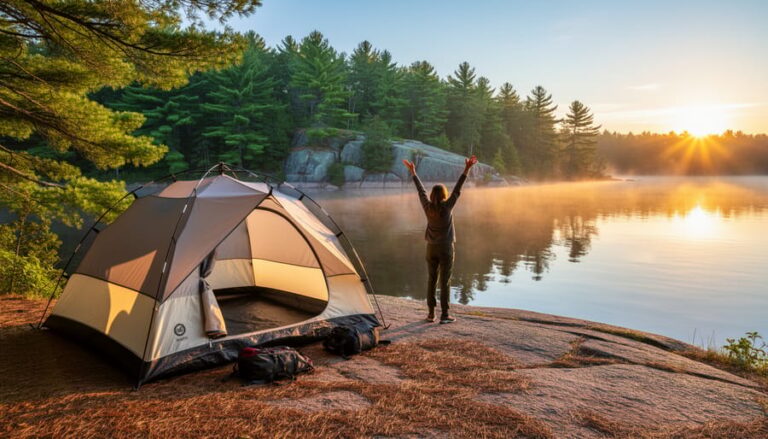
Consider a camping trip to completely reboot your system. Multiple studies show that just 48 hours of natural light exposure outdoors can shift your circadian rhythm by up to two hours. Redditors who’ve tried weekend camping getaways report falling asleep naturally at sunset and waking refreshed at sunrise, often maintaining improved sleep patterns for weeks afterward. Ontario’s provincial parks offer the perfect dark-sky environments for this reset, with minimal artificial light pollution and abundant opportunities to reconnect with natural day-night cycles that your ancestors evolved to follow.
Why Your Internal Clock is Broken (And Why Reddit Won’t Stop Talking About It)
If you’ve spent any time scrolling through Reddit’s sleep-related communities lately, you’ve probably noticed a pattern. Thousands of people are confessing the same frustrating story: lying awake at 3 AM, dragging themselves through foggy mornings, and feeling perpetually jet-lagged despite never leaving their time zone. The comment sections read like a collective cry for help, with users sharing their desperate attempts at fixing sleep schedules that seem hopelessly scrambled.
Here’s the thing: your internal clock isn’t just a little off—it’s genuinely broken. And you’re definitely not alone in this struggle.
Our bodies evolved over millions of years to respond to natural light cycles. When the sun rose, we woke up. When darkness fell, we prepared for sleep. Simple, right? But then we invented artificial lighting, and everything changed. Now we’re bathing ourselves in blue light from screens until midnight, working under fluorescent office lights that confuse our brains about what time it actually is, and wondering why we can’t fall asleep when we finally crawl into bed.
Reddit communities like r/sleep and r/insomnia are flooded with people trying everything—blackout curtains, melatonin supplements, expensive sleep trackers—yet still struggling. The problem runs deeper than a few tweaks to your bedtime routine. Your circadian rhythm, that 24-hour internal clock controlled by light exposure, has essentially forgotten its job.
The pandemic made things even worse. Without commutes or structured office days, many people found themselves living in a perpetual twilight zone of irregular sleep times and constant screen exposure. Now everyone’s searching for natural sleep solutions that actually reset the system, not just mask the symptoms. The good news? There’s a surprisingly straightforward fix that doesn’t involve expensive gadgets or complicated protocols.
The Science Behind Nature-Based Circadian Resets
Your body has an internal clock called the circadian rhythm, and here’s the cool part: it’s hardwired to respond to natural light. Think of it as ancient programming that hasn’t gotten the memo about smartphones and Netflix binges.
When sunlight hits your eyes in the morning, it triggers your brain to suppress melatonin (the sleepy hormone) and boost cortisol (the wake-up hormone). As darkness falls, this process reverses. Simple, right? Except our modern indoor lives throw this whole system off track. We’re bathed in artificial light when we should be winding down, and we often miss that crucial morning sunlight altogether.
This is where camping becomes your secret weapon for a circadian reset. When you spend time outdoors, especially overnight, you’re basically giving your body a crash course in how sleep is supposed to work. Research from the University of Colorado Boulder found that just one weekend of camping can shift your internal clock earlier by nearly two hours. Imagine fixing weeks of sleep problems in a single trip to Algonquin or Killarney.
The magic happens through a few key factors. First, you’re exposed to natural light that’s about four times brighter than typical indoor lighting, even on cloudy days. Second, you’re experiencing true darkness at night, free from street lights and screen glow. Third, you’re naturally active during daylight hours, which reinforces the signal to your body about when to be alert.
Here’s my insider tip: aim for at least two nights camping if you can swing it. One night starts the reset, but two nights really locks it in, giving your body time to fully recalibrate.
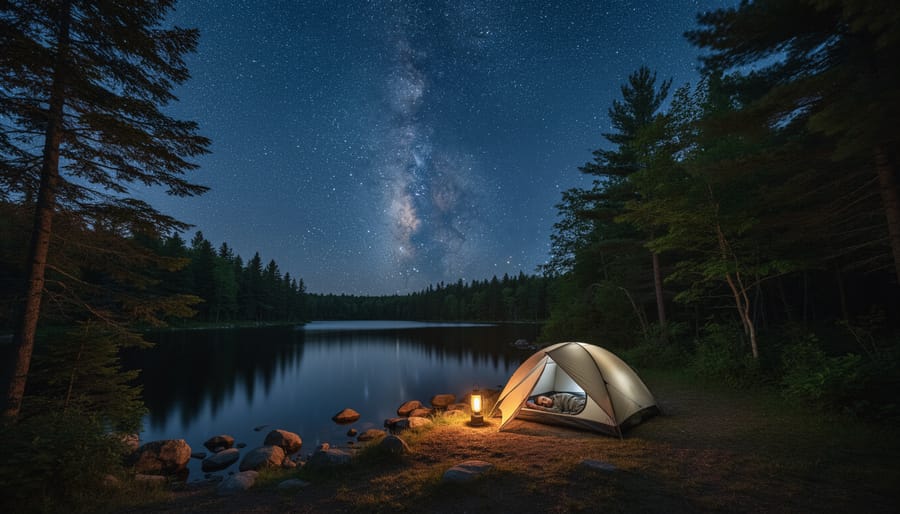
What Makes Ontario Parks Perfect for Sleep Retreats
Frontenac Provincial Park: Your Dark Sky Sanctuary
Tucked between Kingston and Ottawa, Frontenac Provincial Park offers something increasingly rare: genuine darkness. This 5,355-hectare backcountry park features no drive-in camping, which means no car headlights, no RV generators, and minimal light pollution. The park’s remote location and surrounding Frontenac Arch Biosphere create conditions perfect for resetting your sleep cycle naturally.
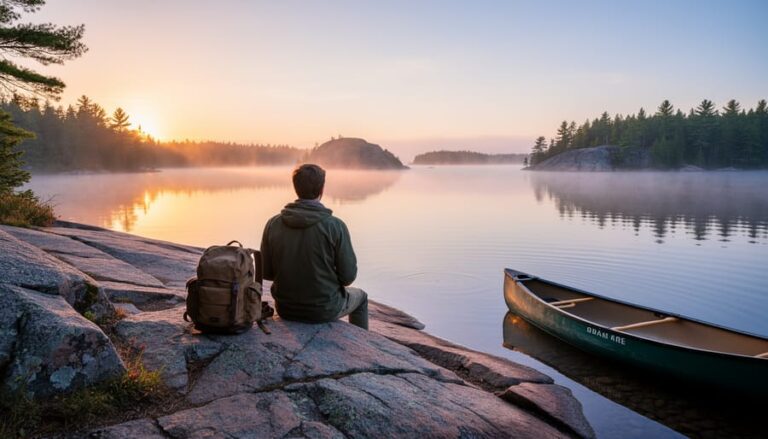
The backcountry experience here is ideal for circadian rhythm restoration. You’ll canoe or hike to your campsite, immediately disconnecting from artificial stimuli. The physical activity during the day naturally primes your body for better sleep, while the complete absence of screens and electric lighting allows your melatonin production to sync with sunset.
Here’s an insider tip: book the campsites on Big Salmon Lake or Slide Lake for maximum darkness and minimal noise. These sites sit furthest from the park’s edges, shielding you from any distant town glow. Spring and fall visits offer bonus benefits: fewer bugs, cooler sleeping temperatures, and earlier sunsets that encourage natural bedtimes.
Pack a red-light headlamp instead of bright white lights to preserve your night vision and melatonin production during evening hours. Bring a hammock for afternoon reading under the canopy, embracing the slow pace that helps your body recalibrate.
Most Reddit users report noticeable sleep improvements after just two nights of backcountry camping here. The combination of physical exertion, natural light exposure, and zero artificial stimulation creates the perfect reset environment your circadian rhythm desperately needs.
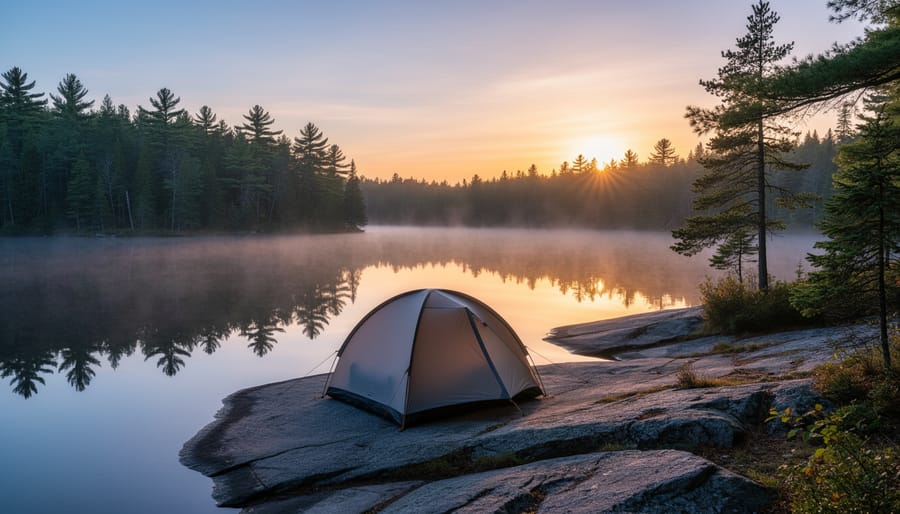
Other Top Ontario Parks for Sleep Retreats
While Bruce Peninsula offers incredible circadian reset opportunities, Ontario’s park system has several other gems worth exploring for your sleep retreat adventure.
Algonquin Provincial Park remains the province’s crown jewel for wilderness immersion. With over 7,600 square kilometers of mixed forests and 2,400 lakes, you’ll find darkness that rivals any location in southern Ontario. The park’s interior campsites, accessible only by canoe, place you hours away from the nearest road. I’ve watched friends who typically scroll Reddit until 2 AM fall asleep by 9 PM after a day of paddling here. The physical exertion combined with zero light pollution creates the perfect storm for circadian reset. Insider tip: book a site on Burnt Island Lake in September for minimal crowds and stunning fall colors.
Killarney Provincial Park delivers that dramatic landscape Reddit users rave about in nature photography threads. The white quartzite ridges of the La Cloche Mountains reflect moonlight beautifully, creating natural nighttime wonder without artificial illumination. The challenging hiking here ensures you’re genuinely tired by sunset. The park’s backcountry sites along Georgian Bay offer both solitude and the rhythmic sound of waves, which many sleep science enthusiasts consider nature’s white noise machine.
Bon Echo Provincial Park brings something unique to the table: towering 100-meter cliffs that create early sunsets and dramatic dawn light. The Mazinaw Rock indigenous pictographs remind you of humanity’s long connection to natural sleep cycles. The park’s location in the Canadian Shield means exceptionally dark skies. Plus, the lake-access campsites let you wake up and immediately jump into cold water, another circadian-boosting trick frequently mentioned in biohacking communities.
Your Three-Night Circadian Reset Plan
Before You Go: Prep That Sets You Up for Success
Before heading out for your camping-based natural body reset, a little prep goes a long way. Book your campsite at least two weeks ahead, especially for popular parks like Algonquin or Killarney during summer months. Ontario Parks’ reservation system opens up five months in advance, so mark your calendar.
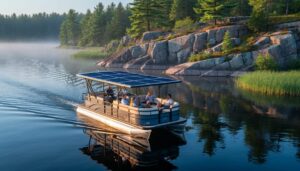
Gear-wise, think eco-friendly. Invest in a solar-powered lantern instead of battery-operated ones, and bring reusable containers for all your food. A quality sleeping bag rated for the season is non-negotiable since temperature regulation matters for sleep quality. Pack layers rather than bulky items, and consider a sustainable sleeping pad made from recycled materials.
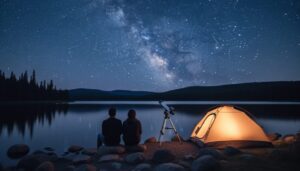
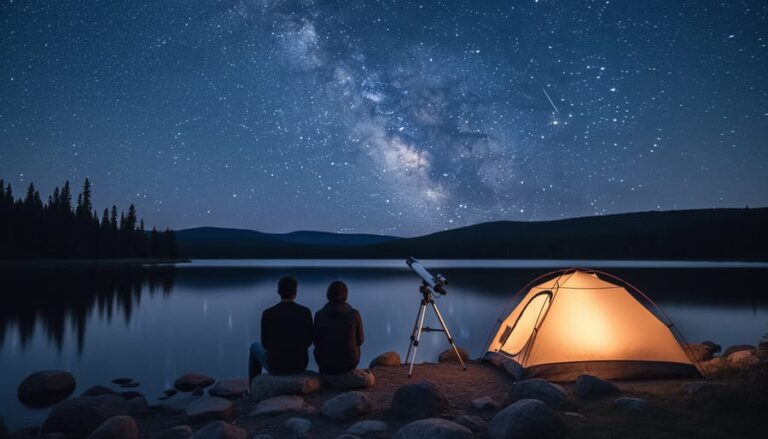
Mentally prepare by gradually adjusting your screen time a few days before departure. Download a stargazing app beforehand, and set realistic expectations. This isn’t about perfection but progress. Bring a journal to track your sleep patterns and how you feel each morning. Remember, the goal is disconnecting to reconnect with your natural rhythms.
Day 1: Arrival and Digital Detox
The first day is all about disconnecting and letting your body recalibrate. Leave your phone in the car or tent—seriously, resist the urge to check Reddit one more time for sleep advice! Your goal is to replace blue light with natural sunlight, which is exactly what your circadian rhythm has been craving.
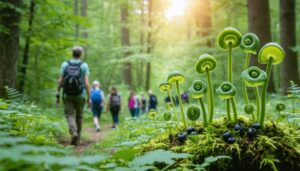
Set up camp during daylight hours so you’re immediately exposed to bright natural light. This signals to your brain that it’s daytime, kickstarting your internal clock’s reset. Take a leisurely walk around your campsite, breathing in the fresh Ontario air. Notice how the sunlight filters through the tree canopy—this is nature’s therapy at work.
Here’s an insider tip: bring an eye mask for emergencies, but challenge yourself not to use it. Let the natural darkness of the forest be your guide. As evening approaches, skip the flashlight when possible and let your eyes adjust to twilight. This gradual dimming mimics what our ancestors experienced and what our bodies still expect. Build a small campfire if permitted—the warm, orange glow won’t disrupt your melatonin production like screens do.
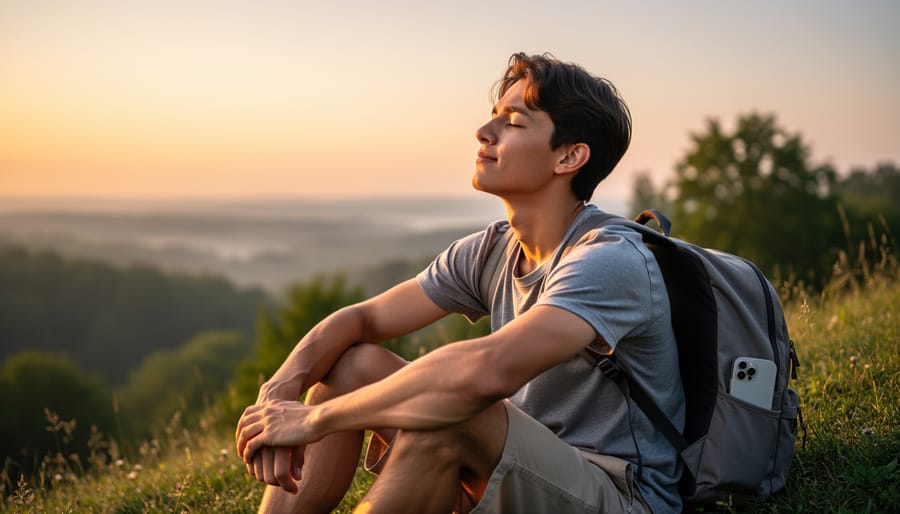
Days 2-3: Embracing Natural Rhythms
Now comes the beautiful part: letting nature do the heavy lifting. Rise with the sun—even if it feels early at first. That morning light hitting your eyes is pure gold for your internal clock. One camper from the Reddit r/sleep community shared how mornings at Algonquin transformed her routine: “I stopped fighting wake-up time and just followed the light. By day three, I felt more alert than after five cups of coffee.”
Structure your days around natural light cycles. Morning hikes, afternoon nature meditation by the lake, evening campfire storytelling—these activities naturally align with your body’s preferences. Skip screens after sunset; firelight creates the perfect amber glow that won’t disrupt melatonin production.
Expect some adjustment symptoms: mild headaches, unusual tiredness around 8 PM, or waking before your alarm. Your body is recalibrating—embrace it. Keep activities gentle and stay hydrated. By day three, most campers report falling asleep within minutes and waking refreshed without grogginess.
Going Home: Protecting Your Reset
The magic doesn’t have to end when you pack up your tent. Here’s the reality check from seasoned campers: expect your rhythm to drift slightly after two weeks back in regular life, but you’ll bounce back faster than your initial reset took. The key is protecting what you’ve built.
Book a weekend camping trip every 4-6 weeks to reinforce your new sleep pattern. Even one night under the stars works wonders as a maintenance dose. Between trips, mimic campsite conditions at home by dimming lights two hours before bed and using amber bulbs in your bedroom. One Reddit user swears by keeping their phone in another room, just like at the campsite.
Consider extending your wellness journey with eco-therapy experiences that combine nature immersion with structured activities. These programs help bridge the gap between camping trips while keeping you connected to outdoor rhythms.
Track your sleep quality using a simple journal rather than apps. Notice when you start drifting and plan your next park visit accordingly. Your body will thank you for the consistency.
Real Stories: Ontario Campers Who Reset Their Sleep
Marcus from Toronto never thought three nights at Algonquin Park would solve his two-year sleep struggle, but he was desperate enough to try anything. “I’d spent months scrolling through Reddit threads at 3 AM, reading about people in the same boat,” he shares. “Everyone kept mentioning camping and natural light, so I figured, why not?” Within 48 hours of pitching his tent at Rock Lake, something shifted. No phone alarm, no blackout curtains, just sunrise filtering through the tent fabric. “By the second morning, I woke up naturally at 6:30 AM. I hadn’t done that since college.”
Sarah, a shift worker from Ottawa, discovered a similar transformation during a long weekend at Silent Lake Provincial Park. “My schedule was wrecked from rotating nights,” she explains. “I’d tried melatonin, sleep apps, everything.” Her camping trip wasn’t even about fixing her sleep initially, just getting away. But the combination of campfire smoke, evening darkness without artificial lights, and morning bird songs did what supplements couldn’t. “I slept eight solid hours the first night. When I got home, I actually maintained a normal schedule for weeks.”
What strikes me about these stories is their honesty. Neither Marcus nor Sarah claim camping is magic, and both mentioned the first night was actually rough, adjusting to sleeping pad discomfort and unfamiliar sounds. But they stuck with it. The key, they both emphasize, is committing to at least two full days to let your body recalibrate. Pack your patience along with your sleeping bag, disconnect completely, and let Ontario’s natural rhythms do the heavy lifting.
Common Mistakes to Avoid on Your Sleep Retreat
Planning your sleep retreat thoughtfully makes all the difference between a truly restorative experience and just another camping trip. From conversations I’ve had with folks at Ontario parks, a few common pitfalls keep popping up.
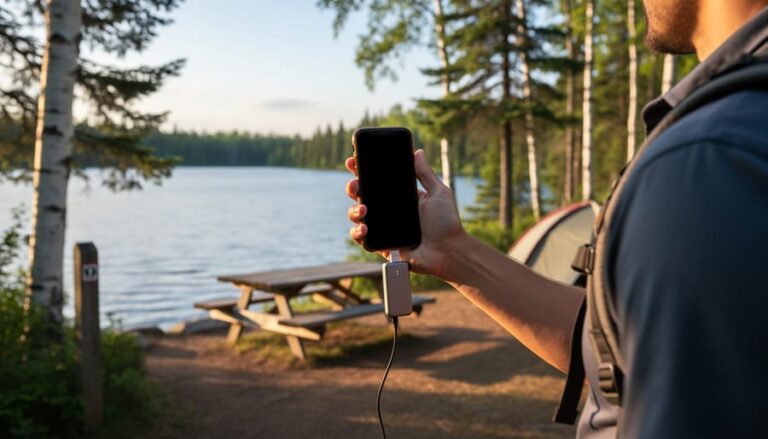
The biggest challenge? Sneaking too much technology along “just in case.” I get it—the temptation to bring your tablet for one quick email check is real. But here’s the thing: even having devices accessible undermines your circadian reset. Your brain needs a complete digital detox to recalibrate properly. Consider leaving devices locked in your car or, better yet, at home. If you absolutely must bring a phone for emergencies, keep it powered off in your backpack.
Timing matters more than you’d think. Summer’s long daylight hours are ideal for circadian resets—those extended golden hours naturally encourage later bedtimes and earlier wake-ups that sync with the sun. Winter camping can work too, but the shorter days require more intentionality about light exposure.
Many people also underestimate the adjustment period. Don’t expect miraculous sleep on night one. Your body needs 2-3 days minimum to start responding, which is why weekend warriors often miss out on the full benefits. If possible, aim for at least four nights outdoors.
Finally, pack realistic comfort items. Going ultra-minimalist when you’re not experienced creates unnecessary stress that counteracts sleep benefits. A quality sleeping pad, warm layers, and familiar camping food help you relax into the experience rather than fighting discomfort all night.
You’ve read the Reddit threads, scrolled through countless sleep hacks, and now you know the secret: nature is your most powerful ally in resetting your circadian rhythm. The best part? Ontario’s incredible network of provincial parks makes this solution ridiculously accessible. Whether you’re dealing with shift work blues, jet lag recovery, or just years of screen-induced sleep chaos, a camping trip isn’t just a weekend getaway—it’s a legitimate wellness intervention backed by real science.
Here’s your insider tip: start small if you’re nervous. Pick a nearby park, book a single night, and commit to being device-free from sunset to sunrise. Notice how you feel the next morning. The transformation many experience is genuinely eye-opening.
Beyond better sleep, you’re investing in stress reduction, mental clarity, and reconnecting with the natural rhythms that urban life constantly disrupts. You’re also supporting eco-friendly tourism and Ontario’s conservation efforts—a win all around.
So stop scrolling and start planning. Your circadian rhythm doesn’t need another Reddit thread or expensive sleep gadget. It needs what humans have always needed: darkness, fresh air, and the quiet pulse of the natural world. Ontario’s parks are waiting to welcome you back to better sleep and genuine restoration. Experience the healing power yourself.


+ There are no comments
Add yours