

Planning a camping trip to Ontario Parks and wondering about THCP? You’re not alone—many visitors want clarity before they pack. While you can buy THCp here legally in certain provinces, Ontario Parks follows specific cannabis regulations that apply to all cannabinoids, including this potent newcomer.
Here’s what matters most: THCP falls under the same framework as traditional cannabis products in Ontario. You can possess and consume it in designated areas, but the rules mirror those for THC—meaning you’ll need to respect smoke-free zones, keep products away from minors, and stay mindful of fellow campers. The catch? Not all parks enforce policies identically, and rangers appreciate visitors who ask questions upfront rather than assume.
**The insider tip?** Call your specific park’s office before arrival. Each location has unique considerations—from fire ban impacts on smoking to proximity to playgrounds and beaches. This five-minute conversation can save you from awkward encounters and ensure your relaxation doesn’t disrupt anyone else’s wilderness experience.
This guide breaks down everything from legal possession limits to practical consumption etiquette, so you can enjoy Ontario’s stunning landscapes responsibly and confidently.
What Exactly Is THCP? (And Why It Matters for Your Park Visit)
THCP, or tetrahydrocannabiphorol, is a naturally occurring cannabinoid that’s been making waves in the cannabis world—and for good reason. Think of it as THC’s more potent cousin. While you’re probably familiar with THC (the compound that creates the “high” in cannabis) and CBD (the non-intoxicating wellness ingredient), THCP is relatively new to the scene, discovered by Italian researchers in 2019.
Here’s what makes it different: THCP binds to your body’s cannabinoid receptors much more effectively than regular THC—some studies suggest it could be up to 30 times more potent. This means even small amounts can have significant effects, lasting longer and feeling stronger than what you’d experience with traditional cannabis products.
For Ontario Parks visitors, understanding this distinction isn’t just interesting trivia—it’s essential for planning a safe, enjoyable trip. Because THCP is so much stronger, using it requires extra caution, especially when you’re hiking trails, paddling lakes, or operating camping equipment. It’s also worth noting that THCP is still relatively new, so its legal status and testing standards are evolving.
Think of it this way: if regular THC is a standard cup of coffee, THCP is a triple espresso. Both come from the same plant family, but the experience—and the responsibility that comes with it—is quite different. Knowing what you’re bringing into Ontario’s beautiful natural spaces helps you make informed, responsible choices for yourself and fellow park-goers.
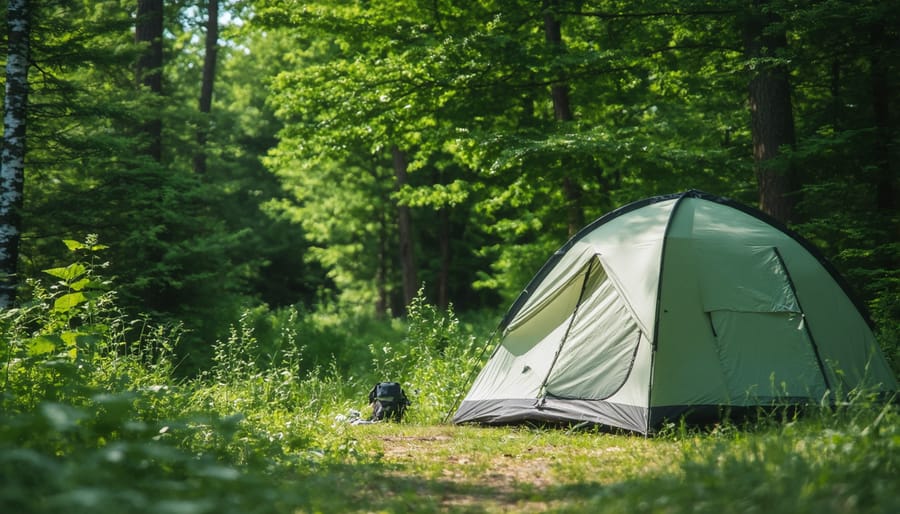
The Current Legal Status of THCP in Ontario
Let’s talk about where THCP stands in Ontario’s legal landscape—because honestly, it’s a bit of a puzzle right now. If you’re familiar with cannabis regulations in Canada, you know that THC (delta-9-tetrahydrocannabinol) became legal back in 2018 under the Cannabis Act. But THCP? That’s where things get interesting.
THCP, or tetrahydrocannabiphorol, is a naturally occurring cannabinoid that scientists only discovered in 2019. Here’s the thing: it’s not explicitly listed in Canadian cannabis legislation, which creates a bit of a gray area. Technically, since THCP occurs naturally in cannabis plants, many legal experts argue it falls under the same regulatory umbrella as other cannabis products. However, because it’s not specifically named, there’s no crystal-clear guidance yet.
In Ontario, the province follows federal cannabis laws while adding its own layer of rules through the Cannabis Control Act. This means that if THCP is considered cannabis (which most interpretations suggest it is), then it’s subject to the same regulations: you must be 19 or older to possess it, you can carry up to 30 grams in public, and you can only purchase from licensed retailers or grow it at home within legal limits.
The catch? THCP products aren’t widely available through Ontario’s regulated cannabis stores yet, and some retailers are selling it as a hemp-derived product, which occupies an even murkier legal space. Health Canada hasn’t issued specific guidance on THCP as of early 2024, leaving consumers and park visitors in a bit of limbo.
For practical purposes when planning your Ontario Parks adventure, it’s wisest to treat THCP like traditional cannabis products and follow our cannabis-friendly camping guide for responsible use.
Ontario Parks’ Official Stance on Cannabis and Cannabis-Derived Products
Where You Can (and Can’t) Use THCP Products
Understanding where you can use THCP products in Ontario Parks helps ensure everyone enjoys their outdoor experience. The rules mirror cannabis regulations, so if you’ve visited parks since legalization, you’ll find familiar territory here.
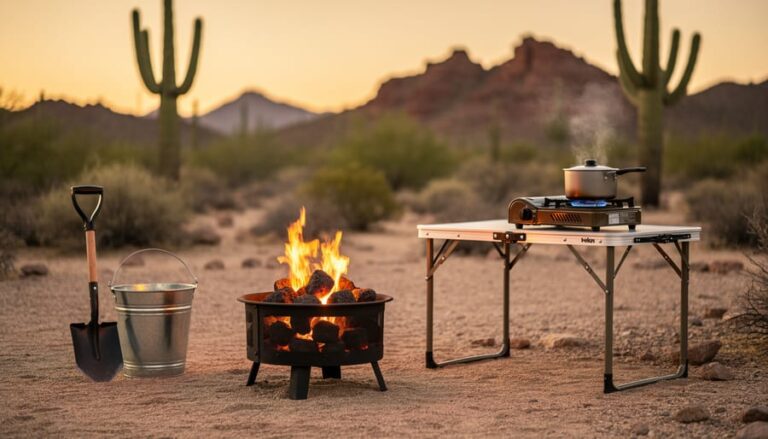
**At Your Campsite:** Good news! You can consume THCP products at your campsite, much like having a beer around the campfire. Think of your campsite as your temporary home base—it’s your designated space for the duration of your stay. Just keep consumption within your site boundaries and be mindful of neighbors, especially families with children nearby.
**Public Spaces and Trails:** Here’s where things get stricter. THCP use isn’t permitted on hiking trails, beaches, playgrounds, or common areas like visitor centers and park buildings. Basically, if other people are sharing the space, save your THCP for later back at camp.
**Insider tip:** Even though it’s technically allowed at your campsite, consider the wind direction and proximity to neighboring sites. What works for you might drift into someone else’s experience—literally. I’ve found that enjoying edibles eliminates smoke concerns entirely while still letting you unwind after a day on the trails.
**Vehicle Rules:** Never consume THCP in your vehicle, even if it’s parked at your campsite. Ontario’s impaired driving laws apply throughout the park, and park wardens take this seriously.
The golden rule? When in doubt, treat THCP like alcohol—enjoy responsibly in appropriate spaces while respecting fellow nature lovers around you.
Storage and Transportation Rules
When exploring Ontario’s beautiful parks, keeping your THCP products secure and properly stored is essential for both legal compliance and practical reasons. Think of it like packing your cooler—a little preparation goes a long way!
In your vehicle, store THCP products in their original, sealed packaging within the trunk or a locked compartment. Never keep them in the glove box or anywhere accessible from the driver’s seat while driving. This isn’t just smart practice; it helps avoid any confusion during park entry checks. I learned this the hard way when a ranger politely reminded me that accessible cannabis products could lead to complications, even when unopened.
At your campsite, treat THCP like you would valuables or food that attracts wildlife. Keep products in a locked container inside your tent or vehicle, away from curious kids and animals. Consider using smell-proof bags—they’re game-changers for discrete storage and preventing odors from spreading throughout your gear.
Here’s an insider tip: bring only what you’ll realistically use during your stay. Leaving excess products in hot cars can degrade their quality, and nobody wants that! Also, always pack out what you pack in—dispose of any packaging responsibly when you leave, keeping our parks pristine for everyone.
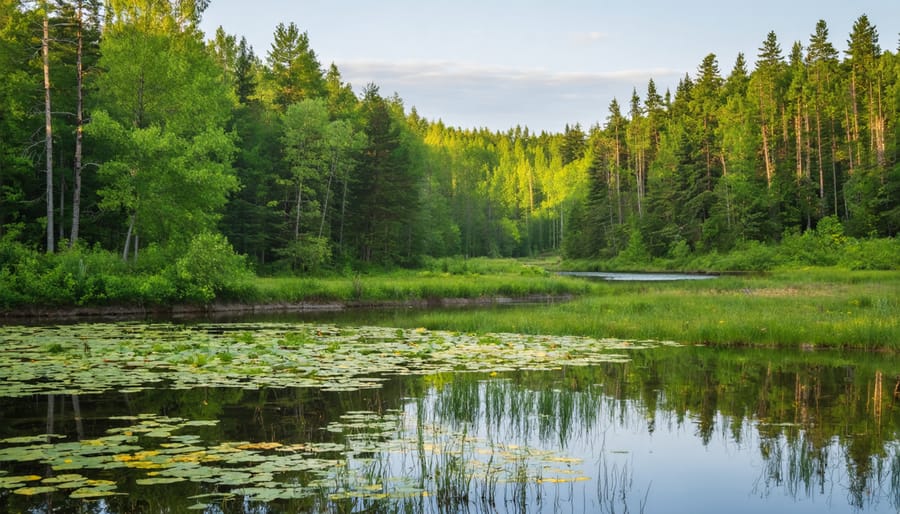
What Park Rangers and Staff Actually Enforce
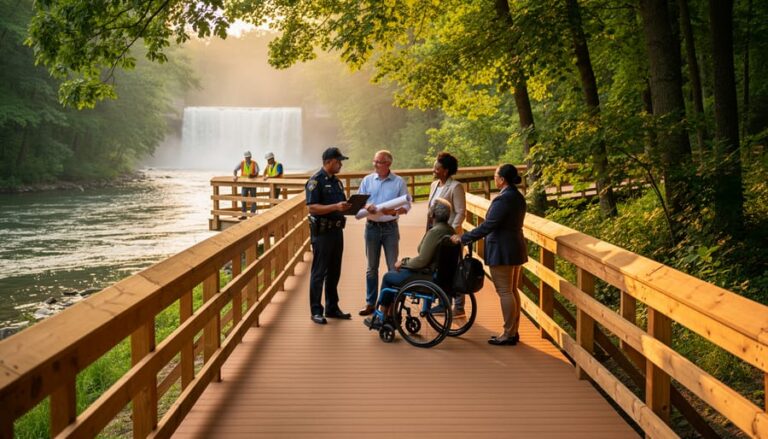
In practice, Ontario Parks rangers take a pragmatic approach to cannabis enforcement. Their primary focus remains visitor safety, wildlife protection, and maintaining the natural environment—not policing legal cannabis use.
Most rangers won’t actively seek out THCP users following Ontario’s legal guidelines. Sarah Chen, who’s camped across provincial parks for five years, shares: “I’ve never seen rangers confronting anyone about cannabis at their campsite. They’re more concerned about proper food storage and campfire safety.”
The situations that *do* attract attention? Consumption in high-traffic areas like playgrounds or visitor centers, driving under the influence, or disturbing other campers with strong odours. Rangers typically address issues through friendly reminders rather than enforcement action.
**Insider tip:** If you’re discreet and respectful—keeping consumption private at your campsite and properly disposing of any waste—you’re unlikely to have any interactions with staff about THCP products.
One ranger informally mentioned that their intervention threshold involves whether other visitors complain or if someone’s behaviour becomes problematic. “We’re here to ensure everyone enjoys the park safely,” they explained during a campfire safety demonstration.
The real enforcement stories? They involve visitors operating boats while impaired, leaving cannabis packaging as litter, or creating disturbances that prompt complaints from neighbouring campsites. Respectful, responsible users rarely appear on rangers’ radar.
**Eco-friendly suggestion:** Always pack out any THCP product packaging—leaving no trace protects both the environment and maintains positive relationships between cannabis users and park management.
Being a Responsible Visitor: Best Practices for THCP Users
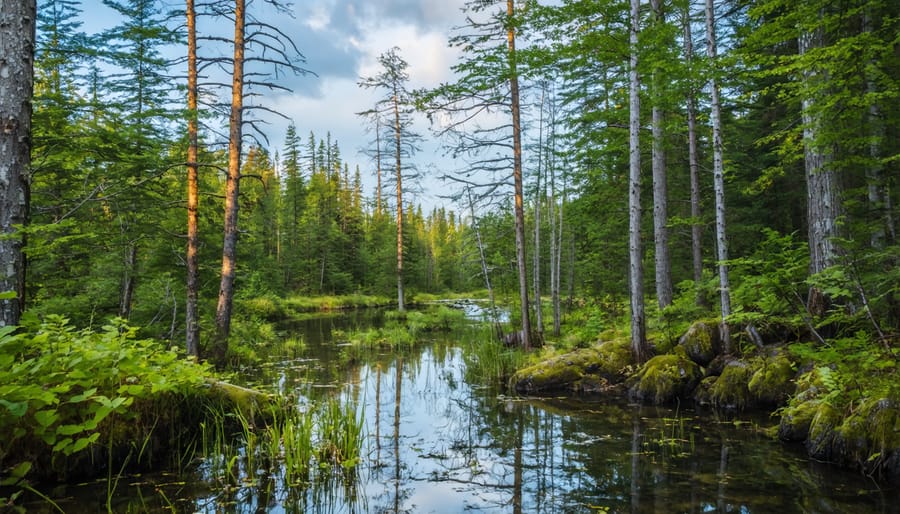
Protecting Ontario’s Natural Spaces
When you’re enjoying THCP or any cannabis products in Ontario’s beautiful parks, being a responsible steward of nature should be your top priority. I’ve seen too many pristine campsites marred by carelessly discarded packaging, so let’s talk about keeping our green spaces truly green.
First things first: never leave any cannabis packaging, containers, or remnants behind. Pack a small sealable bag specifically for cannabis waste—trust me, it makes cleanup so much easier. Those shiny wrappers and plastic containers don’t biodegrade, and wildlife can mistake them for food.
Following Leave No Trace principles is crucial when consuming cannabis outdoors. If you’re vaping, ensure batteries are disposed of properly at designated facilities, not tossed in campfire pits. For any combustible products, fully extinguish and pack out all remnants—partially burned materials are still litter.
Here’s an insider tip: bring a portable, smell-proof container for storing used products until you can dispose of them properly at park facilities. This minimizes odors that might attract curious animals to your campsite.
Remember, Ontario’s parks are treasures we all share. By being mindful of our environmental footprint, we ensure these incredible spaces remain pristine for future visitors and the incredible ecosystems they support.
Staying Safe on the Trails and at Camp
When you’re enjoying Ontario’s backcountry, timing is everything. Here’s an insider tip: save any THCP use for when you’re settled at camp for the evening, never before or during activities like hiking, paddling, or setting up shelter. Even mild impairment can turn a simple portage into a dangerous situation or affect your judgment when reading trail markers.
Think of it like enjoying a beer around the campfire—wait until your canoe is secured, your tent is pitched, and you’re done navigating for the day. THCP can affect coordination, reaction time, and spatial awareness far more intensely than traditional cannabis, sometimes for several hours.
Pack your emergency supplies as if impairment won’t be an option when you need them. Keep a well-stocked first aid kit, emergency communication device, and water purification tablets easily accessible. Always inform at least one person in your group if you plan to use THCP, and establish a “sober buddy” system for multi-day trips.
Remember, park rangers and emergency responders can’t reach remote areas quickly. Your clearest mind is your best safety tool in the wilderness.
Park-Specific Considerations Across Ontario
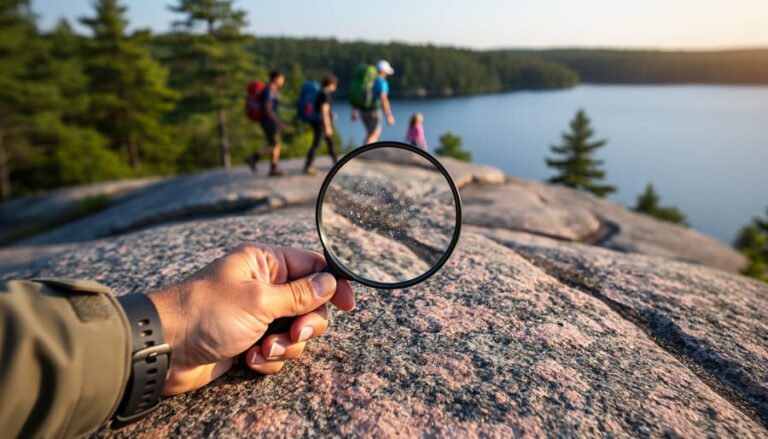
While Ontario Parks operates under a unified provincial system, it’s worth noting that individual parks occasionally have their own quirks when it comes to cannabis use. Before you pack your THCP products, take a few minutes to check the specific park’s website or call their office directly—trust me, it’s worth the peace of mind!
Most parks follow the standard provincial rules, but some have additional considerations based on their unique characteristics. For instance, parks with significant day-use areas or beaches might have extra signage reminding visitors about smoke-free zones near playgrounds and swimming areas. Parks that offer backcountry camping typically provide more privacy for consumption, though the same legal restrictions apply.
Here’s an insider tip: when you’re gathering your reservation advice, also jot down the park office’s phone number. Staff members are genuinely helpful and can clarify any specific concerns about where consumption is permitted within that particular park. They know the layout better than anyone and can suggest more secluded camping spots if privacy is important to you.
Popular parks like Algonquin or Killarney don’t have dramatically different rules, but their size means you’ll find it easier to maintain respectful distances from other campers. Smaller, more compact parks naturally require extra consideration for your neighbours. Being eco-friendly extends beyond leaving no trace—it means being mindful of the shared spaces we all enjoy together.
Ontario’s parks are truly special places where we can reconnect with nature, unwind, and create lasting memories. By understanding THCP regulations and respecting both the rules and your fellow visitors, you’re helping preserve these incredible spaces for everyone to enjoy. Remember that cannabis laws—including those around newer compounds like THCP—can evolve, so it’s always smart to check Ontario Parks’ official website before your trip for the most current information.
Planning ahead makes all the difference. Know which parks allow cannabis consumption and where designated areas might be located. Pack responsibly, keep products secure and out of reach of children, and always be mindful of families and other visitors sharing the trails and campsites with you.
Here’s an insider tip: download any park maps or policy updates before you head out, since cell service can be spotty in remote areas. And if you’re ever unsure about specific rules at your destination park, a quick call to the park office can save you headaches later.
Ultimately, enjoying Ontario’s stunning wilderness responsibly means we all get to keep coming back. So pack your gear, know the regulations, and get ready for an amazing outdoor adventure!



+ There are no comments
Add yours