

Settle into a sun-dappled forest clearing, open your journal, and let Ontario’s wilderness guide your pen. Nature journaling transforms ordinary park visits into extraordinary moments of discovery, capturing the magic of Ontario’s parks one observation at a time. Whether sketching a trillium’s delicate petals, recording the haunting call of a loon across misty morning waters, or documenting seasonal changes along your favorite trail, each entry becomes a personal window into the natural world. In this digital age, combining traditional journaling with modern tools like photography apps and nature identification software creates a rich, multimedia record of your outdoor experiences. Your nature journal becomes more than just a diary—it’s a scientific log, artistic outlet, and mindfulness practice wrapped into one, helping you slow down and notice the subtle wonders that make Ontario’s wilderness uniquely spectacular.

Why Digital Nature Journaling Works in Ontario Parks
Weather-Proof Your Observations
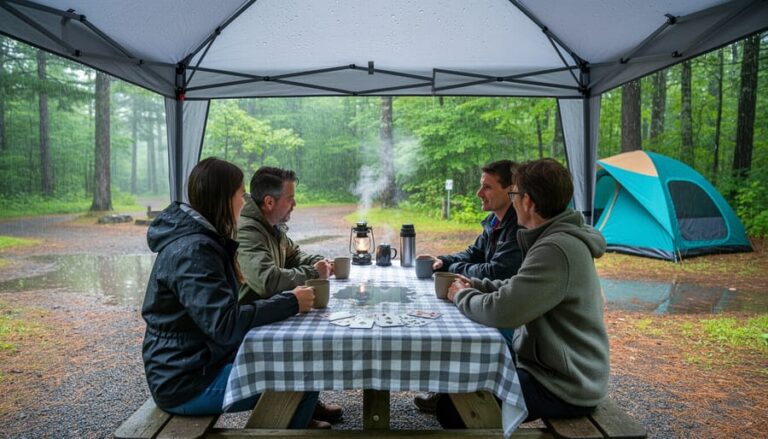
Ontario’s weather can be unpredictable, but that shouldn’t stop you from documenting your nature encounters. As technology in outdoor experiences continues to evolve, digital journaling tools offer excellent alternatives to traditional paper notebooks in challenging conditions.
When rain threatens your adventure, waterproof tablets and phones in protective cases become invaluable companions. Many newer devices are water-resistant, and adding a quality protective case lets you capture observations without worry. During winter months, touchscreen-compatible gloves allow you to keep documenting while staying warm – much easier than fumbling with frozen fingers and a pencil!
Popular apps like iNaturalist and Seek work offline, perfect for areas with spotty reception. They’re also great for hot, humid summer days when paper might get soggy or damaged. Pro tip: pack a portable battery bank for extended trips, especially in cold weather when device batteries drain faster.
Remember to keep your device in an insulated pocket during extreme temperatures – this protects both your equipment and ensures it’s ready whenever that perfect wildlife moment presents itself.
Share Your Park Stories
Transform your nature observations into shared experiences by joining our vibrant digital journaling community. Through platforms like Instagram and iNaturalist, you can connect with fellow park enthusiasts, share your discoveries, and learn from others’ perspectives.
Create a unique hashtag for your park visits or use popular ones like #OntarioParks and #ParkJournaling to showcase your entries. Many regular visitors have built wonderful followings by sharing their seasonal observations and wildlife encounters through thoughtful posts and stunning photographs.
Consider joining local nature journaling groups on social media, where members often organize meetups in various parks across Ontario. These gatherings provide excellent opportunities to learn new techniques, discover hidden gems, and make friends who share your passion for nature documentation.
Remember to respect privacy guidelines when sharing location details of sensitive species or areas. Instead of exact coordinates, consider sharing broader location information that helps protect our natural treasures while still allowing others to enjoy similar experiences.
Your shared observations also contribute to citizen science initiatives, helping researchers and park managers better understand and protect our precious ecosystems.
Essential Digital Tools for Nature Journaling
Best Apps for Different Journaling Styles
Whether you prefer sketching, writing detailed observations, or tracking wildlife sightings, there’s an app perfectly suited for your nature journaling style. Here are some of our favorite digital tools to enhance your outdoor documentation:
For Visual Journalists:
– Procreate Pocket: Perfect for iPad users who love to sketch flora and fauna
– Paper by WeTransfer: Offers a clean interface and beautiful watercolor tools
– Snapseed: Excellent for editing and annotating nature photos
For Written Observations:
– Day One: Features weather tracking and location tagging
– Journey: Allows seamless integration of photos and text
– Penzu: Focuses on privacy and offers a distraction-free writing environment
For Scientific Recording:
– iNaturalist: Helps identify species and contribute to citizen science
– eBird: Essential for bird watchers and migration tracking
– Seek: Great for plant and animal identification with a gamified approach
For Mixed-Media Enthusiasts:
– Notion: Highly customizable for creating detailed nature databases
– Microsoft OneNote: Excellent for organizing different types of content
– Evernote: Strong search capabilities and easy multimedia integration
Pro Tip: Before heading out, download offline versions of your chosen apps, as many Ontario parks have limited cell coverage. Also, consider using dark mode options to preserve night vision during dawn and dusk observations.
Remember to keep your device use mindful and balanced – the goal is to enhance your nature experience, not detract from it.

Device Protection in the Wild
Let’s face it – electronics and the great outdoors don’t always play nicely together. But with some smart preparation, you can keep your digital journaling devices safe while exploring Ontario’s wilderness. First, invest in a quality waterproof case or dry bag – trust me, those sudden summer showers can catch anyone off guard! I learned this lesson the hard way during a paddle on Lake Superior.
Keep your devices in a sealed bag with silica gel packets to combat humidity, especially during those sticky Ontario summers. A padded case adds extra protection against inevitable bumps along the trail. For longer expeditions, consider a solar charger or portable battery pack – there aren’t many power outlets in Algonquin Park!
Temperature extremes can be tough on electronics. In winter, keep devices close to your body to prevent battery drain, and use touchscreen-compatible gloves. During summer hikes, avoid leaving devices in direct sunlight where they can overheat.
Here’s a clever trick: pack your devices in bright-colored cases. Not only does this make them easier to spot if dropped, but it also helps prevent accidentally leaving them behind at rest stops. And always keep a backup of your journal entries – whether it’s cloud storage (when you have service) or good old-fashioned paper notes. The wilderness may be unpredictable, but your memories don’t have to be!
What to Document in Ontario Parks
Seasonal Changes and Wildlife
Ontario’s changing seasons offer a spectacular canvas for nature journaling, with each season bringing its own unique cast of wildlife characters and botanical wonders to document. In spring, keep your journal ready for the return of migratory birds like the red-winged blackbirds and the emergence of early wildflowers such as trilliums and bloodroot. This is also the perfect time to record the first calls of spring peepers and watch for emerging black bears from their winter dens.
Summer brings an explosion of life worth capturing in your journal. Watch for monarch butterflies laying eggs on milkweed plants, observe busy beaver families maintaining their lodges, and document the variety of warblers flitting through the tree canopy. Make detailed sketches of wildflower meadows and note the different pollinators visiting each flower species.
As autumn approaches, record the changing colors of maple and oak leaves, noting the dates and weather conditions that trigger these transformations. This is an excellent time to document bird migrations, with massive V-formations of Canada geese heading south and hawks riding thermal currents overhead.
Winter might seem quiet, but it’s actually one of the best times for wildlife tracking. Record animal tracks in the snow, sketch the intricate patterns of frost on tree branches, and note which hardy birds frequent your area’s winter feeders. Look for signs of white-tailed deer browsing on cedar trees and record the activities of winter-active mammals like foxes and snowshoe hares.
Pro tip: Create a phenology wheel in your journal – a circular calendar marking natural events throughout the year. This helps you track and compare seasonal changes from year to year, building a valuable record of how Ontario’s wildlife responds to our changing climate.

Trail Memories and Landmarks
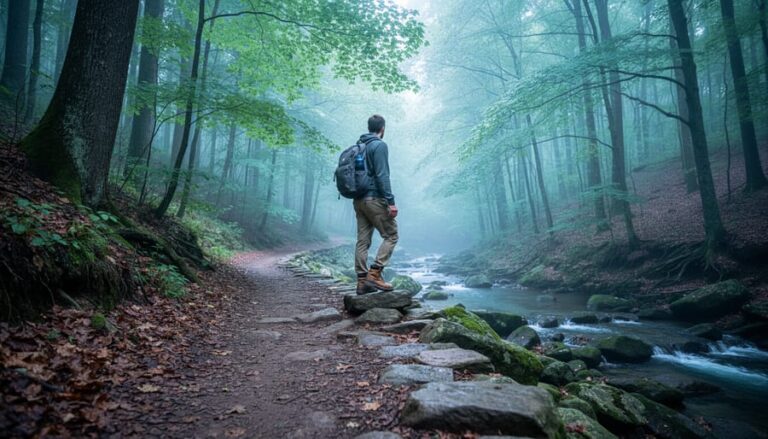
Capturing the essence of your hiking adventures through journaling creates a lasting connection with nature and helps you remember those special moments on Ontario’s breathtaking trails. Start by noting the basic details: trail name, date, weather conditions, and time of day. These simple elements will help trigger vivid memories when you look back at your entries.
Create detailed descriptions of notable landmarks you encounter – that distinctive bent tree, the peculiar rock formation, or the wooden bridge crossing a bubbling stream. These natural waypoints not only make your journal more engaging but can also help fellow hikers identify locations you’ve recommended.
Consider sketching quick thumbnails or taking reference photos of interesting features. Even if you’re not an artist, simple drawings can capture the character of a place better than words alone. Add personal touches by recording your emotions and sensory experiences: the smell of pine needles after rain, the sound of chickadees overhead, or the feeling of autumn wind on your face.
For tech-savvy hikers, try using GPS coordinates to mark significant spots. This makes it easier to return to favorite locations or share them with friends. Remember to note seasonal changes too – the same landmark can look dramatically different throughout the year, from spring wildflowers to winter ice formations.
Pro tip: Create a simple rating system for viewpoints, rest spots, and photo opportunities. This will help you quickly reference the best locations when planning future hikes or recommending trails to others. Remember to practice Leave No Trace principles while documenting your journey – take only photos and leave only footprints.
Eco-Friendly Digital Journaling Practices
Minimize Your Digital Footprint
While technology can enhance our nature journaling experience, it’s essential to minimize your digital footprint to protect both the environment and your authentic connection with nature. Here are some eco-conscious guidelines to follow:
Keep your phone in airplane mode when possible – this saves battery life and reduces electromagnetic interference with wildlife. If you’re using a tablet or laptop, dim your screen brightness to conserve energy and reduce visual distraction for fellow nature enthusiasts.
Consider using rechargeable batteries for your devices and bring a portable solar charger instead of relying on park facilities. When taking photos or videos, be selective rather than capturing everything. This not only preserves battery life but also encourages mindful observation.
Store your digital notes locally rather than constantly syncing to the cloud while in nature. This reduces data usage and keeps you more present in the moment. If you’re using apps for species identification or note-taking, download offline versions before heading out.
Remember to silence all notifications and keep your device usage discrete. The sound of artificial shutters or alert tones can disturb wildlife and other visitors seeking peace in Ontario’s natural spaces. When possible, use paper for quick notes and sketches, saving digital tools for specific purposes like detailed photographs or GPS tracking.
By balancing technology with traditional methods, you’ll create a more sustainable and meaningful journaling practice while preserving the tranquility of our parks for everyone to enjoy.
Balancing Tech and Nature Connection
While digital tools can enhance our nature journaling experience, it’s essential to maintain a mindful balance between technology and genuine connection with the outdoors. Here’s how to make the most of both worlds without letting screens dominate your experience.
First, consider setting specific “tech times” during your nature outings. Maybe spend the first 15 minutes simply observing and experiencing your surroundings before pulling out your device to journal. This helps establish a direct connection with nature before introducing digital elements.
A helpful practice is the “30-second rule” – when you spot something interesting, observe it for 30 seconds before reaching for your device to document it. This ensures you’re truly experiencing the moment rather than just collecting digital memories.
Keep your phone in airplane mode while journaling. This prevents distracting notifications and helps maintain your focus on the natural environment. It also helps preserve battery life for when you really need it.
Consider using voice notes for initial observations, allowing you to keep your eyes on your surroundings while recording your thoughts. You can always transform these into written entries later.
Remember to take regular “tech breaks” – put your device away completely for set periods and simply immerse yourself in the environment. This helps maintain the fundamental connection with nature that inspired you to journal in the first place.
As we’ve explored throughout this guide, digital nature journaling offers a perfect blend of technology and traditional nature observation, allowing you to capture and share Ontario’s natural wonders in unique and meaningful ways. Whether you’re documenting the first spring trilliums at Algonquin Park or tracking bird migrations along Lake Ontario’s shoreline, your digital nature journal becomes a personal window into our province’s incredible biodiversity.
The benefits of this modern approach to nature journaling are truly remarkable. Not only does it help you develop a deeper connection with the natural world, but it also contributes to citizen science, enhances your observation skills, and creates lasting memories of your outdoor adventures. The ability to combine photos, notes, sketches, and GPS coordinates in one digital space makes your observations more comprehensive and valuable than ever before.
Ready to start your own digital nature journaling journey? Remember, you don’t need expensive equipment or artistic expertise – just a curious mind and basic digital tools. Begin with simple observations in your local park or backyard, then gradually expand your practice as you explore Ontario’s vast network of natural spaces.
By maintaining a digital nature journal, you’re not just creating a personal record – you’re joining a growing community of nature enthusiasts who are helping to document and preserve Ontario’s natural heritage for future generations. So grab your device, head outside, and start capturing the stories that nature has to tell.









+ There are no comments
Add yours