
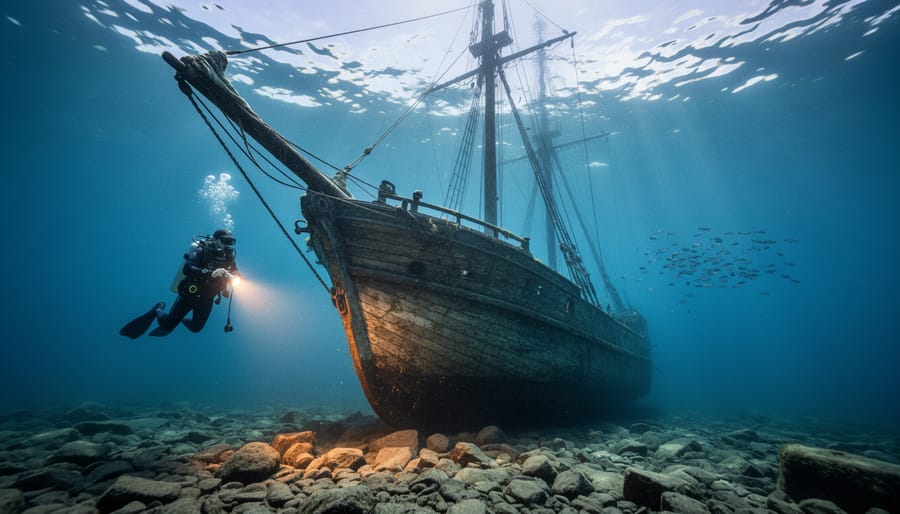
Beneath Ontario’s waterways lies a haunting underwater museum where history rests in silence. Scuba diving shipwrecks transforms you from observer to explorer, letting you glide through the skeletal remains of 19th-century schooners, steamships frozen in time, and vessels that once ruled the Great Lakes trade routes. These aren’t just dive sites—they’re time capsules where you can touch weathered timber, peer through intact portholes, and swim alongside schools of fish that now call these wrecks home.
Ontario harbors over 5,000 documented shipwrecks, creating some of North America’s most spectacular cold-water diving. The crystal-clear freshwater preserves these vessels remarkably well compared to saltwater sites, meaning you’ll encounter astonishingly intact wooden hulls, visible nameplates, and artifacts that look decades younger than their actual age. From shallow 20-foot dives perfect for beginners to technical dives exceeding 100 feet for seasoned divers, there’s a wreck waiting at your skill level.
Plan your underwater adventure around Lake Superior’s legendary wrecks near Tobermory, explore Lake Ontario’s forgotten merchant vessels, or discover lesser-known gems in smaller inland lakes. Pack a dive light to illuminate hidden cargo holds, bring an underwater camera to capture these ghostly sentinels, and always dive with a certified buddy who knows Ontario’s unique conditions. The water stays cold year-round, so invest in proper thermal protection—a 7mm wetsuit minimum or drysuit for extended bottom time.
Why Ontario Is a Shipwreck Diver’s Hidden Paradise
Most divers dream of exploring tropical shipwrecks in the Caribbean, but here’s a secret that Ontario’s diving community has known for years: our freshwater wrecks offer something ocean diving simply can’t match. And once you experience it yourself, you’ll understand why divers travel from around the world to explore these underwater time capsules.
The magic starts with visibility. While ocean divers often struggle with murky conditions and 10-foot sight lines, Ontario’s Great Lakes regularly deliver 50 to 100 feet of crystal-clear visibility. Imagine swimming through a shipwreck where you can see from bow to stern in a single glance. It’s like exploring underground wonders, except you’re weightless and surrounded by history.
Then there’s the preservation factor. Cold freshwater works like nature’s freezer, keeping wooden vessels remarkably intact for over a century. Unlike saltwater wrecks that deteriorate quickly due to corrosion and marine organisms, Ontario’s shipwrecks retain incredible detail. You’ll find original woodwork, intact cargo holds, and even personal items left behind by crews. The schooner Sweepstakes in Tobermory, for example, looks almost ready to sail again despite sinking in 1885.
Ontario’s maritime history adds another layer of fascination. The Great Lakes were once North America’s busiest shipping highways, and our waters hold thousands of vessels from different eras: grand steamers, wooden schooners, and even a few wartime casualties. Each wreck tells a unique story about commerce, immigration, and survival on these inland seas.
Here’s the best part: accessibility. Whether you’re a nervous beginner or an experienced tech diver, Ontario offers wrecks for every skill level. Shallow sites like the Rothesay in Big Tub Harbour sit in just 15 feet of water, perfect for new divers or snorkelers. Meanwhile, advanced divers can tackle deep wrecks exceeding 200 feet. Many sites are shore-accessible too, saving you expensive boat charter costs while still delivering world-class diving experiences.
The Great Lakes’ Most Spectacular Wrecks
Lake Huron: Fathom Five National Marine Park
If you’re new to shipwreck diving or simply want a spectacular shallow-water experience, Tobermory’s Fathom Five National Marine Park is your perfect gateway to underwater exploration. Located where Georgian Bay meets Lake Huron, this protected area is often called the “Shipwreck Capital of Canada,” and once you descend beneath the crystal-clear waters, you’ll understand why.
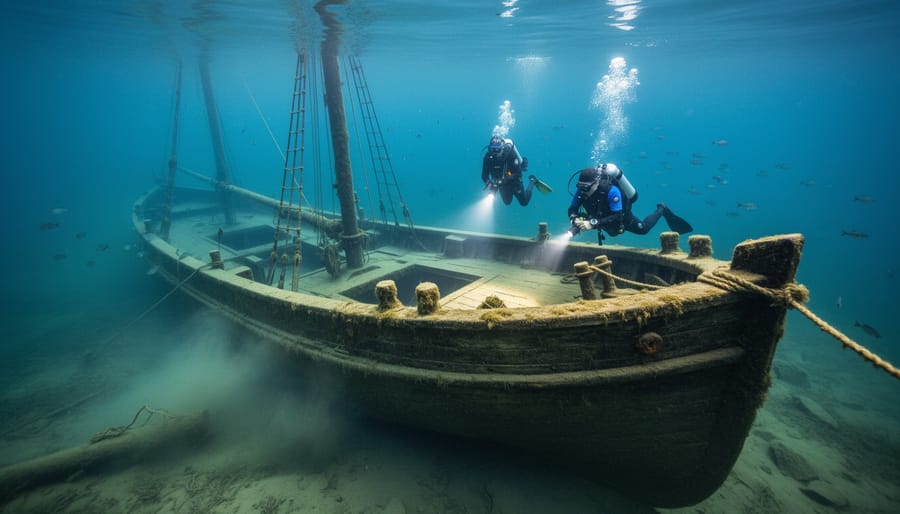
The Sweepstakes is the crown jewel for beginner divers and snorkelers alike. This two-masted schooner ran aground in 1885, and today it rests in just 10 to 20 feet of water in Big Tub Harbour. The visibility here is phenomenal—often exceeding 30 feet—so you can actually see the entire wreck from the surface. Swimming among the skeletal remains of the hull, you’ll spot the vessel’s wooden ribs, intact bowsprit, and the massive capstan still sitting in position. Fish weave through the structure, and the shallow depth means you can spend a leisurely 45 minutes exploring without worrying about bottom time.
For divers ready to venture slightly deeper, the City of Grand Rapids offers an exciting next step. This passenger steamer sits in 10 to 45 feet of water, also in Big Tub Harbour. You’ll see the impressive boiler, paddlewheel mechanisms, and various engine components scattered across the lakebed. The wreck’s sloping depth profile makes it ideal for practicing buoyancy control while exploring different sections.
Here’s an insider tip: dive these sites on weekday mornings to avoid the crowds. The park requires a daily mooring permit, which helps preserve these historic treasures while keeping the experience intimate. With minimal current, warm summer temperatures, and convenient shore access, Tobermory provides the perfect training ground before tackling deeper Great Lakes wrecks.
Lake Ontario: The Kingston Shipwreck Trail
Kingston’s freshwater diving scene offers something truly special – a designated underwater heritage trail where history comes alive beneath the surface. Located where Lake Ontario meets the St. Lawrence River, this area was once a bustling shipping corridor, and today its preserved wrecks tell captivating stories from Ontario’s maritime past.
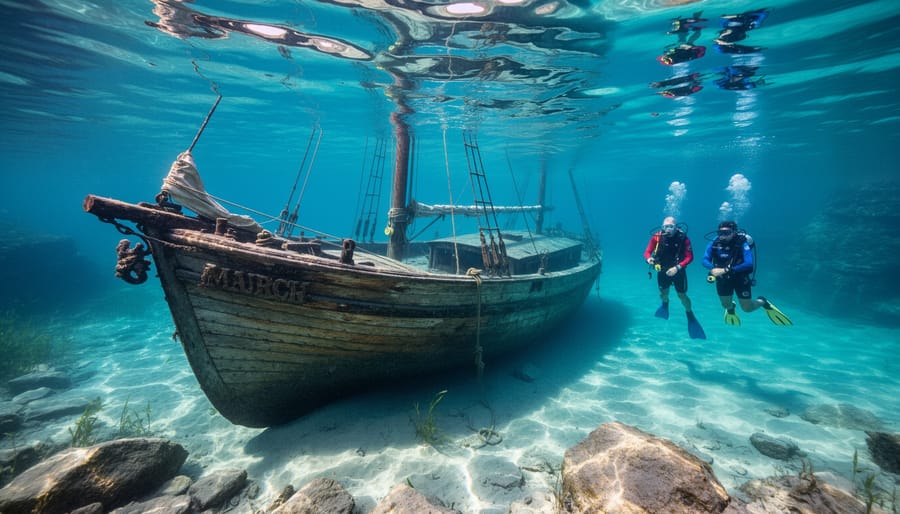
The star attraction is the Aloha, a beautiful three-masted schooner that sank in 1917. Resting in just 55 feet of water, she’s remarkably intact and accessible to divers of various skill levels. You’ll find yourself gliding past her wooden hull, peering into cargo holds, and imagining the crew who once sailed her across these waters. The visibility here can reach an impressive 30-40 feet on good days, making it perfect for underwater photography.
Another must-dive wreck is the Keystorm, a steel-hulled tugboat that met her fate in 1912. Sitting upright at around 90 feet, she’s a bit more advanced but absolutely worth it for intermediate divers. Local dive operators love sharing stories about how her boiler and engine are still visible and well-preserved.
Here’s an insider tip: dive these wrecks in late summer or early fall when water temperatures are warmest (around 65-70°F at depth) and visibility peaks. Spring diving can be spectacular too, though you’ll want a drysuit as temperatures hover around 40°F.
Kingston’s dive shops are incredibly welcoming and offer guided tours specifically for the heritage trail. They know these wrecks intimately and can point out details you’d otherwise miss. Plus, many operators practice eco-friendly diving protocols, ensuring these underwater museums remain pristine for future generations to explore.
Lake Superior: Thunder Bay’s Shipwreck Alley
For those with advanced certification and a taste for adventure, Thunder Bay’s Shipwreck Alley offers some of the most spectacular wreck diving in the world. This stretch of Lake Superior cradles nearly 100 shipwrecks, earning its dramatic nickname honestly. The combination of treacherous reefs, unpredictable weather, and fierce November gales claimed countless vessels during the region’s shipping heyday.
The diving here is genuinely challenging. Water temperatures hover around 4-8°C even in summer, and visibility can range wildly from crystal-clear to frustratingly murky depending on conditions. You’ll need a drysuit, cold-water experience, and often deep-diving certification, as many wrecks rest beyond recreational limits.
What makes Thunder Bay extraordinary isn’t just the number of wrecks, but their remarkable preservation. The cold, fresh water acts like nature’s freezer, keeping wooden hulls, cargo holds, and even ships’ wheels in stunning condition. The Gunilda, a luxurious steam yacht that sank in 1911, sits upright at 82 meters like a frozen time capsule.
The Thunder Bay National Marine Sanctuary protects these underwater museums, and local dive operators know the sites intimately. They’ll guide you through haunting scenes: the Monarch’s massive hull tilted on its side, or the Kamloops, where you might spot the legendary “Old Whitey.”
Insider tip: Book your dive trip between July and September when conditions are most stable, and always dive with an experienced local guide who understands Superior’s moods.
What to Expect When Diving Ontario’s Shipwrecks
Your first Ontario shipwreck dive will likely be unlike anything you’ve experienced before. The water temperature hovers between 4-18°C depending on the season, so that 7mm wetsuit or drysuit isn’t optional – it’s essential. Even in summer, the deeper wrecks maintain surprisingly cold temperatures that can catch new wreck divers off guard.
Visibility is the wild card here. Some days you’ll enjoy 15-20 meters of crystal-clear viewing, letting you take in entire ship structures at once. Other times, especially after storms or during algae blooms, you might be working with just 3-5 meters. This variability actually adds to the adventure, as each dive reveals the wreck differently.
Don’t expect tropical fish darting through coral-encrusted hulls. Ontario’s freshwater environment hosts a quieter cast of characters: smallmouth bass often patrol the wreckage, curious about your bubbles. You’ll spot freshwater mussels clinging to wooden beams, and occasionally encounter massive lake sturgeon gliding past like prehistoric ghosts. The absence of saltwater corrosion means these wrecks preserve remarkably well, with intact woodwork and metal fittings that would have dissolved decades ago in ocean environments.
The emotional experience catches many divers by surprise. There’s something profound about finning through a captain’s quarters or running your gloved hand along a ship’s wheel that last moved in the 1800s. These aren’t just dive sites – they’re time capsules of Ontario’s maritime heritage. First-timers often surface feeling a mix of exhilaration and reverence.
If you’re planning to document your dive, check out our underwater photography tips to capture these moments properly. Low-light conditions around wrecks require specific techniques.
Most importantly, respect that you’re exploring both natural habitats and historical sites. Touch nothing except to secure yourself safely, and always dive with experienced local guides on your first few wreck explorations.
Essential Gear and Skills for Wreck Diving
Before you plunge into Ontario’s chilly depths to explore historic shipwrecks, you’ll need more than just your basic open water certification and standard tropical diving gear. Trust me, Lake Ontario in October is a far cry from the Caribbean!
Most reputable dive operators require at least an Advanced Open Water certification, and many wreck sites demand specialized wreck diving training. This isn’t just bureaucratic red tape – penetrating shipwrecks comes with real risks like entanglement, disorientation, and getting trapped in confined spaces. A proper wreck diving course teaches you navigation techniques, line handling, and how to safely explore without disturbing these underwater time capsules.
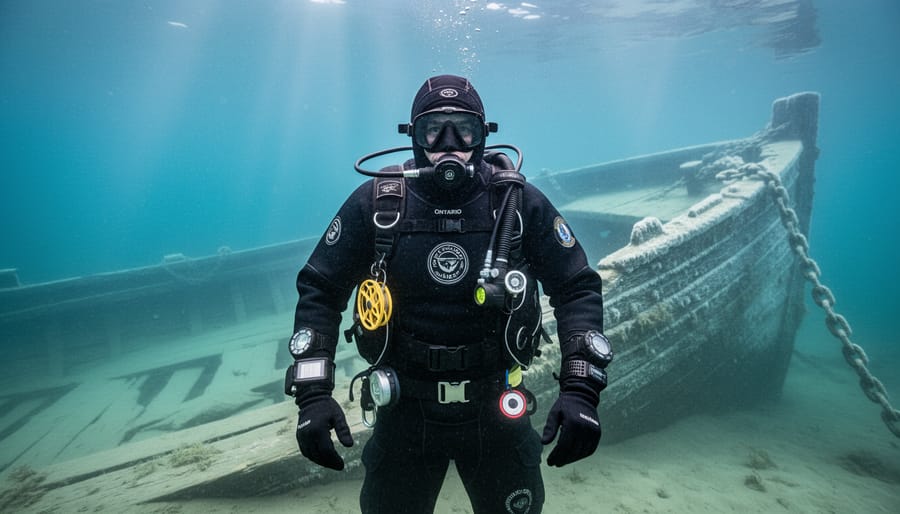
The cold water element can’t be overstated. Ontario’s lakes hover between 4-15°C even in summer, so invest in a quality 7mm wetsuit with hood and gloves, or better yet, a drysuit if you plan to make wreck diving a regular hobby. I learned this the hard way during my first Georgian Bay dive when my 5mm suit left me shivering after just 20 minutes!
Essential gear includes a reliable dive light (wrecks can be dark even in shallow water), a cutting tool for emergencies, and a dive computer to monitor your depth and bottom time carefully. Many wrecks sit at depths requiring careful attention to no-decompression limits.
Here’s an insider tip: pack chemical hand warmers for between dives. Slipping them into your gloves during surface intervals makes the second dive infinitely more comfortable. Also, bring a thermos of hot soup or tea – your dive buddies will thank you, and you’ll stay energized throughout the day.
Planning Your Shipwreck Diving Adventure
Best Times to Dive Ontario’s Wrecks
Ontario’s shipwreck diving season truly kicks off from late May through early October, when water temperatures climb to their most comfortable levels. July and August are particularly popular, with surface temperatures reaching 20-24°C (68-75°F), though thermoclines can drop temps significantly at depth, so bring that wetsuit or drysuit.
Here’s an insider tip: early summer offers surprisingly clear conditions as springtime algae blooms haven’t peaked yet. You’ll find visibility ranging from 6 to 15 meters, with June often delivering the crispest views of those ghostly hulls. Late summer can bring plankton blooms that reduce visibility, but the warmer water makes longer dives more comfortable.
Fall diving from September to mid-October rewards adventurous divers with excellent clarity as waters cool and biological activity decreases. The trade-off? You’ll definitely want thermal protection, but the stunning autumn colours reflected on calm lake surfaces make for unforgettable topside moments.
Winter diving is possible for those into extreme winter adventure sports, offering crystal-clear visibility under the ice, though this requires specialized training and equipment. Most recreational divers stick to the warmer months when charter services operate regularly and conditions feel more forgiving for exploring these underwater time capsules.
Choosing a Dive Charter or Guide Service
Selecting the right dive charter makes all the difference when exploring Ontario’s underwater treasures. Start by researching operators with solid safety records and certified guides who know the local wrecks intimately. Look for services that provide detailed site briefings, including historical context about each shipwreck—knowing you’re diving a 19th-century schooner adds incredible depth to the experience.
Reputable charters typically offer equipment rentals, tank fills, and transportation to dive sites. Many specialize in specific regions like Tobermory or Kingston, where their expertise really shines. Insider tip: smaller operations often provide more personalized attention and can tailor dives to your skill level and interests.
Guided dives elevate your adventure beyond simply following a dive plan. Experienced guides know exactly where to find hidden artifacts, can point out unique features you might otherwise miss, and share fascinating stories about each wreck’s history. They also navigate changing conditions and handle logistics, letting you focus purely on the dive itself.
For eco-conscious divers, seek operators committed to conservation practices—those who emphasize buoyancy control to protect fragile wrecks and participate in underwater cleanup initiatives. Don’t hesitate to ask about group sizes either; smaller groups mean better attention and less environmental impact on these irreplaceable historical sites.
Protecting Our Underwater Heritage
Exploring Ontario’s shipwrecks is an incredible privilege, and with that privilege comes responsibility. These underwater time capsules aren’t just dive sites—they’re protected heritage sites that tell the stories of our maritime past. The good news? You can absolutely enjoy these wrecks while helping preserve them for future generations.
The golden rule of wreck diving is simple: look but don’t touch. I know it’s tempting to pick up that old bottle or piece of pottery you spot, but removing artifacts is not only illegal under the Ontario Heritage Act, it also destroys the historical context that makes these sites meaningful. Think of it like a museum underwater—you wouldn’t pocket something from a gallery, right? Even touching can cause damage. The oils from your hands can corrode metal, and coral or marine growth that’s taken decades to establish can be disturbed in seconds.
Here’s an insider tip: maintain excellent buoyancy control. This is your number one tool for wreck preservation. Accidental fin kicks stir up sediment, reduce visibility for other divers, and can damage both the wreck and fragile aquatic ecosystems that have made it their home. Practice your neutral buoyancy skills before attempting penetration dives or exploring smaller wrecks.
When it comes to eco-friendly practices, use reef-safe sunscreen before your dive, secure all your gear to avoid dragging anything across the wreck, and never feed fish or disturb wildlife. If you spot garbage or fishing line tangled on a wreck, carefully remove it if you can do so safely.
Consider joining or supporting local preservation organizations that work to protect these sites. Some dive operators offer specialty courses in archaeological diving that teach proper documentation techniques. By diving responsibly today, you’re ensuring these incredible underwater museums remain intact for the next generation of explorers.
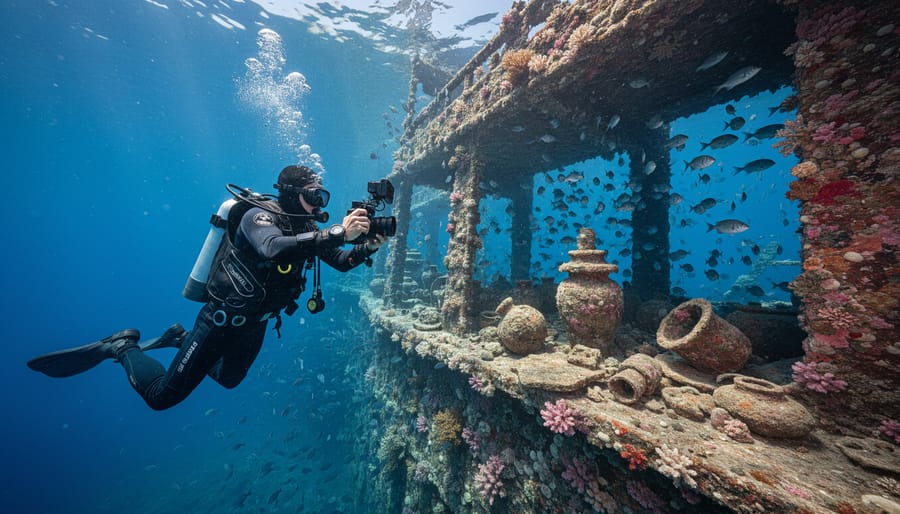
Ontario’s underwater landscape holds stories that few places on Earth can match. These silent shipwrecks aren’t just dive sites—they’re time capsules waiting beneath the waves, preserved in cold, clear water for you to discover. Whether you’re drawn to the ghostly remains of Great Lakes schooners or the dramatic steel hulks of steamers, each descent offers a connection to maritime history that photographs simply can’t capture.
The beauty of diving here is that you don’t need to travel to exotic destinations to experience world-class wreck diving. These underwater museums are right in your backyard, accessible and waiting. Remember, though, that with this incredible access comes responsibility. Take only photographs, leave only bubbles, and treat these sites with the respect they deserve.
So check your gear, plan your dive, and take the plunge. The wrecks of Ontario are calling—it’s time to answer. Your next great adventure lies just beneath the surface.










+ There are no comments
Add yours