
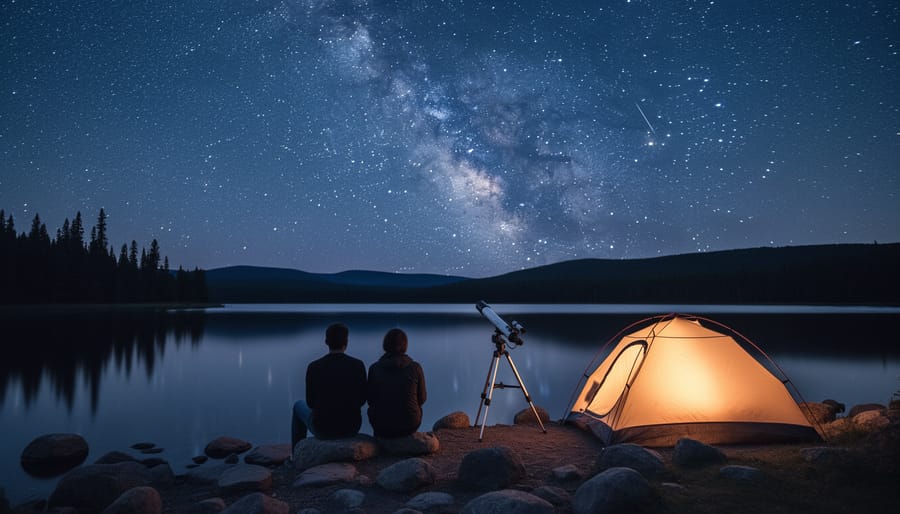
Yes, “stargazing” is one word—no hyphen, no space. Now that we’ve settled that, let’s talk about why you’re really here: experiencing the magic of Ontario’s night skies.
If you’ve been typing variations of this word into search bars, chances are you’re planning an astronomical adventure and want to get it right. You’re in luck. Ontario Parks offers some of the darkest, most spectacular skies in North America, where the Milky Way stretches overhead like a glowing river and meteor showers put on nature’s best light show.
Whether you’re a seasoned astronomer with a telescope or someone who simply wants to lie back on a blanket and identify the Big Dipper, Ontario’s parks deliver unforgettable night adventures in Ontario Parks. Many locations hold Dark Sky Preserve designations, meaning they’ve taken special measures to minimize light pollution and protect those pristine celestial views.
This guide covers everything from the best parks for astronomy to insider tips for your first stargazing trip. Pack your curiosity and prepare to reconnect with the cosmos—Ontario’s night sky is waiting.
Why the Spelling Matters (More Than You Think)
Here’s the thing: compound words are like stellar collisions in the English language. When two words spend enough time together—like “star” and “gazing”—they eventually merge into one. It’s not just arbitrary; it reflects how we think about the activity as a single, unified experience rather than two separate actions.
Why does this matter for your Ontario Parks adventure? Well, if you’re typing “star gazing” (two words) into a search engine, you might miss out on prime resources, event listings, and park programs that use the correct spelling. Many official park websites and astronomy program databases index their content using “stargazing” as one word, so getting the spelling right could be the difference between discovering that perfect Dark Sky Preserve event and scrolling past it.
Think of it this way: when you’re planning a trip to one of Ontario’s incredible parks for a night under the stars, you want every advantage. Using the correct term helps you tap into astronomy clubs, guided night hikes, telescope workshops, and those special stargazing weekends that parks host throughout the year. It’s a small detail that opens up a whole universe of opportunities.
Plus, knowing it’s one word makes you sound like a seasoned astronomer when you’re chatting with park rangers or fellow night sky enthusiasts around the campfire. And who doesn’t want that?

Ontario’s Best Parks for Stargazing Adventures
Killarney Provincial Park
Killarney Provincial Park offers some of the most spectacular stargazing in Ontario, thanks to its remote location on the shores of Georgian Bay. The park’s rugged pink granite ridges and crystal-clear lakes create a stunning backdrop for nighttime astronomy adventures. While Killarney doesn’t have official Dark Sky Preserve status yet, its distance from major cities means you’ll experience remarkably dark skies with minimal light pollution.
For the best views, head to George Lake Campground or hike up to one of the stunning lookouts along the La Cloche Silhouette Trail during the day, then return after sunset (though always prioritize safety on trails at night). The granite barrens near the parking areas also provide excellent open-sky viewing without venturing far from your vehicle.
Here’s an insider tip: September and October offer ideal stargazing conditions when the skies are clearest and the bugs have disappeared. Bring a red-light headlamp to preserve your night vision while navigating, and pack extra layers since temperatures drop quickly after dark near the water.
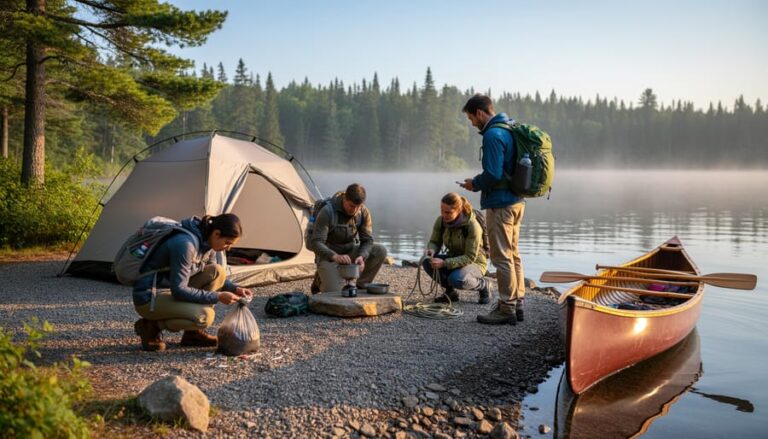
Consider combining your stargazing trip with a canoe expedition to one of Killarney’s backcountry sites. Imagine paddling across a glassy lake under the Milky Way—it’s an unforgettable eco-friendly experience that connects you deeply with Ontario’s wilderness.
Bruce Peninsula National Park
Perched on the rugged shores of Lake Huron, Bruce Peninsula National Park offers some of Ontario’s most spectacular stargazing experiences. The Cyprus Lake area serves as the park’s premier viewing location, where the darkness is so profound you’ll feel like you’ve stepped into another world. I’ll never forget my first visit—the Milky Way stretched across the sky like a cosmic river, and I could actually see the separation between its luminous bands.
The park runs seasonal astronomy programs led by knowledgeable interpreters who help visitors identify constellations and planets. These evening sessions typically happen at the Cyprus Lake campground amphitheater, where you can learn about the night sky while sitting on weathered logs under a blanket of stars. Programs usually run from late spring through early fall, though schedule details change yearly, so check ahead.
What makes stargazing here particularly special is the park’s commitment to protecting the natural nightscape. They’ve implemented eco-friendly practices like shielded lighting near facilities and designated dark zones. When you visit, remember to bring a red-light flashlight to preserve your night vision and help maintain the darkness for fellow stargazers. The rocky shoreline near Cyprus Lake offers comfortable flat spots for laying out blankets, and the gentle lapping of waves adds a meditative soundtrack to your celestial observations.
Torrance Barrens Dark-Sky Preserve
Located just two hours north of Toronto in Muskoka, Torrance Barrens Dark-Sky Preserve holds the distinction of being Canada’s first permanent dark-sky area, established back in 1999. This unique landscape of exposed rock and scattered trees creates the perfect conditions for an unforgettable night under the stars—and yes, you’ll definitely be “stargazing” (one word!) here!
What makes Torrance Barrens special is its accessibility. You don’t need fancy equipment or an astronomy degree to enjoy the experience. The preserve features easily navigable trails, and the open barrens provide natural viewing platforms where you can simply spread out a blanket and look up. On clear nights, the Milky Way stretches across the sky like a luminous river, and you might spot satellites drifting by or catch a meteor shower during peak seasons.
The local astronomy community regularly hosts public events here, including telescope viewing sessions where friendly volunteers help identify constellations and planets. These gatherings create a wonderful sense of connection with fellow sky-watchers. Insider tip: bring warm layers even in summer—those granite rocks get surprisingly chilly at night—and a red flashlight to preserve your night vision. The preserve practices Leave No Trace principles, so pack out everything you bring in to help protect this pristine stargazing sanctuary.
Lake Superior Provincial Park
If you’re serious about experiencing true darkness and spectacular night skies, Lake Superior Provincial Park deserves a spot on your stargazing bucket list. Located along the rugged northeastern shore of Lake Superior, this remote wilderness park offers some of the darkest skies in southern Ontario—a genuine treat for anyone who’s spent their evenings squinting at stars through city haze.
The park’s backcountry campsites provide the ultimate overnight astronomy experience. Imagine settling into your tent after sunset, then emerging to find the Milky Way stretched gloriously overhead like a cosmic river. The Agawa Bay Campground is particularly popular with stargazers, offering easier access while still maintaining impressively low light pollution.
Here’s an insider tip: visit during the new moon phase for maximum darkness and star visibility. Pack a red-filtered flashlight to preserve your night vision while navigating around camp, and bring a constellation app to help identify what you’re seeing overhead.
The park’s remote location means you’ll need to be self-sufficient. Stock up on supplies in Wawa before heading in, and remember that cell service is virtually non-existent—which honestly adds to the magic of disconnecting under those incredible stars. Fall offers particularly crisp, clear viewing conditions, though you’ll want warm layers for those chilly lakeside nights.
What to Expect at Ontario Parks Astronomy Nights
Ontario Parks Astronomy Nights offer some of the most magical nighttime activities you’ll find in the province, and they’re designed to be welcoming for everyone, from curious beginners to seasoned sky watchers.
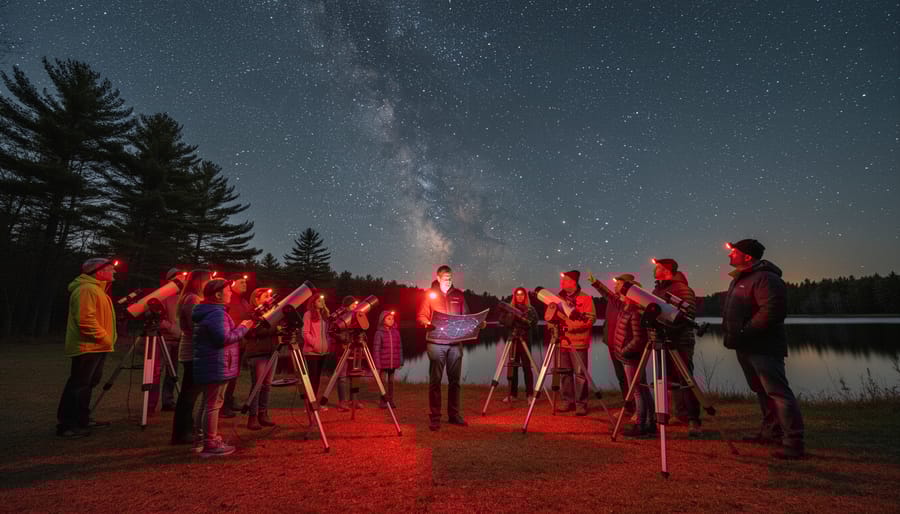
Most astronomy events kick off just after sunset, typically running for two to three hours. You’ll usually find park naturalists or volunteer astronomers setting up telescopes in designated dark sky viewing areas. The programming often starts with an indoor presentation covering what you’ll see that evening—whether it’s planet alignments, meteor showers, or deep sky objects like nebulae and galaxies. Then comes the exciting part: heading outside for guided telescope viewing and constellation tours using laser pointers to trace patterns across the sky.
What’s particularly wonderful is that Ontario Parks provides the heavy equipment. Professional-grade telescopes, binoculars, and knowledgeable guides are all included in your programming fee or park admission. That said, bring your own binoculars if you have them—there’s often a queue for the big telescopes, and having your own equipment means more viewing time.
Here’s what you should pack: dress warmer than you think necessary, even in summer. Nights get chilly, and you’ll be standing still for extended periods. Red flashlights are gold—they preserve your night vision while helping you navigate. If you don’t have one, cover a regular flashlight with red cellophane. Bug spray is essential during warmer months, and a blanket or lawn chair makes the experience more comfortable during constellation talks.
I attended an event at Killarney Provincial Park last August, and watching Jupiter’s moons through the telescope felt absolutely surreal. The naturalist explained how Galileo discovered these same moons centuries ago, and suddenly history came alive. A family beside us spotted their first shooting star, and the kids’ excitement was contagious—everyone started cheering with them.
To find scheduled events, check the Ontario Parks website’s event calendar or contact individual parks directly. Popular events fill quickly, so book ahead. Some parks offer drop-in programs, but reserved spots guarantee you won’t miss out on these unforgettable experiences under Ontario’s stunning night skies.
Insider Tips for Your Stargazing Adventure
Best Times and Seasons to Visit
Timing is everything when you’re planning a stargazing adventure! The best viewing happens during new moon phases, when the sky is darkest—typically the week before and after a new moon. I always check moon calendars before booking my trips, and trust me, it makes a world of difference. Avoid full moon periods unless you’re specifically interested in lunar observation, as the bright moonlight washes out fainter stars and celestial objects.
Summer months from June through August offer warm, comfortable evenings perfect for extended viewing sessions, though you’ll want insect repellent as an insider tip. However, winter stargazing from December to February provides the clearest, crispest skies with less atmospheric moisture. Bundle up in layers, and you’ll be rewarded with stunning views of Orion and other winter constellations.
Mark your calendar for annual celestial events like the Perseid meteor shower in mid-August or the Geminids in December—these spectacular displays light up Ontario’s dark skies with dozens of shooting stars per hour. Many Ontario Parks host special astronomy events during these peak periods, combining expert guidance with nature’s best light show.
What to Bring (And What to Leave Behind)
Packing smart makes all the difference between a magical night under the stars and a cold, fumbling experience. Start with layers—even summer evenings turn chilly after sunset. Bring a warm fleece, windbreaker, and comfortable pants. Skip the white or light-colored clothing that attracts mosquitoes and opt for darker, earth-toned fabrics instead.
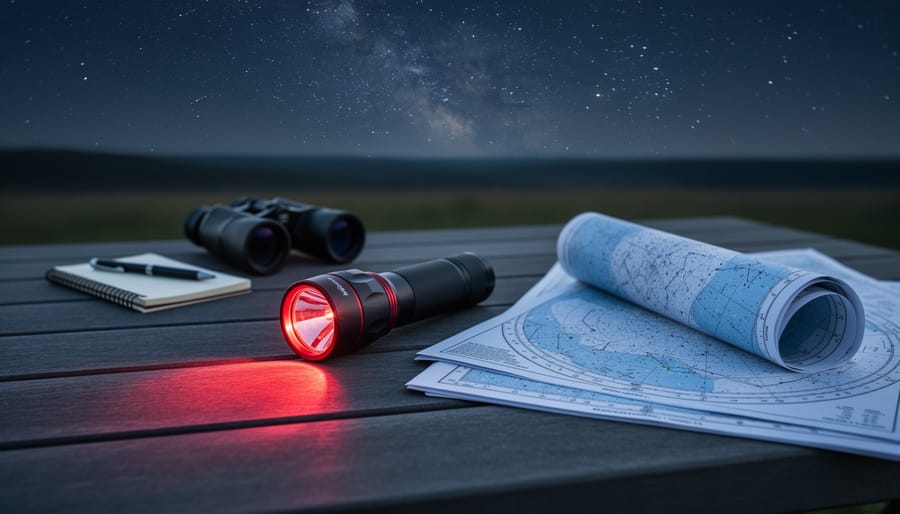
A red-filtered flashlight is your best friend during stargazing adventures. Regular white lights ruin night vision for everyone around you, but red light preserves those carefully adjusted eyes. You can buy specialized astronomy flashlights or simply cover your regular flashlight with red cellophane secured with an elastic band. Pro tip: download a stargazing app before you arrive, as cell service can be spotty.
Essential items include a blanket or reclining chair (trust me, your neck will thank you), bug spray, water, and snacks for those extended viewing sessions. If you’re into nocturnal photography, bring your tripod and camera with manual settings.
Leave behind anything with bright screens or lights. That includes those trendy headlamps with blue LEDs. Also skip the campfire smoke and strong perfumes that can interfere with the experience. Choose reusable water bottles over disposables, and pack out everything you bring in. Ontario’s dark sky preserves depend on visitors respecting both the night environment and fellow stargazers, so mindful packing helps protect these incredible spaces for everyone.
So, is stargazing one word? Absolutely—and now that we’ve settled that linguistic mystery, there’s only one question left: when are you going to experience it for yourself?
Whether you’re a seasoned astronomer with a telescope collection or someone who just wants to lie on a blanket and say “wow” a lot, Ontario Parks has a spot with your name written in the stars. From the legendary dark skies of Killarney to the welcoming programs at parks across the province, you’ll find experiences that range from casual evening strolls to serious constellation-hunting adventures.
Here’s an insider tip: pack a red flashlight to preserve your night vision, bring extra layers (it gets chilly after sunset even in summer), and don’t forget a thermos of hot chocolate. Your future self will thank you around hour two of your cosmic adventure.
The universe puts on the same show every night, but most of us are too busy to notice. Ontario Parks makes it easy to pause, look up, and remember just how breathtakingly small and wonderfully connected we all are. Book your stargazing adventure today—the Milky Way is waiting.








+ There are no comments
Add yours