

Picture this: You’re standing at the edge of Algonquin Park at dawn, your canoe loaded with gear you’ve never used before, staring at a map that might as well be written in hieroglyphics. Or maybe you’ve dreamed of a multi-day fishing expedition in Northern Ontario but have no idea how to navigate remote waterways, set up wilderness camps, or even what equipment you’ll need beyond a rod and reel.
This is exactly where custom outfitters transform overwhelming outdoor dreams into achievable adventures.
Unlike your typical outdoor retailer who simply sells you gear and wishes you luck, a custom outfitter becomes your personal guide to Ontario’s vast wilderness. These specialized businesses don’t just rent you a kayak or point you toward a trailhead. They design complete outdoor experiences tailored to your skill level, interests, and comfort zone. Think of them as the difference between buying ingredients at a grocery store and having a chef prepare a personalized meal while teaching you their techniques.
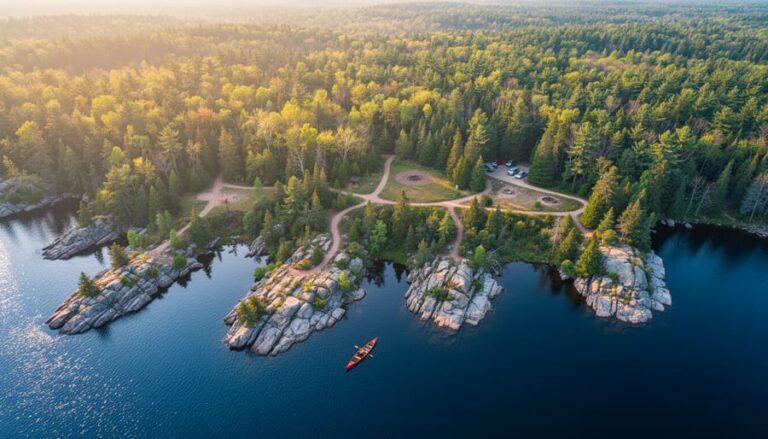
In Ontario, where you can explore everything from the rugged granite shores of Lake Superior to the peaceful waterways of Kawartha Lakes, custom outfitters possess invaluable local knowledge. They know which backcountry lakes still have ice in May, where moose congregate in September, and which portage routes accommodate families with young children. They’ll equip you with quality gear, provide route planning based on weather patterns, arrange permits, and often include guided portions to build your confidence.
Whether you’re a first-time camper or an experienced paddler tackling new territory, custom outfitters remove the guesswork from wilderness exploration.
What Exactly Does a Custom Outfitter Do?
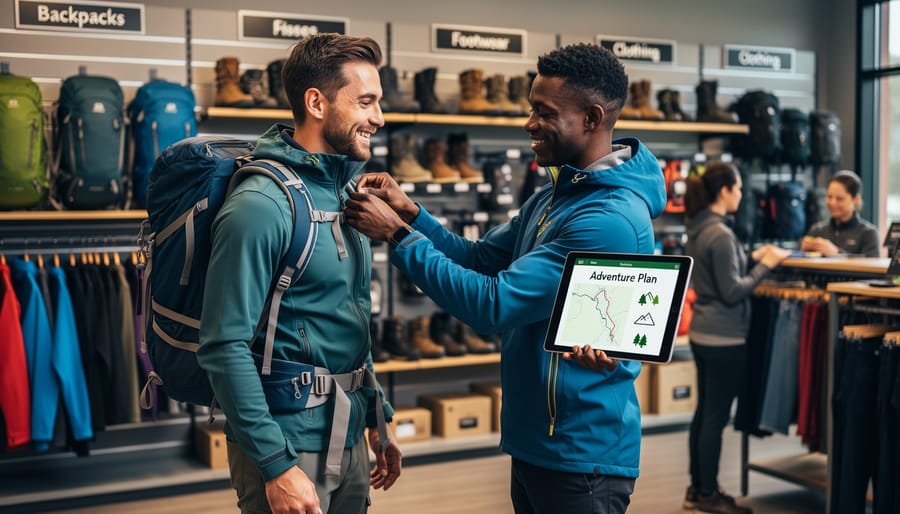
Beyond Off-the-Rack: The Personal Touch
Here’s where the magic happens. When you walk into a custom outfitter, forget about grabbing items off shelves and hoping they’ll work. Instead, you’re getting the full treatment.
Your outfitter starts with a detailed body assessment – and I’m talking way beyond chest and waist measurements. They’ll check your torso length for backpack fit, measure your stride for boot selection, and even assess how you naturally carry weight. I remember watching an outfitter discover that my hiking partner had one shoulder slightly higher than the other, which explained years of pack discomfort.
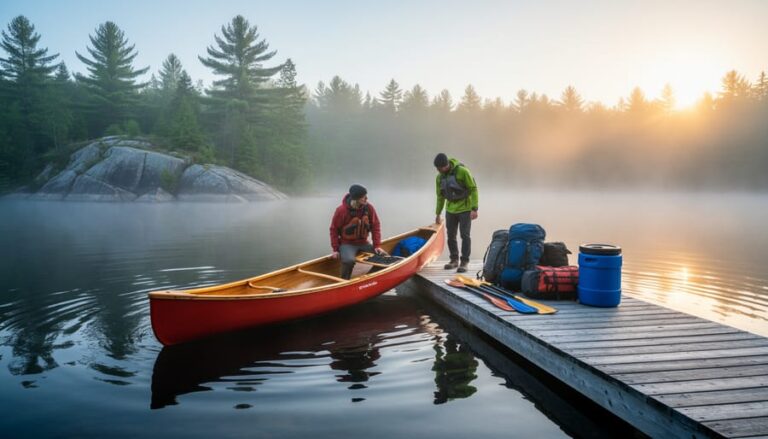
Next comes the activity deep-dive. Planning a three-day canoe trip in Algonquin? They’ll ask about portage distances, camping style, and even what you typically pack for meals. Heading out for winter camping? Expect questions about your cold tolerance, activity level, and shelter preferences. This isn’t small talk – every answer shapes their recommendations.
The personal preference consultation ties it together. Maybe you run hot and need extra ventilation in your rain gear. Perhaps you’re particular about pocket placement or hate drawstring closures. A quality custom outfitter takes notes, remembers your quirks, and suggests gear that matches not just your body, but your personality and adventure style too.
Modifications That Make the Difference
Here’s where custom outfitters truly shine. Let’s say you’re planning a multi-day canoe trip through Algonquin’s backcountry. A custom outfitter might adjust your backpack’s harness system to account for your height and torso length, preventing those nagging shoulder aches that can ruin day three. They’ll examine your hiking boots and recommend specific insole modifications or lacing techniques that prevent blisters on Ontario’s rocky portages.
Tent modifications are another game-changer. For spring bug season, outfitters might add extra mesh panels or vestibule configurations that work better with Ontario’s unpredictable weather patterns. One outfitter I know swears by teaching clients a custom guy-line setup that handles our sudden thunderstorms without midnight adjustments.
Layering systems get particularly personalized attention. Rather than generic advice, custom outfitters configure your clothing based on your specific metabolism and the season you’re exploring. They might suggest swapping that heavy fleece for a lighter synthetic layer if you run warm, or adding a specific wind shirt for exposed Lake Superior coastal routes.
The beauty is that many of these modifications work seamlessly with seasonal equipment rentals, allowing you to test customized setups before committing to purchases.
Why Ontario’s Wilderness Demands Gear That Actually Fits
The Four-Season Challenge
If you’ve experienced an Ontario winter, you know the challenge: it’s -25°C in January, then suddenly you’re sweating through a surprise warm spell in March. Come July, you’re facing 35°C with humidity that feels like a sauna, and by October, you need three different jackets in one day. This dramatic temperature swing – we’re talking a potential 60-degree difference between seasons – makes outfitting yourself tricky.
Here’s where custom outfitters shine. Instead of buying separate gear for each season and cluttering your closet, a good outfitter helps you build a versatile layering system that adapts. They’ll recommend base layers that wick moisture in summer and insulate in winter, mid-layers you can add or remove, and outer shells that protect against both freezing rain and spring downpours.
I learned this the hard way during a November canoe trip when unseasonably cold weather hit. My generic outdoor jacket couldn’t cut it. A custom outfitter later showed me how properly fitted, season-spanning pieces work together like building blocks – each serving multiple purposes throughout the year. It’s not about owning more gear; it’s about owning the right gear that actually works when Ontario’s weather throws you a curveball.
Terrain-Specific Fitting Needs
Ontario’s diverse landscapes demand vastly different gear strategies, and this is where a custom outfitter truly shines. I learned this the hard way during my first backcountry trip when I brought heavy hiking boots perfect for rocky trails but absolutely miserable for portaging between lakes.
The Canadian Shield country, with its granite outcrops and rugged terrain, calls for durable footwear with excellent ankle support and aggressive tread. Your custom outfitter will prioritize puncture-resistant gear, reinforced pack bottoms, and equipment that can handle scrambling over rocks. They might suggest specialized padding for canoe yokes since those portages over Shield terrain can be brutal on your shoulders.
Head into Ontario’s mixed forests, and the focus shifts. Here, you’re dealing with variable conditions, dense undergrowth, and changing elevation. A good outfitter will balance weight considerations with versatility, recommending convertible gear that adapts to shifting weather patterns. Think layers that work from morning mist to afternoon sun.
Waterway-focused adventures require entirely different customization. Your outfitter will emphasize waterproof systems, not just water-resistant ones. They’ll ensure your gear has proper buoyancy considerations and suggest organizing systems that keep essentials accessible while paddling.
The insider tip? A knowledgeable custom outfitter asks exactly where you’re headed before making any recommendations. If they’re suggesting the same setup for Algonquin’s lakes as for the Bruce Trail’s cliffs, keep shopping. Ontario’s terrain diversity deserves personalized expertise.

Who Benefits Most from Custom Gear Fitting?

First-Timers and Beginners
Starting your outdoor journey can feel overwhelming when you’re staring at rows of gear with unfamiliar names and price tags that make your wallet nervous. This is where custom outfitters become your secret weapon. They prevent those costly beginner mistakes—like buying boots that cause blisters on day two or a sleeping bag rated for summer when you’re planning a fall trip.
A good custom outfitter in Ontario will sit down with you, ask about your actual plans (not just sell you the most expensive options), and match gear to your comfort level. They’ll explain why that backpack needs proper hip support, not just shoulder straps, and they might even suggest renting gear initially to test what works before investing hundreds of dollars.
Insider tip: Most outfitters offer free fittings even if you’re just browsing. Use this! Learning how equipment should actually feel on your body builds confidence faster than any YouTube video.
Multi-Day Adventurers
When you’re paddling Temagami’s waterways for five days or shouldering a 40-pound pack through Killarney’s backcountry, every ounce and pressure point matters. Multi-day adventurers know that minor discomforts on day one become major problems by day three. This is where custom outfitters truly shine. A professionally fitted backpack distributes weight precisely across your hips and shoulders, preventing the hot spots and numbness that plague off-the-rack gear. Similarly, custom-fitted canoe packs and barrel harnesses designed for your body type transform portages from torture sessions into manageable transitions between lakes.
Here’s an insider tip: bring your actual gear list to your fitting appointment. A custom outfitter can adjust your pack’s capacity and pocket placement based on whether you’re carrying a bear canister for Algonquin or ultralight equipment for the Centennial Ridges. Many experienced paddlers also invest in custom-molded canoe seats, which might seem extravagant until you’ve spent eight hours on Georgian Bay’s swells. The eco-friendly bonus? Properly fitted gear lasts longer because it experiences less stress and wear, meaning fewer replacements over your outdoor lifetime.
Unique Needs, Perfect Solutions
Custom outfitters shine when off-the-rack just won’t cut it. Whether you’re a tall paddler who needs extended paddle shafts, a senior seeking lighter-weight gear, or someone with specialized requirements for adaptive equipment, these pros have solutions. I’ve watched outfitters transform trips for families with young kids by sourcing child-sized life jackets that actually fit properly, and outfit backcountry adventurers with custom-fitted backpacks that prevent shoulder strain on long portages. They understand that one-size-fits-all rarely works in the wilderness. From adjusting tent configurations for mobility needs to recommending cold-weather gear for different body types, custom outfitters ensure everyone can safely enjoy Ontario’s outdoors regardless of age, ability, or body shape.
What to Expect During Your Fitting Experience
The Initial Consultation
Walking into your first consultation with a custom outfitter feels a bit like meeting a personal trainer for the outdoors. They’ll start by asking about your experience level, planned destinations, and the type of adventures you’re dreaming about. Are you tackling the Bruce Trail for a week? Planning a remote canoe trip in Algonquin? Chasing northern lights in winter? Each scenario demands different gear.
Expect questions about your physical fitness, any medical considerations, and previous outdoor mishaps. Don’t feel embarrassed sharing that time you forgot a waterproof bag or struggled with ill-fitting boots. These stories help outfitters understand exactly what you need.
Here’s an insider tip: bring photos of gear you already own, even if it’s just your dad’s old camping equipment. This prevents duplicate purchases and helps identify gaps in your setup. Also, jot down your budget range beforehand. Quality outfitters respect financial limits and can prioritize essentials versus nice-to-haves.
Come prepared with your trip dates and honest questions. No question is too basic. Remember, these experts would rather spend thirty minutes getting it right than have you stuck in the backcountry with unsuitable equipment.
Testing and Adjusting
This is where the magic happens. Your custom outfitter will have you try on gear in various combinations, checking how everything moves and fits together. Picture yourself actually crouching down, reaching overhead, and simulating the motions you’ll make on the trail. A good outfitter pays attention to pressure points, uncomfortable bunching, and how layers interact when you’re moving naturally.
Here’s what I love about this process: they’ll often catch issues you’d never notice in a store mirror. Maybe that backpack rides perfectly when you’re standing still but shifts awkwardly when you bend forward. Or those hiking boots feel great until you walk downhill and your toes start jamming forward. Your outfitter will make real-time adjustments, swapping out components, tweaking straps, or suggesting different sizes.
Insider tip: don’t be shy about speaking up if something feels off, even slightly. That minor annoyance in the fitting room becomes a major problem after eight kilometres on the Bruce Trail. The goal is creating a complete system where every piece works harmoniously together. Your outfitter might adjust pack weight distribution, recommend different sock combinations, or modify how you layer clothing. This collaborative fine-tuning ensures you’ll head into Ontario’s wilderness feeling confident and comfortable, ready to focus on the adventure rather than fighting with your gear.
The Eco-Friendly Side of Custom Fitting
Here’s something I learned during a rainy camping trip in Algonquin Park: my friend’s brand-new, mass-produced rain jacket split at the seams after just two days, while my custom-fitted shell from a local outfitter was still going strong after five seasons. That moment really drove home the environmental impact of our gear choices.
When you invest in properly fitted, customized equipment from a knowledgeable outfitter, you’re making a surprisingly green choice. Think about it – gear that actually fits your body and meets your specific needs doesn’t end up languishing in your closet or heading to the landfill after one disappointing adventure. A custom-fitted backpack that distributes weight correctly won’t leave you with sore shoulders, meaning you’ll actually want to use it again and again.
Many custom outfitters in Ontario have built their reputation on quality over quantity. They’d rather sell you one exceptional piece that’ll last a decade than three mediocre items that fail within a year. I’ve noticed this philosophy extends to their repair and modification services too. Got a beloved jacket with a broken zipper? They’ll fix it. Need your pack’s straps adjusted after years of use? They’ve got you covered.
This approach creates less waste and keeps perfectly good gear in circulation longer. One outfitter I know in Muskoka actually tracks how many items they’ve repaired versus sold new – and they’re proud to say repairs often win.
For eco-conscious travelers exploring Ontario’s wilderness, this matters. You’re not just getting equipment tailored to your adventures; you’re participating in a more sustainable outdoor culture. The bonus? Quality gear performs better when you’re navigating the rugged Canadian Shield or paddling through Quetico’s backcountry, making your outdoor experiences safer and more enjoyable.
Making the Most of Your Investment
Your custom-fitted gear represents a real investment in your outdoor adventures, so treating it well ensures you’ll enjoy it for years to come. After each trip, take time to clean and dry your equipment properly—mud-caked boots and damp backpacks left in the garage quickly lose their performance edge. Your outfitter likely shared specific care instructions during your fitting, so keep those notes handy.
Here’s an insider tip: schedule a seasonal check-up with your outfitter, especially before major trips. I learned this the hard way when my perfectly fitted backpack started causing shoulder pain during a Killarney canoe trip. Turns out I’d gained muscle mass from summer paddling, and a simple adjustment restored that custom comfort. Most outfitters offer complimentary tweaks within the first year.
Don’t hesitate to return when your needs evolve. Training for longer distances? Expecting a baby and need different load distribution? Recovering from an injury? Your body and adventures change, and your gear should adapt too. Building this ongoing relationship means your outfitter becomes familiar with your patterns and can proactively suggest updates.
If you’re not ready to purchase everything at once, explore equipment rental options to test items before committing. Many outfitters will credit rental fees toward future purchases, letting you gradually build your custom collection while ensuring each piece truly earns its place in your outdoor life. This approach is both budget-friendly and eco-conscious, reducing gear waste from impulse purchases.
Remember that chilly morning we started with? The one where your borrowed boots pinched, your pack dug into your shoulders, and you wondered if you’d made a terrible mistake? Now imagine a different version of that story.
This time, you’re standing at the same trailhead in Algonquin, but everything feels different. Your boots fit like they were made for your feet—because they practically were, heat-molded and adjusted by someone who knows the terrain. Your pack distributes weight so naturally you barely notice it’s there. Your rain jacket actually keeps you dry without feeling like a sauna. You’re not thinking about your gear at all. You’re thinking about the loon calls echoing across the lake, the smell of pine after rain, the way morning mist rises off the water.
That’s the transformation a custom outfitter creates. It’s not just about buying better stuff—it’s about having someone who genuinely cares about your comfort match you with gear that disappears into your adventure instead of dominating it.
Before your next Ontario outdoor trip, whether it’s a weekend in Killarney or a multi-day paddle through Temagami, consider visiting a custom outfitter. Spend an hour with someone who’ll actually listen to your plans, understand your concerns, and help you find solutions that work for your body and your budget. Think of it as an investment in countless future memories you’ll actually enjoy making.
Ontario’s wilderness is calling. Answer it with gear that lets you focus on what matters—the experience itself.


+ There are no comments
Add yours