

Nestled in the heart of Ontario’s rugged landscape, Seven Oaks Trail stands as one of Ontario’s best park trails, offering hikers a remarkable 4.2-kilometer journey through diverse ecosystems and stunning geological formations. This moderate-difficulty loop trail transforms with each season, from spring wildflower displays to vibrant fall colors, making it a year-round destination for nature enthusiasts and photographers alike. Just 45 minutes from downtown Toronto, Seven Oaks presents the perfect escape for both seasoned hikers and families seeking adventure, with its well-maintained pathways, strategic rest points, and interpretive signage that brings the local flora and fauna to life. Whether you’re tracking wildlife in the early morning mist or catching golden hour views from the trail’s elevated lookout points, Seven Oaks delivers an authentic Ontario wilderness experience without venturing far from urban conveniences.
Trail Overview and Key Features

Trail Statistics at a Glance
Trail Length: 2.5 kilometers (loop trail)
Difficulty Level: Moderate
Average Time: 1-1.5 hours
Elevation Gain: 85 meters
Trail Type: Natural surface, mixed terrain
Best Seasons: Spring through Fall
Key Features:
• Well-marked trail blazes
• Multiple scenic lookout points
• Natural stone steps
• Forest canopy coverage: 80%
• Wooden boardwalks in wet areas
• Parking capacity: 25 vehicles
Trail Conditions:
• Some steep sections
• Variable terrain (packed earth, rocks)
• Can be slippery after rain
• Winter access possible but challenging
• Dogs allowed on leash
• Not wheelchair accessible
Remember to bring water and wear appropriate footwear, as some sections can be challenging for inexperienced hikers.
Difficulty and Accessibility
The 7 Oaks Trail offers a moderate hiking experience suitable for most skill levels, making it an excellent choice for both casual walkers and seasoned hikers. The trail features a mix of terrain, with some gentle slopes and occasional steeper sections that add just enough challenge to keep things interesting.
Most of the path is well-maintained with packed earth and some wooden boardwalks, though you’ll encounter a few rocky patches that require careful footing, especially after rain. The trail width comfortably allows for two people to walk side by side in most sections.
While wheelchair access is limited due to the natural terrain and occasional steep grades, the first kilometer of the trail is relatively flat and more accessible. Families with young children can easily manage the main loop, though some of the side trails might be more challenging for little legs.
For the best experience, wear sturdy hiking shoes and bring walking poles if you prefer extra stability. The trail can be slightly slippery during wet conditions or in early spring when the ground thaws. Winter hiking is possible but requires appropriate footwear with good grip.
Natural Highlights
Flora and Fauna
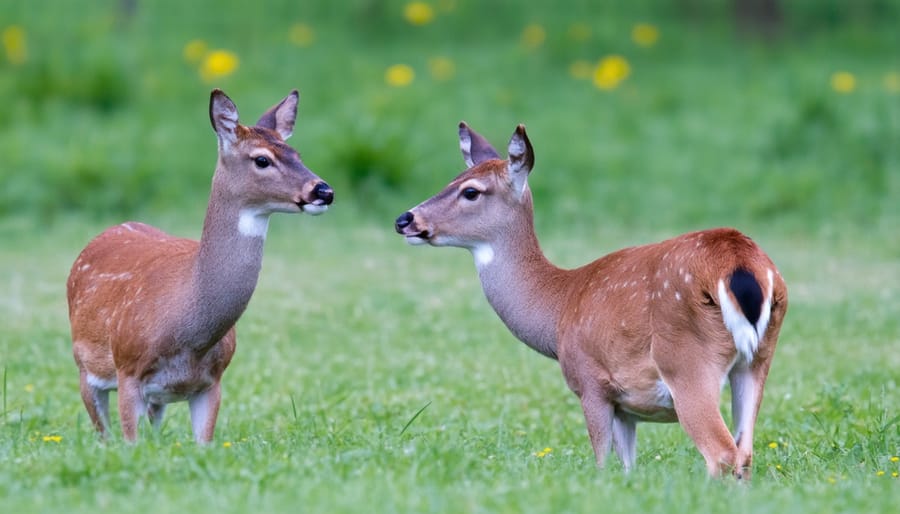
The 7 Oaks Trail offers exceptional wildlife viewing opportunities throughout the seasons. In spring and summer, hikers commonly spot white-tailed deer grazing in the meadows and eastern chipmunks scurrying across the path. The trail’s diverse ecosystem supports a variety of bird species, including chickadees, nuthatches, and the occasional red-tailed hawk soaring overhead.
The trail’s vegetation is equally impressive, featuring a mix of mature sugar maples, red oaks, and white pines that provide welcome shade during warmer months. In spring, the forest floor comes alive with trilliums, Ontario’s provincial flower, and delicate wild violets. Summer brings clusters of wild raspberries along sunny sections, while fall transforms the landscape into a spectacular display of red, orange, and gold foliage.
Keep your eyes peeled for interesting fungi growing on fallen logs and listen for the distinctive call of wood frogs near wet areas. Remember to maintain a respectful distance from wildlife and avoid picking plants to help preserve this beautiful natural environment for future visitors.
Scenic Viewpoints
The 7 Oaks Trail offers several breathtaking viewpoints that showcase the best of Ontario’s natural landscape. The most spectacular vista awaits at Eagle’s Perch, roughly halfway along the trail, where hikers can enjoy panoramic views of the surrounding valley and catch glimpses of local wildlife soaring overhead.
Another must-stop spot is Maple Ridge Lookout, particularly stunning during fall when the forest canopy transforms into a brilliant display of reds and golds. This elevated platform provides clear views of the winding Credit River below and is perfect for both photography and peaceful contemplation.
Don’t miss the Ancient Cedar Point, where a natural clearing offers unobstructed views of some of the oldest trees in the area. This spot is especially magical during early morning hours when mist often settles in the valley below.
For the best photo opportunities, visit during golden hour – either just after sunrise or before sunset. The Riverside Rest Stop, with its unique rock formations and gentle rapids, creates excellent opportunities for both landscape and macro photography.
Pro tip: Pack a lightweight tripod for stunning long-exposure shots of the flowing water, especially at Dawn’s Corner near the trail’s eastern entrance.
Best Times to Visit
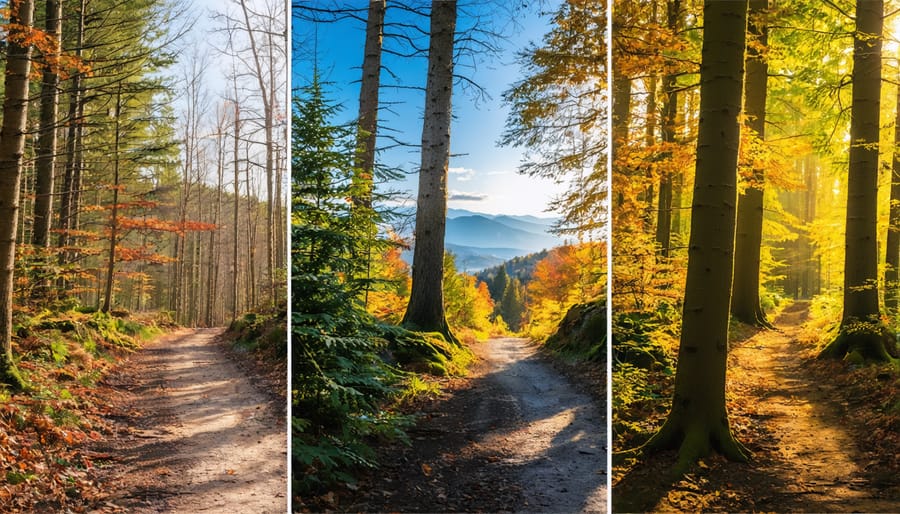
Seven Oaks Trail offers unique experiences throughout the year, making it a versatile destination for outdoor enthusiasts. Spring (April to May) brings a spectacular display of trilliums and other wildflowers, carpeting the forest floor in vibrant colors. The moderate temperatures during this season create perfect hiking conditions, though be prepared for occasional muddy patches from spring thaw.
Summer months (June to August) provide full shade coverage thanks to the mature oak canopy, offering a refreshing escape during hot days. Early mornings are ideal for spotting local wildlife and avoiding peak afternoon heat. For photographers, the golden hour just after sunrise creates magical lighting through the trees.
Fall (September to October) transforms the trail into a canvas of warm autumn colors, with red maples and golden oaks creating a stunning backdrop. This season tends to be less crowded, allowing for a more peaceful experience. The crisp air and crunching leaves underfoot make it particularly enjoyable for hiking.
Don’t dismiss winter (December to March), as the trail becomes a serene wonderland perfect for winter hiking adventures. The bare trees reveal hidden views and animal tracks in the snow tell stories of woodland inhabitants.
Pro tip: Visit on weekday mornings for the most solitary experience, especially during peak fall colors. Always check weather conditions before heading out, and bring appropriate gear for the season.
Practical Tips and Preparation
What to Bring
Before hitting the 7 Oaks trail, make sure you’re well-prepared with essential gear. A sturdy pair of hiking boots is a must, as the terrain can be uneven and sometimes muddy, especially after rainfall. Pack plenty of water – we recommend at least 2 liters per person for the full trail experience.
Don’t forget your daypack essentials: trail snacks, a basic first aid kit, and sunscreen. Bug spray is crucial during warmer months (May to September), and hiking poles can be helpful for steeper sections. A light rain jacket is wise even on sunny days, as Ontario weather can be unpredictable.
For photography enthusiasts, bring your camera – the trail offers countless photo opportunities, especially during fall colors. Consider packing binoculars for wildlife spotting, as the area is home to various bird species and small mammals.
Pro tip: Pack a small garbage bag for any trash and bring a detailed trail map or download an offline version on your phone. While the trail is well-marked, it’s always better to have backup navigation. During winter months, add microspikes or crampons to your gear list for added safety on icy sections.
Safety Considerations
While 7 Oaks Trail is a relatively gentle path, staying safe should always be your top priority. Always check the weather forecast before heading out and dress appropriately for the conditions. During spring and fall, the trail can get muddy and slippery, so proper hiking boots are essential.
Bring plenty of water, especially during summer months, and pack some trail snacks. While cell phone coverage is generally good along the trail, it’s wise to let someone know your hiking plans. Bug spray is recommended from late spring through early fall, and don’t forget sunscreen year-round.
Watch out for poison ivy along some sections of the trail, particularly in the wooded areas. Though wildlife encounters are rare, you might spot coyotes or deer – maintain a safe distance and never feed wild animals.
In case of emergency, the nearest medical facility is about 15 minutes away by car. Consider hiking with a basic first aid kit, and if you’re new to hiking, the buddy system is always recommended. During winter, parts of the trail may be icy, so traction devices for your boots might be necessary.
The 7 Oaks Trail stands as a testament to Ontario’s natural beauty and outdoor recreation opportunities. Whether you’re an experienced hiker or just beginning your trail adventures, this gem offers something special for everyone. The diverse landscapes, abundant wildlife, and peaceful atmosphere make it a perfect escape from the bustle of everyday life.
Pack your hiking boots, bring plenty of water, and don’t forget your camera – you’ll want to capture the memorable moments along this enchanting path. Remember to practice Leave No Trace principles to help preserve the trail’s pristine condition for future generations of outdoor enthusiasts.
Consider visiting during different seasons to experience the trail’s changing character. Spring brings vibrant wildflowers, summer offers cool forest shade, fall explodes with dramatic colors, and winter transforms the landscape into a serene wonderland.
Your adventure on the 7 Oaks Trail awaits. Join the community of nature lovers who have discovered this special place, and create your own lasting memories along these well-loved paths. Happy trails!











+ There are no comments
Add yours