
Language breaks down barriers and builds bridges in our natural spaces. As part of our commitment to making nature accessible for everyone, Ontario Parks is transforming how visitors from all linguistic backgrounds experience our wilderness. From multilingual trail guides and information kiosks to real-time translation services and culturally informed programming, we’re creating an inclusive outdoor environment where every voice is heard and understood.
Recent initiatives have equipped our park staff with translation tools, developed signage in 12 commonly spoken languages, and launched a mobile app that provides instant access to essential park information in over 30 languages. This comprehensive approach ensures that language differences never stand between visitors and their ability to safely explore, learn about, and connect with Ontario’s natural heritage.
Whether you’re a first-time visitor or a seasoned nature enthusiast, our enhanced language accessibility services help create meaningful connections with the wilderness while preserving the authentic charm of our parks.
Current Language Services in Ontario Parks
Multi-language Information Centers
Ontario’s parks and natural areas feature welcoming information centers designed to serve visitors in multiple languages. These multilingual hubs are staffed by friendly park interpreters who collectively speak over 10 languages, ensuring everyone can fully appreciate our natural heritage.
At major parks like Algonquin and Killarney, visitor centers offer orientation materials, trail maps, and safety information in languages including French, Mandarin, Spanish, and German. Digital touchscreen kiosks allow visitors to select their preferred language, making essential park information instantly accessible.
Many centers also provide guided tours in different languages when booked in advance. During peak season, scheduled nature talks and educational programs are available in both English and French, with other language options possible through pre-arrangement.
For spontaneous visits, these centers maintain a network of volunteer translators who can be reached by phone to assist with specific queries. Multilingual staff wear badges indicating the languages they speak, making it easy for visitors to identify someone who can help in their preferred language.
Pro tip: Call ahead to check which languages are available during your planned visit, especially if you’re traveling with family members who prefer communicating in a specific language.
Digital Resources and Apps
Today’s technology makes exploring Ontario Parks easier than ever for visitors who speak different languages. The official Ontario Parks app includes basic information in multiple languages and features intuitive icons that transcend language barriers. You can download it for free before your visit to access trail maps, facility information, and safety guidelines.
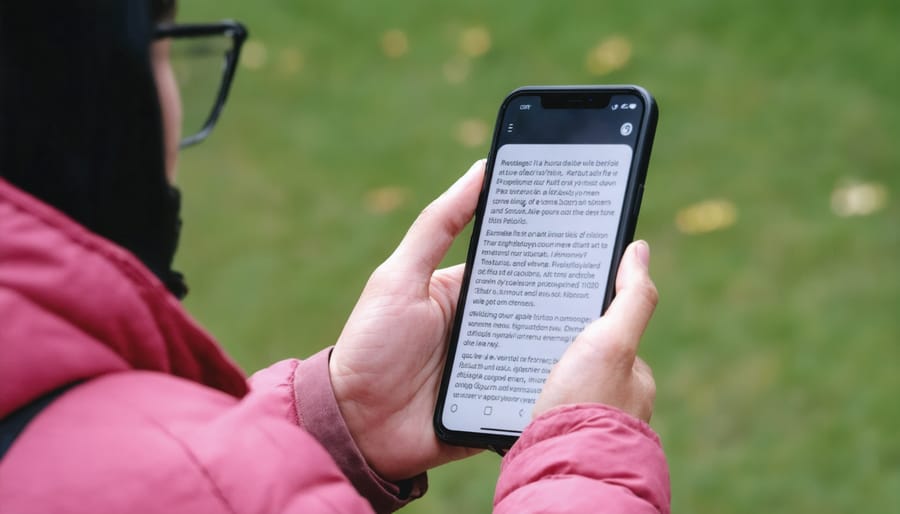
For real-time translation needs, apps like Google Translate and Microsoft Translator are invaluable companions. These apps offer offline language packs, which are especially useful in areas with limited cell service. Their camera features can instantly translate posted signs and information boards – just point your phone’s camera at the text!
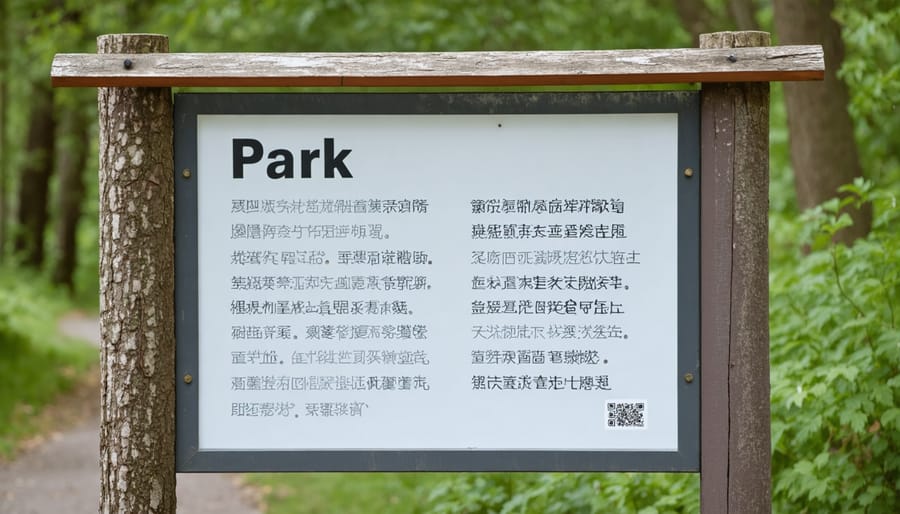
Several parks have also embraced QR codes on their interpretive signs, linking to multilingual audio guides and detailed information. The AllTrails app provides user-submitted trail descriptions in various languages, while iNaturalist helps identify plants and wildlife with its multilingual interface.
Pro tip: Download all necessary apps and language packs before your trip, as Wi-Fi access can be limited in park areas. Remember to keep your device charged – a portable power bank can be a lifesaver during longer visits.
Indigenous Language Integration
Traditional Place Names and Signage
Throughout Ontario’s parks and protected areas, you’ll increasingly find dual-language signs that honor both English and Indigenous place names. These thoughtful additions help preserve traditional knowledge and create meaningful connections to the land’s rich cultural heritage. At Petroglyphs Provincial Park, for instance, visitors encounter signs in both English and Anishinaabemowin, acknowledging the sacred nature of this ancient rock art site.
Many parks now feature interpretive panels that share the original Indigenous names for landmarks, plants, and wildlife alongside their English counterparts. This practice not only helps Indigenous visitors feel more welcome but also educates all park guests about the deep historical and cultural significance of these natural spaces.
Keep an eye out for bilingual trail markers and welcome signs in parks like Killarney, where traditional place names tell stories about the landscape’s features and history. These linguistic touches remind us that Ontario’s parklands have been home to Indigenous peoples for thousands of years before becoming recreational spaces.
For the best experience, take a moment to learn the pronunciation of traditional place names – park staff are always happy to help, and many visitor centers offer pronunciation guides and cultural information.
Indigenous-led Programs
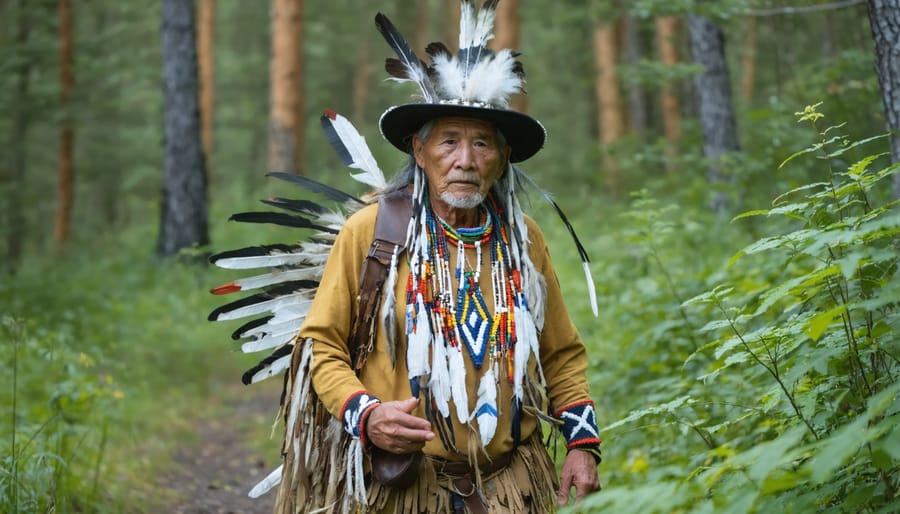
Experience Ontario’s rich Indigenous heritage through guided programs offered in various Indigenous languages. Many provincial parks collaborate with local First Nations communities to provide authentic cultural experiences and interpretive programs in languages like Ojibwe, Cree, and Mohawk.
At Wasaga Beach Provincial Park, the weekly “Stories of the Land” program features Indigenous guides sharing traditional knowledge in both English and Ojibwe. Similarly, Killarney Provincial Park’s popular “Path of the Paddle” tours are conducted in Ojibwe and English, offering visitors insights into traditional waterway navigation and cultural significance.
These programs not only make park experiences more accessible to Indigenous language speakers but also help preserve and celebrate these vital languages. Visitors can learn basic greetings, place names, and nature-related vocabulary while developing a deeper appreciation for Indigenous perspectives on the land.
For the best experience, book these programs in advance as they often have limited spots. Many parks also offer printed guides and interpretive signs featuring Indigenous languages alongside English translations. During peak season, some locations provide additional language options and specialized programs for school groups and cultural organizations.
Remember to approach these experiences with respect and openness to learning about Indigenous ways of knowing and connecting with the land.
Practical Tips for Non-English Speakers
Planning Your Visit
Planning a visit to Ontario’s parks can be more enjoyable when you’re prepared for potential language barriers. To help you experience Ontario parks like a local, consider downloading language apps like Google Translate or iTranslate before your trip. These apps work offline and can be lifesavers when reading signs or communicating with park staff.
Before your visit, check the park’s website for multilingual resources and visitor guides. Many Ontario parks now offer brochures and trail maps in popular languages like French, Mandarin, and Spanish. You can usually download these materials in advance or pick them up at visitor centers.
Pro tip: Save essential phrases related to safety, directions, and emergency services in your preferred language. Write them down or keep them handy on your phone. Common phrases might include “Where is the nearest washroom?” or “Which trail leads to the campground?”
Consider joining guided tours that offer multilingual services – these are typically available during peak season at larger parks. If you’re traveling with a group, designating a translator or interpreter can enhance everyone’s experience and ensure important safety information is understood.
Remember to pack a small language reference card with universal symbols and basic translations. This can be particularly useful when cellular service is limited in remote areas.
On-Site Communication Support
Ontario Parks strives to make your visit comfortable and welcoming, regardless of the languages you speak. Many popular parks offer on-site translation services during peak season, with staff members who can communicate in multiple languages, including French, Mandarin, Spanish, and American Sign Language.
Look for the international language symbols at visitor centers and park offices – these indicate which languages are available that day. Some parks also provide portable translation devices you can borrow during your stay, making it easier to communicate with park staff and understand important safety information.
For guided programs and interpretive walks, several parks now offer multilingual tours with advance booking. These tours not only help you understand the park’s natural features and wildlife but also ensure you don’t miss out on fascinating local stories and ecological information.
Digital translation tools are available at most visitor centers through tablets and interactive kiosks. These devices can help with basic communication needs, from getting directions to understanding park rules and regulations. Many parks also maintain a collection of printed materials, including trail maps and wildlife guides, in various languages.
Remember to check the specific park’s website before your visit or contact the park office directly to learn about available language services. Some parks also welcome volunteer interpreters during busy seasons, creating an even more inclusive environment for international visitors.
Future Initiatives
Ontario Parks is committed to breaking down language barriers, with several exciting initiatives on the horizon. By actively shaping the future of Ontario parks, we’re working to create more inclusive spaces for visitors from all linguistic backgrounds.
In the coming months, visitors can look forward to expanded multilingual signage across major trails and facilities. We’re also developing a revolutionary mobile app that will provide real-time translation services for park information, trail guides, and safety instructions in over 15 languages.
Our park staff training program is getting a significant upgrade, with new modules focused on cultural sensitivity and basic communication skills in commonly requested languages. We’re partnering with local community organizations to create language exchange programs and cultural celebration events that showcase Ontario’s diverse linguistic heritage.
Digital accessibility is another key focus area. We’re redesigning our website to include more language options and introducing virtual park tours with multilingual audio guides. For families and educational groups, we’re creating multilingual educational materials about Ontario’s flora, fauna, and conservation efforts.
These initiatives reflect our commitment to making nature accessible to everyone, regardless of their primary language. We encourage visitors to share their feedback and suggestions as we continue to improve our language accessibility services.
Ontario Parks is committed to breaking down language barriers and creating welcoming spaces for visitors from all linguistic backgrounds. Through continued expansion of multilingual services, cultural awareness training for staff, and partnerships with diverse community organizations, we’re working to ensure everyone can experience the natural wonders of our parks. Whether you’re a first-time visitor or a seasoned nature enthusiast, we believe language should never be an obstacle to enjoying Ontario’s great outdoors. By embracing linguistic diversity and implementing inclusive practices, we’re building a park system that truly serves all visitors. Join us in celebrating this ongoing journey toward making Ontario’s natural heritage accessible to everyone, one language at a time. Your stories and feedback help shape our future initiatives, making our parks more welcoming with each passing season.









+ There are no comments
Add yours