

Step outside during a frog chorus in spring, and you’ll discover that Ontario’s parks transform into living laboratories where your observations actually matter. Citizen science events throughout the year turn casual park visitors into data collectors who help track everything from migrating butterflies to winter wolf populations, and the best part? You don’t need a biology degree to participate.
These seasonal programs connect you directly with park naturalists and researchers who genuinely appreciate your contributions. Whether you’re identifying bird calls during May’s migration peak, counting monarch butterflies in September meadows, or recording ice thickness data in January, each observation feeds into provincial and national databases that shape conservation decisions. Programs like FrogWatch need volunteers to listen for amphibian calls on spring evenings, while Ontario BioBlitz events welcome families to photograph and catalog species during intensive 24-hour surveys.
The commitment level fits your schedule. Some events require just fifteen minutes of your camping trip, like submitting photos through iNaturalist during your hike. Others offer immersive experiences where you spend a full day alongside ecologists, learning identification techniques you’ll use for years. Most programs provide all necessary training on-site, so first-timers feel confident from the start.
This guide breaks down opportunities by season, showing you exactly when to visit, what to bring, and how to make your participation count. You’ll find insider tips from veteran volunteers and discover which events suit solo adventurers, families with kids, or groups seeking meaningful outdoor experiences together.
What Makes Citizen Science in Ontario Parks So Special
The Magic of Contributing While You Explore
Here’s the beautiful secret about citizen science in Ontario Parks: you’re probably already doing half the work without realizing it. That chipmunk you stopped to photograph? The interesting mushroom you noticed on your hike? These observations can become valuable scientific data with just a few extra minutes of your time.
No lab coat required, I promise. Most citizen science activities blend so naturally into your park visit that they enhance rather than interrupt your experience. Spending ten minutes counting butterflies in a meadow feels more like mindful meditation than research. Using an app to identify bird songs simply gives you another reason to pause and really listen to the forest around you.
I’ve met families who turn species identification into a friendly competition during their camping trips, and solo hikers who find that logging observations helps them notice details they’d otherwise miss. One regular park-goer told me that contributing to frog call surveys made her evening walks feel purposeful in a way she hadn’t expected.
The beauty lies in the simplicity. You don’t need special equipment beyond your smartphone for many programs, and you certainly don’t need a science degree. Your curiosity and willingness to pay attention are the only prerequisites. Every observation matters, whether you’re documenting your first wildflower or your hundredth species.
Why Each Season Brings Fresh Opportunities
Ontario’s dramatic seasonal shifts create a constantly changing outdoor laboratory that’s perfect for citizen science. Each season brings different wildlife behaviors, plant cycles, and ecological phenomena worth documenting. Spring awakens forests with migrating birds and emerging wildflowers, while summer buzzes with insect activity and thriving aquatic ecosystems. Fall transforms parks into colorful canvases where you can track seed dispersal and animal preparations for winter. Even the quiet winter months offer chances to monitor animal tracks in fresh snow and study how species adapt to harsh conditions.
This variety means you’ll never run out of seasonal outdoor adventures to explore. Parks actively seek volunteers year-round because ongoing data collection across seasons helps scientists understand long-term environmental trends. Whether you’re a snowshoe enthusiast or prefer warm-weather hikes, there’s always a citizen science project that matches your comfort zone and schedule.
Spring Awakenings: Tracking Nature’s Comeback
Frog Watch and Amphibian Monitoring
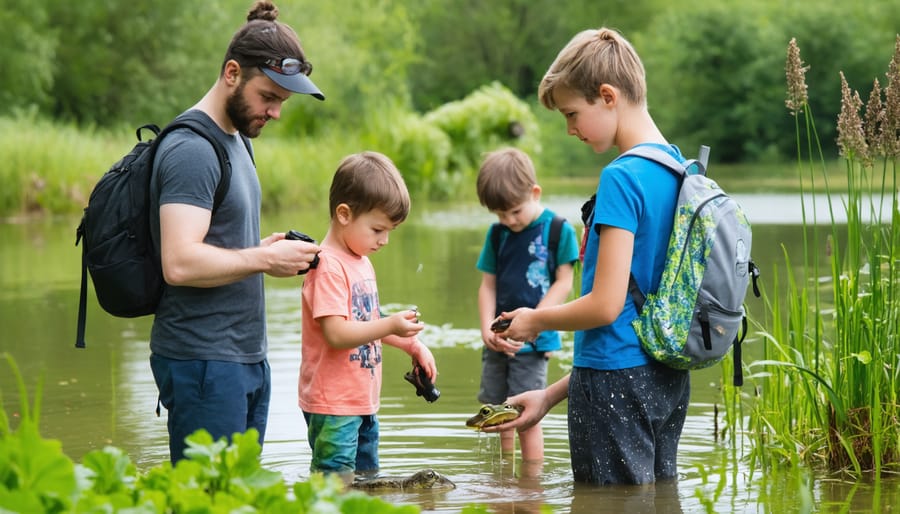
There’s something magical about those first warm spring evenings when the chorus of spring peepers fills the air. Across Ontario Parks, Frog Watch programs invite you to become part of something bigger – tracking amphibian populations that serve as vital indicators of environmental health.
The best time to listen is typically late April through June, right after sunset when frogs are most vocal. Many parks host guided evening walks where you’ll learn to distinguish between the high-pitched peeps of spring peepers, the duck-like quacks of wood frogs, and the snore-like calls of leopard frogs. Here’s an insider tip: download the FrogWatch app beforehand to practice identifying calls, and you’ll impress everyone on your first outing.
Dress warmly in layers since spring evenings can be chilly, and bring a headlamp with a red filter to preserve your night vision without disturbing the frogs. Waterproof boots are essential as you’ll likely be near wetlands. Bug spray is your friend, but choose eco-friendly options that won’t harm the sensitive amphibians you’re there to observe.
The data you collect gets submitted to national databases, helping scientists track population trends and environmental changes. It’s rewarding work that requires no previous experience – just a willingness to stand still, listen carefully, and appreciate nature’s evening symphony.
Bird Migration Counts
Spring migration is one of the most exciting times to contribute to citizen science in Ontario parks! You don’t need to be an expert birder to help document returning species—there’s a role for everyone. Programs like eBird allow you to record any birds you see, even if you only know common species like robins and red-winged blackbirds. Every observation adds valuable data about migration timing and patterns.
Many parks host guided bird counts during peak migration weeks in April and May, where experienced birders lead groups and help with identification. This is honestly the best way to learn—you’ll pick up identification tips while contributing real scientific data. Bring binoculars if you have them, but parks often provide loaners for events.
Here’s an insider tip: download the Merlin Bird ID app before your visit. You can identify birds by photo or sound, making participation accessible even if you’re just starting out. Focus on noting arrival dates of first sightings—these “first of season” records are particularly valuable for tracking climate change impacts.
Don’t worry about getting every identification perfect. Scientists use collective data from thousands of observers, so your honest observations, even as a beginner, genuinely matter.
Insider Spring Tips
Here’s my insider secret: arrive mid-morning after the trails have dried slightly but before the afternoon crowds. Spring in Ontario parks means embracing the “mud season” with the right mindset and gear. Pack waterproof hiking boots (not just water-resistant), bring extra socks in a plastic bag, and layer your clothing since morning temps can be chilly while afternoons warm up nicely.
Stick to designated trails to protect emerging vegetation and fragile spring ecosystems. Those muddy patches might seem like fun shortcuts, but trampling creates erosion and damages salamander habitats. I always bring a reusable water bottle and keep a small bag for picking up any litter I spot along the way.
The real magic happens when you slow down and look closely. Those vernal pools beside the trail? They’re actually critical breeding grounds for frogs and salamanders. Early morning visits offer the best wildlife viewing opportunities, and you’ll have quieter trails for recording observations without distractions. Don’t forget your phone or camera in a waterproof case for documenting species sightings.
Summer Science: When the Parks Come Alive
Butterfly Blitz Events
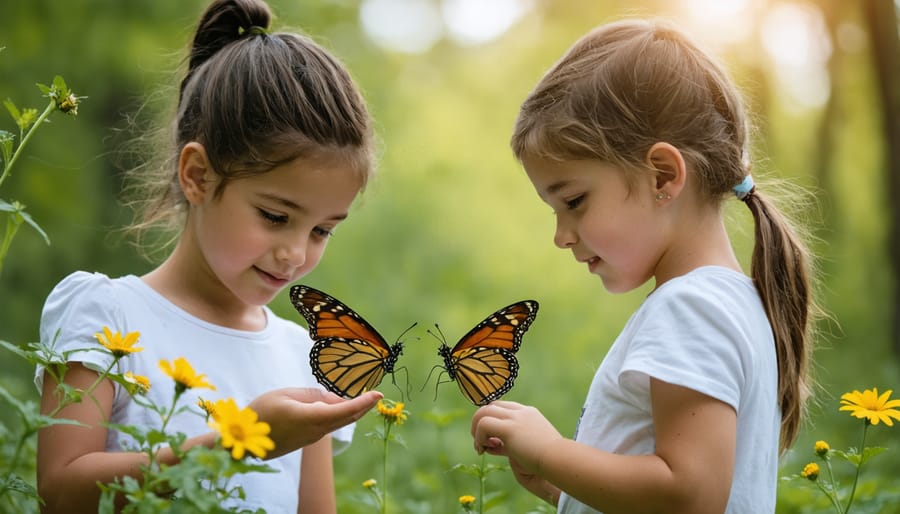
There’s something magical about watching a child spot their first Monarch butterfly of the season. That wide-eyed moment of discovery is exactly what makes Butterfly Blitz events some of the most beloved citizen science activities in Ontario parks. These cheerful counting events typically run during peak butterfly season from mid-June through August, transforming a simple nature walk into an exciting treasure hunt.
The concept is beautifully straightforward: families and nature enthusiasts spend an hour or two exploring designated trails, counting and identifying butterflies they encounter. You don’t need any special equipment beyond a notebook and perhaps a butterfly identification guide (though many parks provide these). Provincial parks like Presqu’ile, Pinery, and Algonquin regularly host organized Butterfly Blitz days, often led by knowledgeable park naturalists who help with tricky identifications.
Here’s an insider tip: arrive early in the morning when butterflies are less active and easier to observe closely. Pack a small magnifying glass for little ones – it turns each sighting into a mini adventure. The data collected genuinely helps researchers track population trends and migration patterns, making every count meaningful. Plus, the slow pace and colorful discoveries keep children engaged far better than any rushed hike ever could.
Aquatic Monitoring Adventures
Here’s my favourite way to cool off while contributing to science: aquatic monitoring programs that let you dive into citizen science, literally! Several Ontario parks run water quality testing sessions where you can help collect samples while enjoying a swim or paddling adventure.
At parks like Algonquin and Killarney, you can join researchers testing for pH levels, dissolved oxygen, and water clarity. Don’t worry if chemistry wasn’t your strongest subject – park naturalists provide all the training and equipment you’ll need. I’ve found these sessions are perfect for families, as kids absolutely love dunking testing tubes into the water and recording the colour changes.
Here’s an insider tip: bring a waterproof bag or dry sack for your phone and notebook. You’ll want to document your findings, but splashing is inevitable when you’re enthusiastically scooping water samples! Many programs also include aquatic species surveys where you’ll help identify fish, turtles, and invertebrates. Pack water shoes with good grip since you’ll be wading along shorelines and rocky areas.
Most aquatic monitoring happens during summer months when water temperatures are comfortable. Sessions typically run two to three hours, giving you plenty of time afterward to fully enjoy swimming or kayaking. Check park websites in early spring to register, as these popular programs fill quickly.
Making It Part of Your Camping Trip
The secret to a successful citizen science camping adventure? Keep it relaxed and flexible. I’ve found that dedicating just one or two hours in the morning—when wildlife is most active anyway—leaves plenty of time for swimming, hiking, and campfire stories. Many parks like Frontenac and Algonquin Provincial Park strategically schedule guided citizen science programs mid-morning, perfectly complementing summer camping trips.
Pro tip: Choose parks offering multiple citizen science options so you’re not locked into one activity. Parks with visitor centers make excellent starting points—staff can suggest quick butterfly counts or water testing stations near your campsite. Pack a small dedicated bag with field guides and collection materials so you’re always ready without disrupting your regular gear. Remember, even fifteen minutes of bird observations while your coffee brews counts as meaningful contribution. The beauty lies in weaving science seamlessly into moments you’d already spend outdoors, transforming ordinary camping routines into purposeful exploration.
Fall’s Colorful Data Collection
Hawk Migration Watches
There’s something genuinely magical about watching thousands of raptors stream across the sky during fall migration, and Ontario offers some of North America’s best hawk-watching opportunities. From mid-August through November, birds of prey funnel along the Great Lakes shoreline, creating spectacular viewing opportunities for citizen scientists and nature enthusiasts alike.
The most famous location is Holiday Beach Conservation Area near Windsor, where volunteers have counted over 100,000 raptors in a single season. Other prime spots include Hawk Cliff near Port Stanley and Cranberry Marsh in Whitby. These sites all run official hawk counts where you can contribute your observations to long-term migration studies.
Here’s an insider tip: bring a lawn chair and pack a thermos of something warm. Peak migration often happens on cool, clear days following cold fronts, when you might witness kettles of hundreds of broad-winged hawks spiraling upward together. Most viewing platforms welcome beginners, and experienced counters are usually happy to help you identify species.
No special equipment is required, though binoculars definitely enhance the experience. Many sites provide free training sessions at the start of season, teaching you identification basics and proper counting techniques. It’s exhilarating community science at its finest.
Leaf Peeping with Purpose
Turn your fall foliage trips into meaningful climate research by joining phenology programs at Ontario parks. These citizen science initiatives track when leaves change color each year, helping researchers understand how warming temperatures affect our forests. It’s incredibly rewarding to know your autumn photos serve a bigger purpose.
Getting started is simple. Download observation apps like iNaturalist or Nature’s Notebook before your visit. When you spot peak color, photograph the same tree from consistent angles and log the date and location. Focus on individual species rather than sweeping vistas for the most valuable data.
Here’s an insider tip: early morning light creates stunning golden-hour shots while reducing glare on leaves. Bring a notebook to record which trees turn first in different park microclimates. You’ll often notice maples near water sources change earlier than those on hilltops.
Many parks offer guided phenology walks in October where naturalists teach identification skills and proper documentation techniques. These free programs transform casual leaf peepers into conservation contributors, and you’ll never look at autumn the same way again.
Winter Wonders: Cold-Weather Citizen Science
Christmas Bird Count Tradition
Every December, a remarkable tradition brings together bird enthusiasts across North America for the Christmas Bird Count, and Ontario Parks makes for incredible counting territory. This citizen science project, running for over 120 years through the Audubon Society, creates the continent’s longest-running wildlife census. The concept is beautifully simple: volunteers spend one winter day counting every bird they see or hear within a designated 24-kilometer circle.
Several counts happen near Ontario Parks, including circles around Algonquin, Presqu’ile, and Rondeau. You don’t need to be an expert—just bundle up and bring your enthusiasm! Many counts welcome complete beginners and pair you with experienced birders who share identification tips while trekking snowy trails.
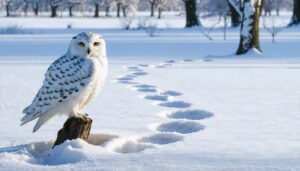
What makes this tradition so special? There’s something magical about the quiet intensity of winter birding—tracking chickadees flitting through frost-covered branches, spotting a majestic snowy owl against white landscapes, or discovering unexpected species that reveal shifting migration patterns. Your observations contribute to genuine climate research, helping scientists understand how bird populations respond to environmental changes.
Insider tip: Join a feeder-watch team if you prefer staying cozy. Many counts include backyard stations where you can contribute while sipping hot cocoa indoors, watching birds visit feeders throughout the day.
Animal Track Surveys
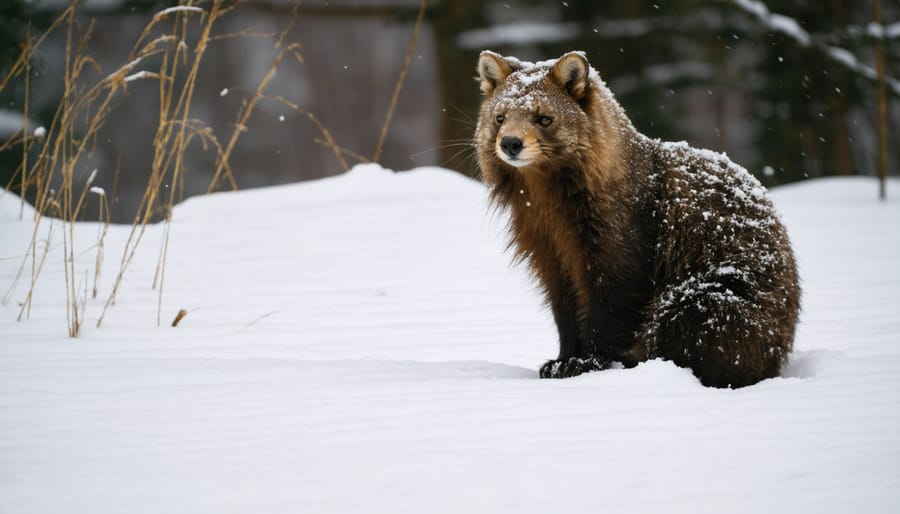
Fresh snowfall transforms Ontario parks into nature’s perfect canvas, recording the secret movements of wildlife that usually go unnoticed. Those pristine white trails become detective stories waiting to be read, and winter is absolutely the best time to join track survey programs that document animal activity across the province.
Many parks offer guided tracking sessions where you’ll learn to distinguish between a fox’s tidy line of prints and a rabbit’s distinctive hopping pattern. Here’s an insider tip: early morning after a light overnight snow gives you the freshest “pages” to read. You’ll discover who visited the frozen pond, which direction they traveled, and sometimes even what they were doing.
Getting started with winter track identification requires nothing fancy beyond warm boots and a camera phone to document your findings. Parks provide datasheets where you’ll record track types, locations, and measurements. This information helps researchers monitor wildlife populations and movement patterns without disturbing the animals themselves.
Remember to practice eco-friendly tracking by staying on designated trails and never following tracks too closely to den sites or bedding areas. Your observations genuinely contribute to conservation efforts while giving you an incredibly rewarding way to connect with winter’s hidden wildlife community.
Getting Started: Your First Citizen Science Experience
No Experience Necessary
Here’s the truth that might surprise you: you don’t need a biology degree or fancy equipment to join citizen science programs in Ontario Parks. Most events welcome complete beginners with open arms, and many participants I’ve met started their journey knowing nothing more than a love for being outdoors.
Park staff and volunteer coordinators provide all the training you’ll need right on-site. Whether you’re counting frogs, identifying birds by their calls, or recording weather data, you’ll learn everything step-by-step. I remember my first butterfly monitoring session feeling completely out of my depth, but within an hour, I was confidently using identification guides and feeling like part of the team.
The community aspect makes these programs especially welcoming. You’ll find families, retirees, students, and curious folks from all walks of life. Everyone shares tips, celebrates discoveries together, and there’s zero judgment about skill level. Plus, working alongside experienced volunteers means you’ll pick up insider knowledge about the park’s hidden gems and best trails. It’s like having friendly mentors who genuinely want you to succeed and enjoy the experience.
What to Bring and How to Prepare
Preparing for citizen science adventures means dressing smart and packing light. In spring and fall, layer up with moisture-wicking base layers, a fleece mid-layer, and a waterproof jacket since weather can surprise you. Summer calls for breathable clothing, a wide-brimmed hat, and serious sun protection. Winter participants need insulated boots, thermal layers, and hand warmers for those early morning bird counts.
Your essential pack should include a refillable water bottle, snacks that won’t crumble in your pockets, and a small notebook for personal observations. Most programs provide specialized equipment like identification guides or water testing kits, but bringing binoculars never hurts. A fully charged phone serves double duty as your camera and data collection tool for many digital platforms.
Here’s an insider tip: pack a lightweight folding seat cushion for those longer observation sessions. Your knees will thank you during wetland surveys. Choose earth-toned clothing to avoid disturbing wildlife, and embrace eco-friendly choices like reusable containers and biodegradable soap if overnight camping is involved.
Don’t forget basic first aid supplies, insect repellent for warmer months, and extra socks regardless of season. Wet feet make miserable scientists. Most importantly, bring your curiosity and patience. Nature operates on its own schedule, making flexibility your most valuable asset.
There’s something profoundly satisfying about leaving a park knowing you’ve contributed more than footprints. When you join a citizen science event in Ontario’s parks, you’re not just observing nature – you’re actively helping to protect it for future generations. Your frog call recordings might inform wetland conservation strategies. Your bird count data could influence habitat management decisions. That butterfly you photographed? It becomes part of a larger story about biodiversity and climate adaptation.
The beauty of these events is that they meet you where you are. Whether you’re spending a relaxed morning counting ladybugs with your kids or dedicating a weekend to intensive wildlife monitoring, your contribution matters. There’s no prerequisite knowledge required to start – just curiosity and a willingness to learn. Many participants describe their first event as unexpectedly transformative, discovering not just fascinating ecological insights but also a vibrant community of nature enthusiasts.
So why not give it a try? Check the seasonal calendar, pick an event that sparks your interest, and mark your calendar. Bring comfortable shoes, pack a reusable water bottle, and prepare to see Ontario’s parks through fresh eyes. You might arrive as a curious visitor, but you’ll leave as an active participant in one of Canada’s most important conservation efforts. Your observations today help ensure these wild spaces thrive tomorrow – and that’s a legacy worth being part of.






+ There are no comments
Add yours