

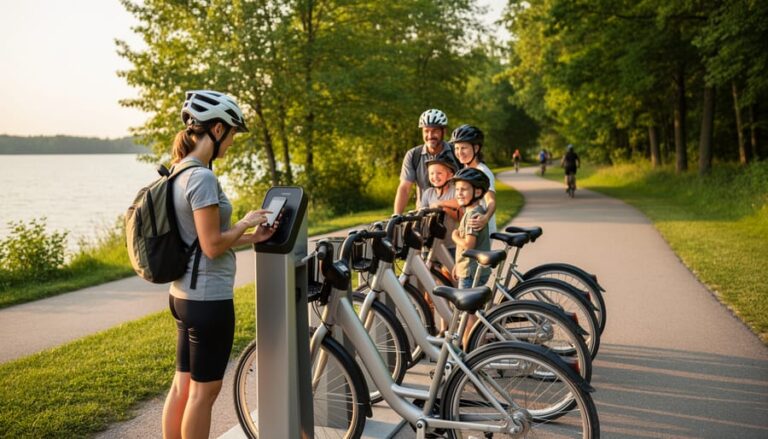
Download the bike-sharing app before arriving at the park to avoid fumbling with registration while your family waits. Most systems like Hamilton’s SoBi or Toronto’s Bike Share let you unlock bikes instantly with your phone, and preloading payment information means you’re pedaling within seconds of spotting a docking station.
Check station locations near park entrances using the app’s real-time map, which shows available bikes and empty docks at your destination. Popular spots like High Park or Frontenac Provincial Park often see morning rushes, so arriving early or choosing less-trafficked stations gives you better bike selection and guarantees a dock when you return.
Look for systems offering helmet rentals or bring your own, since Ontario law requires riders under 18 to wear one. Many park-vicinity stations now include sanitizing wipes and basic repair tools, though calling customer service immediately about mechanical issues prevents you from being charged for damage you didn’t cause.
Combine bike sharing with other accessible park transportation options to extend your adventure range. Ride from transit stops to trailheads, explore waterfront paths, or connect multiple green spaces in a single afternoon without worrying about parking fees or hauling your own bike.
Plan for 30-minute trips if using casual passes, as most systems charge extra beyond this window. Pro tip: dock your bike briefly at mid-route stations to reset the timer, perfect for picnic breaks or photo stops without racking up fees.
Why Bike Sharing and Parks Are a Match Made in Heaven
There’s something magical about pedaling through a park on a crisp Ontario morning, and bike sharing systems have made that experience accessible to just about everyone. Think about it – parks and bikes are the ultimate partnership, like peanut butter and jelly or s’mores and campfires.
When you hop on a shared bike at a park entrance, you’re suddenly not limited to what you can see on foot. That scenic 8-kilometer lakeside trail that seemed too ambitious for a casual afternoon? Now it’s totally doable. I’ve watched families cover three times the ground they would have walking, discovering hidden lookouts and connecting different trail systems they never knew existed. One visitor at Algonquin told me she explored five different scenic viewpoints in a single afternoon – something that would have required multiple car trips and constant parking hassles otherwise.
Speaking of parking, here’s an insider tip: skip the stress entirely. Many Ontario parks struggle with limited parking during peak seasons, especially on gorgeous summer weekends. With bike sharing, you can leave your car at the main lot and bike to trailheads, picnic areas, and beaches without circling endlessly for a spot. You’ll save time and maybe even your sanity.
The environmental benefits are equally compelling. By reducing vehicle emissions within park boundaries, we’re protecting the very nature we came to enjoy. Fewer cars mean quieter trails where you can actually hear birdsong and rustling leaves. There’s something deeply satisfying about exploring nature using only human power.
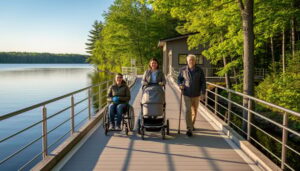
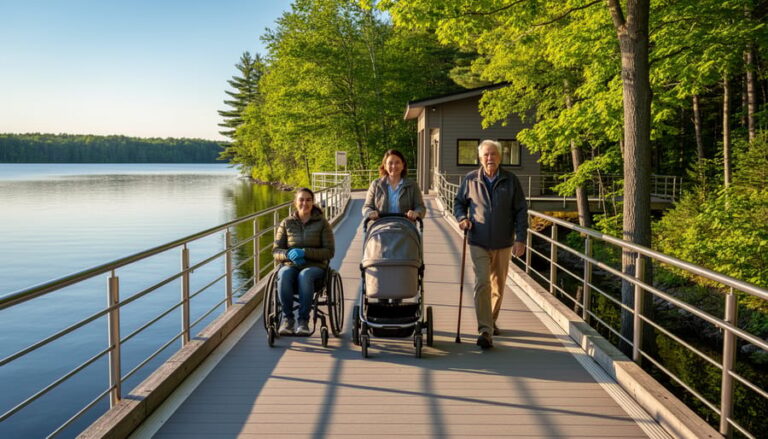
For visitors without cars, bike sharing is a game-changer. Students, urban dwellers, and international tourists can now access parks that once felt out of reach. Public transit drops you at the park entrance, and a shared bike takes you the rest of the way. It’s sustainable transportation that genuinely expands who gets to experience Ontario’s natural treasures.
How Smart Bike Sharing Actually Works
Finding and Unlocking Your Ride
Ready to grab your wheels and explore? Finding your bike is easier than spotting a blue heron in the wetlands! Most Ontario park systems use smartphone apps that show you real-time bike availability on an interactive map. Simply download the designated app, create your account (usually takes just minutes), and watch as little bike icons pop up showing available rides near park entrances.
Here’s my insider tip: check the app while you’re still having morning coffee at your accommodation. Popular parks like Algonquin or waterfront trails can see bikes snapped up quickly on sunny weekends, so reserving ahead gives you peace of mind.
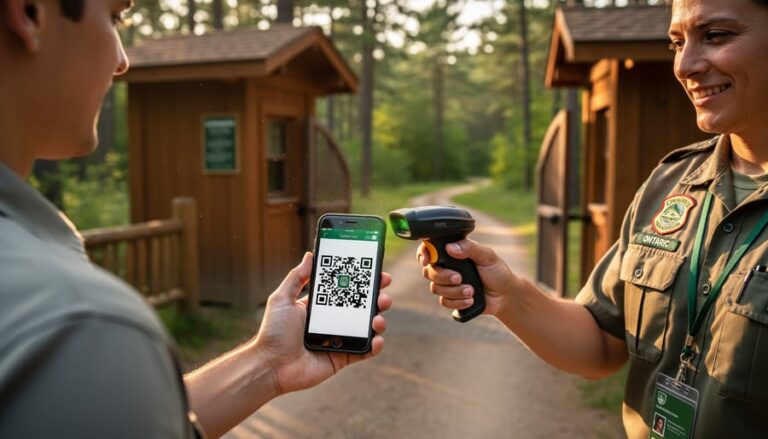
Once you’ve spotted your bike on the map, walk over to the docking station. You’ll notice a QR code on the bike’s handlebars or frame. Open your app, tap the unlock button, and hover your phone’s camera over the code. Within seconds, you’ll hear a satisfying click as the lock releases. Some systems use numbered keypads instead, displaying your unique unlock code right in the app.
Before pedaling off, give the bike a quick once-over. Check the tires, test the brakes, and adjust the seat height. The whole process typically takes under two minutes, and then you’re off to discover those hidden trails!

E-Bikes vs. Traditional Pedal Bikes
Most bike sharing systems in Ontario offer both traditional pedal bikes and e-bikes, and knowing which to choose can transform your park adventure. Traditional bikes work beautifully for flat terrain like Toronto’s waterfront trails or leisurely rides around High Park. They’re typically the budget-friendly option and give you that classic cycling workout we all love.
E-bikes, however, are game-changers for specific situations. Planning to explore Gatineau Park’s hilly terrain near Ottawa? That electric assist will save your legs while still letting you enjoy stunning lookout points without arriving completely winded. I’ve watched countless visitors discover that e-bikes make 15-kilometer routes feel like 5-kilometer ones, opening up parts of parks they might otherwise skip.
Here’s an insider tip: if you’re cycling with kids or less experienced riders, e-bikes help groups stay together more easily since everyone can maintain similar speeds regardless of fitness level. They’re also perfect for those warm summer days when you want to explore extensively without overheating.
The eco-friendly bonus? Both options produce zero emissions, but e-bikes encourage people who might otherwise drive to choose cycling instead. Many systems let you filter by bike type in their apps, so check availability before heading out, especially during peak weekend hours when e-bikes rent quickly.
Ontario Parks Already Embracing Bike Sharing
Ontario is already leading the way with bike sharing systems that connect urban areas to some of our most beautiful green spaces, and the results have been nothing short of fantastic. If you’re wondering whether this concept actually works in practice, let me share what’s already happening right in our own backyard.
In Toronto, Bike Share Toronto has become a game-changer for park enthusiasts. With hundreds of stations scattered throughout the city, you can easily grab a bike and pedal your way to High Park, where cherry blossoms put on a stunning spring show. Here’s an insider tip: start your ride at a station near Queen Street West, then follow the side streets north to avoid heavy traffic before entering the park. Once inside, the winding trails around Grenadier Pond offer peaceful cycling away from the city buzz. Don’t miss the hidden route along the eastern edge of the park where locals gather for birdwatching.
Ottawa’s bike sharing scene deserves serious recognition too. The capital’s Bytown Bike program connects seamlessly with the incredible network of recreational pathways throughout the National Capital Region. Picture this: you dock out near the Rideau Canal and within minutes, you’re cruising along car-free paths toward Gatineau Park’s entrance. The Ottawa River Pathway westbound from downtown leads to some truly spectacular viewpoints that many visitors completely overlook. Pro tip: on weekends, grab a bike early morning and head to the Aviation Parkway path, it’s gloriously empty and gives you direct access to the stunning Rockcliffe Park area.
Even smaller communities are getting on board. Hamilton’s SoBi Hamilton system has made exploring the Bruce Trail access points and Waterfront Trail so much more accessible. Local cyclists rave about the route from downtown to Bayfront Park, where you can watch sailboats while planning your next adventure.
What makes these systems work so beautifully is their flexibility. You’re not locked into bringing your bike back to where you started. Explore one park, dock your bike, have a picnic, then grab another bike to head somewhere completely different. It’s like having a personal bicycle fleet waiting wherever you need one. Plus, the environmental benefits mean you’re treading lightly while discovering these incredible spaces.

Insider Tips for Your Best Bike Sharing Experience
Before You Pedal: Smart Preparation
A little prep work before you unlock that bike goes a long way toward a smooth, enjoyable ride. I learned this the hard way after discovering a wobbly seat halfway through a lakeside trail – not fun!
First things first: download the bike-share app before you arrive at the park. Spotty reception near wooded areas can make last-minute downloads frustrating. Take a few minutes at home to create your account, add payment info, and familiarize yourself with the interface. Most Ontario systems offer similar features, but each has quirks worth knowing.
Once you’re at the docking station, give your chosen bike a quick once-over. Check that tires feel firm (give them a squeeze), brakes respond when you pull the levers, and the chain looks intact. Adjust the seat height before you start – your leg should have a slight bend when the pedal’s at its lowest point. This simple adjustment prevents sore knees and makes pedaling much more efficient.
Take a moment to understand the pricing structure too. Many systems offer day passes that beat pay-per-ride rates if you’re planning multiple trips. Some even provide the first 30 or 45 minutes free with each ride – perfect for quick park loops!
Finally, map out your route beforehand. Most apps show nearby stations, helping you plan where to dock at your destination and avoid that dreaded “station full” scenario.

Staying Safe and Respecting Nature
Before you hop on that shared bike and pedal off into Ontario’s beautiful parks, let’s talk about keeping yourself safe and being a good steward of nature. First things first: while most bike sharing systems don’t provide helmets, bringing your own is a smart move. I always keep a collapsible helmet in my backpack for spontaneous rides, and it’s saved me from a nasty spill more than once on a gravel trail.
When you’re cycling through park pathways, remember you’re sharing the space with walkers, joggers, and families. A friendly “on your left!” goes a long way, and slowing down near busy areas shows respect for everyone’s outdoor experience. Keep an eye out for wildlife too. I’ve had magical moments spotting deer and turtles, but give them plenty of space and never try to approach for photos.
Here’s an eco-friendly insider tip: stick to designated paths to protect delicate ecosystems. Those tempting shortcuts through meadows might damage native plants that took years to establish. Also, if you’re packing snacks for your ride, bring reusable water bottles and take all garbage with you. The whole point of bike sharing is reducing our environmental footprint, so let’s keep those natural spaces pristine for everyone to enjoy.
The Green Impact: Eco-Friendly Exploration
When you pedal through Ontario’s parks instead of driving, you’re making a real difference—and the numbers prove it. Each kilometer cycled on a bike-share system prevents approximately 0.16 kilograms of CO2 emissions from entering our atmosphere. That might sound small, but consider this: if 100 people choose bikes over cars for a typical 10-kilometer park visit, they collectively prevent 160 kilograms of carbon dioxide emissions in just one day. Multiply that across thousands of users throughout Ontario’s peak season, and the impact becomes truly significant.
Beyond carbon reduction, bike sharing systems help preserve the very landscapes we come to enjoy. Traditional parking lots consume valuable green space—a single car requires about 12 square meters when you include access lanes. By contrast, a dozen bicycles fit comfortably in that same footprint. Parks like Rouge National Urban Park have noticed decreased roadway wear and reduced demand for expanded parking facilities since introducing bike-share stations, allowing more land to remain in its natural state.
There’s also the quiet factor. Anyone who’s hiked near a busy park road knows how traffic noise disrupts the wilderness experience. Bikes glide silently, letting you hear birdsong, rustling leaves, and flowing water without engine interference. You’re not just reducing emissions—you’re protecting the soundscape that makes these places special.
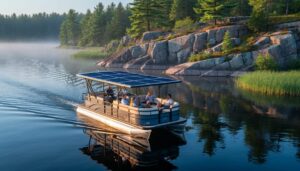
Here’s an insider tip: many bike-share programs integrate with broader green transportation networks. Just as you might explore waterways using solar-powered alternatives, cycling complements a completely zero-emission park adventure. When you choose bike sharing, you’re joining a movement toward sustainable tourism that ensures Ontario’s natural treasures remain pristine for generations to come.
What’s Next: The Future of Park Bike Sharing in Ontario
The future of bike sharing in Ontario’s parks looks brighter than ever, and you’ll want to be part of this exciting evolution. We’re already seeing promising developments that will make exploring our natural spaces even more accessible and enjoyable.
Rural expansion is on the horizon. While many current systems focus on urban parks, pilot programs are testing bike sharing at more remote locations like provincial parks in Muskoka and along the Bruce Peninsula. Imagine arriving at your favorite backcountry access point and finding bikes ready to help you explore those scenic trails without hauling your own equipment for hours.
Solar-powered e-bikes are becoming game-changers, especially for Ontario’s sometimes challenging terrain. These eco-friendly bikes charge themselves at docking stations equipped with solar panels, meaning you can tackle those hilly routes around Lake Superior or Niagara Escarpment without breaking a sweat. Several parks are already testing these systems as part of broader innovative transportation solutions.
Integration with Ontario Parks passes is another exciting development. Future systems may let you unlock bikes using your existing park permit, streamlining the entire experience.
Want bike sharing at your favorite park? Here’s how you can help make it happen: contact park management directly, mention bike sharing in visitor surveys, and share your enthusiasm on social media. When parks see genuine interest, they’re more likely to invest. Your voice truly matters in shaping how we’ll experience Ontario’s natural treasures tomorrow.
Ready to discover Ontario’s parks from a whole new angle? I can’t encourage you enough to give bike sharing a try on your next outdoor adventure. There’s something wonderfully liberating about hopping on a bike and letting the landscape unfold at just the right pace – not too fast to miss the details, not too slow to lose that exhilarating sense of movement.
From my own experience, cycling through park trails offers a unique intimacy with nature that you simply can’t get from a car window. You’ll feel the temperature shift as you ride through sun-dappled forests, catch the sweet scent of wildflowers along the shoreline, and hear birdsong that gets drowned out by engine noise. That simple act of pedaling connects you to the environment in ways that feel both refreshing and grounding.
These smart bike sharing systems have made it easier than ever to embrace this experience spontaneously. No need to transport your own bike or worry about storage – just unlock and go. Remember to ride responsibly, stay on designated paths, and leave no trace behind. Ontario’s natural beauty is waiting for you, and the best seat in the house comes with two wheels and handlebars. Happy exploring!







+ There are no comments
Add yours