

Observe nocturnal wildlife safely while camping in Ontario parks by setting up red-filtered flashlights at least 20 meters from your viewing spot – these lights won’t disturb animals’ natural behaviors. Create designated observation zones using natural barriers like fallen logs or dense brush to maintain a respectful distance from wildlife corridors. Track nocturnal movements by identifying fresh tracks, droppings, and feeding signs during daylight hours, then return to these locations after dusk for optimal viewing opportunities. Deploy motion-activated trail cameras in areas with high animal activity, ensuring they’re properly secured and weather-protected for continuous monitoring without human presence.
Keep food sealed and stored away from your observation area to prevent unwanted animal encounters while still enjoying intimate glimpses of raccoons, owls, and other fascinating night creatures in their natural habitat. This balanced approach ensures both your safety and the animals’ well-being while creating unforgettable wildlife watching experiences.
Common Nocturnal Wildlife in Ontario Parks
Identifying Night Visitors
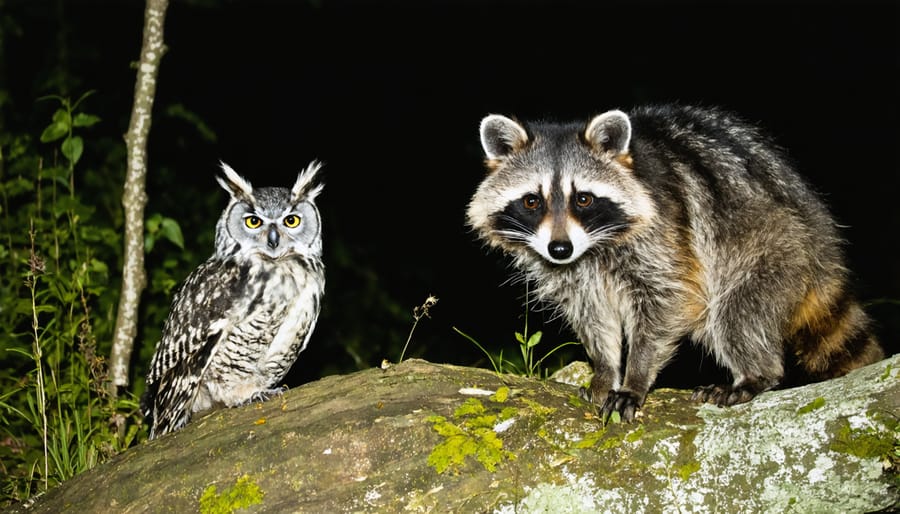
Ontario’s nighttime wildlife visitors leave distinct calling cards that help identify them. Raccoons are easily spotted by their distinctive “bandit mask” and ringed tail, often raiding gardens and garbage bins with their remarkably dexterous paws. Skunks announce their presence with a musky odor and can be recognized by their waddling gait and distinctive black-and-white striped pattern.
You might hear rather than see owls, with their haunting hoots echoing through the trees. Look for large yellow eyes reflecting in your flashlight beam. Opossums, with their rat-like tails and pointed faces, are frequent backyard visitors, especially around compost bins.
Watch for deer at dawn and dusk – their glowing eyes and graceful silhouettes are unmistakable. Coyotes might make their presence known through yips and howls, while foxes leave behind distinctive pointed droppings and small paw prints.
Pro tip: Setting up a motion-activated camera can help you identify your nocturnal visitors without disturbing them.
Understanding Animal Behavior Patterns
Most nocturnal animals follow predictable patterns that make wildlife watching more rewarding when you know what to look for. These creatures are most active during dusk and dawn, known as crepuscular periods, when they venture out to feed and socialize. Raccoons, for instance, typically begin their nightly routines shortly after sunset, while owls start their hunting activities as the light fades.
Many nocturnal animals rely on well-established trails and specific feeding grounds, returning to the same locations night after night. They’re particularly active on cloudy nights when the darkness provides extra cover. During full moons, you might notice slightly reduced activity as the brighter conditions make them more cautious.
Weather also plays a crucial role in their behavior patterns. Rainy nights often see increased activity as the moisture makes it easier for animals to detect prey through smell. In contrast, very cold or windy conditions typically result in reduced movement as animals conserve energy.
Remember that seasonal changes affect these patterns too, with many species becoming more active during their breeding seasons or when preparing for winter.
Safe Wildlife Watching Practices
Setting Up Your Observation Area
Setting up a comfortable and safe observation area is key to successful nocturnal wildlife watching. Choose an elevated spot, like a deck or screened porch, that offers a clear view of potential wildlife activity areas while keeping you at a safe distance. If you’re on ground level, set up a portable camping chair and ensure you’re at least 50 feet away from any feeding areas or known animal paths.
Bring along essential items like a red-light flashlight (which won’t startle wildlife), binoculars, and a thermos of hot drinks to keep warm during those chilly Ontario nights. A cozy blanket and cushion can make your observation session much more comfortable. Consider using a portable blind or natural camouflage, such as positioning yourself near bushes or trees, to minimize your visibility.
Keep noise to an absolute minimum by silencing your phone and avoiding sudden movements. If you’re planning to take photos, set up your camera equipment before darkness falls. Remember to wear dark, non-reflective clothing and avoid using any scented products that might alert wildlife to your presence.
For longer observation sessions, having a friend along adds both safety and enjoyment to the experience. Just remember – the key is to observe without disturbing our nocturnal neighbors.

Essential Equipment and Tools
For successful nocturnal wildlife observation, you’ll need reliable equipment that enhances your experience while keeping you safe. Start with a good-quality headlamp or flashlight featuring both white and red light options – red light is less disturbing to wildlife. I always carry a backup light source, just in case!
A pair of night-vision binoculars can be invaluable, though they’re optional for beginners. If you’re interested in nighttime wildlife photography, consider investing in a camera with good low-light capabilities and a sturdy tripod.
Don’t forget protective gear: wear sturdy, waterproof boots and quiet, weather-appropriate clothing in dark colors. A reliable GPS device or smartphone with offline maps helps prevent getting lost, while a basic first-aid kit ensures safety.
For recording observations, bring a waterproof notebook and pencil, or use a nature-watching app on your phone. I also recommend carrying wildlife identification guides specific to Ontario’s nocturnal species. Remember to pack some water and snacks – wildlife watching often requires patience!
Preventive Measures for Wildlife Control

Food Storage and Campsite Management
Proper food storage and campsite management are your first line of defense against curious nocturnal visitors. As an avid camper in Ontario’s wilderness, I’ve learned that a clean campsite is a safe campsite. Always store your food in airtight containers and keep them in your vehicle or hang them at least 4 meters high between two trees, about 2 meters away from each trunk.
Never keep food or scented items in your tent – this includes toothpaste, deodorant, and even scented lip balm. These items can attract wildlife from surprisingly far distances. Consider using a bear-resistant food container if you’re in bear country.
Clean up immediately after meals and store your garbage securely. Even small food particles can attract raccoons, skunks, and other nighttime foragers. Use designated food preparation areas away from your sleeping space, and wipe down all surfaces thoroughly.
A helpful tip I’ve discovered is to change out of your cooking clothes before bed. The lingering food smells on fabric can attract wildlife to your tent. Keep your campsite well-lit at night, as many nocturnal animals prefer to avoid bright areas.
For washing dishes, use biodegradable soap and dispose of greywater at least 50 meters from your campsite. This prevents creating a scent trail that might lead wildlife directly to your sleeping area. Remember, a well-managed campsite not only keeps you safe but also helps maintain the natural behavior patterns of our wild neighbors.
Natural Deterrent Methods
When it comes to keeping nocturnal wildlife at a safe distance, there are plenty of nature-friendly solutions that won’t harm our furry nighttime visitors. Motion-activated lights are particularly effective, as most nocturnal creatures prefer to avoid bright illumination. Consider installing solar-powered LED lights around your property’s perimeter – they’re energy-efficient and serve as a gentle deterrent.
Another tried-and-true method is strategic landscaping. Remove potential food sources by keeping fruit trees well-maintained and storing garden produce indoors. Consider planting natural repellents like lavender, mint, or marigolds around your property – many wildlife species find these scents overwhelming and will choose alternative paths.
Sound deterrents can be highly effective too. Wind chimes or small bells create unpredictable noises that make wildlife wary without causing distress. Some Ontario nature enthusiasts swear by leaving a radio playing softly near problem areas – the human voices tend to keep curious critters at bay.
Physical barriers are also worth considering, but remember to keep them wildlife-friendly. Installing smooth metal sheets around tree trunks can prevent raccoons from climbing, while mesh covers protect garden beds without trapping animals. A simple solution is keeping your yard tidy – removing brush piles and securing garbage bins eliminates attractive hiding spots and food sources.
These methods work best when used in combination, creating a gentle but effective boundary between your space and wildlife habitat.
What to Do During Wildlife Encounters
Emergency Response Guidelines
If you encounter nocturnal wildlife unexpectedly, stay calm and follow these essential guidelines for everyone’s safety. First, slowly back away while facing the animal – never turn your back or run, as this might trigger a chase response. Keep your group together and make yourself appear larger by raising your arms above your head.
If you spot a potentially dangerous animal like a bear or cougar, make noise by speaking firmly and loudly, or use your flashlight to deter the animal. Avoid making eye contact, as this can be interpreted as a challenge. Should the animal approach, use bear spray if you have it, aiming slightly downward and in front of the animal.
For smaller nocturnal creatures like raccoons or skunks, simply maintain your distance and allow them to move away naturally. Never attempt to feed or approach wild animals, no matter how harmless they may appear. If you’re camping, store food properly in sealed containers and maintain a clean campsite to avoid attracting unwanted visitors.
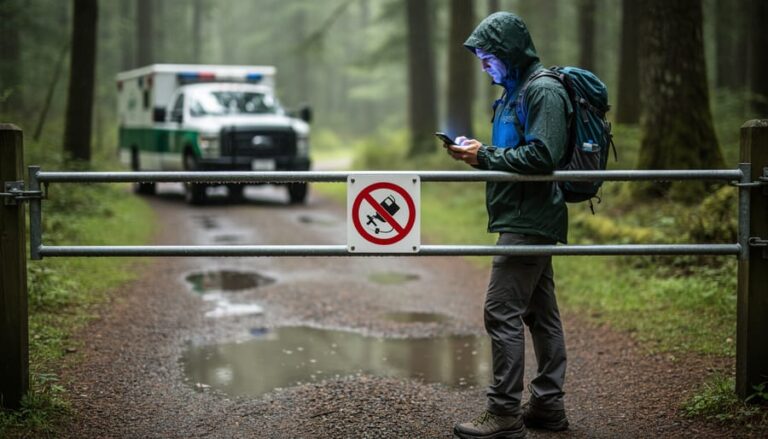
In case of injury, call emergency services immediately and seek medical attention, even for minor wounds. Remember to report any concerning wildlife encounters to local conservation authorities to help protect both wildlife and future visitors.
When to Contact Park Rangers
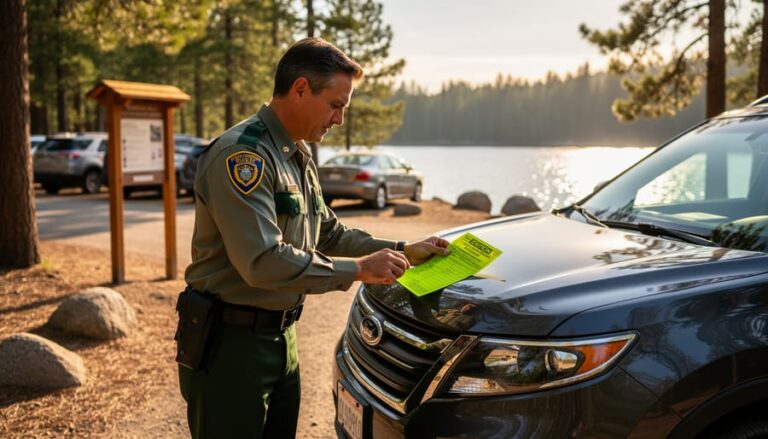
While most nocturnal wildlife encounters can be managed safely on your own, certain situations require immediate park ranger assistance. Contact rangers if you spot injured animals, witness aggressive behavior, or find wildlife too close to camping areas. Rangers should also be notified about any unusual wildlife patterns, such as nocturnal animals appearing during daylight hours, which might indicate illness or distress.
Emergency situations that warrant immediate ranger intervention include encounters with potentially rabid animals, discovery of orphaned young wildlife, or persistent wildlife problems around food storage areas. If you notice signs of poaching or illegal wildlife harassment, don’t hesitate to report it.
Remember, rangers are trained professionals who can safely handle wildlife situations while protecting both visitors and animals. They can also provide valuable guidance on proper wildlife observation techniques and help ensure everyone’s safety. Keep the park’s emergency contact numbers readily available during your visit, and don’t try to handle potentially dangerous situations on your own – that’s what our dedicated park rangers are here for!
As we embrace the wonders of Ontario’s nocturnal wildlife, let’s remember that responsible observation is key to both our safety and the animals’ well-being. By maintaining a respectful distance, using appropriate lighting, and following local guidelines, we can enjoy incredible encounters with these fascinating creatures while ensuring they remain undisturbed in their natural habitat. Remember, these nighttime animals are an essential part of our ecosystem, and our role as observers is to appreciate them from afar. Whether you’re spotting owls in Algonquin Park or watching raccoons from your backyard deck, practicing safe wildlife watching creates memorable experiences while protecting these remarkable creatures for future generations to enjoy. Let’s keep our curiosity alive while making sure our nocturnal neighbors stay wild and free.









+ There are no comments
Add yours