

Download AI-powered wayfinding apps before your visit to navigate Ontario’s zoos with real-time audio descriptions, barrier-free route mapping, and customizable accessibility filters that match your specific mobility needs. These intelligent assistants detect terrain changes, recommend rest stops, and alert you to sensory-friendly zones—transforming how visitors with disabilities experience wildlife attractions.
Ontario’s zoos are embracing groundbreaking technology that makes wildlife encounters genuinely inclusive. Smart wheelchairs with terrain sensors now glide across previously challenging pathways, while AI translation tools provide exhibit information in multiple formats including sign language avatars and simplified language options. Virtual queuing systems eliminate long waits in uncomfortable conditions, and predictive crowd-monitoring helps you avoid overwhelming situations.
The revolution extends beyond physical accessibility. Voice-activated guides answer questions about animals in real-time, machine learning algorithms personalize your route based on energy levels and interests, and augmented reality overlays provide close-up views for visitors who can’t approach enclosures. These innovations mean families with diverse abilities can finally explore together without compromise.
**Insider tip**: Request accessibility profiles through zoo apps 48 hours ahead—AI systems pre-plan your entire visit, booking reserved viewing times and coordinating with staff for seamless assistance. Many Ontario zoos now offer free accessibility technology trials, letting you test devices risk-free before committing to enhanced experiences that once seemed impossible.
Why Park Accessibility Matters More Than Ever

The Real Barriers Visitors Face
Picture Sarah, a wheelchair user from Toronto, arriving at her favorite Ontario park on a sunny Saturday morning. She’s excited to explore a new trail—until she realizes the park map doesn’t indicate which paths are actually wheelchair-accessible. What looked like a quick decision at the entrance turns into a stressful guessing game.
This scenario plays out daily across Ontario’s parks and zoos. Visitors face obstacles that go beyond physical barriers. Trail information often lacks crucial details about terrain conditions, grade levels, or width requirements. A path marked “accessible” might have steep sections, loose gravel, or roots that make navigation challenging for people using mobility aids.
Communication barriers create another layer of difficulty. Imagine a visitor with hearing loss trying to catch important safety announcements, or someone with cognitive differences struggling to process complex directional signage under time pressure. Even finding an accessible washroom in a sprawling park can become an exhausting adventure when real-time information isn’t available.
Many parents pushing strollers encounter similar frustrations—they just want to know which routes are manageable without lifting equipment over obstacles. The challenge isn’t always about permanent disabilities; temporary injuries, seniors with limited mobility, and families with young children all benefit from clear, detailed accessibility information.
The good news? Technology is finally catching up to address these everyday struggles, making Ontario’s natural spaces welcoming for everyone.
What AI-Powered Visitor Assistance Actually Means
Smart Chatbots That Understand Your Needs
Imagine having a knowledgeable park guide in your pocket, ready to answer your questions any time of day or night. That’s exactly what AI-powered chatbots are bringing to Ontario’s zoos and parks! These friendly digital assistants are revolutionizing how visitors with accessibility needs plan and enjoy their outdoor adventures.
These smart chatbots work alongside AI vision support technologies to create a complete accessibility support system. Available 24/7 through park websites or mobile apps, they can instantly answer questions about wheelchair-accessible pathways, sensory-friendly viewing times, or whether specific exhibits have audio descriptions.
What makes these chatbots truly special is their ability to learn about your specific needs and provide personalized recommendations. If you mention mobility challenges, they’ll suggest the easiest routes to see popular animals. Planning a visit with someone who has autism? The chatbot can recommend quieter times and less crowded areas.
Here’s an insider tip: many chatbots now communicate in over 100 languages, making Ontario’s natural attractions more welcoming to international visitors and newcomers. Simply select your preferred language and ask away!
The eco-friendly bonus? By getting detailed information beforehand, you’ll plan more efficient visits, reducing unnecessary travel around park grounds while ensuring you don’t miss any accessible features tailored to your needs.

Voice-Activated Park Guides
Imagine exploring a sprawling wildlife park without worrying about reading maps or missing exhibit information—that’s the beauty of voice-activated guide systems now popping up at Ontario’s nature attractions. These hands-free helpers work through smartphone apps or dedicated devices, allowing you to simply ask questions like “What birds can I see here?” or “Guide me to the nearest accessible washroom.”
For visitors with mobility challenges, voice navigation means you can keep both hands on your wheelchair or walker while still getting turn-by-turn directions. Those with visual impairments benefit from detailed audio descriptions of animals and habitats, creating a rich sensory experience without needing to read signs.
Here’s an insider tip: download the park’s app before you arrive and test the voice features at home. This gives you time to adjust settings like speech speed and volume without feeling rushed at the entrance. Many systems also offer offline mode—a lifesaver when you’re deep in the park with spotty cell service.
The technology creates a more independent, personalized visit. You can choose your own pace, repeat information as needed, and even get eco-friendly suggestions for the quietest trails to observe wildlife without disturbing their natural behaviors.
Real-Time Trail and Facility Updates
Picture this: you’re heading to the butterfly conservatory when your phone alerts you that the accessible entrance has a 15-minute wait, but the west entrance is currently clear. That’s AI working behind the scenes to make your zoo visit smoother!
Modern smart tech tools now monitor conditions throughout zoo facilities in real-time. These systems track everything from elevator availability and accessible washroom status to pathway obstructions caused by maintenance or weather. If a ramp is temporarily out of service, you’ll know before you arrive—no more disappointing surprises.
**Insider tip:** Enable push notifications on zoo apps to receive instant updates about crowding at popular exhibits. AI algorithms analyze visitor flow patterns and suggest quieter times to visit high-demand areas, helping you avoid overwhelming crowds.
Many Ontario zoos are also testing AI-powered crowd management that suggests alternative routes when pathways become congested. It’s like having a knowledgeable friend who knows exactly when to skip the main trail and take the scenic route instead—ensuring everyone enjoys a comfortable, stress-free experience while protecting the environment from overcrowding.
Ontario Parks Leading the Way
Parks Already Using Smart Assistance
Ontario’s outdoor attractions are leading the way in making nature more accessible for everyone. Here’s a look at parks already embracing smart technology to enhance visitor experiences.
**Toronto Zoo** has become a trailblazer with its AI-powered accessibility app launched in 2023. The app offers real-time navigation assistance specifically designed for visitors with mobility challenges, highlighting accessible pathways and rest areas throughout the 287-hectare property. What I love most is the voice-guided tour feature—it describes animals and exhibits in detail for visitors with visual impairments. Simply download the free app before your visit, and enable location services to get started. Insider tip: charge your phone fully beforehand, as GPS features drain batteries quickly.
**Algonquin Provincial Park** has introduced an innovative audio description system at key interpretive centers. Using your smartphone, you can scan QR codes at exhibits to hear detailed descriptions of wildlife displays, geological features, and Indigenous history. The system works offline too—perfect for areas with limited cell service. Download the content while you’re still at the visitor center connected to WiFi, and you’re set for your entire visit.
**African Lion Safari** (while technically in Cambridge) offers wheelchair-accessible trams equipped with tablet devices that provide augmented reality overlays. These tablets identify animals in real-time and share fascinating facts as you drive through the reserve.
First-time users, don’t hesitate to ask park staff for assistance—they’re trained to help visitors navigate these technologies. Most parks also offer printed accessibility guides as backups, ensuring everyone can enjoy the full experience regardless of their tech comfort level.
How These Tools Enhance Your Visit

Planning Your Accessible Adventure
Before you pack your bags, spend a little time with AI-powered tools to make your zoo or park visit truly accessible. Think of it as having a knowledgeable friend helping you map out the perfect day!
Start by exploring the zoo or park’s website—many Ontario attractions now feature smart interactive maps that let you check accessibility features from home. Look for details about paved pathways, rest areas, accessible washrooms, and wheelchair rentals. Many AI chatbots can answer specific questions like “What’s the closest accessible parking to the penguin exhibit?” or “Are there shaded rest spots along the main trail?”
**Insider tip:** Download any available apps before your visit—they often work offline, which is handy in areas with spotty cell service. Some even offer virtual tours that help you visualize the terrain and plan your energy levels throughout the day.
For camping enthusiasts, use booking platforms to filter for accessible campsites with features like wider parking pads, level tent areas, and nearby accessible facilities. Read recent reviews—fellow visitors often share practical details about pathway conditions and unexpected challenges.
Create a personalized itinerary based on your mobility needs, stamina, and must-see attractions. AI assistants can suggest optimal routes that minimize backtracking and maximize rest opportunities. Remember to check weather forecasts and plan accordingly—muddy paths can dramatically change accessibility conditions!
Getting Help When You’re There
Once you’ve arrived at your destination, AI assistance becomes your personal guide and problem-solver. Think of it as having a knowledgeable park ranger in your pocket, ready to help whenever you need it.
The most common way visitors use AI is simply by asking questions through their smartphones. “Where’s the nearest accessible washroom?” will instantly show you options with detailed accessibility features—grab bars, automatic doors, you name it. One visitor shared how she asked, “Which trails are stroller-friendly right now?” and discovered a beautiful path she would have otherwise missed.
Weather changes? No problem. AI systems monitor real-time conditions and can suggest alternative routes if your original plan becomes challenging. Last summer, when unexpected rain made a boardwalk slippery, the system automatically recommended a paved alternative with better shelter access.
**Insider tip:** Enable location services on your device before entering areas with spotty reception. The AI can still access downloaded maps and previously cached information, keeping you informed even when connectivity drops.
For emergencies, AI-powered systems connect you directly to park staff with your exact location already shared—crucial when every minute counts. Some parks now offer translation features too, breaking down language barriers for international visitors.
The beauty of this technology is its adaptability. Having a difficult day mobility-wise? Ask the system to recalculate your route with more frequent rest stops. It learns and adjusts to your specific needs, making your outdoor experience genuinely inclusive and stress-free.
Insider Tips for Making the Most of AI Assistance
Here’s my insider secret: download your zoo’s accessibility app *before* you arrive, ideally while connected to WiFi at home. This saves data and lets you familiarize yourself with features like the audio descriptions and interactive maps. Trust me, figuring out the navigation while wrangling excited kids at the entrance isn’t ideal!
Many visitors don’t realize that AI-powered wayfinding tools can do more than just show you the shortest route. Look for settings that let you filter paths by accessibility needs—whether that’s avoiding stairs, finding shaded routes on hot days, or locating the nearest accessible washroom. I’ve found these filters incredibly helpful when visiting with my elderly parents.
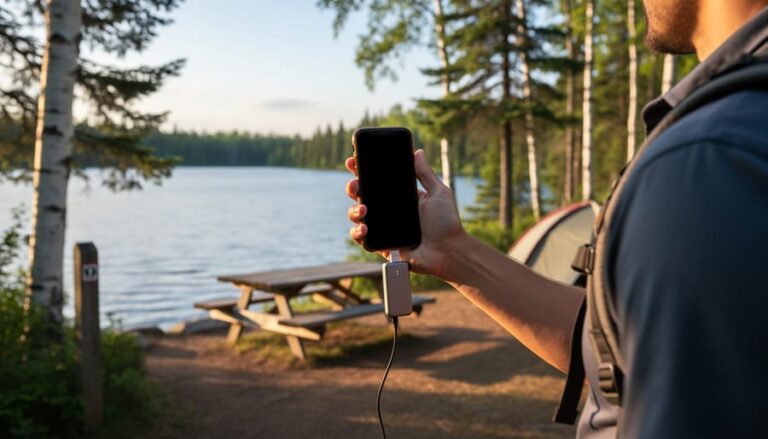
Here’s an eco-friendly tip that also enhances your experience: most virtual assistants work beautifully on low-brightness settings, which conserves your phone’s battery throughout the day. Bring a portable solar charger if you’ll be relying heavily on AI features—it’s sustainable and ensures you won’t miss out on those amazing AR animal encounters later in your visit.
Don’t overlook the voice command features! They’re genuinely useful when your hands are full with snacks, strollers, or camera equipment. Simply saying “show me accessible picnic areas nearby” feels futuristic and is surprisingly accurate.
Finally, enable notifications for real-time updates about crowd levels at different exhibits. The AI learns patterns and can suggest optimal visiting times for popular areas, making your experience more comfortable and less overwhelming. Some systems even alert you about spontaneous keeper talks or feeding sessions happening near accessible viewing areas—these unexpected moments often become the highlights of any zoo visit!
What’s Coming Next
The future of accessible park visits looks incredibly promising, and Ontario is poised to lead the way! Several exciting technologies are already in testing phases that could transform how everyone experiences our natural spaces.
Augmented reality (AR) navigation is perhaps the most game-changing development on the horizon. Imagine pointing your phone at a trail intersection and seeing personalized route suggestions that account for your specific mobility needs—complete with real-time information about trail conditions, rest areas, and accessible facilities along the way. Some parks are piloting these systems now, building on existing virtual park experiences to create on-site assistance.
Predictive accessibility alerts represent another exciting frontier. These AI systems will analyze weather patterns, maintenance schedules, and visitor traffic to send you advance notifications about potential accessibility challenges. Planning a visit next Tuesday? You’ll know beforehand if recent rain has made certain paths temporarily challenging or if construction affects accessible parking.
Community-powered updates are also gaining momentum, creating networks where visitors share real-time accessibility information. Think of it as crowdsourcing accessibility—if someone discovers a fallen tree blocking an accessible trail, the information gets instantly shared with others.
While these technologies won’t arrive overnight, pilot programs are already underway at select Ontario parks. The goal isn’t replacing human assistance but complementing it, ensuring everyone can confidently explore our incredible natural spaces regardless of their abilities.
Ontario’s parks and outdoor spaces are becoming more welcoming than ever before, thanks to these innovative accessibility technologies. Whether you’re planning your first visit or you’re a seasoned explorer looking for new adventures, there’s never been a better time to experience the natural wonders our province has to offer. The combination of AI-powered assistance, smart navigation tools, and thoughtful design means that mobility challenges, visual impairments, or hearing differences no longer need to hold you back from creating unforgettable memories in nature.
We encourage you to take that first step—or roll—into the great outdoors with confidence. Start by checking which parks near you offer the accessibility features you need, download the recommended apps, and don’t hesitate to contact park staff with questions before your visit. Your experience matters! Share your feedback with park managers about what worked well and where improvements could be made. Every comment helps shape the future of accessible outdoor recreation in Ontario, ensuring that tomorrow’s visitors will have an even better experience than today’s. The trails are waiting—let’s make them yours to explore.











+ There are no comments
Add yours