
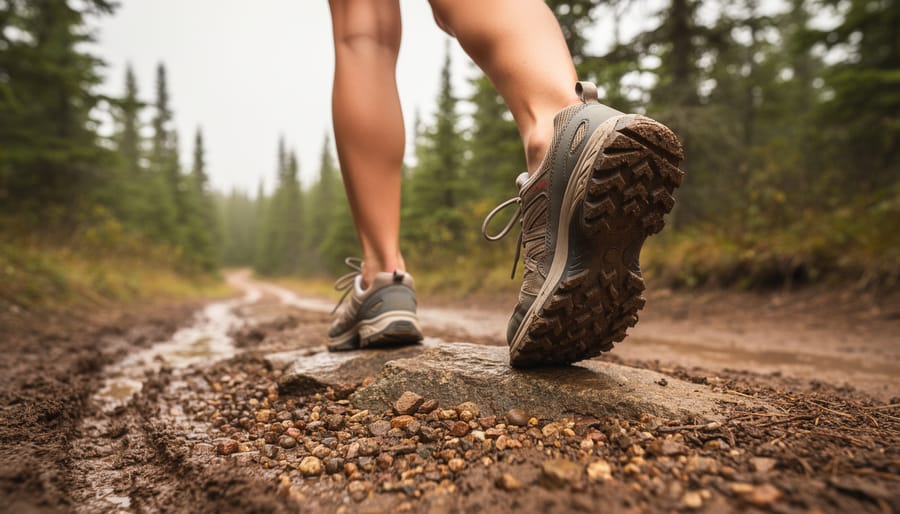
Finding the perfect pair of hiking shoes for women means understanding your feet first. Women’s feet have distinct anatomical differences from men’s, including narrower heels, higher arches, and different weight distribution patterns. Generic unisex designs simply won’t cut it when you’re tackling Ontario hiking trails that demand stability, comfort, and protection.
The terrain you’ll face matters more than brand names. Ontario’s diverse landscape throws everything at you: rocky Shield outcrops on the Bruce Trail, muddy spring conditions in provincial parks, and root-tangled paths through Algonquin’s backcountry. Your shoes need to match these challenges. Lightweight trail runners work beautifully for day hikes on maintained paths, while mid-height boots provide ankle support for scrambling over Canadian Shield granite.
Here’s what most buyers get wrong: they choose shoes based on looks or price alone, skipping the critical fit test. Your toes need a thumb’s width of space at the front when going downhill. The heel should lock in place without slipping. And those gorgeous boots in the display window? They’re worthless if the arch doesn’t align with yours.
This guide walks you through the top-performing women’s hiking shoes for 2026, tested on real Ontario trails. You’ll learn which features actually matter (spoiler: some “essentials” are just marketing fluff), how to break in new shoes without destroying your feet, and insider tips for extending the life of your investment.
Because the right pair doesn’t just protect your feet. It opens up every trail in the province.
Why Women’s Hiking Shoes Matter (They’re Not Just Smaller Men’s Shoes)
For years, I assumed women’s hiking shoes were just pink versions of men’s models, scaled down a size or two. Then I spent a miserable afternoon on the Bruce Trail with blisters on both heels and aching arches, and I learned the hard way that our feet are built differently.
Women typically have narrower heels relative to the forefoot, higher arches, and different pressure points than men. A quality women’s hiking shoe accounts for these differences with a sculpted heel cup that prevents slipping and blistering, arch support positioned where women actually need it, and a roomier toe box that accommodates our forefoot shape. When you’re navigating the rocky Canadian Shield terrain in Killarney or the steep limestone steps along the Niagara Escarpment, proper fit isn’t a luxury. It’s what keeps you stable, comfortable, and blister-free.
The difference shows up in real performance. Women-specific designs reduce hotspots that turn into painful blisters after five kilometres. They provide targeted support that prevents foot fatigue on long days covering the 890 kilometres of the Bruce Trail. The right shoe lets you focus on the spectacular views of Georgian Bay or the fall colours in Algonquin instead of counting down the minutes until you can take your boots off. I’ve watched too many friends tough it out in ill-fitting shoes, cutting hikes short or missing out on incredible backcountry experiences because their feet hurt too much to continue.
What to Look for in Your Next Pair of Hiking Shoes
Shopping for hiking shoes can feel overwhelming with all the technical specs thrown around, but focus on a few key features and you’ll find the right pair for Ontario’s trails. Here’s what actually matters when you’re comparing options.
**Waterproofing is your friend in Ontario.** Our springs are notoriously wet, and even summer trails cross boggy sections and creek beds. A waterproof membrane (like Gore-Tex) keeps your feet dry when you’re navigating those soggy stretches along the Bruce Trail or crossing streams in Algonquin. That said, waterproof shoes trade some breathability, so if you mostly hike in dry summer conditions, you might prefer a non-waterproof version that lets your feet breathe better.
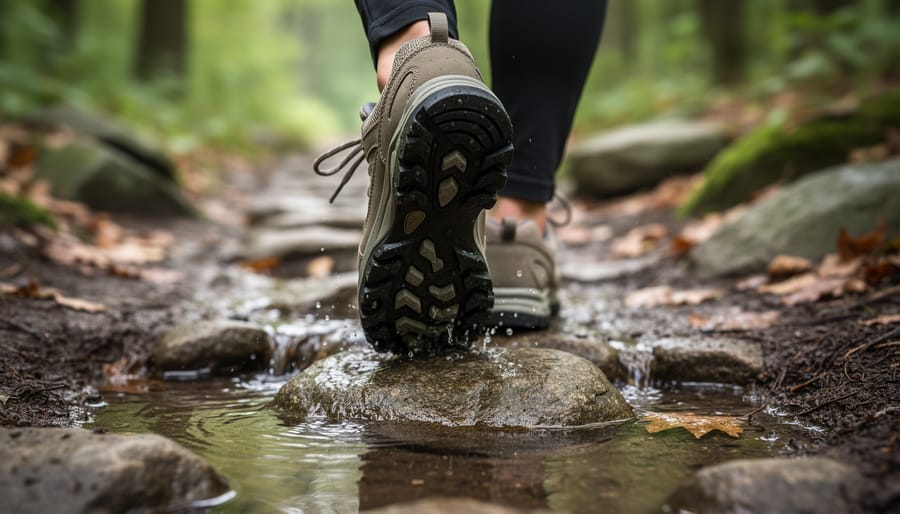
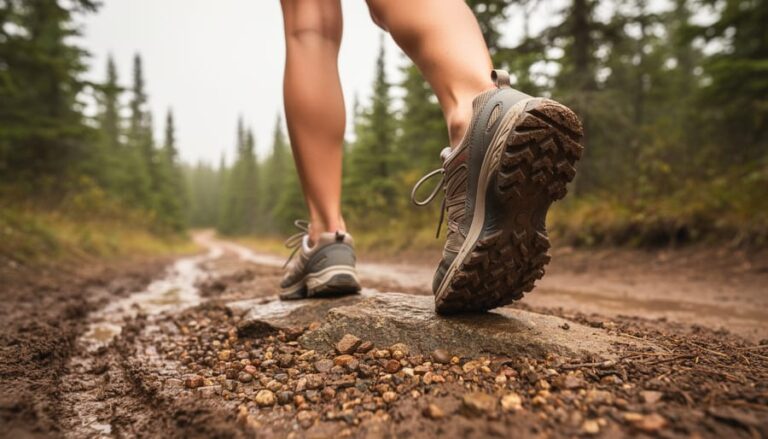
**Traction patterns make or breaks your confidence on rocky terrain.** The Canadian Shield’s exposed bedrock and granite slabs require aggressive lugs that grip both wet rock and loose gravel. Look for deep, multi-directional tread patterns, especially if you’re tackling steep sections on the Crack Trail or navigating Killarney‘s quartzite ridges. I’ve learned this lesson the hard way after slipping on a wet boulder.
**Ankle support depends on your hiking style and load.** Low-cut hiking shoes offer more freedom of movement and work great for maintained trails with day packs. If you’re carrying heavier loads on backpacking trips or have a history of ankle rolls, consider mid-cut options that provide extra stability without the bulk of full boots.
**Weight matters more than you’d think.** Every ounce counts when you’re logging kilometers on long trails. Lightweight shoes reduce fatigue, but shouldn’t sacrifice durability or support. Find the sweet spot between weight and the protection you need for your typical trails.
**Breathability keeps blisters at bay.** Even in cooler weather, your feet generate heat and moisture during a hike. Mesh panels and breathable materials help regulate temperature and wick sweat away, which is crucial for blister prevention on those all-day adventures through provincial parks.
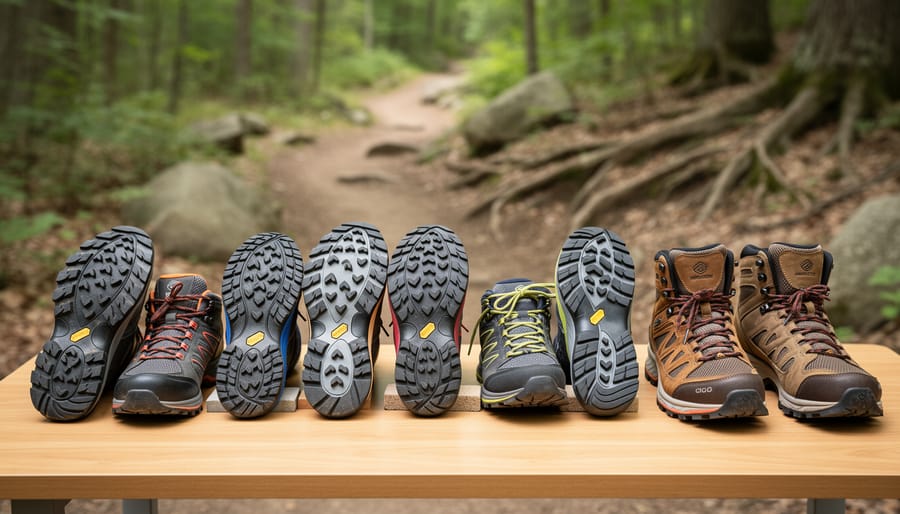
Top Hiking Shoes for Women in 2026: Tested on Real Trails
Best Overall: Salomon X Ultra 5 GTX
The Salomon X Ultra 5 GTX has earned its spot as the favorite in multiple 2026 hiking shoe guides for good reason, it truly excels on the kind of mixed terrain Ontario throws at you. Whether you’re navigating the rocky climbs along the Niagara Escarpment, tackling rooty forest trails in Algonquin, or crossing creek beds in Killarney, this shoe handles it all without forcing you to compromise.
What makes it stand out is how it balances everything you need without going overboard in any single direction. The waterproofing keeps your feet dry during those inevitable Ontario spring showers, while the traction pattern grips confidently on wet rocks and exposed Canadian Shield granite. It’s supportive enough for day-long adventures but doesn’t feel clunky or heavy when you’re covering distance.
I’ve watched countless hikers pull these on at trailheads across the province, and the consensus is consistent: they’re reliable, comfortable out of the box, and durable enough to last multiple seasons of regular use. For women building their first serious hiking kit or upgrading from worn-out shoes, the X Ultra 5 GTX represents a smart investment that won’t let you down on Ontario’s diverse trails.
Best Value Pick: Merrell Moab Speed 2
The Merrell Moab Speed 2 strikes that sweet spot between performance and affordability, making it perfect for weekend warriors exploring Ontario’s provincial parks. While it doesn’t carry the premium price tag of top-tier models, you won’t feel shortchanged on the trail.
This shoe handles the mixed terrain of places like Awenda or Frontenac Provincial Park with surprising confidence. The grip works well on both packed dirt and moderate rock scrambles, and the cushioning provides enough comfort for full-day outings without feeling mushy underfoot. It’s lighter than traditional hiking boots but still offers enough stability for uneven ground.
What really makes the Moab Speed 2 shine is its versatility. Whether you’re tackling a short nature trail with friends or committing to a longer route along the Ganaraska Trail, it adapts nicely. The fit runs true to size for most women, and the break-in period is minimal compared to stiffer models.
If you’re building your hiking kit without draining your savings account, or you hike a few times each season rather than every weekend, this shoe delivers honest value that’ll serve you well across Ontario’s diverse landscapes.
Best Budget-Friendly: Nortiv 8 Lightweight Comfort
If you’re testing the waters with hiking or simply want a reliable backup pair without draining your wallet, the Nortiv 8 Lightweight Comfort delivers surprising quality at a fraction of typical hiking shoe prices. I’ve recommended these to friends just starting out, and they’ve handled everything from sandy trails along Lake Ontario to muddy forest paths in local conservation areas without complaint.
Don’t expect Gore-Tex waterproofing or ultralight materials at this price point, but you will get decent traction, a supportive footbed, and durability that holds up through a season of regular weekend hikes. The toe box offers enough room for downhill descents, and the grip pattern handles wet rocks better than you’d expect from a budget option.
These shine for day hikes on well-maintained trails in provincial parks, making them perfect for newcomers building confidence before investing in premium gear. They’re also fantastic as car shoes, those you keep handy for spontaneous waterfall visits or quick nature walks when you weren’t planning to hike but can’t resist that trailhead.
Best for Cushioning: Hoka Speedgoat 7
The Hoka Speedgoat 7 stands out as the plushest option for women who tackle Ontario’s longer trails and need serious underfoot comfort. If you’ve ever finished a full day on the Bruce Trail with aching knees or sore feet, this shoe addresses exactly that problem.
What makes it special is the generous cushioning that absorbs impact without feeling unstable on uneven ground. I’ve watched friends with joint concerns rediscover their love of hiking after switching to maximally cushioned shoes like this one. The thick midsole doesn’t mean sacrificing grip, either. The aggressive lugs handle rocky sections and root-crossed paths without hesitation.
This shoe works particularly well for multi-hour hikes where fatigue becomes a factor. The extra cushioning reduces stress on knees and ankles during long descents, common on escarpment trails. It runs slightly heavier than minimalist options, but most hikers find the comfort trade-off worthwhile. If you plan to cover serious distance or need extra joint protection, the Speedgoat 7 delivers where it counts most.
Best for Backpacking: La Sportiva Spire GTX
When you’re planning a multi-day trek through Algonquin’s Highland Trail or navigating Killarney’s rugged backcountry with a loaded pack, the La Sportiva Spire GTX delivers the extra support your ankles and feet need. This shoe stands out for its robust construction that handles the weight of camping gear without compromising stability on uneven Canadian Shield terrain.
The higher ankle collar provides crucial support when you’re carrying 30-plus pounds over rocky sections, while the sturdy sole offers excellent traction on loose gravel and exposed bedrock common in Ontario’s wilderness parks. I’ve found this shoe particularly valuable on Frontenac’s longer loops where the trail shifts from smooth forest paths to challenging boulder fields within minutes.
Yes, the Spire GTX weighs more than lighter day-hiking options, but that trade-off makes sense when you need dependable performance under load. For serious backpackers tackling Ontario’s backcountry, this shoe provides the confidence to focus on the incredible scenery rather than worrying about your footing.
Best for Comfort: Altra Lone Peak 9
The Altra Lone Peak 9 has earned its reputation among women who’ve spent too many hikes wincing at hot spots and pressure points. What sets this shoe apart is Altra’s foot-shaped toe box, which lets your toes spread naturally instead of squeezing them together like most traditional hiking footwear does. That extra room up front prevents the pinching and numbness that can plague narrow-toed designs, especially on downhills.
The zero-drop platform (your heel sits at the same height as your forefoot) takes some getting used to if you’re coming from conventional hiking shoes, but many women find it eliminates the heel rubbing and Achilles irritation they’ve battled for years. The cushioning hits a sweet spot between plush comfort and trail feel, so you’re not sacrificing stability for softness.
If you’ve tried shoe after shoe without finding one that doesn’t hurt somewhere by mile three, the Lone Peak 9’s generous fit and thoughtful design might finally be your answer for tackling Ontario’s trails pain-free.
Best for Wide Feet: Topo Athletic Terraventure 4 WP
If you’ve ever felt like your feet are being squeezed into a vise on the trail, the Topo Athletic Terraventure 4 WP might be your answer. This shoe is specifically designed with a roomy toe box that lets your toes spread naturally, which is exactly what wide feet need on long hikes through places like Algonquin or the Bruce Trail.
The waterproof version handles Ontario’s muddy spring conditions and creek crossings without forcing your feet into that narrow tunnel shape found in most hiking shoes. Women with wide feet often end up buying men’s shoes, but those don’t account for our narrower heels and different arch placement. The Terraventure 4 WP actually fits like it was made for wide women’s feet, because it was.
The grippy outsole works well on wet roots and rocks, and the zero-drop platform feels natural if you’re used to walking barefoot or in minimalist shoes. Just know there’s an adjustment period if you’re coming from traditional hiking shoes with raised heels.
Matching Your Shoes to Ontario’s Diverse Trails
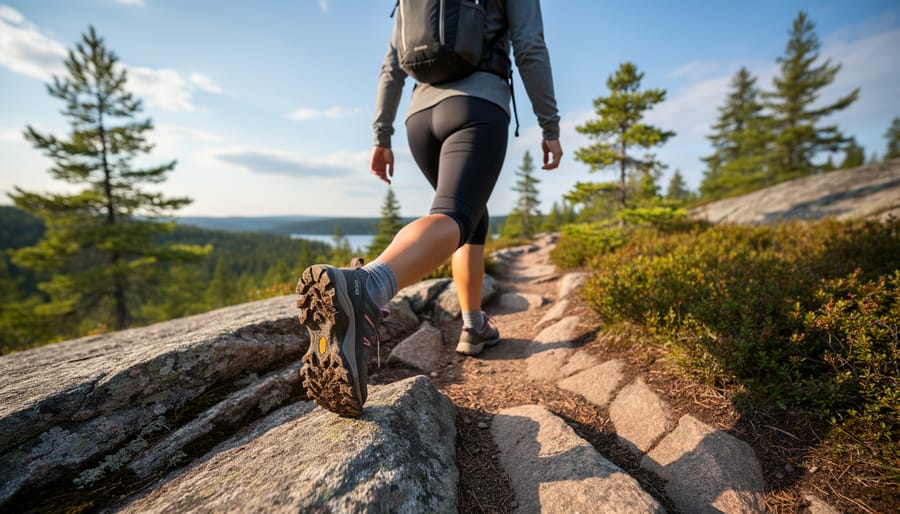
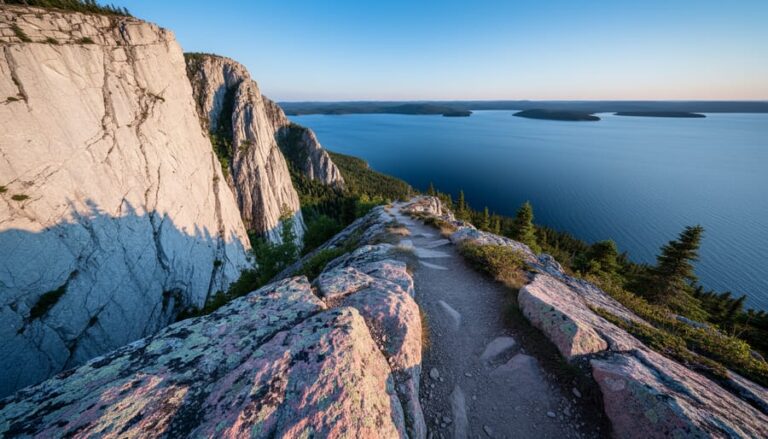
Ontario’s trail system is as varied as the province itself, and matching your footwear to the terrain makes all the difference between a great hike and a miserable one. The Canadian Shield’s exposed granite demands aggressive traction and toe protection, which is why shoes with sticky rubber outsoles and reinforced toe caps work best on trails like Killarney’s The Crack or any Bruce Trail section where pink granite dominates. If you’re tackling those rocky scrambles, prioritize grip over everything else.
Forest paths and well-maintained provincial park trails are more forgiving. These softer surfaces let you get away with lighter, more breathable shoes that won’t feel like overkill. Spring through fall, trails like those in Algonquin’s interior are often muddy after rainfall, so waterproofing becomes your best friend even on otherwise easy terrain.
| Trail Type | Key Shoe Features | Example Ontario Trails |
|---|---|---|
| Rocky Canadian Shield | Aggressive tread, toe protection, stability | The Crack (Killarney), Bruce Trail sections |
| Forested Paths | Waterproofing, moderate cushioning, breathability | Algonquin interior, Frontenac backcountry |
| Steep Escarpments | Ankle support, heel stability, strong grip | Rattlesnake Point, Devil’s Glen |
| Wetland Areas | Full waterproofing, quick-dry materials | Presqu’ile boardwalks, Wye Marsh |
Escarpment climbs require shoes with solid ankle support and heel stability. The Niagara Escarpment’s steep pitches test your footwear’s ability to handle both ascents and controlled descents, where your toes shouldn’t slam forward with every step.
Here’s an insider tip: consider the season as much as the trail type. Ontario’s spring trails stay wet well into May, making waterproof shoes essential even on routes that dry out completely by July. Fall hiking brings slippery leaves on forest trails, which is when traction patterns really prove their worth.
Breaking In Your Hiking Shoes the Smart Way
I learned this lesson the hard way after developing a nasty blister on my heel during a supposedly easy hike at Algonquin. Now I never skip the break-in process, no matter how comfortable new shoes feel in the store.
Start by wearing your new hiking shoes around the house for short periods, gradually increasing the time over several days. This lets the materials soften and conform to your feet without the consequences of being miles from the trailhead. Once they feel comfortable indoors, take them on short walks around your neighborhood on pavement and grass.
Next, test them on gentle trails close to home. Walk on some of the best local trails that offer easy exit points if discomfort develops. Pay attention to hot spots, which signal areas where blisters might form. Address these immediately with adjustments to your lacing technique or strategically placed moleskin.
During break-in hikes, wear the same sock thickness you’ll use on longer treks. This ensures the fit remains consistent when you tackle more challenging trails. If you notice persistent pressure points or numbness after several shorter outings, the shoes might not be right for your feet, and you should consider exchanging them while you still can.
Give yourself at least two weeks of regular wear before committing to a full-day hike or backpacking trip. Your feet will thank you.
Eco-Friendly Care Tips to Extend Your Shoes’ Life
Taking care of your hiking shoes the right way keeps them performing longer and reduces waste, aligning perfectly with Leave No Trace principles. After muddy excursions on Ontario’s trails, remove excess dirt with a soft brush before it dries and hardens. Rinse with cool water rather than hot, which can break down adhesives and waterproof membranes.
Air-dry your shoes at room temperature, stuffing them with newspaper to absorb moisture and maintain shape. Never place them near radiators or in direct sunlight, which degrades materials. Store them in a cool, dry spot away from extreme temperatures.
Reapply waterproofing treatment once or twice per season, depending on how often you hike. When the tread wears thin or the midsole loses its cushioning, consider resoling through the manufacturer if they offer the service. Choosing quality eco-friendly gear that can be repaired extends its lifespan significantly, keeping perfectly functional shoes out of landfills and reducing the environmental impact of manufacturing replacements.
Common Mistakes to Avoid When Buying Women’s Hiking Shoes
I’ve made plenty of mistakes buying hiking shoes over the years, and I’ve watched friends do the same. Here are the pitfalls worth avoiding before you spend your hard-earned money.
The most common error? Sizing down. Many women buy hiking shoes in their regular shoe size, but your feet swell on the trail, especially during long days exploring places like Algonquin or the Bruce Trail. You need about a thumb’s width of space in front of your longest toe. When I tried on my first pair in the store, they felt roomy, almost too big. After a full day hiking, they fit perfectly, and my toenails stayed intact.
Don’t get seduced by looks, either. That sleek, stylish pair might catch your eye, but if the tread pattern can’t handle Ontario’s rocky Shield terrain or wet spring conditions, you’ll regret it the moment you slip on a root-covered path. Function trumps fashion every single time.
Here’s another one: failing to walk on an incline when trying shoes on. Most stores have a ramp or stairs. Use them. Your heel should stay locked in place when you walk downhill. If it lifts, you’ll get blisters within the first kilometer.
Finally, waterproof doesn’t mean invincible. Some waterproof membranes work better than others, and none of them will keep your feet dry if water pours in over the top while crossing a creek. Know the limits of what you’re buying.
Finding the right hiking shoes is one of the best investments you can make for exploring Ontario’s incredible trail network. Whether you’re tackling the rugged escarpment along the Bruce Trail, wandering through Algonquin’s backcountry, or discovering hidden waterfall paths in your local conservation area, properly fitted footwear transforms these adventures from painful slogs into pure joy.
Take the time to try on multiple pairs, walk on inclines in the store, and break them in gradually before your first big hike. Your feet will thank you when you’re standing atop a Canadian Shield lookout or navigating a rocky stream crossing. And while you’re preparing for your next trail adventure, don’t forget to check your camp safety checklist if you’re planning an overnight trip.
Ontario’s provincial parks are waiting, and with the right pair of hiking shoes, there’s no limit to where your feet can take you. Happy trails!

+ There are no comments
Add yours