

Picture this: you arrive at your favorite Ontario provincial park on a gorgeous Saturday morning, only to find the parking lot full and a long line of disappointed visitors turning away. Now imagine a different scenario where your smartphone confirms your parking spot before you even leave home, the entry gate recognizes your vehicle automatically, and you breeze past the gatehouse while others wait in line. This is the promise of smart park technology, and while the term “gatech smart park” might sound like something from a tech campus in Georgia, it represents a growing movement transforming how we access and enjoy outdoor spaces right here in Ontario.
Smart park systems use connected technology, automated gates, digital reservations, and real-time capacity monitoring to make visiting parks smoother and more sustainable. Think of it as bringing the convenience of online restaurant reservations to your camping trip or day hike. Ontario Parks has already begun implementing elements of this technology across popular destinations, from automated license plate recognition at entry points to dynamic pricing that encourages visits during quieter periods.
Understanding how these systems work isn’t just about embracing technology for its own sake. Smart park infrastructure helps protect fragile ecosystems by preventing overcrowding, reduces your time spent in frustrating lineups, and gives park managers valuable data to improve trails, facilities, and visitor services. Whether you’re planning your first camping adventure or you’re a seasoned outdoor enthusiast, knowing how to navigate these emerging systems will enhance every park visit.
What Exactly Is the Georgia Tech Smart Park System?
The Technology Behind the Magic
The beauty of modern smart park entry systems is that they work seamlessly in the background, letting you focus on your adventure rather than logistics. Here’s what’s happening behind the scenes to make your park visit smoother.
Sensors embedded in parking areas continuously monitor which spots are occupied and which are free. These aren’t intrusive cameras—think of them more like motion detectors that simply register when a vehicle arrives or leaves. This real-time data feeds directly into mobile apps and online platforms, so you can check availability before you even leave home.
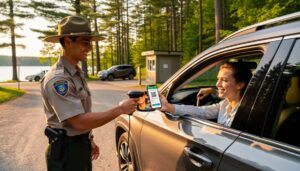
When you make a reservation through the app, the system allocates your spot and generates a unique entry code or digital pass. Automated gates recognize your confirmation and grant access without requiring staff intervention, which is especially helpful during early morning hours when you’re eager to catch that sunrise hike.
The reservation component is the real game-changer for preventing overcrowding. By capping daily visitors based on carrying capacity, parks protect sensitive ecosystems while ensuring everyone has space to spread out their picnic blanket. You’ll never arrive to find the trailhead impossibly packed.
Insider tip: Download the park app before your trip and enable notifications. You’ll receive updates about any last-minute availability or weather-related changes, plus handy reminders about your reservation times. This technology ultimately serves one purpose—keeping Ontario’s natural spaces accessible, enjoyable, and sustainable for generations to come.
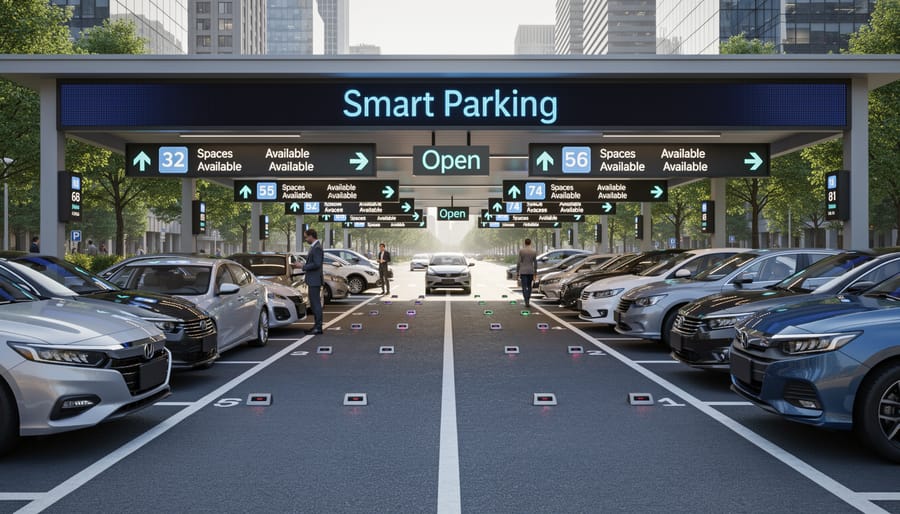
Why Smart Park Systems Matter for Ontario’s Outdoor Spaces
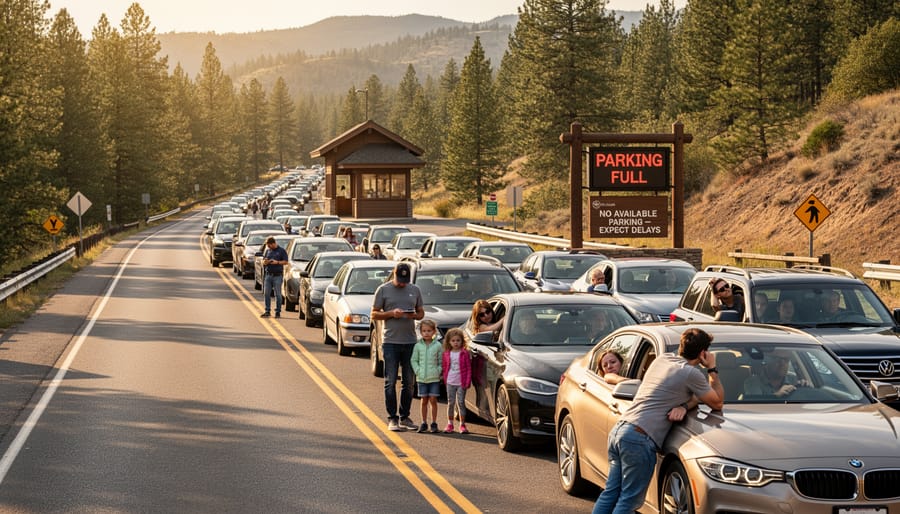
Say Goodbye to the ‘Lot Full’ Sign
Picture this: You’ve loaded up the car at dawn, driven three hours with excited kids in the backseat, only to arrive at your dream hiking destination and see those dreaded words: “Lot Full.” I’ve heard countless stories from fellow adventurers who’ve experienced this crushing disappointment. One family told me they’d driven from Mississauga to Algonquin, arriving at 10 a.m., only to turn around without setting foot on a trail.
Smart parking reservation systems are changing this frustrating game entirely. Think of it like booking concert tickets – you secure your spot ahead of time, no stress involved. Before you even pack your hiking boots, you can hop online and reserve your parking space for a specific date and time. No more playing parking lot roulette or arriving at sunrise just to guarantee entry.
The beauty of this system is simple: when you pull up to the park entrance, your spot is waiting. You’ve already paid, your vehicle is registered, and you can start your adventure immediately. It’s especially helpful during peak seasons when popular parks fill up by 9 a.m. Instead of wasting gas and time driving hopefully from park to park, you’ll know exactly where you’re headed.
Protecting Our Natural Spaces from Overcrowding
Here’s the thing about protecting our natural treasures—smart reservation systems aren’t just about convenience. They’re actually a brilliant conservation tool! When popular parks like Algonquin’s beaches manage visitor numbers through booking systems, they’re giving trails time to recover from foot traffic and preventing soil erosion that can take years to repair. I’ve watched areas bounce back after implementing these systems, with wildflowers returning and wildlife feeling comfortable enough to venture closer to pathways again.
The technology helps distribute visitors more evenly across park areas, reducing those trampled zones we’ve all seen where everyone congregates. This means sensitive ecosystems get breathing room, nesting birds aren’t constantly disturbed, and forest understory plants can actually thrive.
Want an insider tip? While everyone’s booking spots at the famous parks, consider exploring lesser-known gems like Frontenac Provincial Park or Petroglyphs Provincial Park. These quieter alternatives offer equally stunning experiences without the pressure on resources. You’ll often find better wildlife viewing opportunities too, since the animals are less stressed by constant human presence. It’s a win-win—you get a more peaceful adventure, and nature gets the protection it deserves.
Making Your Visit Smoother (And Less Stressful)
Picture this: instead of spending twenty precious minutes circling the parking lot at your favorite provincial park, you pull up, glance at your phone, and head straight to an available spot. That’s the beauty of smart parking technology in action.
With systems like these, you can check real-time parking availability before you even leave home. Planning a weekend getaway? You’ll know whether to arrive early or if there’s plenty of space waiting. Some parks even offer smart carpool parking options that reward you for travelling with friends.
The gate experience becomes smoother too. Pre-registered vehicles breeze through automated entry points, cutting those frustrating lineup times during peak summer weekends. I’ve watched families lose half their morning stuck at park entrances, and nobody wants that when there are trails to explore and picnics to enjoy.
Here’s an insider tip: download your park’s app the night before your visit. Set up your vehicle information and payment method in advance. When morning comes, you’ll skip the scramble and get straight to the good stuff—whether that’s catching the sunrise over the lake or claiming your perfect camping spot.
Ontario Parks Already Using Smart Entry Systems
What’s Working (And What Still Needs Improvement)
Let’s be real—Ontario’s smart park systems are still finding their footing. The good news? When the technology works, it’s brilliant. Online reservations at popular provincial parks have eliminated those frustrating dawn lineups, and real-time availability updates help you plan backup options when your first choice is full.
Here’s what’s genuinely working: The Ontario Parks reservation system now offers a smoother booking experience than it did a few years ago. The mobile-friendly interface means you can snag last-minute cancellations while sitting at a coffee shop. I’ve scored prime weekend spots this way more than once!
My insider tip for beating the rush? Set your alarm for exactly five months before your desired camping date—that’s when new bookings open. Have your account pre-loaded with payment info and your preferred sites bookmarked. Those peak summer weekends at Algonquin or Killarney fill up within minutes, no exaggeration.
What still needs work? The system occasionally crashes during high-traffic periods, and some smaller parks lack real-time occupancy updates. Cell service gaps also mean you can’t always access digital confirmations at park gates—print yours as backup!
The future looks promising with pilot programs testing automated entry gates and smart parking sensors at day-use areas. For now, patience and preparation are your best friends. Check the system midweek for weekend cancellations, and consider visiting shoulder seasons when availability opens up considerably.
How to Navigate Smart Park Reservation Systems Like a Pro
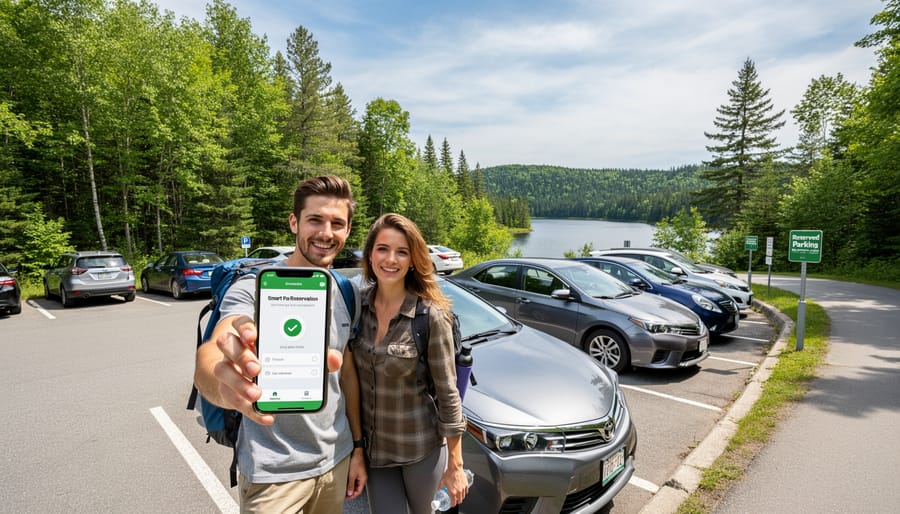
Booking Your Spot: Timing Is Everything
Here’s my insider secret: the moment reservations open is your golden window. Most Ontario parks using smart booking systems release dates exactly five months in advance at 7 AM. Set that alarm and have your coffee ready – popular weekends, especially long holiday weekends in summer, fill up within hours.
I’ve learned to be flexible with my dates when possible. Midweek bookings offer better availability and quieter trails, plus you’ll often snag premium spots that weekend warriors miss. If your heart’s set on a specific weekend, consider booking slightly off-season – late May or early September offer gorgeous weather with far less competition.
Here’s a game-changer: cancellations happen constantly. Smart park systems update availability in real-time, so check back frequently, especially the week before your desired dates. I’ve scored incredible last-minute spots by checking the app during my morning coffee routine. Some seasoned park-goers even check daily leading up to their trip.
Pro tip for the eco-conscious: choosing less popular parks or newer facilities helps distribute visitor impact across the system. You’ll discover hidden gems while supporting sustainable tourism practices that protect Ontario’s natural spaces for future generations.
What to Do When Technology Fails
Technology hiccups happen to the best of us! If the park’s app freezes or you lose cell signal (a common occurrence in Ontario’s wilderness areas), don’t panic. First, take screenshots of your reservation confirmations before leaving home—these digital receipts can work wonders with park staff. Keep confirmation emails downloaded offline or printed as backup. When systems go down completely, arrive early and speak directly with gate attendants who can manually verify bookings. Many parks maintain paper backup systems for exactly these situations. Pro tip: Download offline maps before your trip and note the physical address of nearby visitor centers. If you’re relying on park and ride options, save their contact numbers in your phone. Remember, park staff encounter tech troubles daily and are remarkably resourceful at finding solutions—they genuinely want you to enjoy your visit, technology willing or not!
The Future of Park Access in Ontario
The future of park access in Ontario is looking remarkably bright, and honestly, a little bit like science fiction coming to life. Within the next few years, we’re likely to see AI-powered crowd management systems that can predict busy times with incredible accuracy, helping you choose the perfect moment for that sunrise hike or peaceful canoe trip. Imagine receiving a personalized notification suggesting an alternative date when your favorite trail will be less crowded, or getting real-time updates about parking availability before you even leave home.
Dynamic pricing is another innovation on the horizon, though I know that might sound a bit daunting at first. The idea is simple: off-peak times cost less, encouraging visitors to spread out their visits throughout the week rather than everyone cramming into weekends. For budget-conscious travelers, this actually creates opportunities to explore parks at lower rates while enjoying quieter trails. Think of it like choosing a Tuesday morning over a Saturday afternoon and saving money while having a better experience.
The real game-changer will be integrated regional booking systems that let you plan entire outdoor adventures across multiple parks with a single reservation. Planning a week-long road trip through Northern Ontario? You could book campsite-to-campsite in one go, with the system automatically suggesting routes and available spots.
Here’s my insider tip: early adopters of these technologies will have the advantage. Download park apps now, create accounts, and familiarize yourself with the platforms. When these advanced features roll out, you’ll be ready to take full advantage while others are still figuring out the basics. The future of park access isn’t about keeping people out—it’s about making magical outdoor experiences accessible to everyone, sustainably.
So here’s the truth about smart parking systems: they’re not here to take away the adventure—they’re here to give you more of it. Instead of circling the parking lot at 10 a.m. on a summer Saturday, wondering if you drove two hours for nothing, you’ll already know your spot is waiting. The spontaneity doesn’t disappear; it just shifts from “Will we even get in?” to “Should we take the lakeside trail or explore that hidden waterfall today?”
Technology works best when it’s invisible, when it simply removes the frustrating bits so you can focus on what brought you outdoors in the first place. Smart reservation systems do exactly that—they handle the logistics while you handle the s’mores.
Ready to spend less time stressing and more time exploring? Next time you’re planning an Ontario park adventure, give the available smart booking systems a try. Reserve your spot ahead, arrive confident, and walk straight from your car to the trailhead. Because honestly, wouldn’t you rather spend those extra minutes watching the sunrise over the lake than hunting for parking? Your next outdoor memory is waiting—and now, so is your parking spot.








+ There are no comments
Add yours