
Track every marketing dollar you spend by setting up a simple spreadsheet that captures your campaign costs alongside the bookings or inquiries they generate. Most Ontario tourism operators discover they’re spending blindly on advertising without knowing which channels actually bring visitors through the door. Start by assigning unique phone numbers or booking codes to each marketing effort—whether that’s your Facebook ads, your partnership with local visitor centers, or your Google listings—so you can trace exactly where your guests found you.
Calculate your baseline return by dividing the revenue from tracked bookings by what you spent to get them. If your summer camping promotion cost $500 and brought in $2,000 in reservations, that’s a 4:1 return, or 300% ROI. This simple math transforms vague hunches about “what works” into concrete numbers that justify your budget and guide smarter decisions.
Focus on lifetime value rather than single transactions. That family who booked a weekend kayaking trip might return for three more visits and recommend you to friends. When you factor in repeat visits and referrals, a customer who initially looked like a modest return becomes your most valuable marketing outcome.
The beauty of measuring marketing ROI in Ontario’s tourism sector isn’t about complex analytics or expensive tools—it’s about connecting the dots between what you spend and who shows up. You’ll quickly spot which efforts deserve more investment and which are draining resources without results, letting you shift dollars toward strategies that actually fill your sites and grow your operation.
What Marketing ROI Really Means for Ontario Tourism
The Real Cost of Attracting Visitors
Let’s get real about what you’re actually spending to bring visitors through your gates. Marketing investment isn’t just the Facebook ads you’re running (though yes, those count!). It’s everything you put into getting the word out about your park or attraction.
Think about Sarah, who manages a conservation area in Eastern Ontario. When she tallied up her marketing costs, she discovered they included way more than expected: her Instagram ad budget, the photos she commissioned from a local photographer, the time her staff spent creating content, even the discount she offered to a travel blogger for that feature article. That staff time? It counts. Those promotional brochures at the visitor center? Yep, those too.
Your marketing investment typically includes paid advertising on social media and search engines, content creation costs like photography and video production, website maintenance and improvements, email marketing platform fees, and partnership programs with local tourism boards. Don’t forget the hidden costs: staff hours spent managing campaigns, promotional giveaways, and even that refreshed signage on the highway.
Here’s an insider tip: track everything for three months to see your true investment. Most park operators discover they’re spending 15-20% more than they thought once they account for staff time and indirect costs. Understanding these real numbers is your foundation for calculating meaningful ROI and making smarter decisions about where your marketing dollars actually work hardest.
Beyond Clicks: What Success Actually Looks Like
Here’s the thing about measuring marketing success: clicks and impressions tell you someone noticed you, but they don’t tell you if anyone actually showed up with a cooler full of snacks and a sense of adventure.
Real success in tourism marketing looks like tangible moments. Picture this: a family from Ottawa books a three-night camping trip instead of just passing through for an afternoon. That extended stay means more campground fees, more meals at local restaurants, and more memories that turn them into annual visitors. Length of stay matters because it deepens the economic impact and creates genuine connections with your destination.
When implementing digital marketing strategies, watch for patterns in visitor behavior. Are people coming back? A repeat visitor is worth their weight in trail mix because they’ve already done the marketing work for you, telling friends about that perfect sunset spot or secluded swimming hole.
Seasonal balance is another game-changer. Instead of everyone cramming into July and August, successful marketing spreads visitors across shoulder seasons. When your fall foliage campaign brings in September visitors, you’re maximizing infrastructure investments and giving staff steadier employment.
Track these metrics: actual visitor counts from registrations or parking data, average nights stayed, percentage of return visitors, and monthly distribution patterns. These numbers tell the real story of whether your marketing dollars are creating lasting impact or just fleeting digital moments.

Tracking What Matters: Analytics Tools You Can Actually Use
Website Analytics That Tell Your Story
Think of Google Analytics as your digital campfire story—it reveals what visitors are really doing on your website, not just what you hope they’re doing. Here’s the thing: most tourism operators I’ve met check their page views and call it a day, but that’s like knowing how many people walked past your trailhead without learning whether they actually hiked the path.
Start by setting up Goals in Google Analytics to track the actions that matter most. For instance, if you’re promoting a provincial park, create goals for completed camping reservations, clicked booking buttons, or downloaded trail maps. These specific metrics tell you whether your marketing dollars are actually converting browsers into visitors.
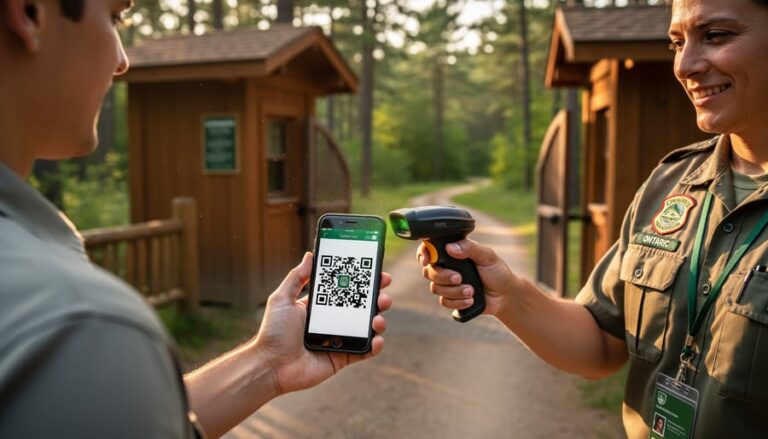
Here’s an insider tip: use UTM parameters on all your marketing links. They’re simple code snippets that tell you exactly which Facebook post, email, or ad drove someone to book. I once helped a small outfitter discover their Instagram stories were generating twice as many bookings as their expensive Google Ads—that knowledge saved them thousands.
Pay attention to your Behavior Flow report too. It shows the journey visitors take through your site. If people land on your hiking page but bounce before reaching the booking form, you’ve found your leak. Maybe they need clearer directions or better photos of what awaits them.
The secret is checking these numbers weekly, not quarterly. Small adjustments based on real behavior patterns—like moving your booking button higher or simplifying your reservation process—can dramatically improve your marketing ROI without spending another dime.
Social Media Insights Worth Your Time
Here’s what I’ve learned from tracking social media for our park operations: engagement rate matters way more than follower count. A post that sparks genuine conversations about trail conditions or wildlife sightings typically drives more bookings than one that just racks up likes.
Focus on tracking saves and shares, not just hearts and thumbs-ups. When someone saves your post about camping tips or shares your sunset photo, they’re essentially bookmarking your location for future reference. These actions correlate directly with website visits within the following two weeks.
Story views and completion rates on Instagram and Facebook tell you what content resonates. If people watch your entire 30-second video about canoeing routes, that’s gold. Monitor which stories prompt profile visits and link clicks to your booking page.
Here’s an insider tip: influencer partnerships work best when you track unique promo codes rather than vanity metrics. Give each collaborator a distinct booking code to measure actual conversions.
For eco-friendly digital marketing, repurpose content extensively. That stunning autumn photo can become a carousel post, story highlight, and email header. Schedule posts during off-peak energy hours when possible, and choose quality over quantity to reduce your digital carbon footprint while improving engagement rates.
The Power of Simple Surveys
Sometimes the simplest approach gives you the clearest picture of what’s working. Quick exit surveys at park gates or boat launches can reveal surprising insights about how visitors found you. At several Ontario provincial parks, rangers discovered through simple three-question surveys that nearly 40% of first-time campers came through Instagram posts featuring sunset photos over lakes. That single insight helped them shift budget toward visual content that actually converted into bookings. You don’t need fancy software either. A tablet at the check-in desk with questions like “How did you hear about us?” and “What made you choose our park?” gives you real data from real guests. One conservation area found that their Google ads were getting clicks but their website redesign actually drove visits, something they’d never have known without asking. The key is keeping surveys short, offering them at natural stopping points, and actually reviewing responses monthly to spot patterns that justify where your marketing dollars go.
Real Numbers from Real Ontario Attractions
When a Small Budget Made a Big Impact
Let me share a story that proves you don’t need deep pockets to see impressive results. A small conservation area near Peterborough was struggling with declining visitor numbers. Their entire marketing budget? Just $800 for three months.
Instead of spreading those dollars thin across multiple channels, they got creative. The manager reached out to five local micro-influencers (people with 2,000-5,000 followers who genuinely loved hiking) and offered them free season passes in exchange for authentic posts about their visits. No scripts, no corporate messaging, just real experiences.
The results were remarkable. Those five influencers created 23 pieces of content that reached 47,000 people organically. The conservation area tracked visitors using a simple promo code system and counted 312 new visitors directly from this campaign over eight weeks. With an average entry fee of $15 per vehicle (typically 2-3 people), they generated $4,680 in revenue from an $800 investment. That’s a 485% return.
Here’s the insider tip that made it work: they picked influencers who already visited similar places and had highly engaged audiences, not just large follower counts. They also made the visit experience photo-worthy by adding a few simple touches like a rustic welcome sign and marking a particularly scenic lookout point.
The takeaway? Authenticity and strategic targeting beat big budgets every time. Focus your limited resources where they’ll create genuine connections with your ideal visitors.
The Campaign That Looked Good but Failed
Let me share a story that still makes me wince a little. A mid-sized conservation area launched a stunning Instagram campaign featuring drone footage of their autumn trails. The visuals were breathtaking – fiery maples, misty morning valleys, the whole nine yards. Within two weeks, they’d racked up 50,000 likes and 3,000 shares. The marketing team was thrilled.
But here’s where things got real. When they tracked actual visitor numbers for the following months, attendance had barely budged – up just 2% compared to the previous year. Their gift shop sales stayed flat, and campground bookings actually dropped slightly. After investing $8,000 in content creation and ad spend, they’d generated maybe $1,200 in additional revenue. That’s an ROI of negative 85%.
What went wrong? The campaign looked gorgeous but missed crucial elements. First, there was no clear call-to-action – people admired the scenery but weren’t told how to visit or what to do when they got there. Second, the targeting was too broad, reaching nature lovers across North America instead of people within driving distance. Third, they posted during peak autumn colour when visitors were already committed to other destinations.
The lesson here? Beautiful content without strategic thinking is just expensive art. You need those vanity metrics paired with conversion tracking, smart targeting, and timing that matches your audience’s decision-making process.

Calculate Your Own ROI: A Simple Framework
The Basic Formula That Works
Here’s the truth: calculating marketing ROI doesn’t require a finance degree. The basic formula is wonderfully straightforward: subtract your marketing costs from the revenue generated, divide by those costs, then multiply by 100 to get your percentage.
Let’s make this real. Say you run a canoe rental business near Algonquin Park. You spend $500 on Facebook ads promoting weekend rentals, and those ads bring in $2,000 in bookings. Your calculation looks like this: ($2,000 – $500) ÷ $500 × 100 = 300% ROI. For every dollar spent, you earned three dollars back.
Another example: You manage a lakeside cabin resort and invest $1,200 in a spring email campaign to past guests. It generates $3,600 in new reservations. That’s ($3,600 – $1,200) ÷ $1,200 × 100 = 200% ROI.
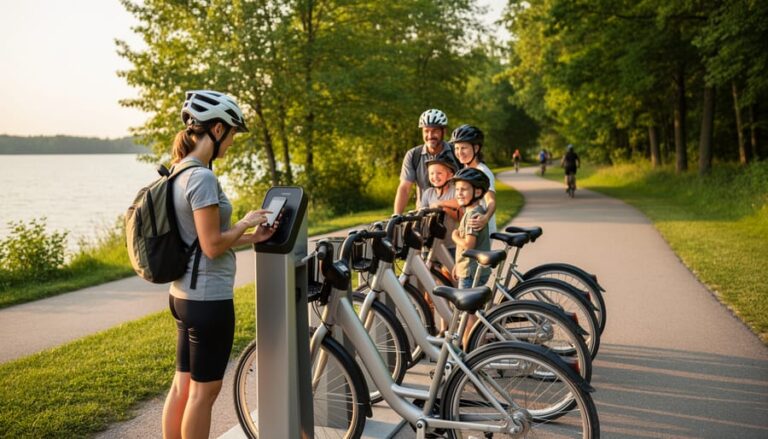
The trick isn’t the math—it’s tracking where your bookings actually come from. Ask guests how they heard about you. Use unique promo codes for different campaigns. Check your website analytics to see which marketing efforts drive traffic that converts into real reservations. Once you know what’s working, you can confidently invest more in those winning strategies.
Accounting for the Ripple Effect
Here’s the thing about marketing ROI that most spreadsheets miss: the ripple effect. When someone visits your park or books your tour, they don’t just spend money and disappear. They become storytellers, brand ambassadors, and often, repeat customers who bring friends along next time.
Think of it this way. A family of four visits your nature reserve after seeing your Instagram campaign. They spend $120 on admission and snacks. But here’s what happens next: they tell three other families about their amazing day. Two of those families visit within the next month. The kids go back to school raving about the experience, sparking a field trip booking. Dad posts photos that get shared 47 times. Suddenly, your $500 ad spend has generated way more value than that initial $120 transaction.
Smart operators track these indirect benefits by asking visitors how they heard about you and whether they’d recommend you to others. Set up a simple system to monitor social media mentions and online reviews. Many Ontario tourism businesses find that 60-70% of their visitors come through word-of-mouth, which means your marketing’s real job is creating those initial amazing experiences that people can’t help but share.
Don’t forget the regional economic impact either. When visitors come to your attraction, they’re also buying gas, grabbing dinner, and sometimes booking overnight stays. Local tourism boards often have multiplier data showing how each dollar spent at your business generates additional spending in the community. This broader impact can be powerful when justifying marketing budgets to stakeholders or applying for grants.
Making Your Marketing Work Harder
Target the Right Visitors at the Right Time
Here’s something I learned the hard way: not all visitors are created equal. When I first started tracking data for a provincial park, I was thrilled to see traffic spikes every weekend. But after digging deeper, I discovered that Tuesday and Wednesday visitors stayed longer, spent more on camping gear, and booked guided experiences. Those midweek guests became our golden opportunity.
Start by analyzing your booking data and website analytics to identify patterns. Look at which visitor segments convert best and spend the most. Are families from the Greater Toronto Area your bread and butter? Do international photographers book your premium experiences? Once you know who brings the highest value, you can focus your marketing dollars there instead of casting a wide, expensive net.
Seasonal timing matters enormously in Ontario tourism. Sure, everyone knows summer is peak season, but savvy operators find gold in the shoulder seasons. One conservation area I worked with discovered that marketing fall foliage experiences in August, when people were planning autumn getaways, doubled their September bookings. They shifted 30 percent of their budget to that critical window and saw returns skyrocket.
Here’s an insider tip: use your past visitor data to predict future patterns. Track when people book versus when they visit. Most families book spring camping trips in February and March, so that’s when your ads should run, not when the snow melts. This strategic timing turns good marketing into great ROI.

Small Tweaks That Double Your Results
Sometimes the biggest marketing wins come from the smallest adjustments. Think of these tweaks as the equivalent of adjusting your tent stakes before a storm – tiny efforts that prevent big problems.
Start by testing your call-to-action buttons. I’ve seen park operators double their booking inquiries simply by changing “Learn More” to “Check Availability.” The difference? Specificity. People want to know exactly what happens when they click.
Next, optimize your response time. Reply to inquiries within an hour and you’ll capture visitors while they’re still planning. Set up auto-responders with helpful information and links to your most popular experiences. One campground owner told me she recovered thousands in potentially lost bookings just by implementing a simple “Thanks for reaching out – here’s what you need to know” email that goes out instantly.
Consider your photography too. Swap generic landscape shots for images showing real visitors enjoying your space. Photos with people in them generate 38% more engagement because they help potential guests picture themselves there.
And here’s an insider tip that aligns perfectly with current trends: highlight your eco-friendly tourism approaches. Mention your waste reduction programs, native species protection, or sustainable infrastructure in every third social post. Today’s travelers actively seek out environmentally responsible destinations, and showcasing your green initiatives costs nothing but delivers measurable returns. These visitors often spend more, stay longer, and become enthusiastic advocates for your park.
Common Mistakes That Tank Your ROI
Let’s talk about the mistakes I see tourism operators make all the time – not because anyone’s doing a bad job, but because measuring marketing ROI can feel like navigating a foggy trail without a map.
The biggest mistake? Not tracking anything at all. I’ve chatted with wonderful campground owners and tour operators who pour money into Facebook ads or brochures, then shrug when I ask what worked. They’re flying blind! Start simple: ask every booking “How did you hear about us?” and actually write it down. You’d be surprised how revealing this basic step can be.
Another common pitfall is expecting instant results. Tourism marketing isn’t like flipping a light switch. Someone might see your Instagram post in March, browse your website in May, then finally book in July. If you’re only looking at immediate conversions, you’re missing the whole story. Give campaigns at least three to six months to show their true colours, especially for seasonal attractions.
Here’s one that hurts ROI without you realizing it: ignoring your existing customers while chasing new ones. It costs five times more to attract a new visitor than to bring back a happy past guest. Yet I see operators spending their entire budget on acquisition while their email list collects dust. Those previous visitors already love you – a simple “We miss you!” campaign can deliver amazing returns.
Many folks also confuse activity with results. Posting daily on social media feels productive, but if those posts don’t drive bookings or inquiries, what’s the point? Focus on what moves the needle, not what fills your calendar.
Finally, there’s the “set it and forget it” trap. Markets change, seasons shift, and what worked last year might flop this year. Review your numbers monthly, stay curious, and be willing to adjust your approach when something isn’t working.
Here’s the truth I want you to walk away with: measuring your marketing ROI doesn’t require a degree in analytics or a fancy tech stack. You’ve already taken the biggest step by caring enough to read this far. That curiosity? That’s what transforms good tourism operators into great ones.
I’ve seen campground owners who started with nothing more than a simple spreadsheet and a commitment to asking guests “How did you hear about us?” Within just one season, they identified which channels brought them the most bookings and shifted their budget accordingly. Their revenue jumped 23% the following year. No complicated software, no marketing agency, just consistent tracking and smart adjustments.
So here’s my challenge to you: pick one thing from this article and implement it this week. Maybe it’s setting up that basic tracking spreadsheet. Perhaps it’s adding UTM parameters to your next Facebook post. Or simply creating a standard question to ask every guest at check-in. Just one small change.
Remember, every tourism giant in Ontario started somewhere. The difference between thriving operators and struggling ones isn’t access to resources, it’s willingness to measure, learn, and adapt. Your guests are out there right now, searching for their next adventure. When you understand which marketing efforts bring them to your door, you’re not just spending money, you’re investing in experiences that’ll keep them coming back and telling their friends.
Start today. Your future self will thank you.










+ There are no comments
Add yours