

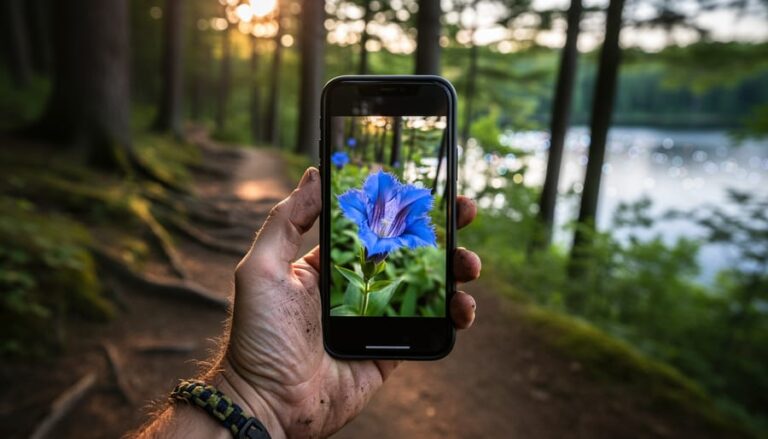
Point your smartphone camera at that unfamiliar wildflower along the trail, and within seconds, artificial intelligence identifies it as a rare Fringed Gentian. This is bio-AI in action—technology that’s transforming how we explore and understand Ontario’s incredible plant diversity.
Bio-AI combines biological knowledge with machine learning to instantly recognize plants, trees, and fungi through simple photos. What once required hefty field guides and years of botanical training now fits in your pocket. Apps like iNaturalist, PlantNet, and Seek have democratized nature identification, turning every park visit into an opportunity for discovery and citizen science.
For Ontario’s outdoor enthusiasts, this technology does more than satisfy curiosity. It helps you avoid poison ivy on backcountry trails, identify edible berries during camping trips, and track seasonal blooms across different parks. You’re contributing real data to biodiversity databases that researchers use to monitor ecosystem health and climate change impacts across the province.
The accuracy is remarkable—often matching expert botanists—but the real magic happens when technology deepens your connection to nature rather than distracting from it. Instead of scrolling past a trailside flower, you stop, observe, photograph, and learn its story. That common-looking plant becomes a Trillium grandiflorum, Ontario’s official flower, with fascinating pollination strategies and cultural significance.
Whether you’re hiking Algonquin’s backwoods or strolling Toronto’s ravines, bio-AI transforms passive observation into active engagement, making every outing an educational adventure that contributes to conservation efforts.
What Exactly is Bio-AI? (And Why Should You Care)
Picture this: you’re hiking through Frontenac Provincial Park, and you spot a wildflower you’ve never seen before. Instead of wondering what it is or fumbling through a heavy field guide, you simply point your phone at it, and within seconds, you have the answer. That’s bio-AI in action, and it’s changing how we explore Ontario’s natural spaces.
Bio-AI is essentially where cutting-edge artificial intelligence meets the wonderful world of biology. Think of it as having a knowledgeable botanist, ecologist, and wildlife expert right in your pocket, available 24/7. These smart tools use sophisticated image recognition and massive databases of plant and animal information to identify species instantly. Just snap a photo, and the AI analyzes patterns, colors, leaf shapes, and countless other features faster than any human could.
The practical benefits for your Ontario park adventures are genuinely exciting. No more leaving trails to check visitor centers for species information. No more grainy photos stored on your phone with the eternal question mark of “what was that beautiful bird?” Bio-AI apps give you instant identification, complete with fascinating ecological details, conservation status, and even which other parks you might spot similar species. It’s educational and empowering, especially for families wanting to teach kids about biodiversity.
Similar to how AR wildlife tours enhance your viewing experience, bio-AI tools deepen your connection with nature by transforming curiosity into knowledge. You’ll find yourself noticing details you’d have previously overlooked, building a richer understanding of the ecosystems surrounding you on every trail.

How AI Plant Apps Are Changing the Game in Ontario’s Parks
Instant Plant ID Right on the Trail
The beauty of bio-AI apps is how they work right in your pocket, even when you’re hours from the nearest Wi-Fi signal. During a hike through Frontenac Provincial Park last summer, I spotted an unusual wildflower along the Rideau Trail with delicate purple petals I’d never seen before. I pulled out my phone, opened my plant ID app, and snapped a quick photo. Within three seconds, the results appeared: Wild Bergamot, a native Ontario species that attracts hummingbirds and bees.
The process couldn’t be simpler. You frame the plant in your camera viewfinder, making sure to capture clear details of the leaves, flowers, or bark. Tap the button, and the AI instantly analyzes thousands of characteristics, comparing your image against millions in its database. Most apps show you the top matches with confidence percentages, plus detailed information about the species.
I’ve found these tools especially helpful in Algonquin Park’s diverse ecosystems. One afternoon near Lake Opeongo, I used the app to identify five different fern species within a ten-minute stretch of trail. Each identification came with fascinating details about the plant’s role in the forest ecosystem and whether it’s edible or medicinal.
Here’s an insider tip: take photos from multiple angles if the first result seems uncertain. Close-ups of leaves, bark texture, and flowers give the AI more data to work with, improving accuracy dramatically.
Contributing to Conservation While You Hike
Every plant you identify with bio-AI isn’t just enriching your own hiking experience—it’s contributing valuable data to scientific research. When you snap a photo of that mysterious wildflower along the trail, you’re joining thousands of citizen scientists helping researchers track biodiversity patterns, monitor the spread of invasive species, and assess ecosystem health across Ontario’s parks.
Here’s what makes this so powerful: your observations create timestamped, GPS-tagged records that scientists can access. If you photograph garlic mustard invading a forest floor or spot a rare orchid in an unexpected location, that information helps park managers make informed conservation decisions. It’s similar to how AI cameras tracking wildlife and smart sensors monitoring ecosystems contribute to conservation efforts—except you’re the sensor.
Insider tip: Ontario Parks has partnered with several bio-AI platforms to create targeted citizen science initiatives. Look for special “BioBlitz” events at parks like Algonquin and Killarney, where your plant identifications during specific weekends contribute to comprehensive biodiversity surveys. Some parks even have designated monitoring zones where your regular observations throughout the season help track seasonal changes and climate impacts. Download the recommended apps before your visit, and you’ll see which parks have active research projects you can contribute to—turning every hike into meaningful conservation action.
Learning Nature’s Stories Through Your Screen
Here’s where bio-AI really shines for families and nature enthusiasts exploring Ontario’s incredible parks. These apps aren’t just telling you what plant you’re looking at—they’re opening up entire worlds of knowledge right on your phone. When my nephew identified a trillium last spring, the app shared that it takes 15 years for one to bloom from seed, which sparked an amazing conversation about patience and forest ecosystems.
Most plant identification tools now include fascinating details about traditional uses, medicinal properties, and the plant’s role in local ecosystems. You might discover that the cedar trees lining your hiking trail were used by Indigenous peoples for canoe-building, or that those tiny wildflowers feed specific pollinator species. It’s like having a friendly naturalist in your pocket, minus the university lecture.
For kids, this transforms a simple walk into a treasure hunt. They’re learning about photosynthesis, Indigenous knowledge, and biodiversity without realizing they’re studying—they’re just having fun identifying plants and collecting digital “discoveries.” Parents tell me their children suddenly notice details they’d normally walk right past.
The educational content varies by app, but many now include ecological relationships—showing you what animals depend on each plant, which species grow together, and why certain plants thrive in specific Ontario habitats. This deeper understanding makes every park visit richer, turning casual hikers into informed stewards of our natural spaces. You’ll start seeing the forest as an interconnected community rather than just pretty scenery.

The Best Bio-AI Apps for Ontario Nature Lovers
Ready to transform your Ontario hiking adventures with some seriously cool plant identification tech? I’ve tested these bio-AI apps across provincial parks from Algonquin to Lake Superior, and here’s what actually works when you’re deep in the backcountry.
iNaturalist remains the gold standard for Ontario nature lovers. This free app doesn’t just identify plants – it connects you with a community of naturalists who verify your findings. The pros? It works remarkably well with Ontario’s native species, from trilliums to tamaracks, and your observations contribute to actual biodiversity research. The catch? You’ll need cell service for the AI identification feature, though you can snap photos offline and upload later. Perfect for beginners who want to learn while exploring, and the social aspect makes it genuinely fun.
For serious backcountry adventurers, PlantNet is your best friend. I’ve relied on this one during multi-day canoe trips in Killarney Provincial Park, and its offline functionality is a game-changer. Download the regional database before you leave civilization, and you’re set. The interface takes a bit of learning, but the identification accuracy for Canadian flora is impressive. One insider tip: photograph the leaves, flowers, and bark separately for better results.
Picture This offers the most polished user experience with impressive speed, identifying plants almost instantly. It’s subscription-based (around $30 annually), but the detailed care information and disease diagnosis features are worth it for gardeners who also love wild plants. The downside? It occasionally misidentifies less common Ontario natives, so cross-reference important finds.
Seek by iNaturalist deserves a special mention for families. This kid-friendly version gamifies plant discovery with challenges and badges. My niece became obsessed with finding different fern species at Presqu’ile after using it – talk about getting the next generation excited about biodiversity!
Whichever app you choose, remember that bio-AI is a learning tool, not gospel. When you spot something special, snap multiple angles, note the habitat, and enjoy the discovery process. These digital field guides enhance our connection to Ontario’s incredible ecosystems without replacing the wonder of exploration.
Insider Tips for Getting the Most Accurate Results
Getting sharp, useful results from plant ID apps isn’t always automatic, but a few simple tricks make all the difference. I learned this the hard way after my first attempts yielded three different species suggestions for the same wildflower!
Lighting is your best friend here. Natural, diffused light works beautifully—think overcast days or shaded areas where the sun isn’t creating harsh shadows. If you’re out on a bright afternoon, position yourself so the sun is behind you, illuminating the plant evenly. Avoid backlighting, which turns your subject into a silhouette and confuses the AI.
Get close, but not too close. Capture the whole plant if possible, including leaves, flowers, and stem structure in a single frame. The AI analyzes multiple features simultaneously, so showing context helps tremendously. For trees, photograph both the bark texture and leaf arrangement. With wildflowers, include several blooms at different angles if available.
Here’s an insider tip: photograph distinctive features separately too. Take one shot of the overall plant, then close-ups of the flower, leaf pattern, and any unique characteristics like fuzzy stems or unusual seed pods. This gives you backup options if the first photo doesn’t yield clear results.
Common mistakes? Blurry photos top the list. Steady your hand or use a nearby rock or tree for support. Also, avoid photographing wilted or damaged specimens—healthy plants give the most accurate matches.
Most importantly, practice leave-no-trace photography. Never pick or uproot plants for better shots. Kneel beside them, move carefully around delicate root systems, and resist trampling surrounding vegetation. The best nature photographers work within the landscape, not against it. Your patience rewards you with better photos and helps preserve Ontario’s incredible plant biodiversity for everyone to enjoy.

When the AI Gets It Wrong (And What to Do About It)
Here’s the thing about AI plant identification apps: they’re incredibly helpful, but they’re not infallible. I learned this firsthand during a hike in Algonquin Park when my app confidently identified a cluster of white flowers as wild leeks, when they were actually potentially toxic lily-of-the-valley. Always cross-reference your results, especially before touching or considering any plant for foraging.
These apps work best with clear, well-lit photos of distinctive features like flowers or unique leaf patterns. They struggle with young plants, partial views, or species that look remarkably similar. Think of them as enthusiastic hiking buddies who sometimes get overexcited and jump to conclusions.
Your safety strategy should be simple: never eat, touch, or disturb any plant based solely on an app’s identification. If you’re curious about edible or medicinal plants, consult field guides, take a guided nature walk with park naturalists, or connect with local botanical experts. Many Ontario parks offer interpretive programs where knowledgeable staff can teach you reliable identification skills.
The real magic happens when you use these tools as learning aids rather than definitive answers. Snap that photo, get the AI’s suggestion, then dig deeper. Read about the plant’s habitat preferences, bloom times, and look-alike species. Over time, you’ll develop your own observation skills and the app becomes less of a crutch and more of a companion that enhances your nature knowledge. That’s when exploring Ontario’s incredible plant diversity becomes truly rewarding.
Ready to transform your next Ontario park adventure? Armed with these bio-AI tools, you’re not just a visitor anymore—you’re a citizen scientist, a conservation contributor, and a nature detective all rolled into one. Whether you’re hiking the rugged trails of Frontenac or strolling through a local conservation area, these apps turn every plant encounter into an exciting discovery moment.
Here’s my insider tip: start small. Download one or two apps before your next outing, practice on plants in your backyard, and you’ll feel confident identifying species on the trail. The more observations you log, the more you’re helping researchers understand Ontario’s incredible biodiversity and how it’s changing over time.
The beauty of AI-enhanced conservation technology is that it makes nature accessible to everyone—no botany degree required. You’ll find yourself noticing details you’d normally walk right past, from the subtle veining on a trillium leaf to the unique bark patterns of Ontario’s native trees.
So charge up your phone, lace up your hiking boots, and get ready to experience Ontario’s parks through fresh, curious eyes. Every plant you identify helps paint a bigger picture of our natural heritage. Happy exploring!






+ There are no comments
Add yours