

Picture this: It’s a gorgeous Saturday morning, you’ve packed the car with camping gear, and you’re ready for that long-awaited weekend at your favorite provincial park. You arrive at the gate only to hear those dreaded words: “Sorry, we’re at capacity.” Sound familiar?
Park reservation software has transformed how we experience Ontario’s incredible outdoor spaces, turning that frustrating scenario into ancient history. These smart systems let you secure your perfect campsite, picnic shelter, or day-use spot weeks in advance, right from your phone while sipping morning coffee. No more crossed fingers or wasted gas driving to full parks.
The technology works like your favorite restaurant booking app, but instead of tables, you’re claiming your slice of wilderness paradise. Real-time availability updates show exactly which campsites overlook the water, which trails have parking spots open, and when that popular beach area has space. You’ll see photos, amenities, and even reviews from fellow adventurers before clicking “reserve.”
Beyond convenience, these systems help protect the natural spaces we love. By managing visitor numbers, parks prevent overcrowding that damages delicate ecosystems and trails. You get a better experience with less congestion, while Ontario’s forests, lakes, and wildlife thrive. It’s outdoor recreation reimagined for the modern age, making spontaneous weekend getaways and carefully planned family vacations equally stress-free.
What Makes Park Reservation Software ‘Smart’?
I’ll never forget the summer I tried booking a campsite at Algonquin Park the old-fashioned way—calling first thing in the morning, only to hear a busy signal for two hours straight! Fast forward to today, and the difference is remarkable. Modern park reservation software has transformed that frustrating experience into something that takes mere minutes from your phone.
So what exactly makes these systems “smart”? It all comes down to three key technologies working together seamlessly.
First, there’s real-time availability tracking. Gone are the days of wondering if a campsite is actually free or if someone else just snagged it while you were filling out forms. Smart systems update instantly as reservations are made, giving you an accurate picture of what’s available right now. Think of it like watching concert tickets disappear in real-time—except you’re the one securing that perfect lakeside spot.
Mobile accessibility is the second game-changer. Whether you’re planning months ahead from your couch or making a last-minute booking from a highway rest stop, these systems work beautifully on smartphones and tablets. The best platforms integrate with digital park entry systems too, letting you manage everything from reservations to gate access in one place.
Finally, automated features handle the boring stuff. Smart systems send you confirmation emails, remind you about upcoming trips, process cancellations automatically, and even suggest alternative dates if your first choice isn’t available. Some platforms now offer waiting lists that notify you immediately when someone cancels your dream campsite.
Here’s an insider tip: these systems typically release cancellations back into availability within minutes. If you’re flexible with dates, checking the system regularly can reveal unexpected gems, especially during peak season. The technology works for you, not against you.

The Real Benefits You’ll Notice Right Away
No More Midnight Booking Scrambles
Remember those anxiety-inducing midnight booking sessions when reservations for popular Ontario parks would open? You’d set three alarms, brew strong coffee, and cross your fingers that the website wouldn’t crash while everyone else in the province had the same idea. Those days are largely behind us, thanks to smarter park reservation software.
Modern systems spread out the booking chaos through lottery systems and rolling release windows. Instead of everything dropping at once, some parks now release campsites in waves or use randomized queues that assign you a spot in line. This means you’re not frantically refreshing your browser at 7:00 AM sharp, competing against thousands of others.
Here’s an insider tip: sign up for park email notifications to learn about mid-week reservation releases. Many systems now add newly available sites on Tuesdays or Wednesdays when cancellations are processed. You’ll find way less competition than during the main booking windows.
The software also remembers your preferences, making rebooking faster if your first choice isn’t available. Plus, mobile-friendly interfaces mean you can secure that lakeside spot during your lunch break instead of hunching over your laptop at midnight. It’s a more civilized approach that gives everyone a fair shot at enjoying Ontario’s incredible outdoor spaces.
Your Park Pass, Right in Your Pocket
Remember fumbling through your glove compartment for that crumpled confirmation email while a line of cars waited behind you? Those days are behind us. Modern smart entry systems put your park pass directly on your smartphone, making check-in as simple as showing your screen.
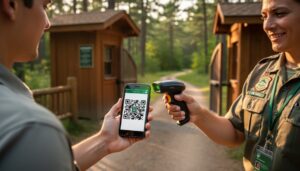
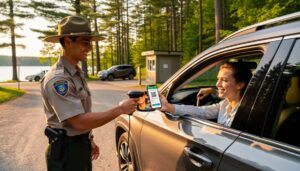
When you complete your reservation, you’ll receive a QR code via email or through the park’s app. Just pull it up when you arrive at the gate, and staff scan it in seconds. No printing required, no forgotten papers, and no stress. I’ve watched families breeze through entry in under a minute, leaving more time for trail exploration and less time idling in their vehicles.
Contactless check-in also supports eco-friendly practices by eliminating paper waste from thousands of daily tickets. Plus, your digital pass stays safely stored in your phone, so you won’t lose it during your adventure. If you’re visiting multiple parks during your trip, all your passes live in one convenient place. It’s park access designed for the modern traveler, keeping things simple so you can focus on what matters: enjoying Ontario’s incredible natural spaces.

Flexibility When Plans Change
Life happens, right? Maybe the weather forecast suddenly shows rain for your camping weekend, or your kids come down with a cold the day before your big adventure. Here’s where park reservation software really shines—it makes adjusting your plans remarkably stress-free.
Most modern systems let you modify or cancel reservations directly from your phone or computer, often up to 24-48 hours before your arrival. I remember frantically calling park offices years ago, waiting on hold forever just to change a date. Now? A few taps and you’re done. Many systems even allow you to transfer your reservation to another date without losing your booking fee, which is a game-changer during unpredictable spring weather.
What I love most is how this digital approach supports our environment. No more printing confirmation papers, no stacks of forms at park offices, and fewer resources wasted on administrative tasks. You’re keeping everything paperless, which aligns perfectly with the conservation values that bring us to these beautiful spaces in the first place.
Insider tip: Screenshot your reservation confirmation and save it offline on your phone—this way you’ll have it handy even in areas with spotty cell service, and you can quickly reference your cancellation policy if plans shift unexpectedly.
How Ontario Parks Are Leading the Way
Last summer, Sarah Chen arrived at Killbear Provincial Park with her family, expecting the usual check-in chaos. Instead, she was greeted by a streamlined process that had her setting up camp in minutes. “We scanned a QR code, got our digital pass, and the system even sent us a personalized map showing the quickest route to our site,” she recalls. “It felt like the park knew exactly what we needed.”
This isn’t science fiction – it’s the reality at several Ontario parks pioneering smart reservation technology. Killbear, along with Algonquin and Pinery Provincial Parks, has become a testing ground for innovations that are transforming how visitors experience the outdoors.
At Algonquin, the reservation system now integrates real-time data about trail conditions and wildlife sightings. When Marco Rodriguez booked a backcountry camping permit, he received notifications about recent moose activity near his planned route and suggestions for alternative trails with better bird-watching opportunities. “It made me feel like I had a personal park guide in my pocket,” he says.
The technology goes beyond convenience. Pinery Provincial Park uses its smart system to manage environmental impact by distributing visitors across different zones based on current usage patterns. Park superintendent Linda Matthews explains that the software monitors site occupancy and automatically suggests less-crowded alternatives when popular areas reach capacity. This means visitors like the Henderson family, who visited last fall, discovered hidden gems they would have otherwise missed.
Here’s an insider tip: when booking at parks with smart systems, opt-in for push notifications. These alerts provide real-time updates about everything from parking availability to unexpected wildlife encounters, helping you make the most of your visit.
The eco-friendly benefits are impressive too. Digital passes have eliminated thousands of paper permits annually, and the data collected helps park managers identify areas needing habitat restoration. At Sandbanks Provincial Park, the reservation software flagged erosion patterns by tracking foot traffic, leading to the creation of protective boardwalks that preserve delicate dune ecosystems.
These innovations prove that technology and nature can coexist beautifully, creating experiences that are both seamless and sustainable.
Making the Most of Your Smart Reservation Experience
Insider Booking Strategies That Actually Work
Here’s my secret: I’ve scored coveted campsites at Algonquin and Bruce Peninsula by treating the reservation system like a treasure hunt. And trust me, once you know these insider tricks, you’ll never struggle with availability again.
Timing is everything when booking Ontario parks. Set your alarm for exactly midnight, 120 days before your desired arrival date—that’s when new bookings open. I keep my login details saved and have my dates ready to go. Pro tip: weekdays in peak season often have better availability than weekends, and you’ll enjoy quieter trails too.
Enable email and text notifications for cancellations. Last summer, I snagged a lakefront site at Killarney through a cancellation alert just three days before my trip. The system sends these updates in real-time, giving you first dibs when someone changes plans. Check the waitlist feature too—many visitors don’t realize you can join a queue for fully booked sites.
Here’s a lesser-known gem: search for accessible sites even if you don’t need accommodation-specific features. These sites often have later availability because fewer people search that category, and many offer the same stunning views and amenities. Just be respectful—only book if truly available after checking standard sites first.
The mobile app often loads faster than the desktop site during high-traffic booking windows. I’ve had better luck securing popular dates through my phone while my laptop was still loading. Keep both options ready, and remember: flexibility with your dates opens up significantly more possibilities for that perfect outdoor escape.
What to Do Before You Arrive
Getting ready for your park adventure is easier when you’re organized! Start by saving your digital confirmation to your phone—take a screenshot or download the PDF so you can access it offline. Trust me, cell service can be spotty once you hit the backroads, and there’s nothing worse than fumbling with your phone at the park entrance while others wait behind you.
Next, download the official Ontario Parks app or any park-specific app mentioned in your confirmation email. These handy tools often include trail maps, wildlife alerts, and real-time updates about facilities. I always download mine the night before while I’m connected to WiFi at home.
Check the park’s website for any last-minute alerts or entry requirements—some parks require vehicle permits, parking passes, or proof of fishing licenses. If you’re arriving via transit options, confirm pick-up and drop-off locations ahead of time.
Here’s an eco-friendly insider tip: many reservation systems now offer digital park guides you can download before arriving. This saves paper and ensures you have all the information you need without relying on printed materials at the gate.
Finally, double-check your reservation dates and any cancellation policies. Life happens, and knowing your options beforehand reduces stress. Pack your phone charger, arrive with a positive attitude, and get ready to explore Ontario’s incredible natural spaces with confidence!
The Eco-Friendly Side of Digital Reservations
Here’s something I didn’t expect when I first started using digital park reservations: I was actually helping the environment with every click. Pretty cool, right?
Think about how things used to work. Families would drive to multiple parks hoping to snag a campsite, burning gas and creating traffic jams along narrow park roads. Rangers spent hours shuffling paper permits while visitors idled in long entry lines. It wasn’t exactly the peaceful nature experience anyone had in mind.
Modern reservation software has flipped that script entirely. By managing park capacity digitally, these systems prevent overcrowding before it happens. When Algonquin Provincial Park limits daily visitors through online bookings, they’re not just improving your experience – they’re reducing the parade of cars circling for parking spots and minimizing exhaust fumes drifting through pristine forests.
The paperless aspect alone is remarkable. Imagine the reams of registration forms, permits, and receipts that once filled filing cabinets at every park office. Now it’s all stored electronically, saving countless trees and eliminating the energy needed for printing and physical storage.
But here’s where it gets really smart: the data these systems collect helps park managers allocate resources more efficiently. They know exactly when to schedule maintenance, where to position staff, and how to distribute visitors across different areas. This prevents trail erosion from overuse and protects sensitive ecosystems from accidental damage.
I love that my morning coffee scroll through booking options contributes to conservation efforts. It’s part of a bigger picture of eco-friendly park access that ensures Ontario’s natural treasures stay healthy for future generations. Technology protecting nature – now that’s a partnership worth celebrating.

Park reservation software isn’t just about technology—it’s about transforming how we connect with nature. By embracing these systems, you’re not just securing a campsite or booking a trail pass; you’re becoming part of a smarter, more sustainable approach to outdoor recreation that benefits everyone.
I’ve watched these platforms evolve over the years, and honestly, the improvements have been remarkable. From midnight refresh battles to smooth, fair booking experiences, we’ve come a long way. Sure, there’s still a learning curve, but once you understand how these systems work, they become your best friend in planning incredible adventures.
The future looks even brighter. Imagine AI suggesting the perfect hiking trail based on your fitness level and weather conditions, or virtual reality previews helping you choose between campsites. These innovations are closer than you think, and they’ll make exploring Ontario’s stunning landscapes even more accessible.
So here’s my challenge to you: embrace the digital tools at your fingertips. Set those booking alerts, explore off-peak gems, and discover corners of Ontario you never knew existed. Our province’s natural beauty—from rocky Georgian Bay shores to the ancient forests of Algonquin—is waiting for you. With smart reservation systems leading the way, your next unforgettable outdoor experience is just a few clicks away. Happy exploring!









+ There are no comments
Add yours