

Rising 100 metres straight from the crystalline waters of Mazinaw Lake, the sheer granite cliff face of Bon Echo Provincial Park commands attention like few other natural landmarks in Ontario. But this iconic rock wall tells only part of the story. Beneath its ancient Indigenous pictographs lies one of the province’s most diverse and fascinating ecosystems, where Canadian Shield bedrock meets boreal forest, creating a living laboratory that shifts dramatically with every season.
The park’s 6,644 hectares protect an intricate web of life shaped by geography that’s both harsh and nurturing. Mazinaw Lake, one of Ontario’s deepest at 145 metres, hosts cold-water species rarely found this far south, while sun-warmed shallow bays nearby teem with bass and pike. The surrounding forests showcase a remarkable transition zone where northern conifers mingle with southern hardwoods, creating habitat diversity that supports everything from black bears to rare Blanding’s turtles.
What makes Bon Echo truly special isn’t just its individual components, but how they interact. The towering rock creates microclimates that shelter unique plant communities. Ancient Eastern White Pines, some over 200 years old, anchor forest networks supporting countless species. Wetlands filter water and provide crucial breeding grounds, while the lake’s exceptional clarity reveals underwater ecosystems most visitors never imagine exist.
Understanding these connections transforms a simple camping trip into something richer. When you know what you’re looking at and why it matters, every paddle stroke and hiking trail reveals nature’s remarkable resilience and complexity.

The Towering Heart: Mazinaw Rock’s Microclimate
Ancient Pictographs and Ecological Significance
Rising 100 meters above Lake Mazinaw’s crystalline waters, the massive granite cliff at Bon Echo holds stories written in red ochre that date back over 400 years. The Anishinaabe peoples created more than 260 pictographs along these rock faces, depicting spirits, canoe journeys, and sacred beings. These aren’t just historical artifacts—they’re integral to understanding why this particular ecosystem is so special.
The sheer cliff face itself creates a fascinating ecological phenomenon. Because the granite is so vertical and exposed, it experiences dramatic temperature swings that would stress most plants. Yet look closely and you’ll spot specialized lichens and hardy mosses clinging to tiny crevices, species that thrive where others can’t survive. The cliff’s south-facing orientation means certain sections bask in sunlight while others remain perpetually shaded, creating distinct microhabitats within meters of each other.
Here’s an insider tip: paddle your canoe along the cliff base in early morning when the water is calm. You’ll notice how the rock plunges straight down into the lake’s depths—this underwater extension creates coldwater habitat crucial for lake trout. The Indigenous peoples who painted here understood this connection between rock, water, and life.
When viewing the pictographs, please maintain respectful distance. These sacred images have survived centuries partly because the cliff’s mineral composition naturally preserves the ochre, but modern disturbances threaten them. Consider bringing binoculars for closer views while protecting both cultural heritage and the delicate cliff ecosystem.
Where Two Worlds Meet: The Canadian Shield Ecosystem
Flora That Thrives on Rock
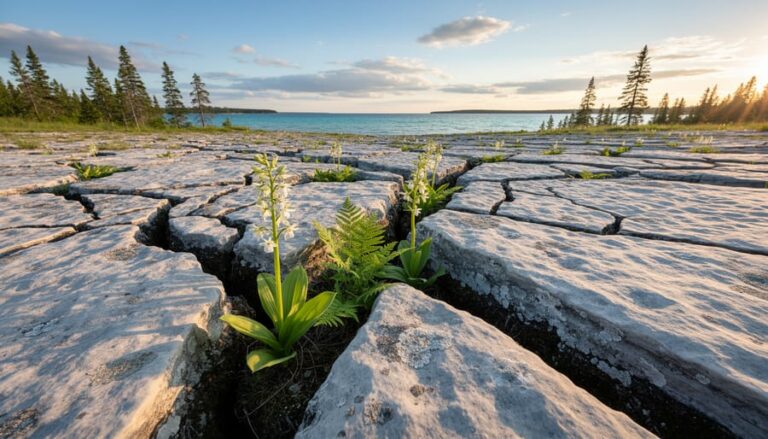
Life finds a way at Bon Echo, even on what appears to be barren rock. The park’s thin soils and exposed granite surfaces support a remarkable community of specialized plants that have mastered the art of survival in harsh conditions.
The real pioneers here are the lichens – those fascinating partnerships between fungi and algae that paint the rock faces in shades of grey, orange, and lime green. Look closely at any exposed granite surface and you’ll spot them clinging tenaciously to the stone. These hardy organisms don’t need soil; they grow directly on rock, slowly breaking it down over centuries and creating the foundation for other plants to follow. The bright orange jewel lichen is particularly eye-catching on sunny cliff faces.
Mosses fill in wherever moisture collects, creating miniature gardens in rock crevices and depressions. After a rain, these spongy cushions transform the landscape, turning vibrant green and releasing a fresh, earthy scent that makes hiking even more delightful.
What’s truly impressive are the trees that somehow thrive with minimal soil. Eastern white pines cling to cliff edges with root systems that snake across bare rock, seeking every crack and crevice. You’ll also find scrubby white cedars twisted into dramatic shapes by wind and weather, some hundreds of years old despite their gnarled, modest appearance.
For the best plant-watching, try the Cliff Top Trail early in the morning when dew makes mosses and lichens especially vibrant. Bring a magnifying glass – seriously! It opens up a whole miniature world. The Abes and Essens Trail also offers excellent opportunities to see how plants colonize rock surfaces at various stages.
Remember to stay on marked trails to protect these slow-growing species. That lichen you’re stepping on might be older than your grandparents, and it won’t recover quickly from trampling.

Wildlife in the Crevices
The dramatic cliffs and rocky landscapes of Bon Echo create surprising micro-habitats for wildlife that have adapted brilliantly to this vertical world. If you’re patient and observant, you’ll discover a fascinating community thriving among the crevices and ledges.
Keep your eyes on the sky and cliff faces for peregrine falcons, which use Mazinaw Rock’s high ledges as hunting perches. These incredible birds dive at breathtaking speeds to catch prey mid-flight. Ravens are also common residents, their distinctive calls echoing across the lake as they navigate the rock face with remarkable agility. Turkey vultures often soar on thermal currents above the cliffs, riding the updrafts created by the warming granite.
The rocky terrain suits several small mammals perfectly. Eastern chipmunks dart between crevices, storing food in hidden rocky chambers, while you might spot porcupines waddling along cliff bases searching for bark to munch. Red squirrels have become experts at navigating the vertical landscape, and lucky visitors occasionally glimpse river otters playing along the rocky shoreline.
For the best wildlife viewing experience, bring binoculars and visit during early morning or late afternoon when animals are most active. Stay quiet and move slowly – patience truly pays off here. Remember to maintain a respectful distance of at least 30 meters from any wildlife you encounter. Never feed animals, as this disrupts their natural behaviors and can make them dependent on human food. If you’re photographing wildlife, use a zoom lens rather than approaching too closely. The rocks can be slippery and unstable, so watch your footing while scanning for creatures above and below.

Mazinaw Lake’s Aquatic Ecosystem
Fish Species and Underwater Habitats
Beneath Mazinaw Lake’s crystalline surface lies an underwater world that’s been thriving for thousands of years. The lake’s exceptional depth (reaching up to 145 meters in some spots) and remarkable clarity create perfect conditions for a healthy fish population that draws anglers from across the province.
Lake trout reign as the stars of these deep, cold waters. These magnificent fish love the oxygen-rich depths where temperatures stay consistently cool, even during hot summer months. You’ll also find smallmouth bass patrolling the rocky shorelines and drop-offs, particularly in shallower areas where they hunt for crayfish and minnows. The lake is also home to yellow perch, largemouth bass, and northern pike, offering variety for fishing enthusiasts.
What makes Mazinaw Lake special is its oligotrophic nature (meaning low in nutrients but high in oxygen), which keeps the water incredibly clear and supports these cold-water species beautifully. This clarity isn’t just stunning to look at; it’s a sign of a healthy aquatic ecosystem.
If you’re planning to fish here, consider practicing catch-and-release, especially with lake trout, since they’re slow-growing and can take years to reach maturity. Use barbless hooks to minimize harm, and handle fish gently with wet hands. An insider tip: early morning and late evening offer the best chances for landing that trophy bass. Always check current fishing regulations and make sure you have your Ontario fishing license before casting your line.
Forest Layers: From Canopy to Forest Floor
Seasonal Changes and Wildlife Activity
Bon Echo transforms dramatically through the seasons, offering visitors a completely different experience depending on when they visit. Understanding these changes helps you plan the perfect trip and catch nature at its most spectacular.
Spring arrives late to this corner of the Ontario wilderness, typically in late April or early May. This is when the forest floor explodes with wildflowers before the tree canopy fills in. Watch for trilliums, wild leek, and trout lilies carpeting the trails. The best wildflower viewing happens along the Cliff Top Trail and Shield Trail. Insider tip: Visit in mid-May for peak bloom, and bring a macro lens for stunning close-ups. Spring also brings migrating birds like warblers and vireos, making it paradise for birdwatchers.
Summer sees the park at its busiest, with lush green forests and warm lake waters perfect for swimming. Wildlife becomes more elusive in the heat, so plan early morning or evening hikes when animals are most active. Look for painted turtles basking on logs and great blue herons fishing along the shoreline.
Fall steals the show with spectacular foliage, usually peaking in late September or early October. The maples and oaks surrounding Mazinaw Lake create a kaleidoscope of reds, oranges, and golds that reflect beautifully in the water. This is my favorite time to canoe the lake—the crowds thin out, the bugs disappear, and the scenery is breathtaking.
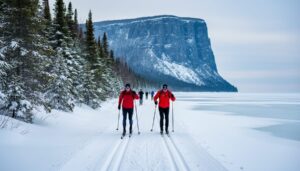
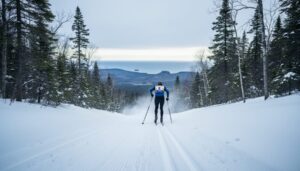
Winter transforms Bon Echo into a quiet wonderland. While campgrounds close, day-use areas remain accessible for snowshoeing and cross-country skiing. Watch for animal tracks in fresh snow and notice how evergreens dominate the winter landscape, providing crucial shelter for overwintering wildlife.
How to Explore Responsibly
Experiencing Bon Echo’s remarkable ecosystem doesn’t mean you have to leave your mark behind. I’ll never forget watching a family carefully pack out every single sunflower seed shell from their lakeside lunch spot – that’s the kind of mindfulness that keeps this park pristine for everyone.
Start with the basics of Leave No Trace, but here’s what that means specifically at Bon Echo: stay on designated trails to protect fragile cliff-edge vegetation, pack out absolutely everything (yes, even biodegradable items like fruit peels), and keep noise levels down so you don’t disturb nesting birds along Mazinaw Rock. The park’s thin soil layer means trampled areas take years to recover, so resist the urge to shortcut switchbacks.
For ecosystem observation, the Cliff Top Trail offers incredible opportunities to spot unique cliff-dwelling plants and raptors soaring at eye level. Time your hike for early morning when wildlife is most active. The High Pines Trail winds through old-growth forest where you can observe the complex forest floor ecosystem without disturbing it – just bring binoculars and a camera with a good zoom lens. These rank among the best trails in the region for responsible wildlife watching.
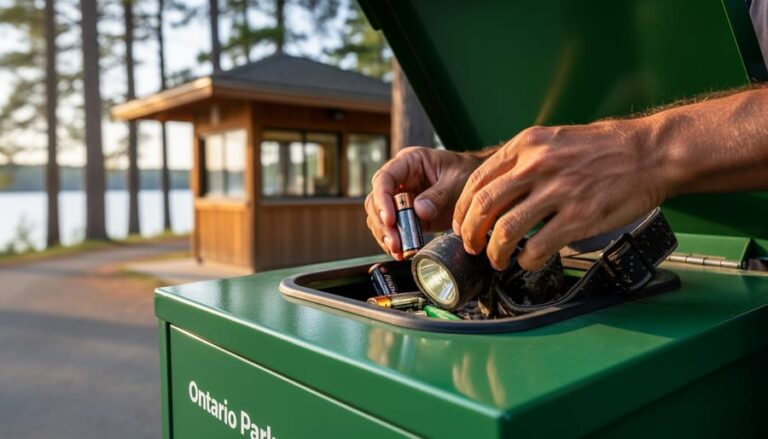
Gear matters for low-impact exploration. Invest in a quality water filtration system instead of relying on bottled water. Bring reusable containers for all your food, and choose unscented biodegradable soap for dishwashing (used at least 60 meters from water sources). A headlamp with a red light setting lets you navigate camp at night without disrupting nocturnal wildlife.
When camping, choose established sites rather than creating new ones. I always pack a small tarp to lay gear on, preventing the need to clear ground vegetation. Use existing fire rings, burn only provided firewood (never gather from the forest), and keep fires small. One ranger shared this tip with me: if you’re warm enough to take off your jacket, your fire’s probably bigger than necessary.
Remember, the goal is leaving no evidence you were ever there – except perhaps in your photos and memories.
Standing beside Mazinaw Lake, watching the sunlight dance across the ancient rock face while loons call in the distance, you begin to understand why Bon Echo deserves our protection and appreciation. This isn’t just a park—it’s a living tapestry where 450-million-year-old cliffs meet crystal-clear waters, where centuries-old pines shelter rare orchids, and where every element depends on the others to thrive.
When you visit, remember that you’re walking through an ecosystem that has evolved over millennia. Each time you follow the Leave No Trace principles, stick to marked trails, and resist the urge to touch those delicate pictographs, you’re helping preserve this interconnected wonder for future generations. Pack out everything you bring in, choose eco-friendly sunscreen to protect the lake’s clarity, and take time to simply sit and observe the wildlife around you.
Here’s an insider tip that captures Bon Echo’s essence: visit the cliff base at dawn when the mist is still rising from the lake. In those quiet moments, you’ll witness the park waking up—fish breaking the surface, birds beginning their calls, and morning light gradually revealing the rock’s magnificent scale. That’s when you truly grasp how everything here is connected, and why this special place is worth protecting.


+ There are no comments
Add yours