

Look for campgrounds certified by recognized environmental organizations like Leave No Trace Canada or those holding Green Key Eco-Rating distinctions. These certifications guarantee the site operates with verified sustainable practices, from wastewater management to habitat preservation, giving you confidence your camping dollars support genuine conservation efforts rather than greenwashing.
Choose facilities that harness renewable energy through solar panels or micro-hydro systems, offer composting toilets that eliminate water waste, and maintain natural landscaping instead of manicured lawns. The best eco campgrounds integrate seamlessly into their surroundings, leaving forests intact and wildlife corridors undisturbed while providing comfortable amenities.
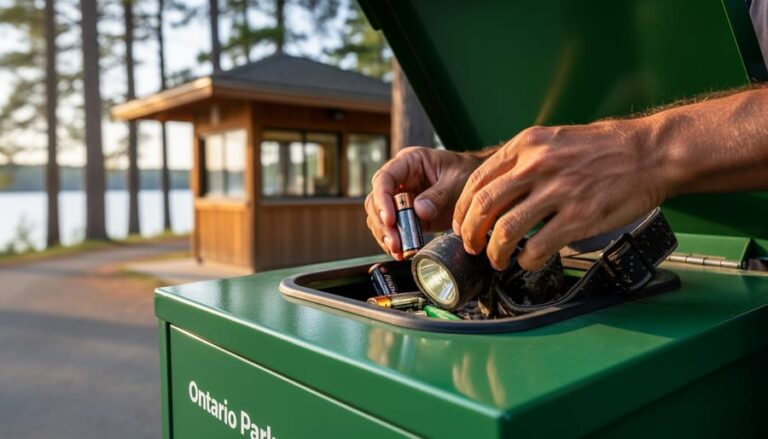
Pack reusable containers, biodegradable soap, and rechargeable batteries to minimize your environmental footprint during your stay. Many eco-focused campgrounds now provide filtered water stations specifically to eliminate single-use plastic bottles, and some even offer gear-sharing programs so you can borrow equipment rather than buying items you’ll rarely use.
Visit during shoulder seasons when your presence creates less strain on local ecosystems and wildlife. Spring and fall camping at eco campgrounds often means smaller crowds, lower rates, and the chance to witness seasonal migrations or fall colors while supporting sites during their slower revenue periods.
Ontario’s growing network of environmentally responsible campgrounds proves you don’t have to sacrifice comfort for conservation. These forward-thinking destinations demonstrate that protecting our natural spaces and enjoying outdoor adventures aren’t opposing goals but complementary values that create richer, more meaningful camping experiences for everyone.
What Makes a Campground ‘Eco-Friendly’?
So what exactly transforms a regular campground into an eco-friendly haven? It’s more than just a pretty forest setting – though that certainly helps! True eco campgrounds embrace a whole philosophy of gentle living that touches everything from how they power their facilities to how they manage their grounds.
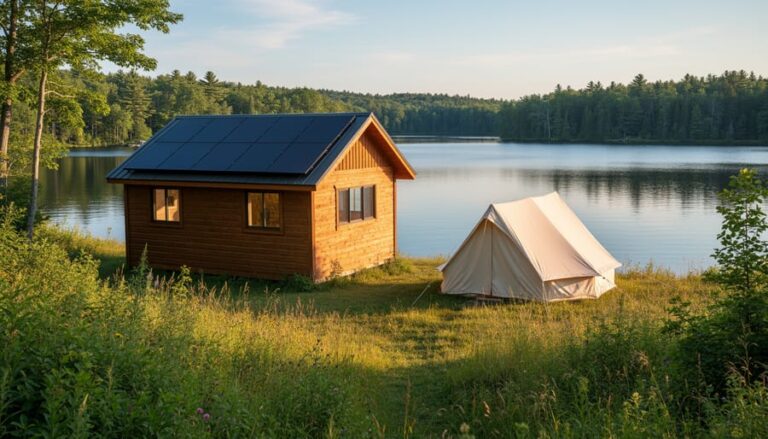
At the heart of eco-friendly campgrounds is renewable energy. You’ll often spot solar panels on washroom buildings or wind turbines quietly spinning in the breeze. Some campgrounds have even gone completely off-grid, proving that you can enjoy hot showers and clean facilities without relying on traditional power sources. It’s pretty amazing to brush your teeth under lights powered entirely by yesterday’s sunshine!
Water conservation is another cornerstone. Look for campgrounds with low-flow fixtures, rainwater collection systems, and natural greywater treatment. These places treat water like the precious resource it is. I once stayed at a campground where they cleverly used collected rainwater for their community gardens – talk about closing the loop!
Waste reduction programs separate the eco-champions from the rest. The best campgrounds make recycling and composting effortless with clearly marked stations throughout the grounds. Many have eliminated single-use plastics entirely from their camp stores, and some even offer repair stations for camping gear rather than encouraging you to buy new.
Natural landscaping might seem simple, but it’s incredibly important. Eco campgrounds preserve native plants, create wildlife corridors, and avoid chemical pesticides. Those “messy” wildflower patches aren’t neglect – they’re intentional habitat for pollinators and local creatures.
Finally, genuine eco campgrounds educate visitors about Leave No Trace principles. They provide bear-proof containers, mark sensitive areas clearly, and share tips for minimizing your impact. The goal isn’t just to run a sustainable operation themselves, but to inspire campers to carry these practices into their everyday lives.

Top Eco Campgrounds in Ontario Parks
Frontenac Provincial Park: Off-Grid Wilderness at Its Best
If you’re craving a true wilderness escape, Frontenac Provincial Park delivers an authentic backcountry experience that feels wonderfully removed from civilization. This rugged landscape of granite ridges, pristine lakes, and mixed forests offers canoe-in camping at its finest, with zero road access to interior sites.
I’ll never forget my first morning there, paddling across Big Salmon Lake as mist rose from the glassy water. The only sounds were my paddle dipping and a loon calling somewhere in the distance. That’s the magic of Frontenac—it’s genuinely quiet.
The park manages 48 backcountry campsites designed with minimal environmental impact in mind. You won’t find cleared parking lots or concrete pads here. Instead, sites feature natural tent platforms tucked among the trees, composting privies, and designated fire rings positioned to prevent vegetation damage. Everything is designed to leave the smallest possible footprint.
Access requires some effort, which is precisely why the park remains so pristine. Most campers canoe anywhere from one to six hours to reach their sites, though hiking routes are also available. This natural barrier keeps visitor numbers manageable and protects sensitive ecosystems.
Insider tip: Visit in late September when the fall colours explode across the landscape and bug populations have vanished. The park’s conservation efforts include strict waste pack-out policies and ongoing water quality monitoring. Rangers regularly educate campers about low-impact practices, from proper food storage to staying on established portage trails. This commitment ensures future generations can experience the same unspoiled wilderness that makes Frontenac truly special.

Silent Lake Provincial Park: Solar-Powered Serenity
Nestled in the rugged Canadian Shield landscape, Silent Lake Provincial Park stands as a shining example of sustainable camping. The park’s solar-powered infrastructure generates clean energy for visitor facilities, reducing the carbon footprint while maintaining modern conveniences. You’ll notice solar panels thoughtfully integrated throughout the campground, powering everything from the comfort stations to water pumps.
The park truly lives up to its name with a strict no-motorboat policy on the lake, creating a peaceful paddling paradise. I’ll never forget my first canoe trip there, where the only sounds were loon calls echoing across the water and gentle waves lapping against my paddle. It’s the perfect place to truly disconnect and recharge.
Silent Lake’s commitment to sustainability extends beyond infrastructure. Their interpretive programs teach visitors about local ecosystems, Leave No Trace principles, and renewable energy systems. Kids especially love the hands-on activities that make learning about conservation fun and memorable.
Insider tip: Visit during shoulder seasons in late May or early September for quieter trails and vibrant wildlife activity. The fall colors are absolutely stunning, and you’ll have more space to yourself. The park’s eco-friendly composting toilets and recycling stations make it easy to minimize your environmental impact while enjoying this pristine wilderness sanctuary.
Bon Echo Provincial Park: Rock Art Meets Conservation
Towering 100 meters above Mazinaw Lake, Bon Echo Provincial Park protects not just stunning granite cliffs, but over 260 Indigenous pictographs that tell stories stretching back centuries. The park takes heritage preservation seriously, limiting rock face access to designated viewing areas from the water, which protects these sacred images while letting visitors experience their power.
The park’s commitment to sustainable tourism shines through its comprehensive waste management system. You’ll find clearly marked recycling and composting stations throughout campgrounds, and the park’s education programs teach campers why reducing waste matters in these sensitive environments. Here’s an insider tip: bring reusable water bottles to fill at the park’s filtered water stations rather than buying bottled water at the gatehouse.
For eco-conscious adventurers, the park offers canoe rentals to explore the lake quietly, without motorized disruption to wildlife. The ferry crossing to reach the cliff-top trails operates on efficient schedules, minimizing fuel use while maximizing access. Early morning paddlers often spot loons, herons, and sometimes even otters fishing near the pictograph sites.
Park staff actively monitor the delicate cliff ecosystems, adjusting trail access seasonally to protect nesting peregrine falcons. This adaptive management ensures future generations can experience both the geological wonders and the ancient artwork that makes Bon Echo truly special.
Charleston Lake Provincial Park: Biodiversity Haven
Nestled in the Canadian Shield landscape, Charleston Lake Provincial Park stands out as a champion of biodiversity conservation. This gem protects critical habitat for over 20 species at risk, including the five-lined skink and Eastern ribbonsnake, making every camping trip here a contribution to wildlife preservation.
The park’s eco-education programs are fantastic for curious campers. Join naturalist-led hikes where you’ll learn to identify native plant species and understand the delicate ecosystems that make this area so special. My insider tip? Book the “Species at Risk” evening presentation – it’s eye-opening and perfect for families.
For low-impact camping, choose one of the park’s backcountry campsites accessible only by canoe. You’ll paddle through pristine waters while minimizing your footprint. These sites feature composting toilets and strict leave-no-trace protocols that keep the wilderness wild.
The park’s habitat restoration initiatives are visible throughout your visit. Keep your eyes peeled for marked restoration zones where staff have been removing invasive species and replanting native vegetation. It’s inspiring to witness conservation in action while enjoying your morning coffee by the lake, knowing your camping fees directly support these vital programs.
Sustainable Practices You’ll Experience at Eco Campgrounds
When you arrive at an eco campground, you’ll quickly notice it’s a different kind of camping experience. These sustainable features aren’t just behind-the-scenes operations – they’re part of your daily adventure, turning every bathroom trip and shower into a small lesson in conservation.
Let’s start with the composting toilets, which sound intimidating but are surprisingly odor-free and actually fascinating once you understand them. Instead of wasting thousands of liters of water per flush, these clever systems use sawdust or wood chips to break down waste naturally. Many campers tell me they’re initially skeptical, but within a day they’re explaining the science to their kids. The toilets at Bon Echo Provincial Park’s backcountry sites work beautifully, and you’ll find yourself appreciating how much water you’re saving.
Solar showers are another game-changer. Picture a black bag hanging in the sun, warming water naturally throughout the day. By evening, you’ve got a perfectly heated shower without burning a single fossil fuel. Sure, you might only get five minutes of warm water, but there’s something refreshing about that constraint. It makes you efficient and mindful – plus, showering under the stars with gravity-fed water feels wonderfully primitive.
Greywater systems handle your dishwashing and shower runoff by filtering it through natural processes before returning it to the earth. You’ll notice designated washing stations where biodegradable soap is required. Insider tip: bring your own eco-friendly soap in a reusable container, as campground stores sometimes run out.
The recycling and composting stations at eco campgrounds are more comprehensive than what many of us have at home. You’ll find separate bins for organics, recyclables, and actual garbage, often with helpful illustrated guides. At places like Silent Lake Provincial Park, campers routinely achieve nearly zero waste by trip’s end.
Many eco campgrounds also feature rainwater collection barrels for washing hands or filling water bottles after treatment. You’ll see interpretive signs explaining each system, transforming infrastructure into education. These aren’t inconveniences – they’re invitations to participate in something meaningful, leaving you with practical ideas for sustainable living back home.
How to Be an Eco-Friendly Camper
Before You Go: Packing Green
Packing smart makes a huge difference to your environmental footprint before you even arrive at the campground. Start by choosing reusable essentials over disposables. Invest in a quality stainless steel water bottle, bamboo utensils, and cloth napkins instead of paper ones. I always pack beeswax wraps for food storage—they’re washable, reusable, and completely eliminate the need for plastic wrap.
For toiletries, look for biodegradable soap bars rather than liquid soap in plastic bottles. Brands like Dr. Bronner’s offer multipurpose options that work for dishes, body, and even laundry. Speaking of laundry, bring along biodegradable detergent sheets that take up minimal space and leave no plastic behind.
When it comes to food, buy items with minimal packaging or shop at bulk stores where you can use your own containers. Pre-portion meals at home in reusable silicone bags rather than bringing entire boxes and jars.
Don’t forget a compact trash bag system for proper waste separation—many sustainable camping techniques emphasize the importance of pack-in, pack-out principles. Your future campsite neighbors will thank you!

At the Campground: Low-Impact Living
Once you’ve settled into your eco campground, you become part of a larger ecosystem—and that’s where the real adventure begins! Here’s my insider tip: bring a collapsible water container instead of single-use bottles, and fill up at designated water stations to minimize waste. I learned this trick from a park ranger who reminded me that every small action counts.
When it comes to waste, pack it in, pack it out is the golden rule. Separate recyclables, compostables, and trash using separate bags in your tent vestibule. Many eco campgrounds provide clearly marked bins at central locations. For dishwashing, use biodegradable soap at least 70 meters from water sources—your fellow campers and the fish will thank you!
respecting wildlife means observing from a distance and never feeding animals. Keep food locked in bear-proof containers or your vehicle. Stick to established trails to protect fragile vegetation and prevent erosion—those tempting shortcuts actually damage habitats. Remember, you’re a guest in nature’s home, so tread lightly and leave only footprints behind!
After Your Trip: Continuing the Impact
Your eco-camping adventure doesn’t end when you pack up your tent! Keep the momentum going by sharing your favorite moments and eco-friendly tips on social media—tag the parks you visited to inspire others and show appreciation for their conservation efforts. Consider donating to Ontario Parks Foundation or volunteering with local trail maintenance programs. These contributions directly support habitat restoration and sustainable infrastructure improvements at the campgrounds you love.
Back home, bring those green practices into your daily routine. That rainwater collection trick you learned? Perfect for your garden. The minimal waste mindset? Apply it to grocery shopping by choosing package-free options. Share your stories with friends over coffee—personal recommendations are powerful! You might spark someone else’s interest in sustainable travel. Remember, every eco-conscious camper becomes an ambassador for protecting Ontario’s incredible natural spaces, one trip at a time.
Learning More: Workshops and Educational Opportunities
Want to deepen your connection with nature while learning hands-on sustainable camping practices? Ontario Parks runs fantastic eco-friendly camping workshops throughout the season, and they’re perfect whether you’re a complete beginner or a seasoned camper looking to reduce your environmental footprint.
I attended my first workshop at Killarney Provincial Park last summer, and honestly, it changed how I think about camping entirely. The session covered everything from proper waste management to identifying native plants and understanding local wildlife habitats. Our instructor, a park naturalist named Sarah, had us practice setting up low-impact campsites and showed us how to cook delicious meals using minimal packaging and fuel-efficient techniques.
These workshops typically run two to four hours and cover topics like Leave No Trace principles, water conservation strategies, wildlife-friendly camping practices, and sustainable gear choices. Some parks even offer specialized sessions on outdoor photography, identifying edible plants (safely, of course), or understanding forest ecosystems. The best part? Most workshops are free with your park admission or camping reservation.
Signing up is straightforward through the Ontario Parks website. Check their events calendar during spring when they post the summer schedule. Popular workshops fill quickly, so book early. Some campgrounds also offer impromptu evening programs around the campfire where park staff share ecological insights and answer questions.
The real benefit goes beyond knowledge. You’ll meet like-minded outdoor enthusiasts, discover hidden trails from local experts, and gain confidence in your camping abilities. One couple I met at a workshop now organizes their own eco-camping trips with friends, sharing what they learned.
Insider tip: Bring a notebook and your questions. Park naturalists love engaged participants and often share bonus tips about the best quiet spots or upcoming wildlife events. These workshops transform your camping experience from simply visiting nature to truly understanding and protecting it.

Planning Your Eco-Camping Adventure
Ready to explore Ontario’s wilderness while treading lightly? A little planning goes a long way in making your eco-camping trip smooth and memorable.
Timing is everything when it comes to booking eco-friendly campgrounds. The sweet spots are typically late spring (May-June) and early fall (September-October), when you’ll find fewer crowds, comfortable weather, and spectacular seasonal displays. Summer weekends fill up fast, so reserve at least three months ahead if you’re hoping for peak season dates. Many campgrounds open their booking systems exactly six months in advance, so mark your calendar and set a reminder.
Here’s an insider tip: call the park office directly rather than just browsing online. Staff can share which sites have the best shade, lake access, or proximity to trails. They’ll also give you the real scoop on current wildlife activity and any special programs happening during your stay.
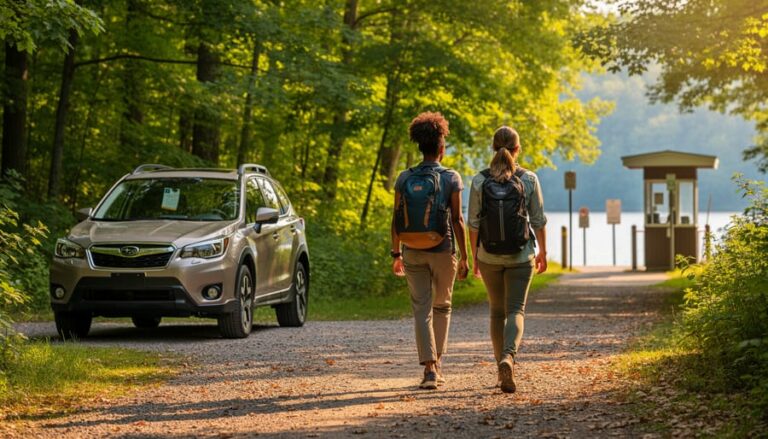
When it comes to amenities, eco-campgrounds strike a balance between comfort and conservation. Expect composting toilets, solar-powered facilities, and water refill stations rather than full hookups. Some offer communal cooking areas with firewood from sustainable sources. Pack a good headlamp since lighting is minimal to reduce light pollution, perfect for stargazing.
Accessibility varies widely, so ask specific questions if you have mobility concerns. Many parks are improving their accessible trails and camping pads, but backcountry sites naturally present more challenges.
Don’t forget to check each campground’s unique quirks. Some prohibit generators entirely, others require bear-proof containers, and a few offer equipment rentals like canoes or bikes. Understanding these details beforehand means you’ll arrive prepared and ready for adventure.
Choosing an eco campground isn’t just about where you pitch your tent—it’s about becoming part of a movement that protects the places we love. Every time you book a sustainable camping experience, you’re voting with your actions for cleaner lakes, healthier forests, and wildlife habitats that thrive for generations to come. I’ve seen firsthand how these small choices ripple outward, from composting systems that enrich the soil to solar panels that reduce our carbon footprint, one campsite at a time.
Ready to turn inspiration into action? Start by booking your next adventure at one of Ontario’s incredible eco campgrounds. Whether you’re drawn to waterfront serenity or forest trails, there’s a sustainable spot waiting for you. And here’s an insider tip: don’t skip those environmental workshops I mentioned earlier. They transform a regular camping trip into something unforgettable—you’ll learn practical skills like identifying edible plants or understanding local ecosystems while connecting with like-minded nature lovers.
Ontario’s natural beauty belongs to all of us, which means we share the responsibility of protecting it. The good news? That responsibility comes wrapped in adventure, fresh air, and memories that stick with you long after you’ve packed up camp. So grab your reusable water bottle, round up your crew, and discover how amazing sustainable camping can be. The trails are calling—let’s answer responsibly.







+ There are no comments
Add yours