

Grab your regional park pass before your next adventure and unlock unlimited access to dozens of Ontario’s most beautiful conservation areas and regional parks for one affordable annual fee. Think of it as your golden ticket to weekend getaways, spontaneous hiking trips, and hidden swimming holes without fumbling for cash at entrance gates every single time.
These passes typically cost between $75-$150 annually depending on your region, saving you money after just three or four visits compared to daily parking fees. You’ll breeze past pay stations, support local conservation efforts, and often score bonus perks like discounts at park stores or priority camping reservations.
Whether you’re exploring the trails near Toronto, discovering waterfalls in Hamilton, or seeking quiet beaches along Lake Ontario, a regional pass transforms how you experience the outdoors. Most conservation authorities and regional municipalities offer their own versions, each covering their specific network of parks and properties.
The best part? You’re investing in the protection and maintenance of these natural spaces while giving yourself permission to explore more freely. No more calculating whether a quick nature walk is worth the parking fee. Just park, breathe in that fresh air, and go.
What Exactly Is a Regional Park Pass?
If you’ve ever fumbled for cash at a park entrance or wondered whether that single-day permit was really worth it for just a few hours of hiking, you’re going to love what regional park passes offer. Think of a regional park pass as your golden ticket to Ontario’s incredible network of conservation areas and regional parks—without the hassle of paying each time you visit.
Here’s how it works: instead of purchasing individual permits every time you want to explore a new trail or launch your kayak, a regional park pass grants you unlimited access to participating parks throughout the season or year, depending on which type you choose. It’s similar to how zone parking permits streamline your park experience by eliminating the need for daily transactions.
Regional park passes typically cover conservation areas managed by local conservation authorities—places like conservation parks, nature reserves, and day-use areas where you can hike, picnic, birdwatch, or simply soak in the natural beauty. The coverage varies by region, so you’ll want to check which parks participate in your area’s pass program.
Now, here’s an insider tip: most regions offer several pass options to fit different needs. You’ll usually find seasonal passes (perfect if you’re mainly a warm-weather explorer), annual passes (ideal for year-round adventurers), and options for both individual and family use. Family passes are particularly great value if you’re traveling with kids or regularly bring friends along—they often cover up to six people per vehicle.
The beauty of these passes isn’t just financial. They encourage you to explore more frequently, try new locations without commitment, and develop a deeper connection with your local natural spaces. Plus, you’re supporting conservation efforts every time you purchase one.

Why a Regional Pass Might Be Your Best Investment This Year
Let me break down the math for you, because this is where the regional pass truly shines. A single vehicle permit at most Ontario parks costs around $20 per visit. If you’re someone who enjoys getting outdoors even just once a month, that’s $240 over the year. The annual regional pass? Typically under $100. You can see where I’m going with this.
Last summer, my family committed to exploring different conservation areas every other weekend. By our third trip, we’d already saved money compared to buying day passes. By the end of the season, we’d visited twelve different parks and saved over $150. That’s money we redirected toward camping gear and those ridiculously overpriced ice cream cones the kids begged for at every park entrance.
Here’s the real kicker: once you own the pass, there’s zero hesitation about spontaneous adventures. Remember that gorgeous Saturday morning when the forecast suddenly cleared? With a regional pass already paid for, you can just grab your hiking boots and go. No mental calculation about whether it’s “worth” the day pass fee. No skipping that quick afternoon nature walk because twenty bucks feels steep for just an hour.
For families, couples, or solo adventurers who value flexibility and frequent outdoor time, the regional pass isn’t just practical. It’s genuinely liberating. Plus, you’re supporting the maintenance and preservation of these incredible natural spaces all year long.
Understanding Regional Access Points and How They Work
What Makes an Access Point ‘Regional’?
Think of regional access points as the “main entrances” to Ontario’s incredible network of conservation lands. Unlike individual parks that operate independently, regional access points are strategically positioned gateways that unlock multiple connected conservation areas, parks, and trails all under one umbrella system.
Here’s what makes them special: these designated entry locations are managed collaboratively by conservation authorities and regional park systems. When you enter through a regional access point, you’re not just visiting one park—you’re tapping into an entire ecosystem of protected natural spaces. It’s like having a backstage pass to nature’s best show!
For example, a single regional access point might serve as your entry to interconnected wetlands, forested trails, and waterfront areas that span several kilometers. This network approach means you can explore diverse landscapes without needing separate permits for each area you wander into.
The beauty of this system is its simplicity. Rather than juggling multiple day passes or trying to figure out which authority manages which trail, your regional park pass works across all designated access points within the network. It’s designed with adventurers like you in mind—making spontaneous exploration easier and more affordable while supporting the conservation efforts that keep these spaces pristine for generations to come.

Finding Your Nearest Access Points
Finding your access points is easier than you might think! Start with the official Ontario Parks website, which features an interactive map showing all regional access points, complete with GPS coordinates and real-time updates on parking availability. Download the Ontario Parks app before your visit—it works offline and includes detailed trail maps, access point locations, and even alerts about trail conditions.
Google Maps is surprisingly helpful too, though I recommend cross-referencing with official park maps since some trails don’t appear on standard GPS systems. Many parks like Gateway Regional Park have downloadable PDFs with clearly marked entry points.
Here’s an insider tip: look for the secondary access points listed on park websites. While the main entrances get crowded on weekends, these alternative entry points often lead to the same trail systems with far fewer visitors. Local conservation groups sometimes maintain these lesser-known access routes, and they’re usually just as well-marked but blissfully quiet, even during peak season. Chat with park staff when you arrive—they’re treasure troves of local knowledge about hidden gems!
Access Point Etiquette and What to Expect
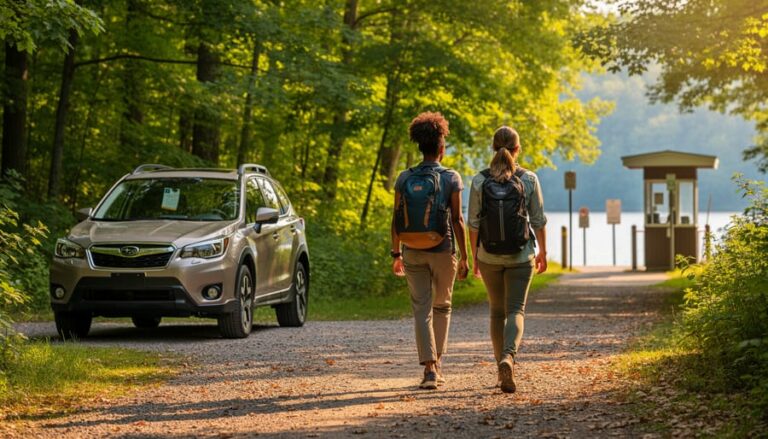
When you pull up to a regional park access point, you’ll typically spot a friendly park attendant or self-service kiosk near the entrance. Here’s my insider tip: have your regional park pass ready on your phone or printed out before you arrive—it’ll speed things up, especially on those gorgeous summer weekends when everyone has the same idea!
Most access points operate with a quick visual check of your pass. The attendant will verify your permit and may ask to see your vehicle registration to ensure it matches your pass details. Don’t worry—this usually takes less than a minute. They’ll also provide you with a parking validation tag or permit to display on your dashboard, which helps park rangers identify valid visitors during their rounds.
Parking lots can fill up fast at popular trailheads, particularly Saturday mornings. Consider carpooling with friends or family to reduce your environmental footprint and ensure you snag a spot. Many parks now offer designated carpool parking areas as a perk for eco-conscious visitors.
Pro tip: Some access points have composting stations and water refill stations near the entrance. Bring reusable water bottles and leave single-use plastics at home. The parks stay pristine, and you’ll feel great about treading lightly on these beautiful natural spaces we all share.
Getting Your Regional Park Pass: A Step-by-Step Walkthrough
Online vs. In-Person: Which Option Works for You?
When it comes to snagging your regional park pass, you’ve got two solid options: clicking your way through an online purchase or heading to a park office in person. Let me break down what works best for different situations.
Online purchasing is honestly my go-to recommendation for most people. It’s convenient, available 24/7, and you can do it in your pajamas while sipping morning coffee. You’ll receive a confirmation email immediately, and your pass gets mailed to you within a few days. The real beauty? You can browse all the details, compare options, and take your time deciding without feeling rushed. Plus, if you’re planning ahead, you can purchase before the season even starts.
In-person buying has its own charm, though. There’s something satisfying about walking out with your pass in hand, ready to explore that very day. The staff can answer specific questions about trail conditions, recent wildlife sightings, or which parks are less crowded. I’ve picked up some fantastic local knowledge during these chats that you just can’t get online.
Here’s an insider tip that’s saved me money over the years: buy early in the season, typically late winter or very early spring. Some regions occasionally offer early-bird discounts or promotional rates to encourage advance purchases. It’s not advertised everywhere, so it pays to check the official website or call your local park office in February or March. Even a modest discount makes your outdoor adventures that much sweeter.
What You’ll Need to Bring
Getting your regional park pass is super straightforward when you come prepared! Here’s what you’ll want to have ready to make the process quick and painless.
First up, bring a valid piece of identification. A driver’s license works perfectly, and you’ll need your vehicle information handy too – specifically your license plate number and vehicle make. If you’re registering multiple vehicles (totally worth it if you have more than one car!), grab those plate numbers before heading out or logging online.
For payment, Ontario Parks accepts major credit cards and debit cards both online and at park offices. Some locations also take cash, but I’d recommend calling ahead if that’s your preferred method. Pro tip: purchasing online from home means you can skip the lines entirely during peak season, which is especially helpful on those gorgeous long weekends when everyone has the same sunny-day plans.
If you’re buying a pass for someone else as a gift (what a thoughtful present!), you’ll need their vehicle details and contact information. The pass gets linked to specific license plates, so accuracy matters here.
Here’s an insider tip that’ll save you time: take a quick photo of your vehicle registration before you go. It has all the info you need in one spot, making the application process smooth as butter. And if you’re eco-conscious, choosing the digital pass option means one less piece of plastic to worry about – you can simply display confirmation on your phone at park gates.

Parking Perks: How Your Pass Makes Everything Easier
Reserved and Priority Parking Benefits
One of the perks I’ve come to appreciate about having a regional park pass is the dedicated parking access at many Ontario parks. While not all locations offer reserved spots, several popular parks provide priority parking areas for pass holders, especially during peak season when finding a space can feel like a competitive sport!
Here’s an insider tip: arrive early on weekends to snag those primo spots near trailheads, but if you’re visiting mid-week, you’ll often find plenty of options. When using your pass, simply display it prominently on your dashboard. Some parks use designated zones marked with special signage, so keep an eye out when you pull in.
From an eco-friendly perspective, I’ve learned to think strategically about where I park. Choosing spots closer to your planned activities reduces unnecessary driving around the park, cutting emissions and fuel use. If you’re visiting multiple trail systems in one day, park centrally to minimize repositioning your vehicle. Understanding how parking permits work at different parks helps you plan more efficiently, reducing both your environmental footprint and stress levels while maximizing your outdoor adventure time.
Multi-Park Parking Flexibility
One of my favorite perks of having a regional park pass is the freedom to hop between parks without constantly fumbling for my wallet at every entrance gate. Last summer, I started my morning hiking the Bruce Trail at Bronte Creek Provincial Park, then spontaneously decided to cool off at Darlington Provincial Park’s beach that same afternoon. No extra parking fees, no hassle – just pure adventure.
This flexibility transforms how you explore Ontario’s natural spaces. Instead of committing to one location for the entire day, you can follow your mood and the weather. Spotted storm clouds rolling in? Pack up and head to a park with better-covered picnic areas. Finished your morning paddle earlier than expected? Drive to a nearby park for an afternoon trail walk.
The pass eliminates that mental math we all do – “Is it worth paying another parking fee just for a quick visit?” With your regional pass, the answer is always yes. I’ve discovered so many hidden gems simply because I could pop in without worrying about the cost. Whether you’re chasing the perfect sunset spot or trying to find less crowded trails on busy weekends, this multi-park access gives you the freedom to be spontaneous and truly make the most of Ontario’s incredible park system.
Insider Tips for Maximizing Your Regional Pass
Ready to squeeze every ounce of adventure from your regional park pass? Here’s the insider scoop from seasoned park enthusiasts who’ve mastered the art of pass-wielding perfection.
First things first: timing is everything. Visit weekday mornings, especially Tuesday through Thursday, to enjoy trails practically to yourself. You’ll spot more wildlife too, since they’re less spooked by crowds. During peak summer months, aim for sunrise hikes or late afternoon paddles when most day-trippers have headed home.
Here’s a game-changer many people miss: combine activities during a single visit to maximize value. Start with a morning canoe trip, enjoy a picnic lunch at a scenic lookout, then finish with an evening nature walk. Your pass covers it all, so why not make a full day of it?
Planning a road trip? Your regional pass travels with you! Before getting to Ontario parks, check which locations your specific pass covers. Some savvy travelers plan entire weekend routes hitting three or four different parks, essentially getting multiple experiences for one pass price.
Pack eco-friendly and you’ll enhance everyone’s experience. Bring reusable water bottles, cloth napkins, and containers for snacks to minimize waste. Many parks now have refill stations, so there’s no excuse for single-use plastics. Leave-no-trace isn’t just a motto; it’s how we preserve these spaces for future pass holders.
Pro tip: Download park maps before arriving since cell service can be spotty. Take photos of your pass confirmation on your phone as backup, and always keep your physical pass visible in your vehicle to avoid any parking confusion. Trust me, you don’t want to trek back to your car mid-hike because a ranger needs verification.
Common Questions (And Honest Answers)
Let’s tackle those burning questions you’ve probably been wondering about!
Can I share my pass with friends or family? Here’s the thing: most regional park passes are tied to a specific vehicle license plate, not to a person. So technically, your best friend can’t borrow it for their weekend adventure in their own car. However, if you’re all piling into your vehicle together, you’re golden! The pass stays with your car, meaning anyone driving that specific vehicle benefits.
What happens if I lose my pass? Don’t panic. Most park systems offer replacement passes, though you’ll likely need to pay a small administrative fee (usually around $10-15). Pro tip: snap a photo of your pass and confirmation email right after purchasing. It makes the replacement process much smoother and proves your purchase.
Does my pass cover camping fees? This catches people off guard every time. Your regional park pass typically covers day-use vehicle entry only. Camping, backcountry permits, boat launches, and other specialized activities require separate fees. Think of your pass as the key that gets you through the gate, but camping is a different ticket altogether.
Are there blackout dates I should know about? Good news! Unlike some theme park passes, regional park passes generally don’t have blackout dates. Your pass works year-round, including holidays and peak summer weekends. That means you can escape to the trails on Canada Day or enjoy winter snowshoeing whenever the mood strikes.
What about refund policies? Most park systems don’t offer refunds once you’ve purchased your pass, so make sure you’re committed before buying. However, some regions allow you to upgrade from a single-park pass to a regional pass by paying the difference.
Can I transfer my pass to a new vehicle? Absolutely! Life happens, and you might get a new car. Contact the park system with your new license plate information, and they’ll typically update your pass for free or a nominal fee.
So there you have it – everything you need to know about getting the most out of your regional park pass! Whether you’re a weekend warrior looking to explore conservation areas close to home or planning a summer filled with waterfall hikes and lakeside picnics, a regional pass is your ticket to unlimited outdoor adventures without the hassle of paying at every gate.
Think about it: one small investment opens the door to countless trails, swimming spots, and hidden gems throughout your region. You’ll save money after just a few visits, support the conservation efforts that keep these spaces pristine for future generations, and have the freedom to explore spontaneously whenever the mood strikes. No more fumbling for cash or worrying about parking fees – just pure outdoor enjoyment.
Here’s my insider tip: grab your pass now, download a few trail maps, and challenge yourself to visit at least one new park each month. You’ll be amazed at the incredible natural beauty waiting right in your backyard. Ontario’s regional parks are calling – it’s time to answer. Pack your sense of adventure, lace up those hiking boots, and discover why your regional park pass might just become your favorite purchase of the year.






+ There are no comments
Add yours