

Village-to-village networks are revolutionizing rural tourism in Ontario, connecting artisan communities through vibrant cultural corridors that celebrate local craftsmanship and heritage. These grassroots collaborations transform isolated rural settlements into interconnected hubs of creativity, where traditional craftspeople share resources, knowledge, and marketing platforms to create immersive visitor experiences. From the pottery studios of Wellington County to the fiber artists of Grey-Bruce, these networks have become vital lifelines for preserving rural arts while offering travelers authentic, hands-on encounters with Ontario’s artistic heritage. By linking workshops, galleries, and seasonal markets through coordinated programming and shared promotion, village-to-village networks are writing a new chapter in sustainable rural tourism, one where every stop tells a unique story of community resilience and artistic innovation.
The Heart of Ontario’s Creative Villages

What Makes Village Networks Unique
What sets Ontario’s village networks apart is their unique blend of traditional craftsmanship and modern collaboration. Unlike typical business districts, these networks foster intimate connections between artisans, creating vibrant communities where skills and stories are shared freely. You’ll find potters working alongside weavers, woodworkers collaborating with glass artists, and everyone supporting each other’s growth.
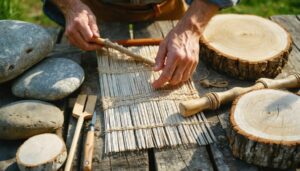
Each village network has its own distinct personality, shaped by local traditions and the natural landscape. In some communities, you might discover artisans working with materials sourced directly from nearby forests or quarries, while others specialize in preserving heritage crafting techniques passed down through generations.
The networks also embrace sustainable practices, with many artisans using eco-friendly materials and production methods. Visitors can often participate in workshops, learning traditional skills firsthand while connecting with the makers themselves. This hands-on approach creates an immersive experience that goes beyond simple shopping – it’s about becoming part of the story.
What’s particularly special is the way these networks preserve and celebrate Ontario’s cultural heritage while embracing innovation, creating a living, breathing ecosystem of creativity that continues to evolve.
Connected Communities in Action
Spotlight: The Frontenac Region
In the heart of Eastern Ontario, the Frontenac region stands as a shining example of how village-to-village networks can transform rural communities into thriving artistic hubs. Local artisans have created a remarkable collaborative ecosystem that spans across charming villages like Sydenham, Verona, and Harrowsmith.
Take Sarah’s Pottery Studio in Sydenham, for instance. What started as a small workshop has blossomed into a community cornerstone, connecting with woodworkers in Verona and textile artists in Harrowsmith. Visitors can follow the “Frontenac Artisan Trail,” a self-guided route that weaves through these interconnected villages, each stop revealing unique treasures and stories.
The network has fostered more than just artistic collaboration – it’s created a sustainable economic model that keeps traditional crafts alive while attracting tourism. Local bed-and-breakfasts have partnered with artisans to offer immersive experiences, from pottery workshops to weaving demonstrations.
What makes this network truly special is its seasonal evolution. Summer brings outdoor markets where artisans gather under ancient maples, while winter transforms studios into cozy gathering spaces for workshops and demonstrations. The success of the Frontenac artisan network has inspired neighboring regions to develop similar initiatives, proving that when villages work together, the whole becomes greater than the sum of its parts.
Supporting Local Art Through Tourism
Visitor Experiences and Workshops
Step into the heart of Ontario’s village-to-village network through immersive workshops and hands-on experiences that connect you directly with local artisans. Watch master potters transform clay into elegant vessels, or try your hand at traditional weaving under the guidance of experienced craftspeople. Many villages offer scheduled demonstrations where you can observe glassblowers creating delicate pieces or woodworkers crafting unique furniture using time-honored techniques.
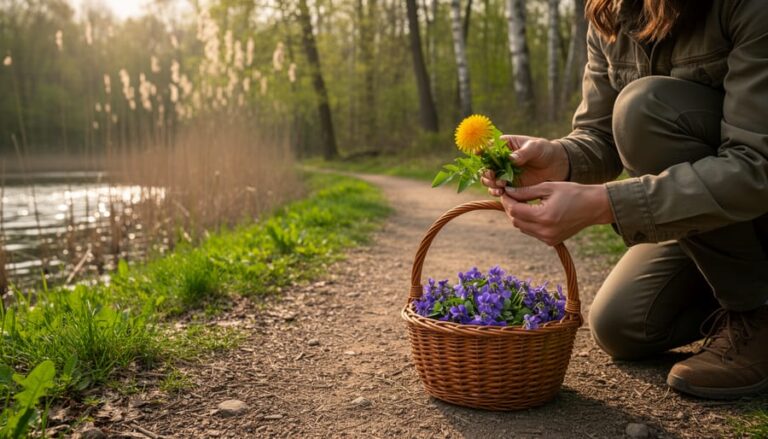
For a truly memorable experience, sign up for one of the network’s popular weekend workshops. Learn the basics of blacksmithing, try your hand at cheese-making, or discover the art of natural dyeing using local plants. These intimate sessions typically accommodate 6-8 participants, ensuring personal attention and meaningful interaction with the artisans.
Insider tip: Book workshops at least two weeks in advance, especially during peak summer months. Many artisans also offer shorter “taster” sessions perfect for families with children. Don’t forget to ask about take-home kits that allow you to continue practicing your newfound skills after your visit. The relationships you build with these skilled craftspeople often become the highlight of your village-to-village journey.


Sustainable Growth Through Collaboration
The beauty of village-to-village networks lies in their ability to create lasting, meaningful connections that benefit everyone involved. By working together, these small communities have discovered that they can achieve far more than they could alone, especially when it comes to implementing sustainable tourism practices that preserve their unique character while welcoming visitors.
Take the example of how artisan villages along Ontario’s cottage country collaborate during peak seasons. When one village’s accommodations are fully booked, they seamlessly direct visitors to nearby partner communities, ensuring tourists experience the region’s full charm while spreading economic benefits across multiple locations. This collaborative approach helps prevent overcrowding in popular spots while giving lesser-known villages their chance to shine.
Local businesses work together to create themed trails and experiences that span multiple villages, such as pottery tours, culinary adventures, or seasonal festivals. These initiatives not only extend visitors’ stays but also encourage them to explore deeper into the region, supporting various communities along the way.
The networks also facilitate knowledge sharing between villages, whether it’s about waste reduction strategies, energy-efficient practices, or innovative ways to showcase local culture. This collective wisdom helps each community grow sustainably while maintaining its authentic character – proving that when villages support each other, everyone thrives.
Village-to-village networks have transformed rural communities across Ontario, creating vibrant hubs of artistic and cultural exchange. These collaborative networks not only preserve traditional crafts and local heritage but also generate sustainable economic opportunities for small communities. Looking ahead, these networks are poised to play an even more crucial role in rural tourism development, with many villages already implementing eco-friendly initiatives and digital platforms to enhance visitor experiences. The success of these networks demonstrates how small communities can thrive by working together, sharing resources, and celebrating their unique identities. As more villages join these networks and expand their offerings, visitors can look forward to discovering authentic experiences, supporting local artisans, and contributing to the sustainable growth of Ontario’s charming rural communities. The future of village-to-village networks looks bright, promising enriched cultural experiences for both residents and travelers alike.







+ There are no comments
Add yours