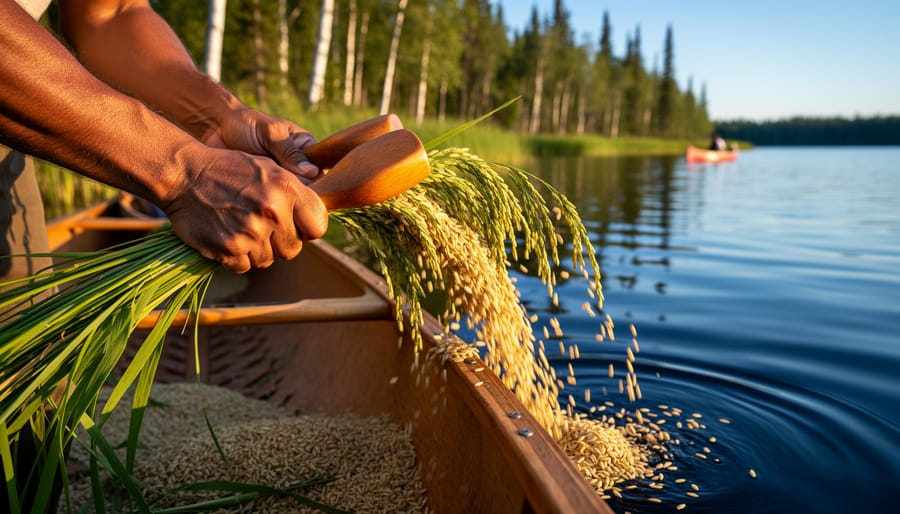
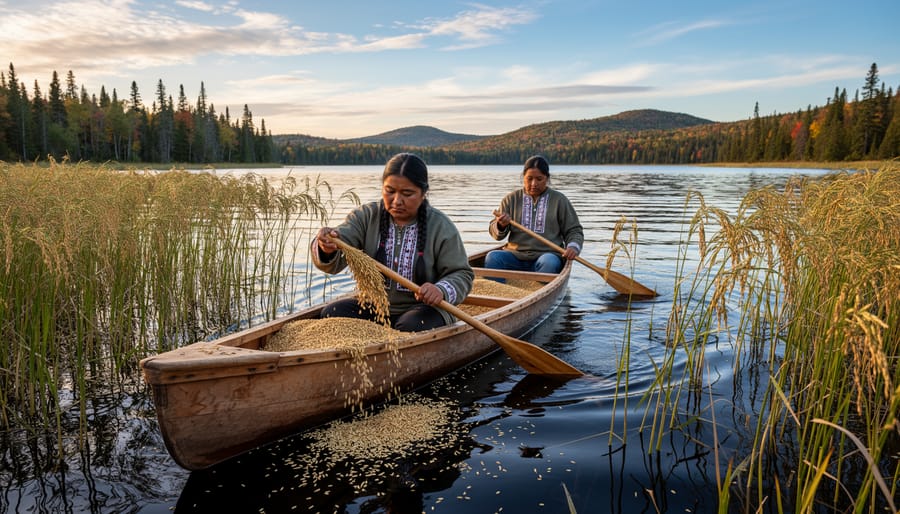
Picture a time before grocery stores lined every street corner, when Indigenous communities across Ontario thrived on intimate relationships with the land—harvesting wild rice from northern lakes, tapping maple trees each spring, and cultivating the Three Sisters of corn, beans, and squash in careful harmony. This wasn’t simply about food. It was sovereignty, self-determination, and cultural survival woven into every seed planted and every fish caught.
Indigenous food sovereignty means First Nations, Métis, and Inuit peoples reclaim their inherent right to define, grow, harvest, and share traditional foods according to their own cultural practices and governance systems. It’s about reversing centuries of colonial policies that banned hunting practices, flooded traditional territories, and severed connections between Indigenous peoples and their ancestral food sources. When communities restore these relationships, they’re doing more than feeding themselves—they’re revitalizing languages spoken during harvests, strengthening cultural identity, and healing from intergenerational trauma.
For visitors exploring Ontario’s parks and natural spaces, understanding food sovereignty transforms how you experience these landscapes. That shoreline where you’re casting a fishing line? It’s been a carefully managed food source for thousands of years. Those berry patches along hiking trails? They’re part of sophisticated cultivation systems that predate European contact. The wild game moving through forests? Sacred relatives in Indigenous worldviews, harvested with ceremony and gratitude.
Recognizing Indigenous food sovereignty isn’t just respectful—it enriches your connection to Ontario’s wilderness. It reminds us that conservation and cultural practices have always been intertwined, and that the most sustainable relationship with nature comes from listening to those who’ve stewarded these lands since time immemorial.
What Indigenous Food Sovereignty Really Means
Imagine walking through an Ontario provincial park, surrounded by towering pines and the scent of wild berries. For thousands of years before these spaces became parks, Indigenous peoples lived here, cultivated relationships with the land, and developed sophisticated food systems that sustained entire communities. Indigenous food sovereignty is about reclaiming that connection and control.
At its heart, food sovereignty means Indigenous communities have the right to decide how they grow, harvest, hunt, and share their traditional foods. It’s not just about accessing food—it’s about self-determination. Think of it as the difference between being handed a grocery bag versus tending your own garden, knowing every plant’s story, and sharing your harvest according to your own cultural values.
This concept goes far beyond agriculture. It encompasses traditional fishing practices in the lakes you might canoe across, harvesting wild rice in northern wetlands, hunting protocols that have sustained ecosystems for generations, and gathering medicines from forests. These aren’t simply survival skills—they’re living cultural practices deeply intertwined with language, ceremony, and identity.
When settlers and colonial governments restricted Indigenous peoples’ access to their traditional territories, they didn’t just limit food sources. They severed spiritual connections, disrupted teaching between generations, and damaged the health of entire communities. Food sovereignty is about healing those wounds by restoring rights to traditional lands and waters.
Here’s where your park visit connects: Many of the landscapes you explore in Ontario are traditional territories where Indigenous communities continue to exercise harvesting rights. That wild blueberry patch or fishing spot might be part of someone’s ancestral food system. Understanding this context transforms how we experience these spaces—from simply recreational areas to living homelands with ongoing cultural significance.
Supporting Indigenous food sovereignty means recognizing that these communities aren’t asking for special privileges. They’re asserting inherent rights to sustain themselves from lands they’ve cared for since time immemorial. When you visit Ontario’s natural spaces, you’re witnessing the very landscapes at the center of this important movement.
Traditional Foods That Shaped Ontario’s Landscape
Wild Plants and Medicines You’ll See on the Trail
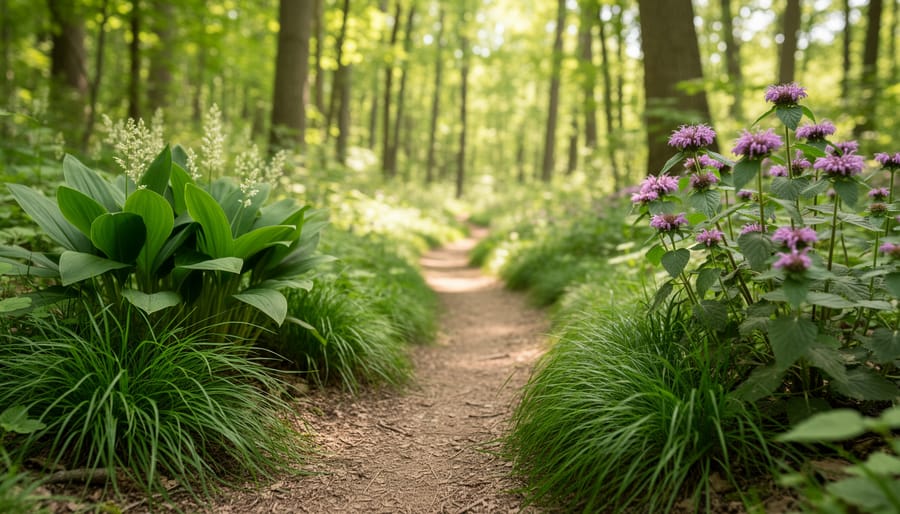
As you explore Ontario’s trails, you’re walking through what Indigenous peoples have considered a living pharmacy and pantry for thousands of years. Keep your eyes open for sweetgrass, with its distinctive vanilla-like fragrance and long, flowing blades. This sacred plant is traditionally braided and used in ceremonies, representing kindness and healing. You might spot it growing in moist meadows or near wetlands.
In spring, wild leeks (also called ramps) carpet forest floors with their broad green leaves, though responsible foraging practices mean leaving most patches undisturbed since they’re increasingly at risk. Summer brings an abundance of wild berries—blueberries, raspberries, and blackberries—that have sustained Indigenous communities for generations and continue to hold both nutritional and cultural importance.
These traditional medicinal plants aren’t just scenic trail companions; they represent living connections to Indigenous knowledge systems and food sovereignty. Here’s an important insider tip: observe and photograph these plants, but resist the urge to harvest them yourself. Many are protected species, and more importantly, their harvest is tied to Indigenous protocols, seasonal timing, and sustainable practices passed down through generations.
If you’re genuinely interested in learning more, consider joining guided Indigenous-led walks where knowledge keepers share appropriate teachings about these plants. This eco-friendly approach respects both the ecosystem and the Indigenous communities whose ancestral territories you’re visiting.
Seasonal Harvesting and the Natural Calendar
When you’re exploring Ontario’s parks throughout the year, you’re witnessing the same natural rhythms that have guided Indigenous communities for thousands of generations. Spring brings the sweet flow of maple sap, when you might notice tapped trees in certain areas—this is sugarbush season, a time of renewal and celebration. As the ice melts and waters warm, fish migrations begin, offering vital nutrition after winter.
Summer transforms the landscape into an abundant garden. Wild berries ripen at different times—strawberries first, then raspberries, and blueberries later in the season. You’ll often spot these growing along sunny trail edges. Indigenous harvesters knew exactly when and where to find each plant at its peak, knowledge passed down through Indigenous ecological knowledge and seasonal ceremonies.
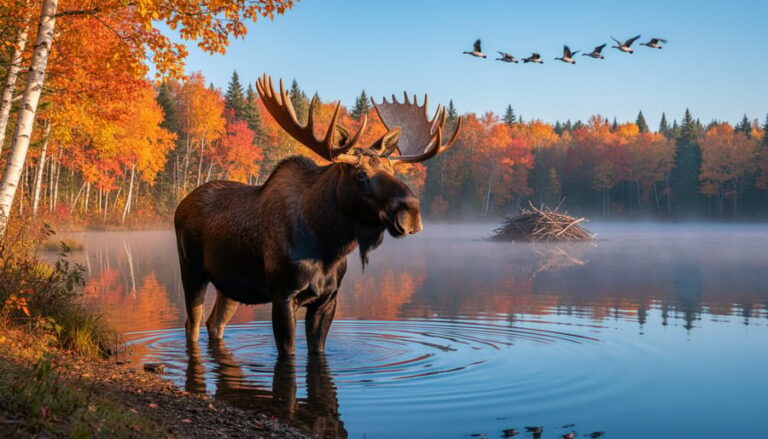
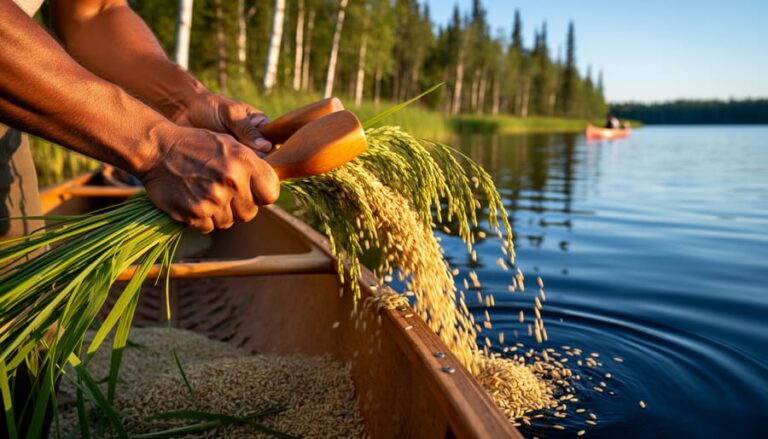
Fall is the season of gathering and preparation. Wild rice harvests occur in shallow waterways, while root vegetables are collected before the first frost. Watch for migratory birds—their movements signaled important transitions in the food calendar.
Winter, though seemingly dormant, offered ice fishing opportunities and preserved foods stored during warmer months.
Here’s an insider tip: Notice which plants and wildlife are active during your visit. This awareness connects you to the same seasonal patterns that continue to sustain Indigenous food systems today. By observing respectfully and staying on designated trails, you’re helping protect these food sources that remain culturally significant to Indigenous communities.
Where Food Sovereignty Meets Your Park Experience
Indigenous-Led Experiences in Ontario Parks
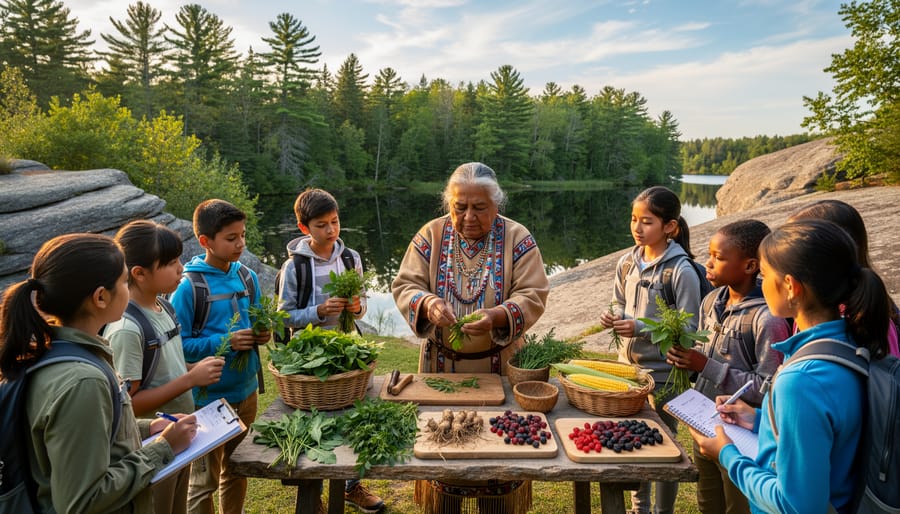
Ontario Parks has partnered with Indigenous communities to create authentic cultural experiences where you can learn about traditional foods firsthand. These programs go beyond just tasting—they’re about understanding the deep connection between Indigenous peoples, the land, and sustainable food practices.
At Quetico Provincial Park, the Anishinaabeg Cultural Program offers seasonal workshops led by Indigenous guides who share traditional harvesting techniques. I once joined a wild rice harvesting demonstration there, and watching the gentle knocking motion used to collect the grain while leaving seeds for next year’s harvest really brought home the concept of taking only what you need. The guides explain how each plant has a purpose and a proper time for gathering, knowledge passed down through countless generations.
Killarney Provincial Park features interpretive programs where Anishinaabe educators demonstrate traditional methods of preparing fish, processing birch bark, and identifying medicinal plants. The hands-on approach makes these sessions memorable—you’re not just hearing about food sovereignty, you’re seeing it practiced.
For a truly immersive experience, visit Mashkode-bizhiki’i Gichi-dewe’igan (Buffalo Point), where the Fort William First Nation operates cultural programming that includes traditional cooking demonstrations using local ingredients like cedar tea, Three Sisters crops, and wild game. Their interpretive center provides context about how colonial policies disrupted traditional food systems and why reclaiming these practices matters today.
Insider tip: Many of these programs operate seasonally and require advance booking, so check park websites before your visit. Come with genuine curiosity and respect—these experiences are generous invitations into living cultures, not performances. Supporting these programs through participation directly contributes to Indigenous communities maintaining their food sovereignty and sharing their knowledge on their own terms.
Supporting Indigenous Food Businesses and Artisans
Your travel choices can make a real difference in supporting Indigenous food sovereignty, and the good news is that it’s easier—and more delicious—than you might think! When you’re exploring Ontario’s parks and surrounding communities, seek out Indigenous-owned restaurants, cafés, and food trucks that showcase traditional ingredients and recipes passed down through generations. Many communities near popular parks have established eateries where you can try Three Sisters soup, wild rice dishes, cedar tea, or bannock prepared authentically.
Farmers’ markets are another fantastic opportunity to connect directly with Indigenous food producers. Look for vendors selling traditional foods like wild harvested rice, maple syrup, fish, game meats, or foraged items like fiddleheads and berries. When you purchase from Indigenous harvesters, you’re directly supporting families who maintain traditional knowledge and sustainable practices that have nourished these lands for millennia.
Consider visiting Indigenous cultural centers and gift shops that often carry food products—everything from herbal teas to preserves made with traditional ingredients. These purchases help sustain small-scale Indigenous food businesses while giving you authentic taste memories to take home.
Here’s an insider tip: many Indigenous communities offer seasonal food experiences like maple syrup tours in spring or wild rice harvesting demonstrations in fall. These immersive activities not only support local economies but also deepen your understanding of the incredible knowledge systems behind Indigenous food traditions. Remember to always ask permission before photographing food or cultural practices, and engage with genuine curiosity and respect.
Respectful Foraging and Leave No Trace Principles
When you’re out exploring Ontario’s incredible wilderness areas, you might be tempted to harvest wild berries, dig up roots, or gather medicinal plants. Before you do, take a moment to consider whose traditional territory you’re on and what harvesting rights exist there.
Here’s the thing: many Indigenous communities have formal harvesting agreements with provincial parks and conservation areas. These aren’t just symbolic gestures—they’re legally protected rights that allow Indigenous peoples to gather traditional foods and medicines as their ancestors have done for thousands of years. When you harvest from these lands without permission, you’re potentially taking resources that Indigenous families depend on for food, medicine, and cultural practices.
So how can you appreciate wild foods ethically? Start by doing your homework before any outdoor adventure. Check if you’re visiting Crown land, provincial parks, or areas with specific Indigenous harvesting agreements. Many parks have clear signage about harvesting restrictions—actually read them instead of scrolling past.
If you’re genuinely interested in foraging, consider taking guided tours led by Indigenous educators. Several communities across Ontario offer incredible workshops where you’ll learn not just which plants are edible, but the stories, songs, and protocols that accompany traditional harvesting. I took one near Manitoulin Island last summer, and it completely transformed how I see the forest. We learned to offer tobacco before harvesting, to never take more than we needed, and to always leave enough for the plant to regenerate and for others to harvest.
Practice true Leave No Trace principles that go beyond just packing out your garbage. This means leaving plants, rocks, and natural features exactly as you found them. If you’re camping, stick to established sites and trails to minimize your impact on areas where traditional foods grow.
An insider tip: if you spot someone harvesting wild foods in a park or conservation area, don’t assume they’re breaking rules. Indigenous harvesters often have permits or treaty rights that allow traditional gathering. Respect their privacy and space.
Remember, appreciating doesn’t always mean taking. Sometimes the best way to honor wild foods is simply to observe, photograph, and learn. You can support Indigenous food sovereignty by being a respectful visitor who recognizes these lands have provided sustenance to First Nations, Métis, and Inuit peoples long before they became tourist destinations.
The Future of Food and Land in Ontario’s Protected Spaces
Exciting changes are happening across Ontario’s protected spaces as Indigenous communities reclaim their rightful role as land stewards. These aren’t just symbolic gestures—they’re transformative partnerships that are reshaping how we protect and experience our parks.
Land-back initiatives are gaining momentum throughout the province, returning traditional territories to Indigenous governance. The Mississaugas of the Credit First Nation’s recent acquisition of lands along the Credit River watershed demonstrates how these transfers restore not just property, but cultural connections to food systems that sustained communities for thousands of years. When you visit these spaces, you’re witnessing living reconciliation in action.
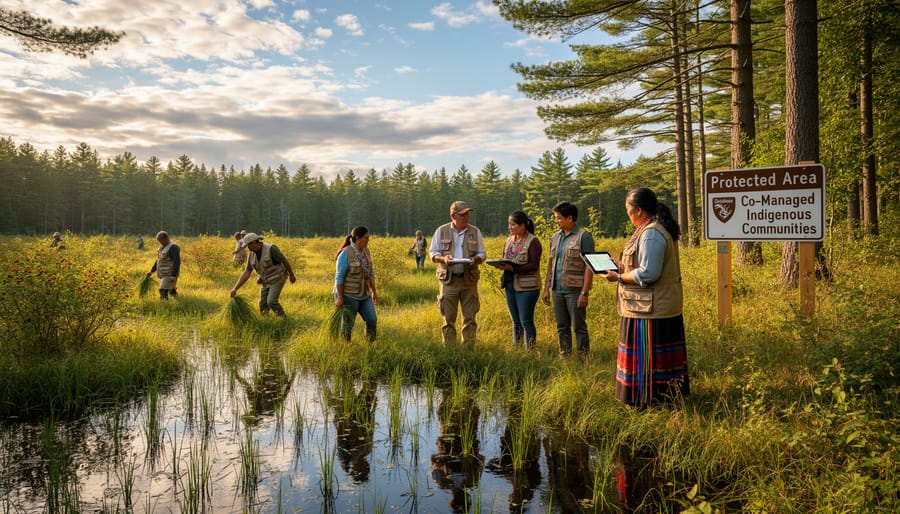
Co-management initiatives are creating innovative models where Indigenous knowledge works alongside Western conservation science. Parks like Pukaskwa National Park in northwestern Ontario show how this collaboration enriches everyone’s experience. Traditional harvesting areas are protected, medicinal plants thrive, and visitors gain access to educational programs that reveal the deep ecological wisdom embedded in Indigenous food practices.
The challenges remain real—funding gaps, jurisdictional complexities, and decades of bureaucratic resistance can slow progress. Yet the successes tell a compelling story. Indigenous-led conservation projects consistently show better biodiversity outcomes, healthier ecosystems, and more engaged local communities.
Here’s an insider tip: many parks now offer cultural programs led by Indigenous educators during summer months. These experiences—from wild rice harvesting demonstrations to traditional fishing workshops—provide authentic connections you won’t find in guidebooks.
As visitors, we benefit tremendously from these shifts. Parks become richer, more vibrant spaces where cultural knowledge enhances conservation efforts. The wild berry patches you pass on trails, the fish populations in pristine lakes, the carefully managed forests—all reflect generations of sophisticated land management that’s finally being recognized and restored.
The trails you hike, the waters you paddle, and the berries you notice growing beside forest paths are all part of an intricate food system that Indigenous communities have nurtured for thousands of years. When you understand Indigenous food sovereignty, your outdoor adventures in Ontario transform into something deeper—a chance to witness living traditions and support communities reclaiming their cultural heritage.
Here’s how you can make a difference during your next park visit: Purchase Indigenous-harvested foods at local markets or visitor centers when available. Respect posted signage about culturally significant areas, understanding that certain plants or locations may hold ceremonial importance. Choose tour operators and guides from Indigenous-led businesses who share traditional ecological knowledge. Even small actions matter—when you pack out all your waste and stay on designated trails, you’re helping preserve the ecosystems that Indigenous communities depend on for traditional foods.
Consider this your invitation to become a thoughtful visitor rather than just a tourist. Learn the Indigenous territories you’re exploring. Listen to the stories. Support Indigenous-owned businesses. The connection you feel to Ontario’s stunning landscapes deepens immeasurably when you recognize the people who’ve been their original caretakers. By engaging respectfully with Indigenous food sovereignty, you’re not just enjoying nature—you’re participating in its future, ensuring these incredible outdoor experiences remain vibrant for generations to come.




+ There are no comments
Add yours