

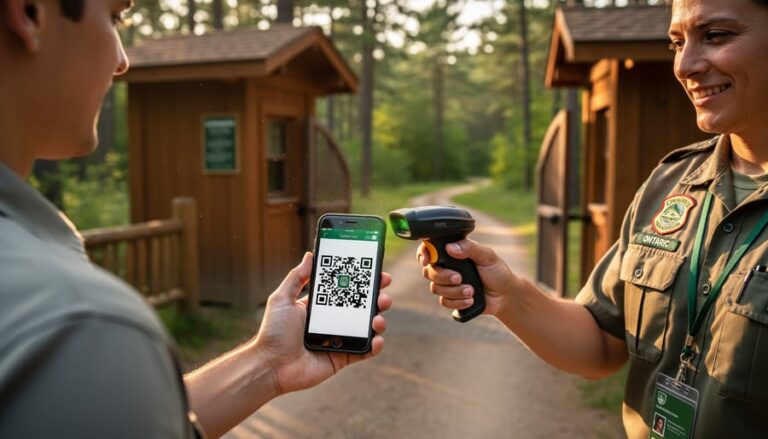
Start your journey at the Buxton National Historic Site and Museum in North Buxton, where the Elgin Settlement became one of the most successful termini of the Underground Railroad, offering guided tours through preserved buildings where freedom seekers built new lives. Download the Ontario Heritage Trust’s mobile app before you leave home to access GPS-enabled maps pinpointing authenticated sites across the province, from Amherstburg’s Freedom Museum to Niagara-on-the-Lake’s historic crossing points. Connect with local Black history organizations in communities like Chatham-Kent, Owen Sound, and St. Catharines, who often lead specialized walking tours revealing hidden safe houses and secret routes that standard tourist maps miss.
Ontario sheltered more freedom seekers than any other region outside the United States, transforming our landscape into a living memorial of courage and resistance. Between the 1830s and 1860s, an estimated 30,000 to 40,000 people escaped slavery through this network, with many settling permanently in southwestern Ontario communities that still celebrate their legacy today. These weren’t just waypoints in someone else’s story. They became home.
The sites you’ll discover range from humble frame houses with concealed cellars to churches that doubled as organizing centers, from cemeteries honoring pioneers to museums preserving their testimonies. Many locations sit near provincial parks and conservation areas, making them perfect additions to camping trips and outdoor adventures. You’re not just checking boxes on a history lesson. You’re walking the same forest paths freedom seekers traveled by night, standing in rooms where families whispered plans for new beginnings, and connecting with descendants who keep these stories alive through community celebrations and Emancipation Day festivals each August.
Why Ontario Became the Promised Land
Between 1834 and 1865, Ontario—then called Upper Canada—became a beacon of hope for thousands of freedom seekers escaping slavery in the United States. But why did so many brave souls risk everything to reach this particular destination?
The answer lies in a pivotal moment: the British Empire abolished slavery in 1833, taking effect the following year. This made Canada a truly free land where formerly enslaved people could live without fear of being captured and returned to bondage. Unlike northern U.S. states where the Fugitive Slave Act meant slave catchers could legally pursue and reclaim people, British soil offered genuine protection. Once you crossed into Upper Canada, you were free—really free.
That promise of liberty sparked an incredible migration. An estimated 30,000 to 40,000 freedom seekers made the perilous journey north, often traveling under cover of darkness, following the North Star, and relying on the courage of Underground Railroad conductors and station masters. They arrived with little more than the clothes on their backs, but what they built was extraordinary.
Thriving communities sprang up across southern Ontario. In places like Buxton, Dresden, and Chatham, formerly enslaved people established farms, opened businesses, built churches, and created schools where their children could learn to read and write—something that had been forbidden in slave states. These weren’t just refugee settlements; they were vibrant towns where Black Canadians became landowners, entrepreneurs, teachers, and community leaders.
The legacy of these communities lives on today in the historic buildings across Ontario that still stand as testaments to resilience and determination. Churches where congregations gathered, homes that sheltered the weary, and schools that educated future generations—these places tell stories of courage that transformed not just individual lives, but shaped Ontario’s identity as a place of refuge and opportunity.

Underground Railroad Sites in Southwestern Ontario
Uncle Tom’s Cabin Historic Site (Dresden)
Standing in Dresden, Ontario, you’re walking the same grounds where Reverend Josiah Henson found freedom and built a remarkable community. This site holds special significance – Henson’s life story inspired Harriet Beecher Stowe’s “Uncle Tom’s Cabin,” the novel that shifted public opinion on slavery across North America.
The historic site preserves Henson’s actual home, a simple white frame house where he lived with his family after escaping slavery in 1830. What strikes you immediately is how this modest dwelling became the heart of a thriving settlement. Henson didn’t just seek his own freedom – he returned to the United States multiple times, guiding over 200 people to safety through the Underground Railroad network.
Today’s visitors can tour the interpretive center, which brings Henson’s journey to life through artifacts and multimedia displays. The grounds include several restored buildings from the Dawn Settlement, the community Henson established to help formerly enslaved people build new lives through education and vocational training.
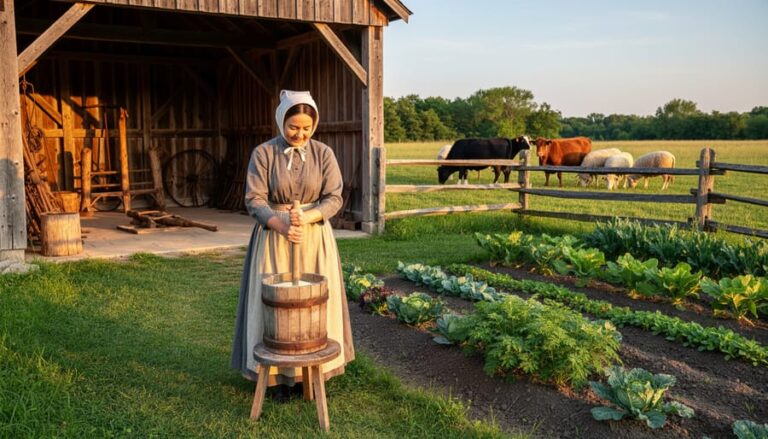
Here’s an insider tip: visit during their special programming events when costumed interpreters share personal stories that don’t make it into the standard tour. The autumn harvest festival is particularly moving.
For eco-conscious travelers, Dresden is easily accessible by VIA Rail, and the town’s compact size makes walking your best option. Pack a reusable water bottle – there’s a fountain near the visitor center. Consider staying at locally-owned B&Bs in nearby Chatham to support the regional economy while reducing your environmental footprint.
Buxton National Historic Site & Museum
Just an hour southeast of Detroit and about two hours from Toronto, the Buxton National Historic Site & Museum tells one of the most inspiring stories of freedom and community-building in Canadian history. Founded in 1849 by Reverend William King, the Elgin Settlement became a beacon of hope for escaped enslaved people seeking refuge in Canada. What sets Buxton apart is that it wasn’t just a stopping point—it was a thriving, self-sustaining community where Black settlers owned their own land, built schools, churches, and businesses, and proved that when given opportunity, freed people could flourish.
Today, the museum sits on the original settlement grounds, surrounded by peaceful farmland that whispers stories of resilience. Inside, you’ll discover original artifacts, including tools, furniture, and personal belongings that bring the settlers’ daily lives into focus. The exhibit on the settlement’s school system is particularly moving—Buxton’s students often outperformed their peers in other schools, challenging racist assumptions of the era.
Don’t miss the restored church and the surrounding Heritage Trail, where interpretive signs guide you through the historic landscape. Visit during their annual Homecoming celebration in September for living history demonstrations and storytelling that truly brings the past alive.
The site is open Tuesday through Saturday from May to October, with winter hours by appointment. Plan for a 90-minute visit, and consider packing a picnic to enjoy on the grounds while reflecting on this remarkable piece of history.
John Freeman Walls Historic Site (Windsor-Lakeshore)
Tucked away in the Windsor-Lakeshore region, the John Freeman Walls Historic Site offers something truly special – an authentic connection to the past that most visitors have never experienced. This hidden treasure centers around an original 1846 log cabin that John Freeman Walls built with his own hands after escaping slavery in North Carolina. Unlike larger museums where you’re kept at arm’s length from history, here you can actually step inside the cabin where this remarkable family began their new life in freedom.
What makes this site particularly meaningful is that it’s still operated by Walls’ descendants, who share their family’s story firsthand. You’ll hear accounts passed down through seven generations, bringing an intimacy and authenticity you simply won’t find in textbook history. The Bryan and Arlie Walls, direct descendants, often lead tours themselves, weaving together personal memories with historical facts in a way that makes the past feel remarkably present.
The site features several historic buildings beyond the cabin, including a church and cemetery where freedom seekers who made it to Canada found their final rest. Kids love the hands-on elements – grinding corn using traditional methods or trying their hand at period crafts.
Insider tip: Call ahead to book a private tour if possible. The personal attention transforms your visit into an unforgettable conversation rather than a standard museum walkthrough. The site is only open seasonally and by appointment, so planning ahead is essential. Located just minutes from Lake Erie’s shoreline, you can easily combine your visit with a picnic at one of the nearby beaches.
Hidden History in the Golden Horseshoe and Greater Toronto Area
St. Catharines and the Niagara Region
St. Catharines and the Niagara Region offer a remarkable concentration of Underground Railroad history, making it perfect for a day of exploration. The British Methodist Episcopal Church, built in 1855, stands as a powerful symbol of freedom—many congregants were formerly enslaved people who found safety in Canada. Today, you can visit during special tours and feel the weight of history in its wooden pews.
Just a short walk away, the Salem Chapel BME Church (completed in 1855) served as a sanctuary and community hub for freedom seekers. Harriet Tubman herself worshipped here during her time in St. Catharines. The chapel’s simple exterior belies its profound significance, and knowledgeable guides share stories that’ll give you goosebumps.
Here’s an insider tip: combine your church visits with the Niagara Freedom Trail, a self-guided walking and cycling route connecting multiple historical sites. This trail beautifully weaves together the region’s role in the Underground Railroad with scenic outdoor experiences. You’ll pass through downtown St. Catharines, along tree-lined streets where freedom seekers once walked, and near the Welland Canal—one of the historic transport routes that shaped the area.
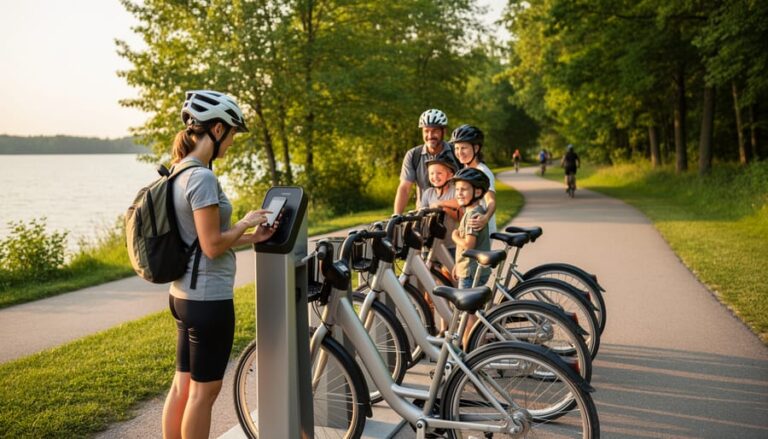
Pack a picnic and make it an eco-friendly day trip by cycling between sites. The relatively flat terrain makes it accessible for most fitness levels. Spring through fall offers the best weather, and you’ll find interpretive markers throughout that help you imagine the courage required for those final steps to freedom.

Toronto’s Freedom Connections
Toronto holds a special place in Underground Railroad history as the final destination for thousands of freedom seekers. Walking these urban streets today, you’re literally following in the footsteps of people who risked everything for liberty.
Start your exploration near the corner of Sackville and Eastern Avenue, where Thornton and Lucie Blackburn once lived. This remarkable couple escaped slavery in Kentucky and became Toronto’s first taxi operators. While the original house no longer stands, historical markers tell their incredible story of resilience and entrepreneurship in their new home.
Just a short walk away, Little Trinity Church on King Street East welcomed freedom seekers in the 1840s and 1850s. The congregation actively supported newcomers, making this one of Toronto’s most significant Underground Railroad sites. The church still stands today, its modest brick exterior hiding decades of powerful history.
For the best experience, plan a self-guided walking tour on a pleasant afternoon. The Toronto District School Board has created excellent downloadable maps marking key sites throughout the city. Pack comfortable shoes and a water bottle, and give yourself at least two hours to really absorb the stories. These sites cluster conveniently in the historic Corktown neighborhood, where you’ll also find great cafes for refueling between stops.
Hamilton and Oakville
Just west of Toronto, Hamilton and Oakville preserve powerful Underground Railroad stories that deserve your attention. The Griffin House in Ancaster stands as a remarkable testament to freedom-seeking courage. Built in 1827 by Enerals Griffin, himself a formerly enslaved person who escaped from Virginia, this Georgian-style home became a beacon of hope and a thriving community hub. When you visit, you’ll walk through rooms where families rebuilt their lives and where Griffin established himself as a respected landowner and community leader.
The house sits in a beautiful area perfect for combining history with outdoor exploration. I love visiting in autumn when the surrounding trails burst with color. After touring the Griffin House, head to nearby Dundas Peak for breathtaking escarpment views, or explore the Bruce Trail sections that wind through the region.
In Oakville, seek out the Erchless Estate, where the Chisholm family supported freedom seekers. The waterfront location makes it easy to pair your visit with a lakeside picnic or bike ride along the scenic Waterfront Trail.
Insider tip: Many of these sites offer special programming during Black History Month in February, featuring storytellers and descendants who bring these histories to life in deeply personal ways.
Eastern Ontario and Beyond
You might be surprised to learn that the Underground Railroad network extended far beyond the popular routes near the U.S. border. Eastern Ontario became home to numerous freedom seekers who traveled up the St. Lawrence River corridor and through the Thousand Islands region, creating vibrant communities that left lasting legacies.
Kingston served as a crucial arrival point, with Black refugees establishing a thriving community around the waterfront. St. Paul’s AME Church, founded in the 1850s, still stands today as a testament to their resilience. The Kingston area also boasts connections to Indigenous heritage sites, reminding us that many freedom seekers found support from Indigenous communities along their journey.
Ottawa offers a particularly fascinating chapter in this story. The area around LeBreton Flats housed a significant Black settlement by the 1850s. While much of the original neighborhood has changed, you can explore this history at the Bytown Museum, which features exhibits on the city’s early Black residents. Victoria Island, accessible via walking trails near Parliament Hill, historically served as a meeting place where conductors coordinated safe passage northward.
Here’s an insider tip: visit the small towns surrounding these larger centers. Places like Portland, Westport, and Merrickville each have their own Underground Railroad connections, often marked by heritage plaques or historic homes. These quieter spots offer a more intimate glimpse into how everyday people risked everything to help others find freedom.
Many of these sites are located near provincial parks and conservation areas, making them perfect additions to your camping itinerary. Imagine paddling through the same waterways that freedom seekers navigated under cover of darkness, then learning their stories at local museums and heritage sites. This widespread network demonstrates that courage and compassion flourished across the entire region.

Planning Your Underground Railroad Heritage Journey
Planning your Underground Railroad heritage journey takes a bit of thoughtfulness, but trust me, the rewards are absolutely worth it. I’ve found that visiting multiple sites in one trip creates a richer narrative experience, so consider clustering locations by region. For instance, you might spend a weekend exploring the Niagara corridor, hitting Niagara-on-the-Lake, St. Catharines, and the Freedom Trail in one go, then dedicate another trip to the southwestern sites around Chatham and Windsor.
Timing matters more than you might think. Spring and fall offer the best experience, with fewer crowds and comfortable temperatures for walking tours. Many outdoor sites are particularly moving in early morning or late afternoon when the light creates that contemplative atmosphere perfect for reflection. Summer weekends get busy at popular destinations, so weekday visits give you more personal space to absorb the history. Several sites host special events during Black History Month in February, though you’ll need to bundle up.
Here’s an insider tip I wish I’d known earlier: many Underground Railroad sites sit near incredible outdoor recreation opportunities. After touring the Josiah Henson site, you’re just minutes from conservation areas perfect for hiking or picnicking. The Owen Sound Marine and Rail Museum pairs beautifully with a camping trip to nearby provincial parks. You can explore history by day and sleep under the stars by night, just like freedom seekers did generations ago.
When visiting, practice respectful tourism. These aren’t just attractions, they’re sacred spaces marking tremendous courage and suffering. Speak quietly at cemetery sites, ask permission before photographing church interiors, and consider making donations to support preservation efforts. Many sites are maintained by small historical societies running on tight budgets.
For eco-friendly travel, combine multiple sites into single trips to reduce your carbon footprint. Public transit connects several Toronto and Hamilton locations beautifully. When that’s not feasible, carpooling with fellow history enthusiasts makes the journey more sustainable and often more fun. Pack reusable water bottles and snacks to minimize waste, and consider staying at eco-certified accommodations. Similar to visiting Ontario’s colonial forts, thoughtful planning enhances both your experience and your positive impact on these precious historical treasures.

Visiting these Underground Railroad sites offers more than just a history lesson—it’s a powerful way to connect with the courage and resilience that shaped Ontario’s identity as a beacon of freedom. When you walk the same paths that freedom seekers traveled, stand in the homes where they found refuge, and explore the communities they built, you’re honoring their legacy in the most meaningful way possible.
These sites need our support to continue sharing their stories. Consider timing your visit during special events or guided tours to deepen your experience, and don’t hesitate to contribute through memberships or donations. Many sites are maintained by small teams of dedicated volunteers who pour their hearts into preservation.
As you plan your journey, think about how the values these sites represent—freedom, justice, and human dignity—still resonate today. Bring your family, share what you learn, and let these stories inspire conversations that matter. Ontario’s Underground Railroad heritage is a treasure that deserves to be explored, celebrated, and passed on to future generations. Start your adventure today and discover how this remarkable chapter of history lives on in our communities.






+ There are no comments
Add yours