

Recognize the warning signs your body is sending: if you’re lying awake at 3 AM scrolling your phone, hitting snooze five times every morning, or relying on triple-shot lattes to function, your circadian rhythm is crying out for help. A sleep retreat in Ontario’s wilderness offers a proven reset button, using nature’s own schedule to recalibrate your internal clock through strategic exposure to natural light, darkness, and the absence of digital interference.
Choose a park with minimal light pollution and maximum forest canopy coverage. Algonquin Park’s interior sites, Frontenac Provincial Park’s backcountry campsites, and Killarney’s remote shorelines provide the darkness levels necessary for genuine melatonin production. Book campsites at least 2 kilometers from any road access to escape ambient noise and artificial light sources that sabotage your reset efforts.
Time your retreat during the shoulder seasons of late spring or early fall when daylight hours naturally align with optimal sleep-wake cycles. Plan for a minimum four-night stay, as research shows circadian rhythm recalibration requires 72-96 hours of consistent natural light exposure. Pack a headlamp with red-light settings only, eliminate all screens 48 hours before departure, and commit to following the sun’s schedule completely.
Ontario’s provincial parks offer more than traditional wellness retreats. They provide the exact environmental conditions your ancestors used for millennia, the same darkness and dawn patterns your DNA still expects, and the transformative power of letting nature govern your sleep schedule instead of your alarm clock.
What Exactly Is a Circadian Reset Sleep Retreat?
Your body runs on an internal 24-hour clock called your circadian rhythm, and when it’s working properly, you feel energized during the day and naturally sleepy at night. But here’s the thing: modern life has thrown our internal clocks completely out of whack. Between late-night screen scrolling, artificial lighting, indoor offices, and irregular sleep schedules, many of us are living in a constant state of circadian confusion. The result? Poor sleep quality, daytime fatigue, and that frustrating feeling of being tired but wired.
A circadian reset sleep retreat is essentially a chance to reboot your body’s natural clock by removing all those modern disruptions and reconnecting with the rhythms that humans evolved with for thousands of years. Think of it as a guided return to basics, where you align your sleep-wake cycle with the actual rising and setting of the sun.
Here’s how it works in practice. You spend several days camping in nature, where natural light exposure becomes your primary timekeeper. Morning sunlight signals your brain to wake up and suppress melatonin production, while the gradual dimming of evening light naturally prepares your body for sleep. You disconnect from screens and artificial blue light that tricks your brain into thinking it’s still daytime. You follow structured sleep schedules that honor your body’s natural tendencies rather than fighting against them.
The immersion in nature aspect is crucial too. Studies show that spending time outdoors reduces cortisol levels and promotes relaxation, making it easier to fall asleep naturally. Similar to nature meditation retreats, the goal is total sensory restoration.
Ontario’s provincial parks provide the perfect setting for this reset. You’re far from city lights, surrounded by trees, and immersed in the natural soundscape of rustling leaves and bird calls rather than traffic and notifications. Most people notice improvements in their sleep quality within just three to four nights.
Why Ontario Parks Are Sleep-Reset Superstars
The Dark Sky Advantage
Here’s something most people don’t realize: your body is literally waiting for darkness to flip the sleep switch. When the sun sets and darkness surrounds you, your pineal gland kicks into gear, releasing melatonin—the hormone that tells every cell in your body it’s time to wind down.
In our everyday lives, we sabotage this ancient process constantly. Those bright bathroom lights at 10 PM? Your brain thinks it’s noon. Scrolling your phone in bed? Might as well be staring at the sun. Even streetlights outside your window can suppress melatonin production by up to 50%.
This is where Ontario Parks becomes your secret weapon. Unlike urban campgrounds with floodlit washrooms and security lights, many provincial parks embrace minimal artificial lighting. Walk through Algonquin or Killarney after sunset, and you’ll experience the kind of profound darkness our ancestors knew—the darkness our bodies are designed for.
I’ll never forget my first night at Bon Echo Provincial Park. Within an hour of sunset, without any screens or artificial light, my eyelids grew genuinely heavy. No melatonin gummies needed. Just pure, uninterrupted darkness doing what millions of years of evolution intended. That’s the magic you’re working with here.
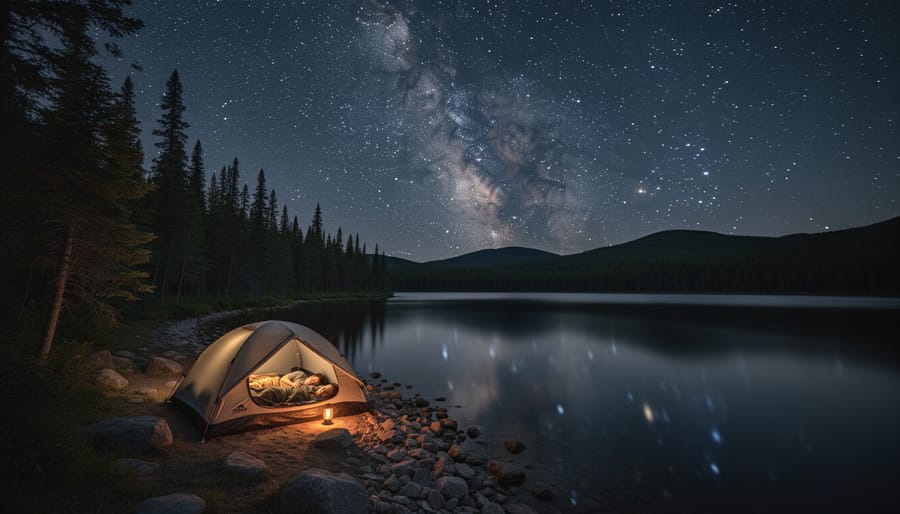
Nature’s Wake-Up Call
There’s something almost magical about waking up in a tent as the first golden rays filter through the trees. Unlike your bedroom at home where blackout curtains and artificial lighting confuse your body’s internal clock, Ontario’s parks offer the most effective alarm clock nature ever designed: the sun itself.
When you sleep outdoors, you’re exposing yourself to the full spectrum of natural light from sunrise to sunset. That morning light, especially the blue wavelengths that peak just after dawn, sends a powerful signal to your brain’s suprachiasmatic nucleus—your body’s master timekeeper. It’s like hitting the reset button on a confused computer system.
I learned this firsthand during a camping trip to Algonquin Park. After years of scrolling through my phone in bed and staring at screens until midnight, my sleep schedule was a mess. But after just two nights sleeping under canvas, I was naturally waking at 6:30 AM feeling refreshed—something that hadn’t happened in years.
The difference between indoor and outdoor environments is stark. Even a bright room gets only about 100-200 lux of light, while a cloudy morning outdoors delivers 1,000 lux or more. Your circadian system responds dramatically to this intensity difference.
Here’s an insider tip: position your tent facing east if possible. You’ll catch that crucial morning light without even unzipping your sleeping bag, giving your body the gentle, natural wake-up call it’s been craving.
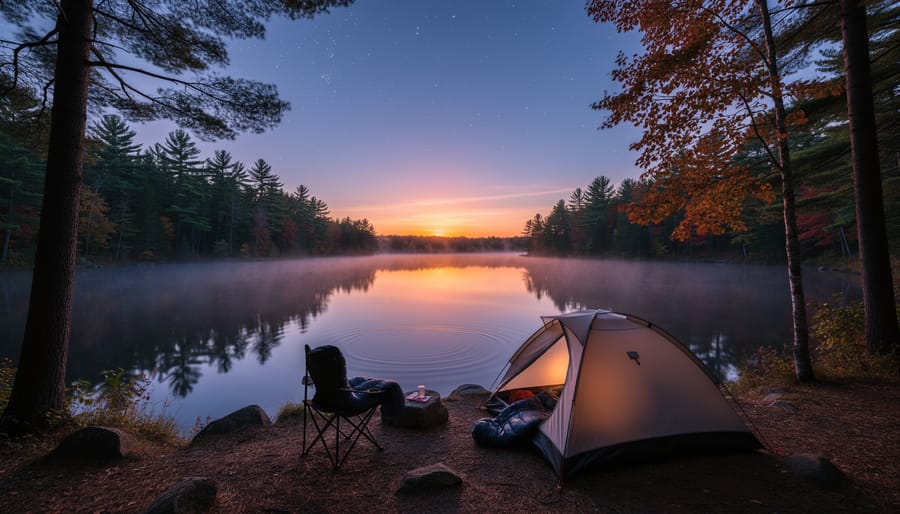
Best Ontario Parks for Your Sleep Retreat
Frontenac Provincial Park
If you’re craving true isolation for your circadian reset, Frontenac Provincial Park is your answer. This backcountry gem north of Kingston offers over 160 remote campsites accessible only by canoe, meaning you’ll leave the crowds (and their headlamps) far behind. The park’s 22 pristine lakes create a stunning setting where the only sounds at night are lapping waves and the occasional loon call.
The remoteness here is the real deal. With no road access to campsites and limited cell service, your body has no choice but to sync with natural rhythms. The dark skies are phenomenal—on clear nights, you’ll see the Milky Way stretching overhead like a cloudy river of stars.
For minimal disturbance, veteran campers recommend sites on Big Salmon Lake’s northern shore or the interior campsites on Slide Lake. These spots face away from the main paddling routes and offer maximum peace. Pro tip: visit during weekdays in September when kids are back in school. You might have entire lakes to yourself, and the fall colors provide an extra sensory treat to enhance your reset experience. The combination of physical paddling, digital disconnect, and pristine wilderness makes Frontenac ideal for deep sleep recalibration.
Killarney Provincial Park
If you’re craving a true wilderness escape to reset your internal clock, Killarney Provincial Park delivers in spades. Picture this: pink granite ridges rising above crystal-clear lakes, white quartzite peaks glowing in the sunset, and a silence so profound you’ll actually hear yourself breathe. This is where the Group of Seven artists found inspiration, and where you’ll find the deep rest your body has been begging for.
The backcountry campsites here are genuinely remote, meaning you won’t be dealing with generator noise or headlights sweeping across your tent at 2 a.m. Paddle into George Lake or OSA Lake, and you’ll claim your own slice of pristine wilderness. The darkness at night is remarkable—perfect for letting your circadian rhythm sync with natural light cycles.
Insider tip: Visit in September when the bugs have died down but the fall colours are just beginning. You’ll have more solitude and comfortable temperatures for sleeping. The park’s backcountry sites require advance booking, so plan ahead, especially for lakefront spots.
Eco-friendly suggestion: Practice leave-no-trace camping strictly here. This landscape is fragile, and preserving its pristine quality ensures future sleep-seekers can experience the same restorative wilderness you will. Bring a water filter instead of bottled water, and pack out everything you bring in.
Other Sleep-Friendly Parks Worth Considering
While the parks above offer dedicated quiet zones, don’t overlook these wonderful alternatives for your sleep retreat adventure.
Algonquin Provincial Park can surprise you with peaceful pockets despite its popularity. Here’s an insider tip: head to the eastern side campgrounds like Kiosk or Brent. These areas see far fewer visitors than the Highway 60 corridor, giving you that precious darkness and silence. Paddle into the backcountry if you’re feeling adventurous—the stars from a remote Algonquin lake are truly something special.
Silent Lake Provincial Park lives up to its name beautifully. The park prohibits motorized boats, creating a naturally tranquil atmosphere perfect for circadian reset work. The 15-kilometer trail system winds through peaceful forests ideal for those essential morning light walks.
Charleston Lake Provincial Park in Eastern Ontario offers fantastic dark sky conditions without the crowds. The backcountry campsites along the shoreline provide excellent isolation, and the rocky terrain creates natural sound barriers. Local campers rave about the September shoulder season here—cooler temperatures mean better sleep, and you’ll practically have the place to yourself.
Planning Your Circadian Reset Camping Trip
How Long Should You Stay?
Here’s the thing about circadian rhythm resets – they don’t happen overnight (pun intended!). From my conversations with sleep researchers and retreat veterans, the sweet spot is typically 3-5 days in nature. Here’s what you can expect: Day one, you’re still buzzing with everyday stress and your phone withdrawal might be real. By day two, you’ll notice yourself naturally gravitating toward the campfire as darkness falls, feeling genuinely tired earlier than usual. Day three is where the magic happens – many people report waking naturally with sunrise, feeling more refreshed than they have in months. By days four and five, these patterns solidify, and you’ve essentially trained your body to recognize natural light cues again. Weekend warriors can still benefit from a 2-3 day trip, but if you’re dealing with serious sleep issues or jet lag, consider booking that full work week off. Your body clock will thank you, and the reset effects often last weeks after you return home. Pro tip: avoid checking out too early in the morning – give yourself that final sunrise experience to cement those healthy new rhythms.
Essential Gear for Sleep Success
Packing the right gear can make the difference between a rejuvenating sleep retreat and a restless night under the stars. Start with a quality sleeping pad—your back will thank you! Look for insulated, self-inflating options with an R-value suited to Ontario’s seasons. I learned this the hard way during a chilly September trip to Algonquin when my budget pad left me shivering at 3 a.m.
Choose your sleeping bag wisely based on the season. Spring and fall retreats need bags rated to at least -5°C, while summer allows lighter options. Here’s an insider tip: if you’re sensitive to early morning light (those 5 a.m. sunrises!), pack a silk or bamboo eye mask. They’re breathable, eco-friendly, and surprisingly effective.
For sustainable camping, consider biodegradable soap, reusable water bottles, and solar-powered lanterns. A small camping pillow stuffed with recycled materials adds comfort without guilt. Remember, Ontario’s parks practice Leave No Trace principles, so eco-friendly gear isn’t just nice—it’s essential. Pack a stuff sack to keep everything organized, and you’ll spend less time fumbling in the dark and more time drifting into restorative sleep.
Tech Detox Tips
Here’s my honest take: putting your phone on airplane mode feels uncomfortable at first, but it’s transformative. I usually switch mine to airplane mode as soon as I arrive at the trailhead, keeping just enough battery for emergencies and navigation apps that work offline. Download your park maps and trail information before you leave cell service behind.
The beauty of disconnecting is how quickly your mind settles. Without constant notifications, you’ll notice your thoughts becoming clearer and your sleep improving within the first night. That blue light from screens? It’s probably been sabotaging your circadian rhythm for longer than you realize.
Keep your phone accessible for safety, but tuck it away in your pack. If you’re worried about emergencies, most Ontario Parks have designated check-in procedures. Consider bringing a basic camera instead to capture memories without the temptation to scroll through apps.
The first evening without screens might feel strange, but watch what happens: you’ll actually notice the sunset, engage in real conversations around the campfire, and feel genuinely tired when darkness falls. That’s your natural rhythm returning.
Your Daily Sleep Reset Routine in the Wilderness
Morning: Rise with the Sun
Here’s my secret to resetting your internal clock: get outside within thirty minutes of waking up. That early morning sunlight signals your brain to stop producing melatonin and kick-start your day naturally. No alarm clock shock required when you’re camping in Ontario’s parks—just the gentle glow filtering through your tent.
I love starting my mornings with coffee by the lake, watching mist rise off the water while the world wakes up around me. The combination of fresh air, natural light, and that peaceful stillness does wonders for your circadian rhythm. Take a short fifteen-minute walk along the shoreline or through the forest trails. Notice how your body feels more alert without that usual caffeine dependency.
Set up breakfast outdoors too. Even a simple meal of oatmeal and fruit tastes better with a view, and you’re giving your body exactly what it needs: consistent light exposure at the same time each day. This morning ritual becomes the anchor of your circadian reset, training your body to naturally wake with the sun.

Daytime: Stay Active and Outdoors
Your daylight hours are where the real circadian magic happens. Natural sunlight is your brain’s most powerful time-setting tool, so keep yourself outdoors as much as possible. Morning hikes are particularly effective—try hitting the trails within an hour of waking to jumpstart your internal clock. Paddling across a quiet lake or simply lounging by the water with a good book keeps you bathed in that essential natural light.
Between adventures, consider forest breathing sessions or other soul-soothing nature experiences that blend movement with mindfulness.
If you need a nap, keep it brief—twenty minutes max, and before 3 p.m. Longer afternoon snoozes can sabotage your nighttime sleep. I learned this the hard way after a two-hour lakeside nap left me staring at my tent ceiling until midnight! Save the serious rest for when darkness falls.
Evening: Wind Down Naturally
As darkness settles over your campsite, resist the urge to reach for your phone or headlamp. This is when the magic really happens. Gather around a campfire and let the flickering flames provide your only light—fire’s warm spectrum won’t disrupt your melatonin production like blue-light screens do. I’ve found some of my most restful nights followed evenings spent simply watching embers glow and listening to the sounds of the forest settling in.
If it’s clear, lie back and stargaze. Ontario’s parks offer spectacular night skies, and there’s something deeply calming about connecting with the cosmos. Keep conversations soft and reflective rather than stimulating. When you’re ready for bed, use a red-light headlamp if you absolutely need illumination—it’s gentler on your circadian rhythm. Your tent should feel naturally sleepy by now, and you’ll likely drift off faster than you have in months.
Real Results: What to Expect from Your Sleep Retreat
Here’s what really happens when you commit to a sleep retreat in Ontario’s wilderness—and I’m not going to sugarcoat it with promises of instant miracles.
Most people notice changes within the first 48 hours. Your body starts syncing with natural light cycles, and you’ll likely feel genuinely tired when darkness falls (not that wired-but-exhausted feeling you get scrolling your phone at midnight). By day three or four, many retreat-goers report waking naturally before their alarm, feeling actually refreshed rather than hitting snooze five times.
Sarah, a Toronto accountant who spent five days at Killarney Provincial Park last September, told me she couldn’t believe the difference. “I went from averaging five hours of broken sleep to sleeping straight through seven hours. My afternoon energy crashes completely disappeared, and I wasn’t reaching for my third coffee by noon anymore.”
The mood improvements often surprise people most. When your circadian rhythm aligns properly, it’s like someone turned up the brightness on your whole day. You’ll probably find yourself more patient, less anxious, and genuinely enjoying simple moments.
But here’s the insider tip nobody talks about: maintaining these benefits requires intention. The natural body reset you experience doesn’t magically survive unlimited screen time and irregular schedules back home. Plan to keep at least some wilderness habits—morning sunlight exposure, earlier dinners, dimming lights after sunset. Even small adjustments help preserve that hard-won sleep quality.
Think of your retreat as hitting the reset button, then your daily choices as either maintaining or gradually losing that calibration.
Your best sleep might be waiting for you under a canopy of stars in one of Ontario’s beautiful parks. After just a few nights surrounded by nature’s rhythms—waking with sunrise, unwinding by the campfire as darkness falls, breathing fresh forest air—you’ll understand why so many people return from these retreats feeling genuinely transformed. This isn’t about expensive spa treatments or complicated sleep gadgets. It’s about remembering what your body already knows: how to sync with the natural world.
The science backs it up, but you’ll feel the difference yourself. That foggy morning brain? Gone. The 2 a.m. scrolling sessions? You’ll be peacefully asleep instead. Whether you choose Algonquin’s backcountry silence, Killarney’s stunning pink granite shores, or the Dark Sky Preserve magic of Lake Superior Provincial Park, you’re giving yourself something precious—a real reset.
Here’s my insider tip: don’t overthink it. Pick a park, book your site, and trust that nature will do the heavy lifting. Leave your expectations at the trailhead and let yourself simply be. Your circadian rhythm has been waiting for this invitation. Why not answer it this season?








+ There are no comments
Add yours