
Imagine leaving a place better than you found it—not just treading lightly, but actively healing the landscapes and communities you visit. That’s the heart of regenerative tourism, a travel philosophy that’s transforming how we explore Ontario’s stunning wilderness, vibrant cities, and close-knit communities.
Unlike sustainable tourism, which aims to minimize harm, regenerative tourism goes several steps further. It asks travelers to contribute positively to ecosystems, support Indigenous-led conservation efforts, and help revitalize local economies in meaningful ways. Think of it as moving from “do no harm” to “do active good.” When you choose accommodations that restore native habitats, dine at restaurants sourcing from regenerative farms, or join beach cleanups during your lakeside getaway, you’re participating in this movement.
Ontario has emerged as a quiet leader in this space. From eco-lodges in Muskoka powered entirely by renewable energy to Indigenous tourism experiences that fund land restoration projects, the province offers countless opportunities to travel with purpose. Small decisions add up: that farm-to-table meal supports soil health practices, your stay at a certified green hotel might fund wetland rehabilitation, and booking through local operators keeps money circulating within communities.
The beauty of regenerative tourism is that it doesn’t require sacrifice—it enhances your experience. You’ll forge deeper connections with places, meet passionate locals working to protect what they love, and return home knowing your vacation created lasting positive ripples. Whether you’re planning a weekend escape to Algonquin or a multi-week road trip along Lake Huron’s shores, you have the power to make every journey count. This isn’t just tourism; it’s active participation in Ontario’s ecological and cultural renewal.
What Makes Tourism Regenerative (And Why It Matters)

Beyond Sustainability: The Regenerative Difference
Think of sustainability as treading lightly—taking less, leaving smaller footprints. It’s a noble goal, and one that many of us have embraced as travelers. But what if we could do more than just minimize our impact? What if our visits could actually leave places better than we found them?
That’s the heart of regenerative tourism, and it represents a fundamental shift in how we think about travel. Rather than simply reducing harm, regenerative practices actively restore ecosystems, strengthen local communities, and revitalize cultural traditions. It’s the difference between turning down the thermostat and planting a forest.
Here’s a practical example: while ecotourism in Ontario’s protected areas focuses on conservation and education, regenerative tourism takes it further. You might participate in wetland restoration projects, help remove invasive species, or contribute to Indigenous-led land stewardship programs. Your accommodation fees could fund habitat rehabilitation, and your dining choices might directly support farmers practicing regenerative agriculture.
This isn’t about guilt-tripping anyone about their vacation plans. Instead, it’s an invitation to become an active participant in healing the places you visit. Imagine telling friends back home that your Ontario getaway didn’t just give you amazing memories—it also helped restore a creek system or preserve traditional ecological knowledge for future generations. That’s the regenerative difference, and Ontario is leading the way in making it accessible to everyday travelers like you.
The Three Pillars: Nature, Community, Culture
Think of regenerative tourism as resting on three interconnected pillars, each one essential to creating positive change. The first pillar, nature, focuses on environmental restoration. This means your visit actively helps ecosystems thrive through activities like tree planting, shoreline cleanups, or supporting properties that restore natural habitats. Imagine staying at a lodge where your accommodation fees fund wetland restoration projects.
The second pillar, community, centers on local economic empowerment. Rather than dollars flowing to distant corporations, regenerative tourism ensures your spending directly benefits local families and entrepreneurs. You’re booking with Indigenous-owned tour operators, eating at farm-to-table restaurants sourcing from nearby producers, and shopping at artisan markets where creators receive fair compensation.
The third pillar, culture, emphasizes preservation and respect. This goes beyond observing traditions as a spectator. It involves participating in cultural experiences led by community members themselves, learning traditional practices, and understanding the stories that connect people to place. Here’s an insider tip: seek out experiences where local guides share their personal heritage stories, creating meaningful exchanges that honor and sustain cultural knowledge for future generations.
Ontario’s Natural Canvas for Regeneration
Picture yourself standing on the edge of the Niagara Escarpment at sunrise, watching mist rise from ancient cedars that have clung to limestone cliffs for centuries. This is Ontario – a place where 250,000 lakes sparkle like scattered diamonds, where boreal forests transition into hardwood canopies, and where the land itself tells stories spanning thousands of years.
Ontario’s incredible natural diversity makes it an ideal landscape for regenerative tourism to flourish. From the rugged Canadian Shield in the north to the fertile wetlands along the Great Lakes, our province offers ecosystems found nowhere else on Earth. These aren’t just pretty backdrops for vacation photos – they’re living, breathing systems that have sustained communities for generations.
What makes Ontario truly special is the deep relationship between land and people. Indigenous communities have been stewards of these territories since time immemorial, developing practices that work with nature rather than against it. The Anishinaabe concept of “all my relations” recognizes that we’re interconnected with every tree, river, and creature around us. This worldview is exactly what regenerative tourism is all about.
Think about the Thousand Islands, where granite outcrops meet crystal waters, creating habitats for countless species. Or the Carolinian forests of southern Ontario, home to plants and animals found almost nowhere else in Canada. Protecting Ontario’s natural heritage means ensuring these spaces don’t just survive – they thrive.
Here’s the beautiful part: when you visit these places with intention, you become part of their story. Every mindful step on a trail, every local guide you hire, every seed you help plant contributes to the land’s healing. Ontario’s natural canvas isn’t just waiting to be explored – it’s inviting you to help paint its future.

Regenerative Tourism in Action: Ontario Success Stories
Parks Leading the Way
Ontario’s provincial parks are becoming living laboratories for regenerative tourism, and the best part? You can roll up your sleeves and join in. At Presqu’ile Provincial Park, visitors are invited to participate in dune restoration projects that protect crucial bird nesting habitats. I spent a morning there last summer planting native grasses, and knowing those roots would help prevent erosion for years to come made the experience unforgettable.
Pinery Provincial Park has taken things further with their oak savanna restoration program. Here’s an insider tip: sign up for their controlled burn interpretation sessions in spring. You’ll witness firsthand how traditional fire management practices, used by Indigenous peoples for centuries, help native plants thrive while controlling invasive species.
The collaboration with Indigenous communities is where regenerative tourism truly shines. At Killarney Provincial Park, Anishinaabe guides lead interpretive programs that share traditional ecological knowledge about medicinal plants and sustainable harvesting practices. These aren’t just nature walks – they’re opportunities to understand the land through Indigenous perspectives that have sustained ecosystems for thousands of years.
Algonquin Park’s wolf howl programs have evolved beyond observation into active conservation education, teaching visitors how their participation in citizen science projects contributes to wildlife monitoring. Bruce Peninsula National Park invites guests to help remove invasive species during special volunteer weekends, turning vacation time into meaningful environmental action.
These programs prove that regenerative tourism isn’t passive – it’s about leaving places better than we found them.
Community-Powered Experiences
Ontario’s regenerative tourism movement thrives because of passionate locals who’ve turned their love for the land into transformative visitor experiences. These aren’t your typical tourist stops – they’re places where your admission fee directly funds wildlife habitat restoration or where learning to harvest wild edibles supports Indigenous-led conservation programs.
Take farms offering agritourism experiences where you can help plant pollinator gardens or participate in soil regeneration workshops. These hands-on activities teach you techniques you can bring home while supporting farmers who prioritize land healing over maximum yields. Many vineyards in Prince Edward County now offer tours focused on biodynamic farming practices, showing how wine production can actually improve soil health and biodiversity.
Conservation authorities across Ontario have developed guided walks and workshops that go beyond “look but don’t touch” nature tourism. You’re learning to identify invasive species, participating in tree planting, or helping monitor wildlife populations. Your participation fee funds ongoing restoration projects while giving you genuine skills.
Indigenous tourism operators offer particularly powerful regenerative experiences. Through foraging walks, traditional craft workshops, and storytelling sessions, you gain insight into thousands of years of sustainable land stewardship. These programs support Indigenous communities economically while preserving vital ecological knowledge.
Here’s an insider tip: visit during shoulder seasons when these smaller operators have more time for in-depth conversations. You’ll get richer experiences while reducing pressure during peak times. Many also offer volunteer days where you can contribute more substantially to their conservation work, creating deeper connections to the places you visit.
Indigenous Tourism and Land Stewardship
Ontario’s First Nations communities are leading the way in regenerative tourism, showing us that caring for the land isn’t just a trendy concept—it’s a way of life passed down through countless generations. When you participate in Indigenous-led tourism experiences, you’re not just observing; you’re learning from people who have stewarded these lands for thousands of years.
Picture yourself walking through ancient forests with a knowledge keeper who can identify dozens of medicinal plants, or paddling waterways while hearing stories that explain the relationship between all living things. These experiences do more than educate—they actively support cultural preservation and economic self-determination for Indigenous communities.
Here’s an insider tip: many Indigenous tourism operators limit group sizes to minimize environmental impact and ensure meaningful connections. Book well in advance, and come ready to listen and learn. Your participation directly funds language revitalization programs, youth mentorship, and conservation projects. It’s tourism that genuinely gives back, creating positive ripples that extend far beyond your visit while deepening your understanding of what it means to live in harmony with nature.

How You Can Be a Regenerative Traveler in Ontario
Choose Experiences That Give Back
Finding experiences that truly give back takes a bit of detective work, but it’s easier than you might think. Start by looking for certifications like B Corp status or Indigenous Tourism Ontario memberships – these badges tell you an operator walks the talk. When browsing accommodations, check if they mention concrete initiatives: Do they source breakfast ingredients from local farms? Are they investing in renewable energy or wetland restoration on their property?
I always read the “About Us” pages carefully. The best regenerative businesses share their impact stories transparently – you’ll see them talking about how many trees they’ve planted, which community projects they support, or how they’re training local youth. Tour operators worth booking with often employ local guides who share deep knowledge about the land and its history.
Here’s an insider tip: Don’t hesitate to ask direct questions before booking. Email and ask, “How does my visit benefit the local community?” or “What restoration work are you involved in?” Genuine regenerative businesses love answering these questions and will give you specific examples, not vague promises. If they can’t articulate their impact clearly, that’s your cue to keep searching. Remember, your tourism dollars are powerful – invest them where they’ll create positive ripples long after you’ve left.
Participate in Restoration Activities
Getting your hands dirty has never felt so rewarding! Ontario’s regenerative tourism scene offers plenty of ways to make a tangible difference during your travels, and you’ll create memories that go way beyond typical tourist snapshots.
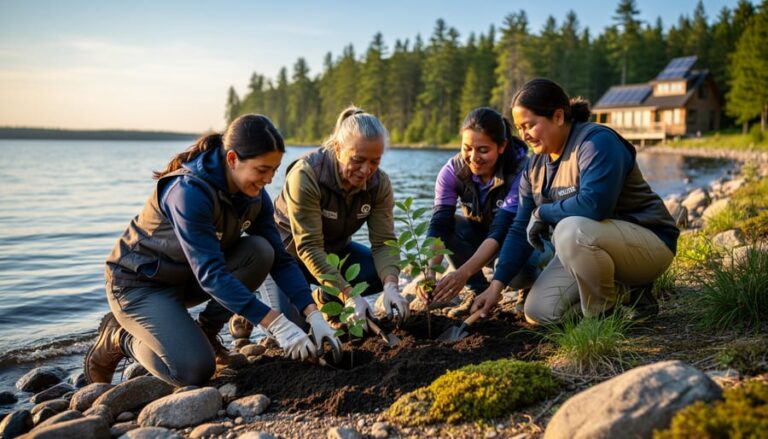
Join organizations like Ontario Parks and local conservation authorities for tree planting initiatives that help restore native forests. These events often run during spring and fall, and you’ll learn about indigenous species while contributing to carbon sequestration efforts. Insider tip: bring your own gloves and water bottle to minimize waste.
Trail maintenance programs welcome volunteers year-round. You might clear invasive species, rebuild erosion-damaged paths, or construct wildlife corridors. Bruce Trail Conservancy regularly hosts work parties where you can connect with fellow nature enthusiasts while protecting Canada’s oldest and longest footpath.
Citizen science projects let you contribute valuable data while exploring. Monitor monarch butterfly migrations, document bird species, or track water quality in local watersheds. Apps like iNaturalist make participation simple, even for beginners.
Many eco-lodges and farm stays incorporate restoration activities into guest experiences. You could help with pollinator gardens, participate in stream cleanups, or assist with wildlife habitat creation. These hands-on opportunities transform your vacation into meaningful environmental action while deepening your connection to Ontario’s incredible landscapes.
Support Local and Indigenous Economies
Your travel dollars become powerful tools for positive change when you direct them thoughtfully. Start by choosing accommodations and tour operators that are locally or Indigenous-owned—these businesses reinvest in their communities rather than sending profits elsewhere. Visit Indigenous cultural centers and craft markets where you can purchase authentic art and goods directly from makers, learning their stories firsthand.
Seek out restaurants featuring Indigenous cuisine or farm-to-table menus using ingredients from nearby producers. When booking experiences, ask whether guides are local residents who can share genuine insights about the land and culture. supporting local economies means your vacation spending stays within the community, funding education, conservation projects, and cultural preservation.
Insider tip: Many Indigenous tourism operators offer workshops in traditional practices like basket weaving, medicine walks, or storytelling sessions. These immersive experiences provide meaningful cultural exchange while directly compensating knowledge keepers for sharing their heritage. Remember, regenerative tourism isn’t just about where you go—it’s about who benefits from your journey.
Learn and Share the Story
Your journey doesn’t end when you return home. Take time during your travels to truly understand the places you visit—chat with Indigenous guides about traditional land stewardship, ask local farmers about their sustainable practices, and learn the stories behind the landscapes you explore. Snap photos not just for social media, but to remember the lessons you’ve learned. When friends ask about your trip, share more than just pretty pictures. Tell them about the community garden you volunteered at or the conservation project you supported. Become an advocate for the places that touched your heart. Even simple actions matter—recommending regenerative tour operators, sharing eco-friendly travel tips, or explaining why you chose to spend a bit more to support businesses that give back to the land. Your enthusiasm can inspire others to travel more thoughtfully, creating a ripple effect that extends far beyond your own footsteps.
Small Choices, Big Impact: Insider Tips for Regenerative Camping and Outdoor Adventures
Last summer, I watched a fellow camper at Frontenac Provincial Park carefully collect every tiny piece of microplastic from their campsite before leaving. That five-minute effort reminded me how our smallest decisions ripple outward, especially in Ontario’s delicate ecosystems.
When you’re planning your next camping trip, think beyond the usual “leave no trace” basics. Sure, pack out your garbage, but here’s something most people miss: bring a small mesh bag to collect microtrash you find along trails. Those little bits of wrapper, twist ties, and bottle caps accumulate in wildlife habitats. I’ve made it a personal challenge to fill at least one pocket per hike, and it’s shocking what you discover tucked under leaves.
Choose your gear thoughtfully. Biodegradable soap sounds eco-friendly, but even those suds can disrupt Ontario’s waterways. I learned this the hard way after a park warden gently educated me at Algonquin. Now I wash dishes at least 70 meters from any water source using just hot water and elbow grease, saving soap for back home.
Here’s an insider tip few people know: time your visits for shoulder seasons. September camping in Ontario parks means fewer crowds, lower impact on trails, and you’re supporting local economies during slower periods. Plus, the fall colours are absolutely worth the cooler nights.
When building campfires (where permitted), use only downed wood you can break with your hands. Standing dead trees, even if they look ready to fall, provide crucial habitat for woodpeckers and cavity-nesting birds. I once spotted a family of flying squirrels emerging from what I’d assumed was “dead” wood.
Support regenerative practices by choosing eco-friendly outdoor adventures with local outfitters who actively restore habitats. Many Ontario guide services now incorporate trail maintenance, invasive species removal, or citizen science into their trips.
Finally, engage with Indigenous-led experiences whenever possible. These programs often include traditional ecological knowledge that’s been regenerating landscapes for thousands of years. The stories you’ll hear transform how you see every plant and animal you encounter.

Here’s the beautiful truth about regenerative tourism: you don’t need to be perfect to make a difference. Every thoughtful choice you make while exploring Ontario contributes to something bigger than a vacation—it becomes part of the province’s healing story.
Think about it this way. When you book that family-run lakeside lodge, chat with the owner about their conservation efforts, or spend an afternoon learning traditional medicine walks from an Indigenous guide, you’re not just collecting memories. You’re actively participating in preserving what makes Ontario extraordinary. You’re ensuring that the loon’s call will echo across pristine lakes for generations, that old-growth forests will continue standing tall, and that cultural traditions will flourish rather than fade.
The best part? Regenerative travel doesn’t require sacrifice—it actually enriches your experience. Those farm-to-table meals taste better when you meet the farmers. That hiking trail feels more meaningful when you understand the restoration work happening around you. Those community connections create stories you’ll share for years.
Ontario’s natural and cultural treasures are resilient, but they need us. Not as passive observers, but as active participants in their renewal. Your next trip is an opportunity to leave places better than you found them. So go ahead—book that eco-lodge, join that beach cleanup, support that Indigenous-led tour. Choose regeneration. Your adventure can be part of Ontario’s transformation, one mindful journey at a time.






+ There are no comments
Add yours