
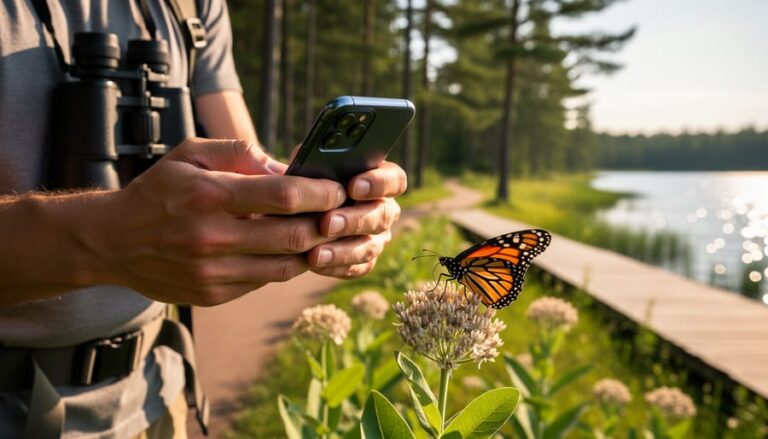
You’ve spotted a Monarch butterfly during your morning hike and want to log it for conservation research, but should you call yourself a citizen scientist or community scientist? The terminology matters more than you might think, and understanding the difference will help you find the right programs to join at Ontario Parks.
The debate between these two terms isn’t just academic wordplay. Citizen science traditionally refers to public participation in scientific research, where everyday people collect data for professional scientists. Community science emerged as a more inclusive alternative, recognizing that “citizen” can exclude non-citizens, newcomers, and marginalized groups who have valuable knowledge to contribute. Both terms describe the same essential activity: you, exploring nature and gathering observations that help protect Ontario’s incredible biodiversity.
Ontario Parks embraces both terms and the spirit behind them, offering dozens of opportunities for everyone to contribute meaningful scientific data. Whether you’re tracking bird migrations, identifying invasive species, photographing wildflowers, or recording animal sightings, your observations directly support conservation decisions across the province’s 340 parks and protected areas.
The choice of terminology reflects a broader shift toward recognizing diverse voices in environmental stewardship. Indigenous communities, for instance, have practiced sophisticated ecological monitoring for thousands of years, long before Western science formalized these methods. Understanding this context enriches your participation and connects you to a larger movement making conservation more accessible, equitable, and effective.
What’s in a Name? Understanding the Terminology Shift
The Traditional View: Citizen Science Explained
Citizen science has been bringing curious minds together with researchers for decades, creating a beautiful partnership between professional scientists and everyday nature lovers like you and me. The term emerged in the mid-1990s, describing projects where members of the public contribute to scientific research by collecting data, making observations, or helping analyze information.
Think of it this way: scientists need eyes and ears across vast landscapes, and that’s where we come in. Whether you’re counting monarch butterflies during your afternoon hike, recording bird songs at dawn, or noting when the first trilliums bloom each spring, you’re participating in legitimate scientific research that helps researchers understand patterns they couldn’t possibly track alone.
Traditionally, citizen science projects have been led by academic institutions or government agencies, with participants following established protocols and methods. The focus has been on gathering quality data that advances scientific knowledge. In Ontario’s parks, this might mean joining a bioblitz event, monitoring water quality in your favorite lake, or documenting wildlife sightings during your camping trips.
The beauty of this approach is its accessibility – you don’t need a science degree to make meaningful contributions. All you need is curiosity, attention to detail, and a willingness to learn.
The Inclusive Alternative: Community Science Takes Root
Here’s the thing about the term “citizen science” – while it perfectly captures the spirit of everyday people contributing to research, it unintentionally leaves some folks feeling like they’re standing on the outside looking in. What if you’re not a citizen of the country where the research is happening? What about permanent residents, visitors, or newcomers who haven’t yet obtained citizenship? The name itself can create an invisible barrier.
That’s where “community science” comes in, and honestly, it’s a game-changer. This newer term emerged from conversations with diverse groups of participants who wanted language that truly welcomed everyone. Community science emphasizes that anyone who cares about nature and wants to contribute can be part of the action – no passport or citizenship papers required.
Think about it this way: when you’re exploring Ontario’s incredible natural spaces, you’re already part of the community. Whether you’re a long-time resident, recent immigrant, international student, or tourist visiting for the summer, your observations about wildlife, plants, and ecosystems are valuable. Community science recognizes this simple truth.
The shift isn’t just about political correctness – it’s about expanding our conservation efforts by including more perspectives and experiences. Indigenous knowledge holders, newcomers with expertise from their home countries, and visitors who notice changes we might miss all bring unique insights to environmental monitoring. By dropping the citizenship requirement from our vocabulary, we’re opening doors to richer, more diverse scientific contributions that benefit everyone who loves exploring the outdoors.

How Ontario Parks Is Bringing Science to Everyone
Hands-On Projects You Can Join Right Now
Ready to roll up your sleeves and contribute to conservation? Ontario Parks offers several engaging projects where your observations make a tangible difference. Here’s your gateway to hands-on science right in your backyard.
The Calling Frog Survey runs each spring from April through June, inviting participants to identify frog and toad calls during evening monitoring sessions. You’ll learn to distinguish the spring peeper’s whistle from the wood frog’s duck-like quack while helping track amphibian populations. No special equipment needed—just your ears, a flashlight, and a willingness to venture out after sunset. Training resources are available online, making this perfect for beginners.
Water quality monitoring programs operate at several parks including Frontenac and Algonquin. Volunteers collect simple measurements like temperature, clarity, and pH levels using provided kits. These regular snapshots help scientists detect long-term changes in aquatic ecosystems. Most projects require just two hours monthly during the ice-free season.
The Invasive Species Tracker program focuses on spotting problematic plants like garlic mustard or phragmites. You’ll photograph suspicious species using a smartphone app that records GPS coordinates automatically. Park staff review submissions and coordinate removal efforts based on your findings. It’s like a treasure hunt, except you’re finding things we actually want to remove!
For committed nature enthusiasts, the Breeding Bird Survey happens during June’s peak nesting season. Participants conduct early-morning point counts along designated routes, recording every species seen or heard. Previous birding experience helps but isn’t mandatory—training sessions prepare you thoroughly.
Check individual park websites for current volunteer opportunities and registration details. Many projects welcome families, making this an educational adventure everyone can share.
From Casual Hikers to Research Partners
Ontario Parks programs welcome everyone, regardless of experience level. Take Sarah from Toronto, who visited Frontenac Provincial Park last spring with zero birding knowledge. “I downloaded the iNaturalist app on a whim,” she recalls. “Within an hour, I’d identified five species and felt like a detective solving nature’s mysteries.” Her observations now contribute to tracking migration patterns across the province.
Then there’s Miguel, a retired teacher from Ottawa, who’s logged over 2,000 plant observations in three years. “I started photographing wildflowers during my morning walks,” he shares. “Now researchers actually use my data for their studies. It’s incredible to think my hobby matters to science.”
What makes these programs special is their no-pressure approach. You don’t need expensive equipment or fancy degrees. Jessica, a park interpreter at Algonquin, explains: “We’ve had eight-year-olds spot rare mushrooms and grandparents discover new insect species. Everyone brings fresh eyes to the landscape.”
The everyday nature lovers participating in these initiatives prove that meaningful conservation happens when barriers disappear. Whether you’re snapping photos on your phone during a picnic or conducting systematic surveys, your observations add valuable pieces to Ontario’s ecological puzzle.
Insider tip: Start small. Choose one species that interests you, learn its basics, and become the resident expert on your favorite trail.

Why This Debate Matters for Your Park Experience
Breaking Down Barriers to Participation
The words we choose matter more than you might think when inviting people to explore nature alongside us. When someone hears “citizen science,” they might picture lab coats and complicated equipment, which can feel intimidating if you’ve never participated before. That single word “citizen” also creates an unintentional barrier for international visitors enjoying Ontario’s parks, newcomers to Canada, and anyone who doesn’t hold citizenship status. Imagine planning your dream trip to Algonquin, eager to spot loons and contribute to conservation efforts, only to encounter program descriptions that make you question whether you’re welcome to participate.
Community science opens the door wider. It says, “If you’re here, you belong here.” This inclusive language resonates especially well with families introducing kids to nature observation, seniors discovering new hobbies in retirement, and visitors from around the globe who bring valuable perspectives to conservation work.
Here’s an insider tip: Don’t let terminology stop you from joining in. Whether a program calls itself citizen science or community science, park staff genuinely want your observations and enthusiasm. Your fresh eyes might spot something experienced researchers have overlooked. That butterfly you photograph during your afternoon hike or the frog call you record near your campsite contributes real value to understanding Ontario’s ecosystems.
The goal isn’t perfection in participation. It’s simply showing up, staying curious, and sharing what you discover with others who care about protecting these incredible natural spaces for everyone.
Building a Culture of Belonging in Nature
Language matters more than we might think when it comes to welcoming everyone into nature. When Ontario Parks shifted toward using “community science,” it wasn’t just about changing a word on a webpage—it was about opening doors wider for people who might have felt like outdoor research wasn’t “for them.”
Think about it: the term “citizen” can unintentionally exclude newcomers, permanent residents, and visitors who contribute valuable observations but don’t hold citizenship status. Meanwhile, “community” invites everyone into the fold, regardless of their background or documentation. It’s a subtle shift that sends a powerful message: your participation matters, and you belong here.
I’ve witnessed this transformation firsthand during butterfly monitoring sessions at Frontenac Provincial Park. When we frame these activities as community science rather than citizen science, participants relax. Families who’ve recently moved to Ontario from other countries enthusiastically share observations without worrying whether they “qualify.” Indigenous knowledge-keepers feel their traditional ecological insights are genuinely valued. Even kids get excited because community feels like something they’re already part of.
This inclusive approach does more than feel good—it strengthens conservation outcomes. Diverse participants bring unique perspectives, notice different patterns, and help monitor various ecosystems throughout Ontario’s vast park system. By building community connections through thoughtful language, we’re creating richer datasets and fostering genuine stewardship that transcends borders and backgrounds. Everyone becomes a valued contributor to protecting the natural spaces we all cherish.
Getting Started: Your First Community Science Adventure
What to Bring and How to Prepare
Getting involved in citizen or community science projects doesn’t require fancy equipment or an advanced degree. Most projects welcome beginners, and you probably already have much of what you need at home.
For bird counts and wildlife observations, start with a basic smartphone loaded with free identification apps like Merlin Bird ID or iNaturalist. These tools help you identify species and upload your findings instantly. Bring binoculars if you have them, but borrowed or entry-level pairs work perfectly fine. A reusable water bottle and some snacks keep you energized during longer observation sessions.
If you’re joining water quality monitoring projects, organizers typically provide specialized testing equipment. You’ll just need weather-appropriate clothing, sturdy walking shoes, and a notebook or smartphone for recording data. Consider wearing quick-drying fabrics made from recycled materials rather than cotton, which stays wet and chilly.
Here’s an insider tip: invest in a good field guide specific to Ontario’s ecosystems. While apps are convenient, a waterproof paper guide won’t run out of battery during those magical moments when you spot something unexpected.
Before heading out, familiarize yourself with the project’s protocols through their website or orientation sessions. Understanding what data collectors are looking for makes your contributions more valuable. Pack out everything you pack in, use reef-safe sunscreen, and stick to designated trails to minimize your environmental impact.
Most importantly, bring curiosity and patience. Some days you’ll encounter abundant wildlife, other days you’ll simply enjoy being outdoors while contributing to conservation knowledge.

Insider Tips from Park Naturalists
I’ve spent years working with participants in Ontario Parks programs, and I’ve learned that the most successful contributors share a few key habits. First, start small and stay consistent. Don’t feel pressured to tackle complex biodiversity surveys on your first outing. Begin with something manageable like counting monarch butterflies during your weekend hike or recording bird songs on your morning walk. Sarah, a retired teacher from Thunder Bay, started by submitting one simple observation monthly and now leads local nature walks, teaching others what she’s discovered along the way.
Matching your project to your lifestyle makes all the difference. If you’re an early riser, dawn bird counts might be perfect. Prefer evening strolls? Bat monitoring or night sky observations could be your sweet spot. Many programs accommodate different physical abilities too, from wheelchair-accessible trail monitoring to sitting-based plant identification projects.
Here’s an insider secret: the community is your greatest resource. When you find volunteer opportunities, you’ll discover experienced participants who genuinely love helping newcomers. Join online forums or local meetups where people share identification tips, equipment recommendations, and their favorite observation spots.
Don’t worry about making mistakes either. Every naturalist started as a beginner, and most programs have verification processes. Focus on quality over quantity by taking clear photos, noting precise locations, and recording weather conditions. These details make your contributions invaluable to researchers.
Finally, embrace the learning journey. Keep a personal nature journal alongside your official submissions. You’ll notice patterns in wildlife behavior, seasonal changes, and your own growing expertise. That personal connection transforms casual participation into meaningful conservation work that benefits everyone.
The Future of Public Science in Ontario’s Natural Spaces
The landscape of public participation in science is evolving rapidly across Ontario’s provincial parks, and the future looks incredibly exciting. Technology is transforming how visitors connect with conservation efforts, making involvement more accessible and immediate than ever before.
Smartphone apps are leading this revolution. Instead of carrying field guides and paper forms, participants now use intuitive applications that instantly identify species through photo recognition, log observations with GPS precision, and share findings with researchers in real-time. Parks Ontario is expanding these digital tools, making it easier for first-time participants to contribute meaningful data without extensive training. Imagine snapping a photo of a butterfly during your hike and knowing within seconds that you’ve documented an important sighting for habitat monitoring.
Virtual participation options are opening doors for those who can’t visit parks regularly. Remote volunteers analyze trail camera footage from home, helping track wildlife populations across the province. This hybrid model means your contribution doesn’t end when you leave the park – you can stay engaged year-round.
The environmental guardian program exemplifies this forward-thinking approach, blending traditional field work with modern technology and emphasizing inclusive participation.
Looking ahead to upcoming seasons, expect more family-friendly programming with junior naturalist components, expanded Indigenous knowledge-sharing initiatives, and citizen-led projects addressing climate change impacts. Ontario Parks is also developing specialized programs for accessibility, ensuring everyone can participate regardless of physical ability.
The emphasis remains on making science feel less like homework and more like adventure. Whether you’re tech-savvy or prefer traditional methods, there’s a place for you in Ontario’s evolving conservation story.
Remember that family at the trailhead, buzzing with excitement about the frog they’d just identified? That’s the heart of it all. Whether we call it citizen science, community science, or simply getting outside and paying attention, what truly matters is the connection being made—to the wetland, to the chorus of spring peepers, to something bigger than ourselves.
The terminology debate has value, especially when it comes to making everyone feel welcome in conservation work. But here’s the beautiful truth: Ontario’s parks don’t need you to be a scientist or have all the right words. They just need you to show up. To notice. To care.
Every observation you record, whether it’s a butterfly species for a biodiversity survey or ice conditions on your favourite winter trail, becomes part of a living story about our natural heritage. You’re not just collecting data—you’re building a relationship with the land and contributing knowledge that helps protect these spaces for future trail-walkers, frog-spotters, and wonder-seekers.
So grab your phone, download an app, and head to your nearest park. Join a BioBlitz. Report what you see. The rewards are immediate and personal: sharper observation skills, deeper connection to place, and the quiet satisfaction of knowing you’ve contributed to something that matters. Ontario’s natural world is waiting for you—scientist, community member, curious soul, or all of the above.








+ There are no comments
Add yours