
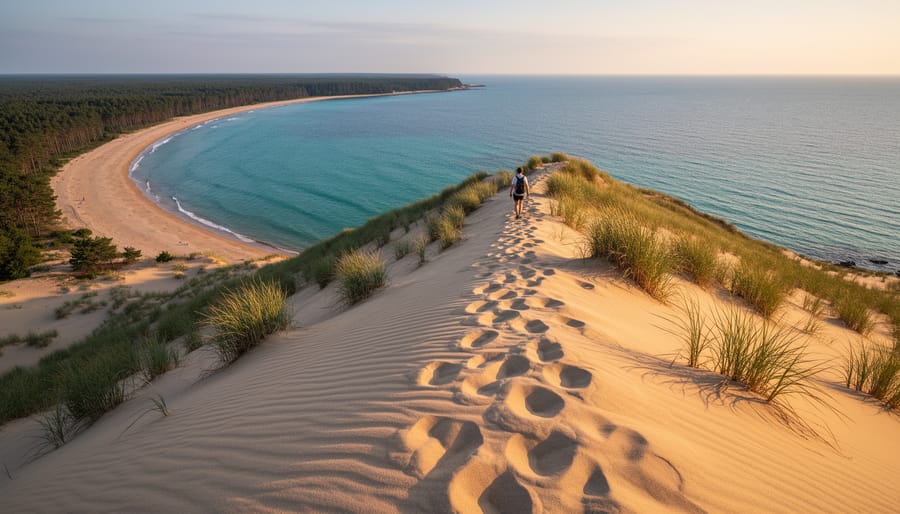
Spread a map of the Great Lakes before you and trace your finger along 10,000 miles of shoreline where massive freshwater seas meet towering sand dunes that rival ocean coasts. These five interconnected giants—Superior, Michigan, Huron, Erie, and Ontario—hold one-fifth of the world’s fresh surface water and create some of North America’s most spectacular beach and dune landscapes, many surprisingly accessible from Ontario.
Picture yourself standing atop a 100-foot sand mountain overlooking crystal-clear turquoise waters, or camping beside secluded beaches where the only footprints are your own. Each Great Lake delivers a distinct personality shaped by geography, wind patterns, and geological history. Lake Superior’s rugged wilderness beaches contrast sharply with Lake Erie’s warm, gentle shores, while Lake Huron hides pristine dune systems along its eastern coastline.
Understanding which lake matches your adventure style transforms a casual beach day into an unforgettable outdoor experience. Whether you’re seeking family-friendly swimming spots, backcountry camping along remote dune trails, or dramatic sunset vistas from windswept sand peaks, the right Great Lake awaits.
This guide maps out all five Great Lakes with a special focus on their dune and beach treasures. You’ll discover hidden gems accessible from Ontario, learn insider camping tips that locals guard closely, and gain the practical knowledge needed to plan your perfect lakeside escape. From the moment you arrive at these freshwater wonders, you’ll understand why they’ve captivated explorers, artists, and beach lovers for generations.
Why the Great Lakes Create Perfect Conditions for Sand Dunes
The Great Lakes are basically nature’s perfect sand dune factory, and it’s pretty fascinating when you understand why. Picture this: thousands of years ago, massive glaciers carved out these enormous basins during the last ice age. As they retreated, they left behind mountains of sand, gravel, and sediment along the shorelines. That glacial formation process gave us the raw materials we needed to build spectacular dunes.
But here’s where it gets really interesting. The Great Lakes act like miniature oceans with their own wave action and weather systems. Strong prevailing winds sweep across these vast water bodies, picking up moisture and energy. When those winds hit the sandy shorelines, they push and sculpt the sand into towering dunes. The constant movement of waves also grinds down rocks and shells into fine, powdery sand that’s absolutely perfect for dune building.
Here’s an insider tip: the best dunes form on the eastern and southern shores of the lakes because that’s where the prevailing westerly winds deposit the most sand. These ancient geological formations continue to evolve even today.
What makes Great Lakes dunes extra special is the freshwater aspect. Unlike ocean beaches, there’s no salt to deal with, making them more comfortable for barefoot walking and swimming. The lakes also experience seasonal water level changes that expose fresh sand for the wind to work with, constantly refreshing and reshaping the dunes. It’s like having a natural sculpture that’s never quite the same twice.
Lake Superior: Rugged Dunes and Wild Shorelines
Lake Superior earns its reputation as the wildest of the Great Lakes, and nowhere is this more apparent than along its rugged shoreline where towering sand dunes meet dramatic rock formations. The largest and deepest of the Great Lakes, Superior’s remote beaches offer adventurers an unparalleled wilderness experience that feels worlds away from everyday life.
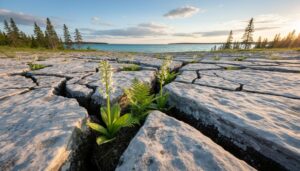
Pukaskwa National Park stands as the crown jewel of Superior’s wild coast. This remote park protects over 60 kilometers of pristine shoreline where sandy crescents nestle between ancient granite cliffs. The park’s backcountry beaches are accessible only by foot or kayak, rewarding intrepid travelers with solitude and stunning natural beauty. The Coastal Hiking Trail takes you through windswept dunes and along cobblestone beaches where the same forces that ancient ice shaped the Great Lakes continue to sculpt the landscape today.
For a more accessible dune experience, head to Neys Provincial Park, where golden sand beaches stretch beneath towering headlands. The park offers excellent camping facilities while maintaining that authentic Superior wilderness feel. Early morning beach walks here often reward visitors with sightings of woodland caribou tracks and resident bald eagles.
Insider tip: Lake Superior’s water temperature rarely exceeds 10°C, even in summer, so bring appropriate gear for hiking rather than swimming. The best time to visit is late summer when the notorious Lake Superior fog clears and the dramatic coastal scenery truly shines.
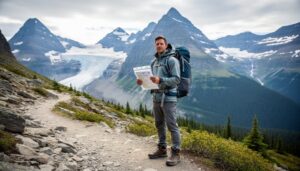
Practice eco-friendly exploration by staying on designated trails to protect fragile dune vegetation, and always carry out what you carry in. Superior’s remote location means these ecosystems recover slowly from disturbance. Consider paddling the shoreline by kayak for minimal environmental impact and maximum adventure – just be sure to check marine forecasts, as Superior’s weather can turn fierce without warning.
Pack layers, embrace the wilderness, and prepare for an unforgettable encounter with Canada’s most magnificent coastline.
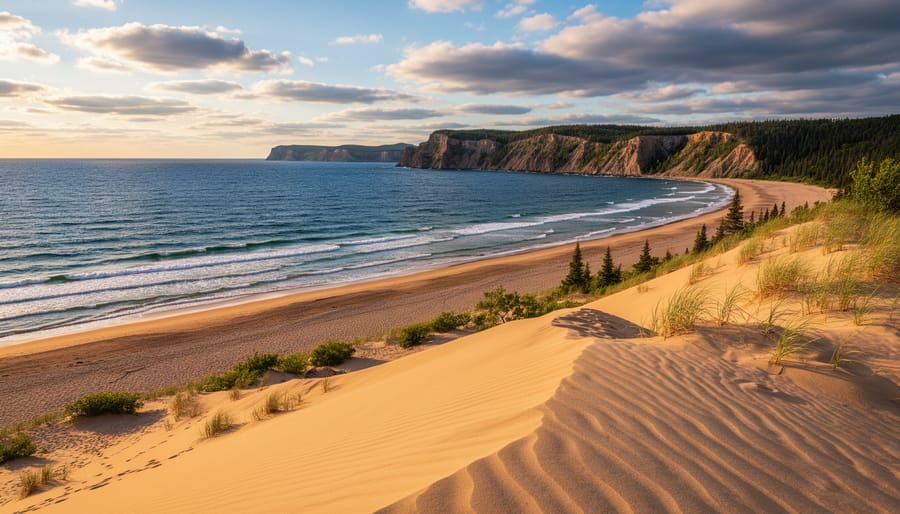
Lake Michigan: The Dune Champion (Just Beyond the Border)
Here’s a secret I’ll share with you: while Lake Michigan isn’t technically in Ontario, it’s the lake that tempts more Ontario travelers to cross the border than any other. Why? Two words: sand dunes.
Lake Michigan boasts some of North America’s most spectacular dune formations, with Sleeping Bear Dunes National Lakeshore in Michigan stealing the show. These towering golden hills rise up to 450 feet above the shoreline, creating a landscape so dramatic it belongs on a postcard. The famous Dune Climb draws families who scramble up the steep sandy slopes, while hikers tackle the more challenging Empire Bluff Trail for panoramic lake views.
Many Ontario visitors make the four-to-five-hour drive from the Greater Toronto Area specifically for these dunes, combining their trip with cherry picking in Traverse City or wine tasting along the Leelanau Peninsula. Indiana Dunes National Park, on Lake Michigan’s southern shore, offers another accessible option with 15 miles of beaches just across from Chicago.
But here’s my insider tip: before you pack your passport, consider that Ontario offers its own incredible dune experiences right at home. Lake Huron’s Pinery Provincial Park features similar coastal dune ecosystems without the border crossing, and you’ll find fewer crowds. Lake Superior’s Pancake Bay and Lake Erie’s Long Point also deliver stunning sandy stretches. Sometimes the best adventures are closer than you think, and you’ll save yourself the hassle of international travel while discovering hidden gems in your own backyard.
Lake Huron: Ontario’s Best-Kept Dune Secret
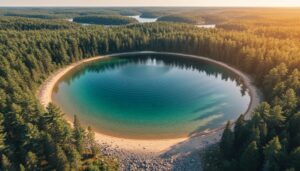
Here’s a secret that even many Ontarians don’t know: Lake Huron boasts some of the most breathtaking sand dunes in all of the Great Lakes, and they’re wonderfully accessible. While Lake Michigan often steals the spotlight, Huron’s eastern shoreline delivers equally stunning sandy landscapes without the crowds.
The jewel in Huron’s crown is Pinery Provincial Park, where massive dunes rise dramatically from the shoreline, some reaching heights of over 15 meters. These ancient sand formations, shaped by Lake Huron’s glacial history and persistent winds, create a landscape that feels almost otherworldly. I’ll never forget my first sunrise hike along the Nipissing Dune Trail—watching the light paint the sand gold while Lake Huron whispered in the background was pure magic.
For camping enthusiasts, Pinery offers over 1,000 campsites, but here’s an insider tip: book sites in the Dunes campground area for the most authentic dune experience. The Burley and Riverside campgrounds put you closer to the water. Reserve early—these spots fill up fast between July and August. My eco-friendly suggestion? Visit during shoulder season in early June or September when the parks are quieter, and you’ll reduce your environmental footprint while enjoying cooler, more comfortable temperatures.
Just north, Sauble Beach stretches for 11 kilometers of pristine sand, creating Ontario’s second-longest freshwater beach. The dunes here are more subtle than Pinery’s, offering gentle rolling hills perfect for families with young children. The water stays shallow for surprisingly far out, making it ideal for kids learning to swim.
The best time to visit Lake Huron’s dunes? Late May through early October offers warm weather, though September delivers the sweet spot—fewer crowds, warm water temperatures from summer heating, and spectacular sunsets that seem to last forever. Pack layers though; Lake Huron can be breezy even on warm days.
Pro tip for photographers: golden hour at these dunes is spectacular, especially after a storm when the sand patterns are freshly sculpted by wind. Bring your camera, respect the delicate dune ecosystems by staying on marked trails, and prepare to discover why Lake Huron deserves far more recognition than it receives.
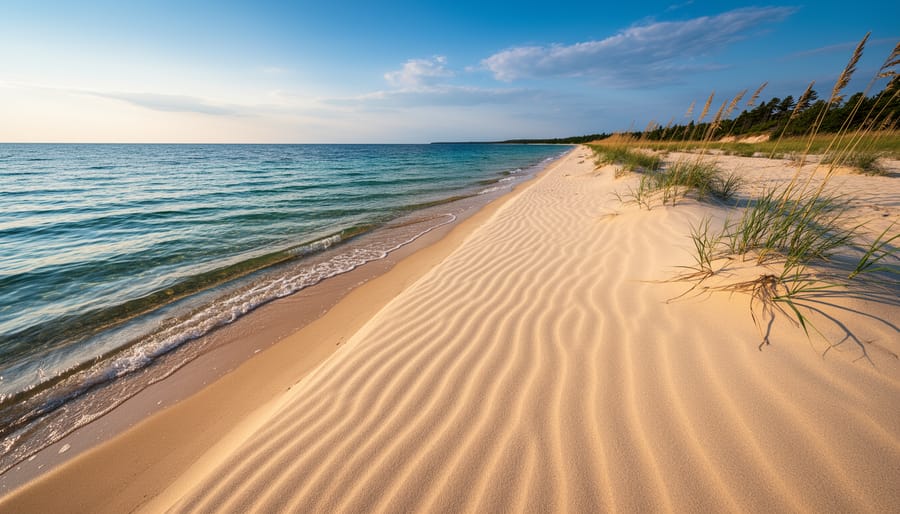
Lake Erie: Gentle Beaches with Surprising Sandy Stretches
Lake Erie might be the shallowest of the Great Lakes, but that’s exactly what makes it such a winner for families and first-time campers. The warmer waters here feel downright tropical compared to its chillier northern siblings, and the beaches? They’re gentle, welcoming, and surprisingly sandy.
Long Point Provincial Park stands out as one of Ontario’s hidden gems. This slender finger of land juts 40 kilometers into Lake Erie, creating a double-sided paradise where you can watch sunrise over one beach and sunset over another. The sandy stretches here are backed by remarkable dune systems that shift and change with the seasons. I’ve met families who return year after year, kids splashing in the shallow waters while parents relax knowing the gradual slopes make swimming safer for little ones.
Just down the coast, Rondeau Provincial Park offers another spectacular dune experience. The park’s Carolinian forest meets pristine beaches, where you can walk barefoot along two kilometers of sandy shoreline. The dunes here might not tower like those on Lake Michigan, but they’re ecologically precious, home to rare species found nowhere else in Canada.
Here’s an insider tip: visit in late spring or early September to avoid peak crowds while still enjoying warm water temperatures. Pack a refillable water bottle and reusable beach bags – these fragile dune ecosystems need our protection.
Speaking of protection, stick to designated pathways when exploring dune areas. Those innocent footprints through dune grasses actually destroy the root systems that hold these sandy hills together. Think of it like this: every step off-trail sets back decades of natural dune building.
For beginner campers, both parks offer excellent facilities without feeling overly developed. Rondeau’s campsites nestle among trees just steps from the beach, perfect for testing out that new tent. The calm waters and family-friendly atmosphere make Lake Erie an ideal introduction to Great Lakes camping adventures.
Lake Ontario: Urban Access Meets Natural Beauty
Lake Ontario might be the smallest of the Great Lakes, but it packs a serious punch when it comes to beach adventures—and here’s the best part: it’s incredibly accessible for anyone living in Southern Ontario’s urban corridor. If you’re based in Toronto, Mississauga, or Hamilton, you can trade city skyscrapers for sandy shores in less than two hours.
The crown jewel? Sandbanks Provincial Park. This place hosts the world’s largest freshwater bayside dune system, and trust me, when locals say these dunes are impressive, they’re not exaggerating. Picture massive golden hills rising 25 meters high, perfect for climbing, rolling down (yes, really!), or simply admiring. The park features three spectacular beaches, with the Outlet Beach being particularly family-friendly with its shallow, warm waters.
For Scout groups and outdoor enthusiasts, Sandbanks offers fantastic camping facilities that book up fast during summer weekends. Pro tip: reserve your campsite months in advance, especially if you’re planning a July or August visit. The park’s well-maintained trails provide excellent opportunities for nature badge work, bird watching, and photography.
Beyond Sandbanks, Lake Ontario surprises visitors with diverse beach options. Presqu’ile Provincial Park near Brighton combines sandy beaches with limestone formations and lighthouse heritage. Toronto’s own beaches—Woodbine, Kew, and Balmy—offer convenient urban escapes where you can dip your toes in the lake during lunch breaks.
Insider advice: visit Sandbanks during shoulder seasons (late May or early September) for smaller crowds and equally beautiful weather. The dunes remain stunning, and you’ll actually hear the waves instead of competing radios.
Eco-conscious campers will appreciate Lake Ontario’s commitment to sustainability. Many parks now offer recycling stations, water refill points to reduce plastic bottle waste, and educational programs about protecting these precious freshwater ecosystems. Pack reusable containers, practice Leave No Trace principles, and help preserve these natural wonders for future adventurers.
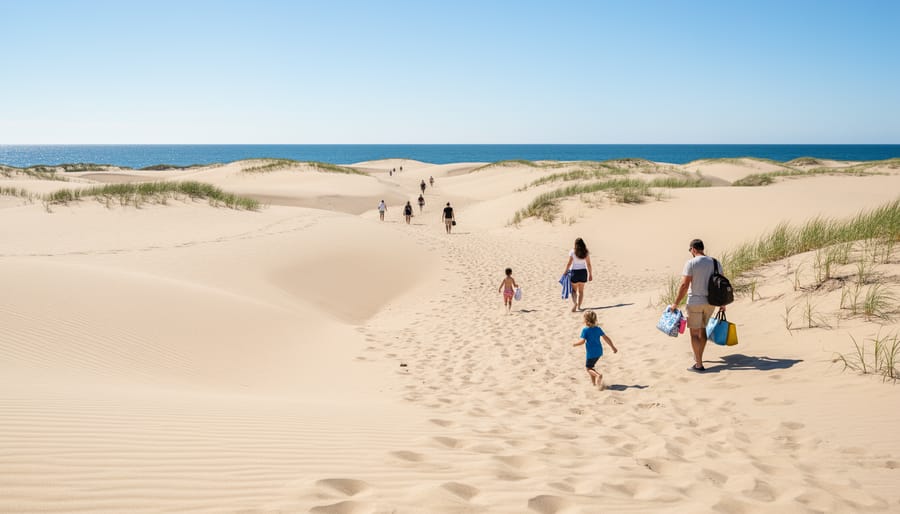
Planning Your Great Lakes Dune Adventure
Ready to explore the stunning dunes scattered across the Great Lakes? A little preparation goes a long way toward making your adventure unforgettable.
Start by timing your visit right. Late spring through early fall offers the warmest weather and best beach conditions, though each season brings its own magic. Summer weekends draw crowds, so consider visiting during weekdays or in September when you’ll have those golden dunes mostly to yourself. Early mornings reward you with cooler temperatures and incredible photography light dancing across the sand.
Pack smart for dune environments. Bring plenty of water since climbing sandy slopes works up quite a thirst. Sunscreen is essential as sand reflects UV rays intensely. Sturdy footwear matters too, though many adventurers love the feeling of bare feet on cool morning sand. A lightweight backpack, hat, and layers work well since lake breezes can shift temperatures quickly.
Camping near the dunes requires advance planning. Popular spots like Sandbanks Provincial Park and Pinery Provincial Park fill up months ahead for summer weekends. Book early through Ontario Parks’ reservation system, and don’t overlook backcountry camping options for a more secluded experience.
Here’s an insider tip: practice Leave No Trace principles carefully in dune ecosystems. These fragile environments take decades to recover from damage. Stick to established trails, never pick the beach grass anchoring dunes in place, and pack out everything you bring in.
Choosing your lake depends on your adventure style. Want dramatic climbs and sweeping views? Head to Lake Michigan’s towering dunes. Prefer family-friendly beaches with gentler terrain? Lake Huron and Lake Erie deliver perfectly. Lake Superior offers rugged, remote experiences for seasoned explorers, while Lake Ontario provides accessible options close to major cities.
From Lake Superior’s rugged Pukaskwa shores to Lake Ontario’s windswept Sandbanks, each Great Lake offers its own signature coastal experience. You’ve discovered that these freshwater seas aren’t just about the water—they’re home to towering dunes, pristine beaches, and ecosystems found nowhere else on earth. Whether you’re drawn to Lake Michigan’s massive dune formations, Lake Huron’s endless sandy stretches, or Lake Erie’s unique biodiversity, there’s a shoreline calling your name.
Here’s an insider tip: visit during shoulder seasons in May or September for fewer crowds and stunning light for photography. Remember to practice Leave No Trace principles—these fragile dune ecosystems need our protection for future generations to enjoy.
Ontario’s natural landscapes are treasures waiting to be explored, and the Great Lakes’ beaches and dunes rank among the finest. So pack your hiking boots, grab your camera, and set out to experience these coastal wonders firsthand. Your Great Lakes adventure starts now—which shoreline will you explore first?


+ There are no comments
Add yours