
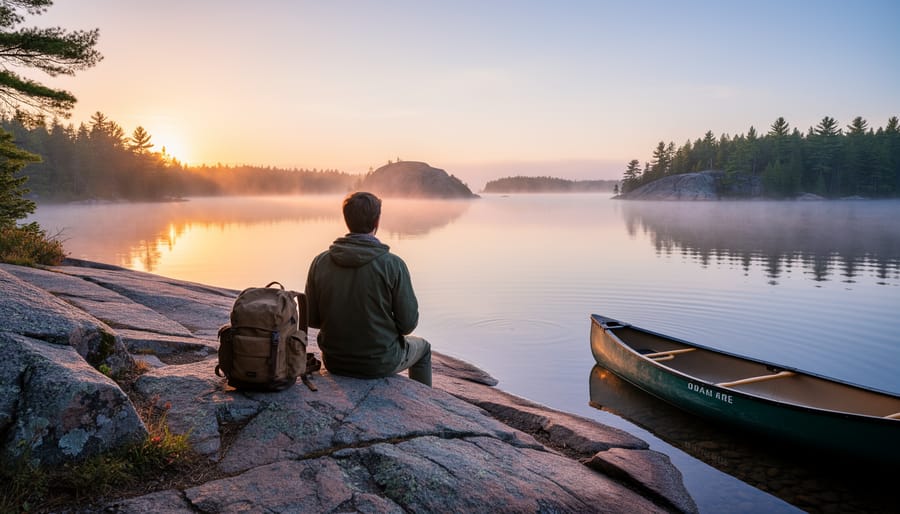
The most profound conversations you’ll ever have happen in complete silence—alone on a trail, watching sunrise paint the sky over a northern lake, or sitting beside a crackling campfire with only your thoughts for company. Solo travel through Ontario’s wilderness isn’t just about escaping the noise of daily life; it’s about finally hearing yourself clearly.
When you strip away the distractions, the opinions, the constant connectivity, something remarkable emerges. The person you’ve been too busy to meet: yourself. Ontario’s vast outdoor spaces—from the rugged cliffs of the Bruce Peninsula to the peaceful canoe routes of Algonquin—become mirrors reflecting back truths you’ve been avoiding, dreams you’ve been postponing, and strengths you didn’t know existed.
This journey isn’t always comfortable. There will be moments of doubt, loneliness, even fear. But these uncomfortable moments are precisely where transformation happens. You’ll discover you’re more capable than you believed, more resilient than you imagined, and more complete on your own than you ever expected.
Ready to begin? Ontario’s wilderness is waiting, and so is the person you’re meant to become.
Why Going Alone Changes Everything
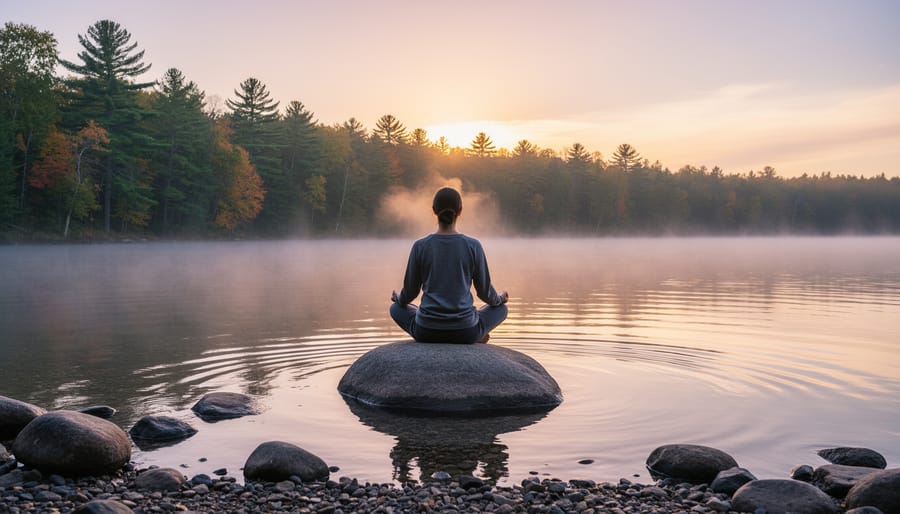
The Silence That Speaks Volumes
I’ll never forget my first solo camping trip to Algonquin’s backcountry. After setting up camp near a secluded lake, I realized something startling—I hadn’t spoken out loud in nearly 24 hours. At first, the silence felt uncomfortable, almost loud in its intensity. But as dusk settled and loons called across the water, something shifted. Without the usual distractions of conversation and city noise, my thoughts became crystal clear, like looking through a newly cleaned window.
That’s when the breakthrough happened. Questions I’d been avoiding about my career and relationships suddenly demanded attention. Nature’s quietness didn’t just allow internal dialogue—it amplified it. Like many who embark on solo wilderness experiences, I discovered that removing external voices helps you finally hear your own.
Here’s an insider tip: bring a journal but resist writing immediately. Let the silence work its magic first. Those quiet hours—watching the campfire, listening to wind through pines—create space for honest self-reflection that our busy lives rarely permit.
Making Every Choice Your Own
Here’s the beautiful thing about solo adventures: you answer to no one but yourself. Want to spend an extra hour watching the sunrise at Killarney’s George Lake? Do it. Feel like turning that planned five-kilometer hike along the Bruce Trail into a leisurely two-kilometer stroll because you’ve discovered an incredible lookout? That’s your call.
I remember pausing mid-trail at Algonquin Park’s Mizzy Lake Trail, completely captivated by a beaver dam. My original plan said “keep moving,” but my gut said “stay and observe.” I spent forty-five minutes there, and it became the highlight of my trip. When you’re solo, these spontaneous moments of connection become possible.
This freedom extends to everything. Take your lunch break whenever hunger strikes. Photograph that interesting mushroom for twenty minutes without feeling rushed. Change your destination entirely if the weather shifts or your energy dips. At places like Sandbanks Provincial Park, I’ve watched solo travelers seamlessly pivot from hiking to beachcombing, following their curiosity rather than a rigid itinerary.
The empowerment comes from trusting your instincts. Your journey unfolds at your rhythm, guided by what genuinely resonates with you in each moment.
Ontario’s Best Spaces for Finding Yourself
Backcountry Camping for Deep Reflection
When you venture into Frontenac Provincial Park or paddle into Algonquin’s remote interior sites, something shifts. The multi-day commitment changes everything. You’re not just visiting wilderness – you’re living in it, and that distinction matters profoundly for self-discovery.
Why do extended solo trips unlock deeper insights? Without the option to retreat to your car or check your phone, you settle into a different rhythm. Day one might feel uncomfortable. By day three, you’re noticing thought patterns you’d never recognized before. You have entire conversations with yourself without distraction, working through questions that daily life keeps buried.
Frontenac’s backcountry offers a gentler introduction with shorter portages and well-marked trails, perfect for building confidence. Algonquin’s interior sites demand more experience but reward you with profound solitude – sometimes you won’t see another soul for days.
First-time solo backcountry campers should start small. Try a two-night trip before committing to a week. Rent gear initially rather than buying everything. Tell someone your exact route and check-in times. Pack a satellite communicator for emergencies, but resist checking it constantly.
Here’s an insider tip: choose midweek departures in September. You’ll find abundant campsite availability, fewer bugs, and that gorgeous autumn light that makes everything feel more contemplative. Bring a journal, but don’t force yourself to write. Sometimes the deepest reflection happens while simply watching your campfire burn down to embers.
Day Hikes That Clear Your Mind
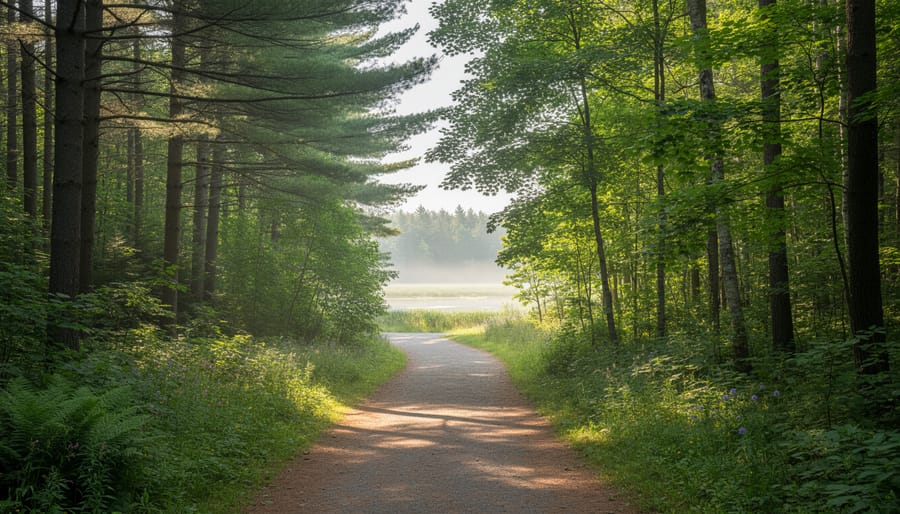
Sometimes the most profound revelations arrive during a simple afternoon walk. Day hikes offer the perfect entry point for solo reflection—no tent required, just you and the trail ahead.
The Bruce Trail, Canada’s oldest marked footpath, stretches over 890 kilometers with countless access points perfect for contemplative walks. I always recommend the Niagara Escarpment sections near Milton or the Beaver Valley for first-timers. You can tackle a three-hour loop and still make it home for dinner, yet feel worlds away from daily stress.
For something more remote, Killarney Provincial Park’s La Cloche Silhouette Trail offers day-hiking segments that showcase stunning white quartzite ridges. The Crack Trail—a 6-kilometer return hike—delivers breathtaking Georgian Bay views that’ll have you pondering life’s bigger questions from those rocky lookouts.
Here’s an insider tip: start early on weekday mornings for maximum solitude. Bring a journal and find a quiet spot to sit for twenty minutes. You’d be amazed what clarity emerges when you simply stop moving.
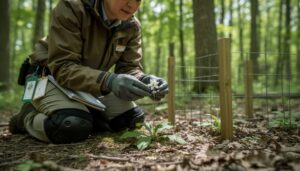
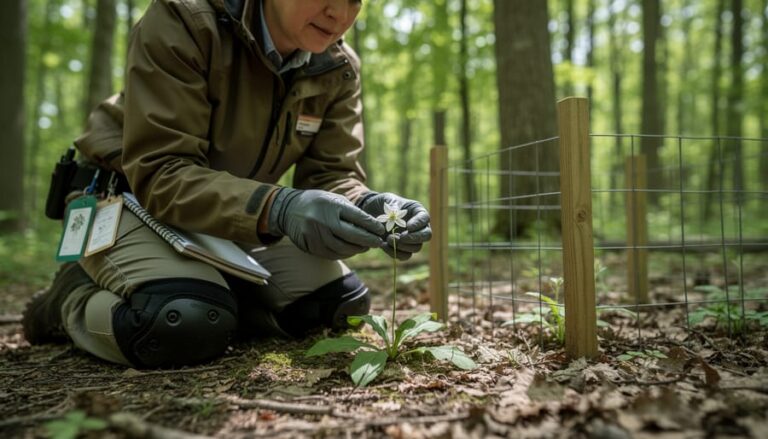
Remember to practice eco-friendly practices—pack out everything you bring in, stick to marked trails, and leave rocks and plants undisturbed. These wild spaces facilitate our inner journeys; protecting them ensures others can experience the same transformation.
Quiet Lakeshores for Morning Meditation
There’s something magical about watching dawn break over still water, especially when you have the shoreline almost entirely to yourself. I’ve found some of Ontario’s lesser-known lakes offer perfect sanctuaries for morning meditation and journaling—no crowds, just you and the gentle lapping of waves.
Sharbot Lake in Eastern Ontario remains blissfully quiet even during summer months. The public access point off Road 509 features a flat, wheelchair-accessible platform ideal for settling in with your journal. Arrive around 6 AM between May and September for the most spectacular colour displays.
Further north, Grundy Lake Provincial Park offers secluded rocky outcrops along its smaller bays. These spots require a short walk from parking areas, but the reward is complete solitude. Pack a lightweight folding seat and thermos—early mornings can be chilly, even in July.
For shoulder season visits, consider Baptiste Lake near Bancroft. October mornings here are crisp and transformative, with mist rising off the water creating an almost dreamlike atmosphere. The boat launch area provides easy access and enough space to maintain comfortable distance from the few early fishers.
Pro tip: Download a sunrise time app and aim to arrive 20 minutes early. Bring eco-friendly insect repellent for June through August, and always pack out what you pack in.
What I Learned About Myself in the Woods
Confronting Fear Without an Audience
On my second day hiking the Bruce Trail’s Tobermory section, dark clouds rolled in faster than I’d anticipated. Rain pelted down, and the rocky path became slippery. There was no one around to ask for advice or share a reassuring glance. I pulled out my map with shaking hands, double-checked my position, and realized I’d taken a wrong turn about twenty minutes back.
Here’s what that moment taught me: panic is just your body asking for a plan. I retraced my steps, found the proper trail marker, and set up my tarp shelter to wait out the worst of the storm. When a curious black bear appeared about fifty metres away, I calmly made noise and backed away slowly, exactly as I’d researched. The bear wandered off, completely uninterested in me.
These weren’t Instagram-worthy moments. There was no audience to impress or reassure me. Just me, the elements, and a growing realization that I could handle more than I’d given myself credit for. That soggy afternoon, shivering under my tarp but safe and capable, I discovered something valuable: confidence isn’t the absence of fear. It’s continuing forward despite it, one careful step at a time.
Rediscovering What Actually Matters
When you’re paddling across a quiet Ontario lake at dawn or hiking through a forest with only birdsong for company, something interesting happens. Your phone loses its grip on your attention. The mental chatter starts to fade. In that beautiful silence, you begin hearing what your inner voice has been trying to tell you all along.
I discovered this during a solo camping trip in Algonquin. Without the usual distractions of emails, social media, and endless to-do lists, I found myself actually thinking about what made me happy versus what I thought should make me happy. That distinction became crystal clear under the stars.
Nature strips everything down to essentials. You realize you don’t need much to feel content—just clean water, good food, shelter, and the stunning beauty around you. This clarity often reveals what truly matters: relationships you’ve neglected, passions you’ve abandoned, or career paths you should reconsider.
The real challenge? Bringing these insights home. Here’s an insider tip: within 48 hours of returning, write down your biggest realizations. Schedule one concrete action step based on what you discovered. Maybe it’s a difficult conversation, a new hobby, or a lifestyle change. Your wilderness epiphany deserves more than becoming just a nice memory—it should spark genuine transformation in your everyday life.
Practical Tips for Your Solo Discovery Journey
Start Small, Dream Big
You don’t need to tackle the wilderness alone on day one. The beauty of solo travel lies in easing into it at your own pace. Start with a simple day trip to a nearby conservation area—pack a lunch, bring a trail map, and spend a few hours exploring. Notice how it feels to make decisions based entirely on your own rhythm.
Once you’re comfortable, graduate to car camping at established Ontario Parks campgrounds. You’ll have your vehicle as a safety net while experiencing the magic of waking up in nature. These budget-friendly park adventures offer amenities like nearby washrooms and fellow campers, creating a supportive environment for building confidence.
When you’re ready, consider backcountry camping with a clear plan and proper gear. Share your itinerary with someone trusted, and choose well-marked trails for your first solo expedition. Each step builds on the last, transforming nervousness into capability. Remember, there’s no rush—your journey unfolds exactly as it should.
Safety Without Sacrificing Solitude
Solo exploration doesn’t mean throwing caution to the wind. I always tell friends planning their first solo trip that smart preparation is what makes true freedom possible.
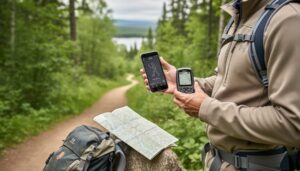
Start with a solid communication plan. Share your itinerary with someone you trust, including trail names, camping locations, and expected return times. I set up check-in times using a satellite messenger when I’m beyond cell range. Ontario parks often have spotty coverage, so investing in a communication device brings peace of mind without constant interruptions.
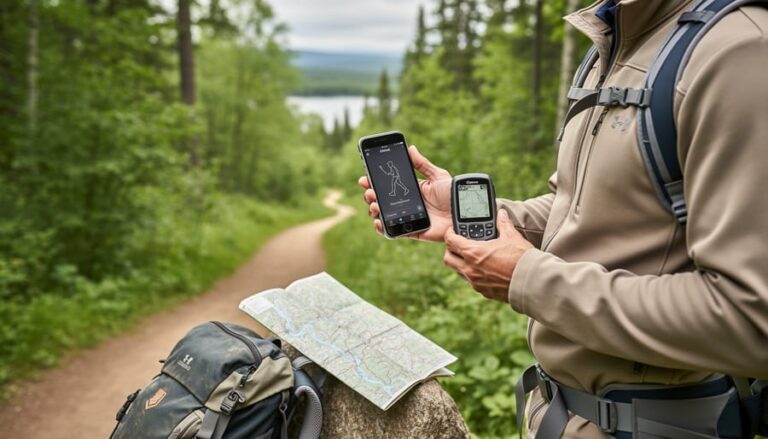
Pack the essential gear and safety items you’d bring on any backcountry trip, plus extras for solo scenarios. I carry a comprehensive first aid kit, water purification tablets, fire-starting tools, and a detailed map with compass. My insider tip? Always pack a whistle and small mirror for signaling.
Trust your instincts. If a trail feels wrong or weather turns threatening, there’s no shame in turning back. I’ve learned that respecting your gut feelings and nature’s warnings is the ultimate solo safety skill. The wilderness will always be there for another visit.
Packing Light, Traveling Mindfully
Packing light transforms your journey from a logistical challenge into a liberating experience. When you’re carrying less, you’re free to focus on what truly matters: the trail ahead, your thoughts, and the natural world around you. I’ve learned that a 30-liter backpack holds everything needed for deep reflection in Ontario’s wilderness.
Choose eco-friendly gear that aligns with low-impact travel principles: a reusable water bottle, biodegradable soap, and a quality journal with recycled paper. Your journal becomes your most valuable companion, so pick one that feels special. Pack a reliable pen, a small watercolor set if you’re artistically inclined, and a lightweight camping chair for comfortable contemplation sessions.
Skip the unnecessary gadgets. Instead, bring a simple camera or use your phone sparingly to capture moments without living through a screen. A compact field guide helps identify birds and plants, deepening your connection to Ontario’s ecosystems while you discover yourself.
When to Go for Maximum Solitude
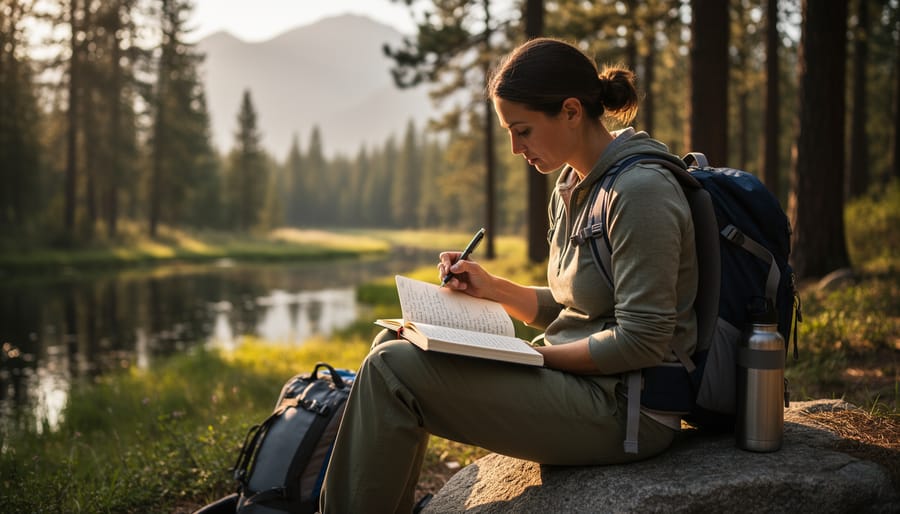
Timing your solitude-seeking adventure makes all the difference. I’ve found that shoulder seasons—late September through October and April through May—offer the perfect combination of pleasant weather and sparse crowds. Most visitors flock to parks during summer weekends, so flip the script: plan your reflective retreats for Tuesday through Thursday when trails feel wonderfully empty.
Early mornings are pure magic for solo contemplation. Arriving at sunrise not only rewards you with fewer people but also incredible wildlife sightings and that special quiet energy when nature’s just waking up. Winter months transform popular destinations into peaceful sanctuaries, though you’ll need proper gear. Here’s an insider tip: avoid long weekends and school holidays entirely. Even typically busy parks like Algonquin become surprisingly intimate on a rainy Wednesday in June. Embrace off-peak moments—they’re when your inner voice speaks loudest.
Bringing Your Discoveries Home
The real challenge isn’t discovering yourself on the trail—it’s keeping that person alive when you’re back in traffic, back at your desk, back in the familiar rhythms that lulled you to sleep in the first place.
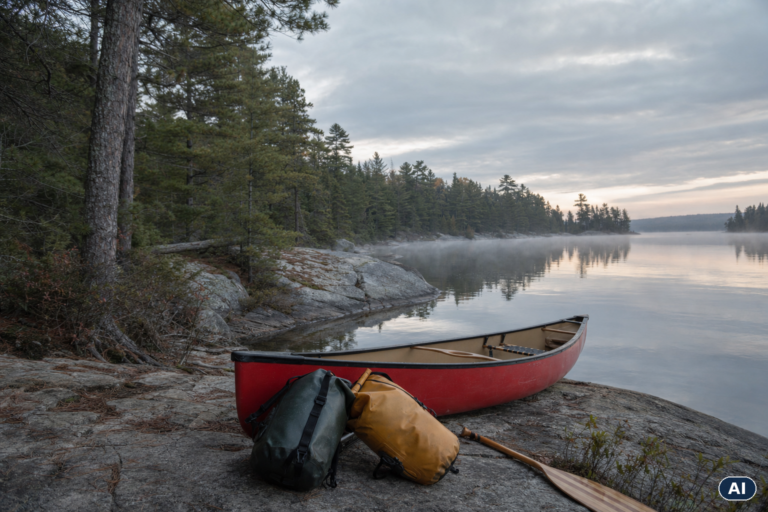
I’ll be honest: my first week home after a solo canoe trip through Algonquin, I felt like I’d left the best version of myself somewhere between Canoe Lake and Burnt Island. But here’s what I’ve learned about making those insights stick.
Start with a re-entry ritual. Before diving back into obligations, spend an evening with your journal and a cup of tea. What surprised you most about yourself out there? What do you want to keep? I wrote mine on sticky notes and plastered them around my apartment: “You don’t need permission to rest” and “Discomfort is temporary; regret isn’t.”
Create micro-adventures in your regular life. That morning walk before work? Treat it like a mini expedition. Leave your phone behind. Notice five new things. The point isn’t to recreate the wilderness—it’s to recreate the mindset of paying attention.
Here’s an insider tip: join a local outdoor community group. Whether it’s a hiking club or a paddling meetup, surrounding yourself with people who value these experiences helps anchor your transformation. They’ll remind you who you became when you forget.
Schedule your next journey before the glow fades. Even if it’s months away, having another solo adventure on the calendar keeps that spark of independence alive. It doesn’t need to be elaborate—a weekend camping trip works wonders.
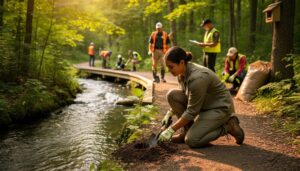
And remember this eco-friendly practice: give back to the places that changed you. Volunteer for trail maintenance days or participate in shoreline cleanups. You’ll stay connected to nature while ensuring others can have their own transformative experiences.
The journey doesn’t end when you come home. It just changes shape.
Self-discovery isn’t a destination you reach and check off your list. It’s an ongoing conversation with yourself that deepens with every solo adventure you take. The beautiful part? You don’t need to book a flight halfway around the world to begin. Ontario’s wilderness is waiting right outside your door, offering countless opportunities to step away from the noise and reconnect with who you really are.
Your first solo journey doesn’t have to be epic. Start with a day hike on a familiar trail or an afternoon paddling a quiet lake. Pay attention to how it feels to make decisions based solely on your own rhythm. Notice the small moments: the way morning light filters through pine trees, the satisfaction of navigating by yourself, the clarity that comes when your only companion is the landscape around you.
Every solo traveler started exactly where you are now, wondering if they could do it. The answer is yes. Pack your curiosity alongside your gear, trust your instincts, and take that first step. Ontario’s trails, lakes, and forests will meet you wherever you are in your journey.



+ There are no comments
Add yours