

Picture yourself completely alone in the world’s largest rainforest, where the nearest human settlement lies hours away by boat and the only sounds are howling monkeys at dawn, the rush of hidden rivers, and your own heartbeat echoing through emerald cathedral walls. A five-day solo journey into the Amazon isn’t just a vacation—it’s a confrontation with yourself stripped of distractions, a test of resilience, and an invitation to remember what humans forgot when we built cities and stared at screens instead of stars.
The Amazon demands everything from you: mental toughness when the humidity suffocates, humility when a tarantula crosses your path, and presence when pink river dolphins surface beside your canoe. You’ll spend days navigating blackwater channels with indigenous guides who’ve walked these trails since childhood, sleep in hammocks while venomous creatures patrol the forest floor beneath you, and discover that solitude doesn’t mean loneliness—it means clarity.
This journey transforms you because isolation amplifies everything. Your fears become tangible in the darkness. Your strengths emerge when you successfully build a shelter or identify medicinal plants. Your perspective shifts when you realize how small you are beneath a rainforest canopy that’s stood for millions of years.
But here’s the truth most travel blogs won’t tell you: you don’t need to fly 5,000 miles to find transformative wilderness solitude. Ontario’s vast boreal forests, untouched backcountry, and remote waterways offer similar opportunities for self-discovery right in your backyard—without the language barriers, expensive flights, or logistical nightmares that come with Amazon expeditions.
Whether you choose the legendary Amazon or Ontario’s hidden wilderness, solo adventure will change you. The question is: are you ready to meet yourself?
Why the Amazon Makes Solo Travel Different
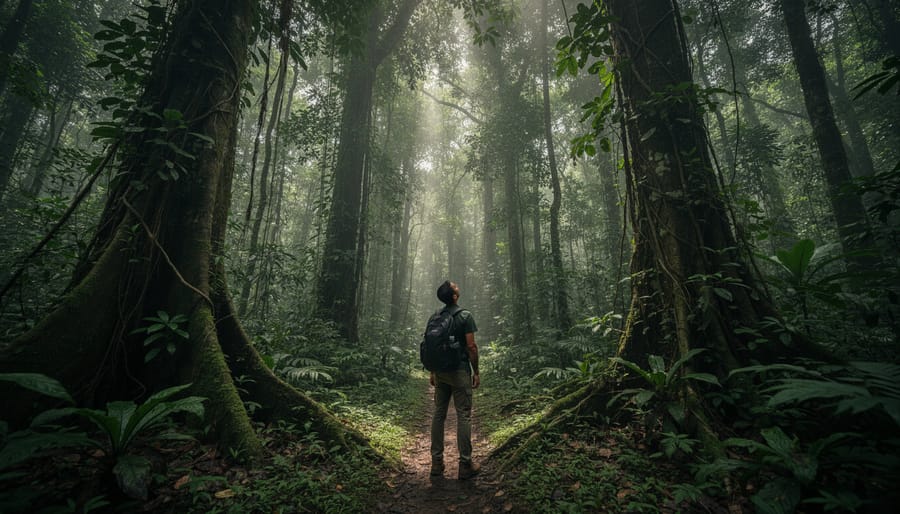
Most solo travel destinations let you ease into the experience. You can check your phone, duck into a café, or blend into the crowd when things feel overwhelming. The Amazon doesn’t offer that luxury. From the moment you step off the boat at your jungle lodge, you’re trading Wi-Fi signals for howler monkey calls and fluorescent lights for bioluminescent fungi.
I’ll never forget my first night alone in the rainforest. The sounds were relentless—a cacophony of insects, frogs, and mysterious rustlings that made my tent feel paper-thin. There’s no scrolling through social media to distract yourself from discomfort here. You’re forced to sit with whatever comes up, whether that’s excitement, fear, or the strange realization that you haven’t thought about work emails in three days.
The sensory overload hits differently when you’re solo. Without a travel companion to turn to and say “Did you see that?”, every electric-blue morpho butterfly, every caiman’s glowing eyes along the riverbank, becomes your personal moment. You’re not performing your adventure for anyone else. There’s no one to impress with your bravery or share the burden of decision-making. It’s raw, unfiltered immersion.
This wildness strips away the personas we wear back home. The Amazon doesn’t care if you’re a manager, a parent, or someone who always has their life together. When you’re alone, watching pink river dolphins surface at dawn or navigating muddy trails with your guide, you rediscover parts of yourself that everyday life buries. You learn what you’re actually capable of when comfort and routine disappear.
The absence of modern distractions becomes a gift. Without the usual noise, you start noticing subtler things—how the forest smells different after rain, the intricate architecture of a leaf-cutter ant highway, or how incredibly quiet your own thoughts can be when given space. This is what makes five days in the Amazon transformative rather than just another vacation. You return not just with photos, but with a recalibrated sense of what matters.
Preparing Your Mind (Not Just Your Backpack)
The Honest Conversation You Need to Have With Yourself
Before you book that flight or pack your bag, let’s get real for a moment. Solo wilderness travel isn’t for everyone, and that’s perfectly okay. The Amazon jungle doesn’t care about your Instagram feed or your bucket list – it just is. So ask yourself: why do you actually want to do this?
Are you running away from something or running toward something? There’s a huge difference. If you’re escaping problems at home, they’ll be waiting when you return. But if you’re seeking clarity, testing your limits, or craving genuine connection with nature, you’re on the right track.
Here’s the uncomfortable truth: you’ll be alone with your thoughts. No Netflix binges, no scrolling through your phone when conversations get awkward (because there won’t be any). Can you handle five days without constant stimulation? Have you ever spent even one full day in complete solitude? If not, maybe start smaller – try a solo overnight camping trip in Algonquin Park first.
Consider your comfort level with uncertainty. Things go wrong in the wilderness. Trails flood, equipment fails, and weather changes instantly. Will you panic or adapt? Are you physically prepared for humid heat, long hikes, and basic accommodations?
Finally, examine your expectations. This journey will challenge you, but it won’t magically solve all your problems or turn you into a different person overnight. It will, however, show you what you’re capable of – if you’re honest about why you’re going in the first place.
Essential Skills That Build Confidence
Before you step into any wilderness—whether it’s the Amazon rainforest or Ontario’s backcountry—confidence comes from preparation. Learning essential wilderness skills transforms nervous anticipation into quiet assurance.
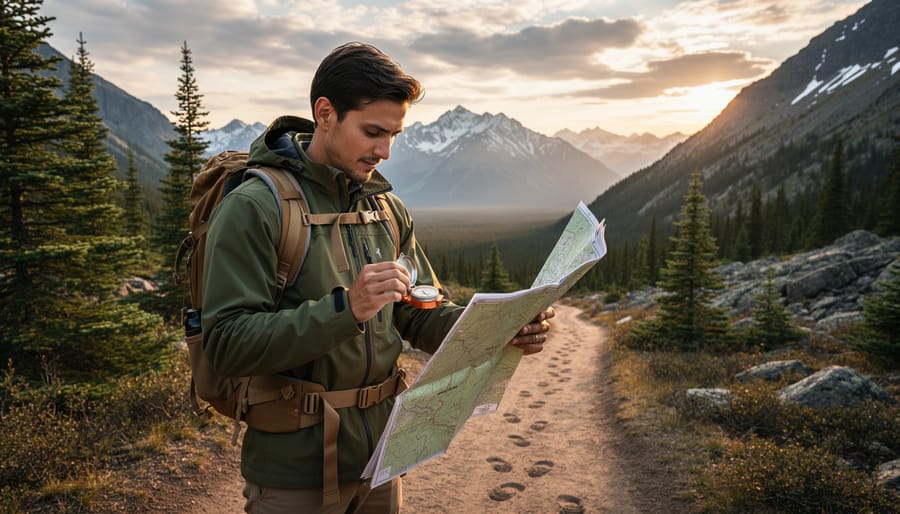
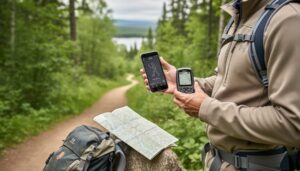
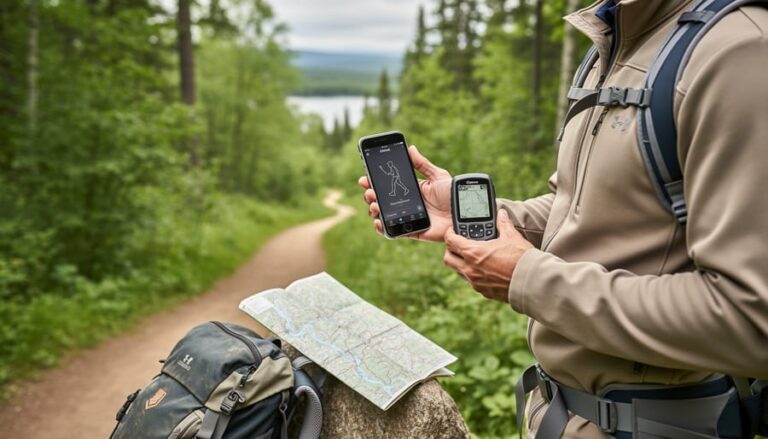
Start with navigation basics. Understanding how to read topographic maps, use a compass, and mark waypoints on a GPS device means you’ll never feel truly lost. I remember my first solo camping trip in Algonquin Park—knowing I could find my way back to the trailhead made all the difference between anxious worry and peaceful exploration.
Fire-starting in damp conditions, water purification techniques, and basic first aid round out your foundational skillset. These aren’t just practical abilities; they’re mental anchors. When you know you can handle common challenges, your mind relaxes into the experience rather than scanning for danger.
Safety protocols matter too. Tell someone your itinerary, carry communication devices, and understand wildlife behavior specific to your destination. In the Amazon, this means learning about insects and river hazards. In Ontario, it’s black bears and changing weather patterns.
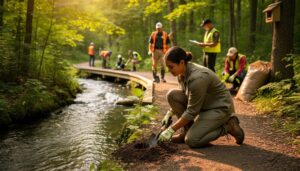
Equally important are eco-friendly practices and Leave No Trace principles. Responsible tourism means minimizing your impact—using biodegradable soap, packing out all waste, and respecting wildlife from safe distances. When you travel with intention and respect, you’re not just visiting nature; you’re honoring it. This mindset shift builds confidence rooted in responsibility rather than conquest.
The Five-Day Journey: What Each Day Reveals
Day 1: The Excitement (And the Fear)
The moment you step off the boat, the Amazon hits you like a wall. The humidity wraps around you, thick as a blanket. Bird calls echo from every direction, insects buzz past your ears, and the smell of wet earth and vegetation floods your senses. It’s exhilarating and overwhelming all at once.
Setting up camp takes longer than expected. Your hands fumble with tent poles as sweat drips down your face. Everything feels alive here, watching, waiting. You spot movement in the canopy above, a flash of blue plumage disappearing into green.
Insider tip: Embrace the sensory overload rather than fighting it. This initial adjustment period is part of the transformation.
Then nightfall arrives. The jungle transforms into something darker, louder, more mysterious. Strange sounds emerge from the darkness. Your headlamp feels like the only light in the universe. That’s when the question hits: “What have I done?”
This moment of doubt is completely normal. You’re experiencing what every solo adventurer faces when comfort zones disappear. Breathe through it. Tomorrow brings clarity, but tonight belongs to the butterflies.
Day 2: When the Noise in Your Head Gets Loud
By day two, something shifts. Without your phone buzzing, without conversations to fill the silence, your mind becomes surprisingly noisy. All those thoughts you’ve been outrunning? They catch up fast.
You might find yourself replaying awkward conversations from three years ago or suddenly worried about things that seemed fine yesterday. One traveler I met described it as “my brain’s greatest hits of anxiety, all at once.” It’s uncomfortable, sure, but here’s the thing: this is where the real work begins.
The jungle doesn’t judge your spiral. That howler monkey overhead doesn’t care about your career worries. There’s something oddly freeing about realizing your mental chatter is just noise, separate from the vibrant, indifferent ecosystem around you.
Insider tip: Bring a journal. Writing helps untangle those racing thoughts. Some lodges offer guided meditation sessions at dawn, which can anchor you when your mind feels too loud. Remember, discomfort isn’t failure. It’s actually the point. You’re learning to sit with yourself, maybe for the first time in years, and that’s genuinely brave.
Day 3: The Turning Point
By the third morning, something shifts. The constant mental chatter that followed you from civilization begins to fade like morning mist over the river. You wake to howler monkey calls and realize you’ve actually slept through the night without checking a phantom phone screen.
This is when the Amazon stops feeling like an intimidating wilderness and starts revealing itself as an intricate living system. You notice details you’d completely missed before: the highway of leaf-cutter ants marching past your hammock, the iridescent flash of morpho butterflies dancing in sunbeams, the way capuchin monkeys communicate through subtle gestures and chirps.
Your guide shares indigenous plant knowledge, and suddenly you’re tasting termites for their lemony flavor and learning which vines hold drinkable water. These aren’t just survival skills, they’re intimate connections to an ecosystem that’s thrived for millennia.
The resistance melts away during an afternoon rain. Instead of seeking shelter immediately, you stand there, letting warm drops cascade over you, laughing at the absurdity of staying dry in a rainforest. For the first time, you’re not fighting the experience—you’re part of it. That evening’s sunset over the canopy feels like a personal gift, and you finally understand why you came.
Day 4: Finding Your Rhythm
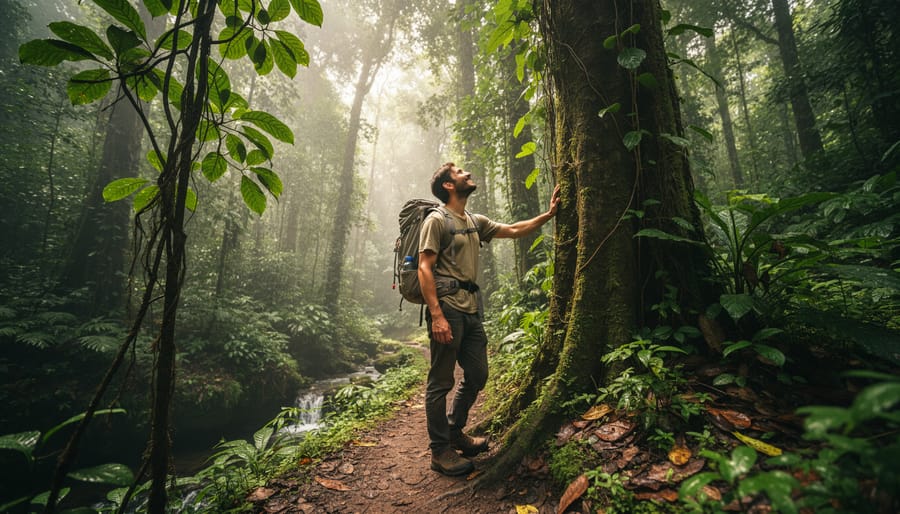
By day four, something magical happens. You wake before your alarm, not from anxiety but anticipation. The jungle sounds that once seemed overwhelming now feel like a familiar soundtrack. You’re making decisions instinctively – which trail to explore, when to rest, how to pace yourself through the humid afternoon hours.
This is when solo travel reveals its greatest gift: you’ve found your rhythm. Without companions to accommodate or itineraries to follow rigidly, you’re operating on pure intuition. Maybe you linger an extra hour watching a family of capybaras, or you spontaneously join your guide for a night fishing expedition. These aren’t planned moments – they’re the rewards of being fully present.
Your journal entries shift too. Instead of describing what you saw, you’re reflecting on what you’ve learned. Clarity arrives about decisions you’ve been postponing back home, relationships that need attention, or career paths worth pursuing. The jungle’s simplicity – wake, explore, eat, sleep – strips away the noise that clouds judgment in daily life. You’re not just observing the Amazon anymore; you’re absorbing lessons about patience, adaptation, and trusting yourself that you’ll carry home long after your boots are packed away.
Day 5: The Person Who Emerges
By day five, you’re not the same person who arrived. The Amazon has a way of stripping away the unnecessary, leaving you with clarity you didn’t know you needed. You notice how your senses have sharpened—the subtle rustling that would’ve escaped you days ago now tells a story. You’ve learned to sit with silence, to trust your instincts, and to find comfort in solitude.
As you pack your belongings, there’s a bittersweet ache. Part of you is ready for familiar comforts, yet another part wants to stay just a little longer. You’ve discovered strengths you forgot you had and confronted fears that seemed insurmountable from your living room back home.
The journey doesn’t end when you leave the rainforest. You’ll carry these lessons forward—the patience learned from watching wildlife, the resilience from navigating challenges alone, the humility from standing beneath ancient trees. Consider journaling about your experience on the flight home, capturing insights while they’re fresh.
If you’re inspired but not quite ready for the Amazon, Ontario offers incredible solo wilderness experiences closer to home, where you can test your adventurous spirit before venturing internationally.
The Lessons That Only Solitude Can Teach
There’s something profoundly transformative about spending five days alone in the Amazon that you simply can’t replicate in everyday life. When you strip away the constant buzz of notifications, conversations, and urban noise, what remains is raw, unfiltered you—and that’s where the real lessons begin.
On my third day deep in the rainforest, I experienced what I now call “the great quieting.” Without anyone to talk to, my internal chatter initially amplified. Every worry, every unresolved decision, every half-formed thought came rushing forward. But then, gradually, those voices settled. The forest’s rhythm—the steady drip of moisture from leaves, the distant call of howler monkeys—replaced my mental noise. For the first time in years, I could actually hear myself think clearly.
Solitude in the Amazon teaches resilience in ways you never expect. When you’re navigating a tributary alone and realize your GPS has lost signal, there’s no one to defer to, no one to blame. You must trust your instincts, reference your surroundings, and move forward with confidence. I learned that self-reliance isn’t about knowing everything—it’s about trusting yourself to figure things out as challenges arise.
The perspective shifts are equally powerful. Watching a leaf-cutter ant carry a piece of vegetation fifty times its body weight, you start questioning your own definition of struggle. Sitting by a campfire under an impossibly star-dense sky, your daily frustrations shrink to their proper size. Problems that seemed monumental back home reveal themselves as temporary inconveniences.
Perhaps the most surprising lesson? Silence reveals truths that constant noise obscures. Without distractions, you confront questions you’ve been avoiding: Are you satisfied with your life’s direction? What truly matters to you? Who do you want to become?
These aren’t comfortable revelations, but they’re necessary ones. Solo travel in wild spaces forces honest self-assessment because there’s nowhere to hide from yourself. You can’t scroll away discomfort or schedule over emptiness.
The beauty is that these lessons translate beyond the jungle. The self-knowledge you gain, the quiet confidence that builds—these become tools you carry home, making you more present, more decisive, and more at peace with solitude wherever you find it.
Bringing Ontario’s Wilderness Into Your Practice
You don’t need to venture to South America to experience the transformative power of solo wilderness time. Right here in Ontario, we’ve got incredible backcountry opportunities that let you apply those same principles of self-reliance, mindfulness, and connection with nature. I discovered this myself after my Amazon journey when I spent five days alone in Frontenac Provincial Park, and honestly? The personal growth felt remarkably similar.
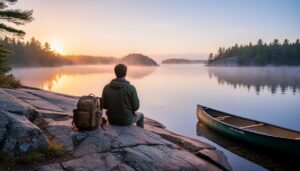
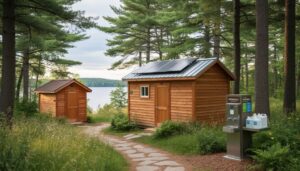
Start small if you’re new to solo adventures. Book a single night at a backcountry site in Algonquin or Killarney. These parks offer the perfect training ground, with established routes and emergency protocols while still delivering that genuine wilderness experience. You’ll hear loons calling across the water at dusk, navigate by map and compass, and yes, face those same moments of solitude that teach you so much about yourself.
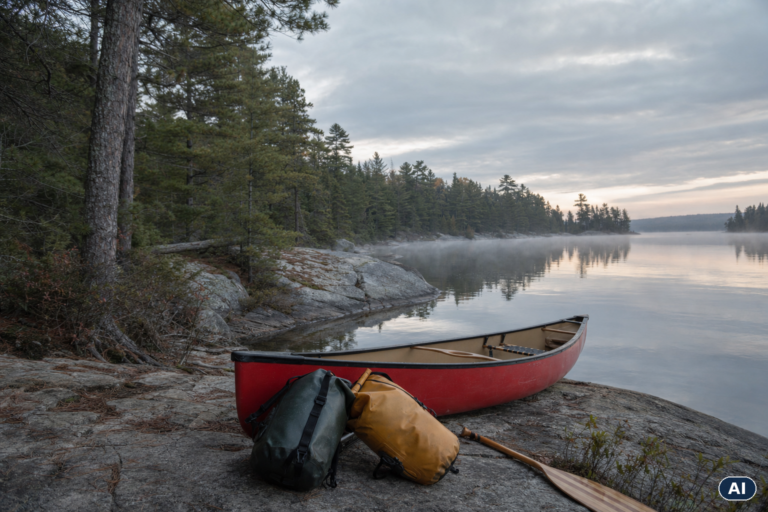
The beauty of Ontario park adventures is their accessibility. You can drive home if needed, yet still feel worlds away from civilization when you’re paddling through morning mist or watching stars from your campsite. Practice low-impact wilderness travel by packing out everything you bring in and using designated fire pits only when fire bans aren’t in effect.
Here’s an insider tip: September offers spectacular solo camping conditions. The bugs have mostly disappeared, fall colours create breathtaking scenery, and you’ll encounter fewer people on the trails. Bring a quality water filter, pack layers for unpredictable weather, and always register your route with park staff.
As you build confidence, extend your trips. Three nights becomes five, becomes a week-long canoe expedition. The principles of responsible backcountry camping remain constant whether you’re beside the Amazon River or a pristine Ontario lake. Both teach patience, resilience, and profound appreciation for wild places that demand our protection.
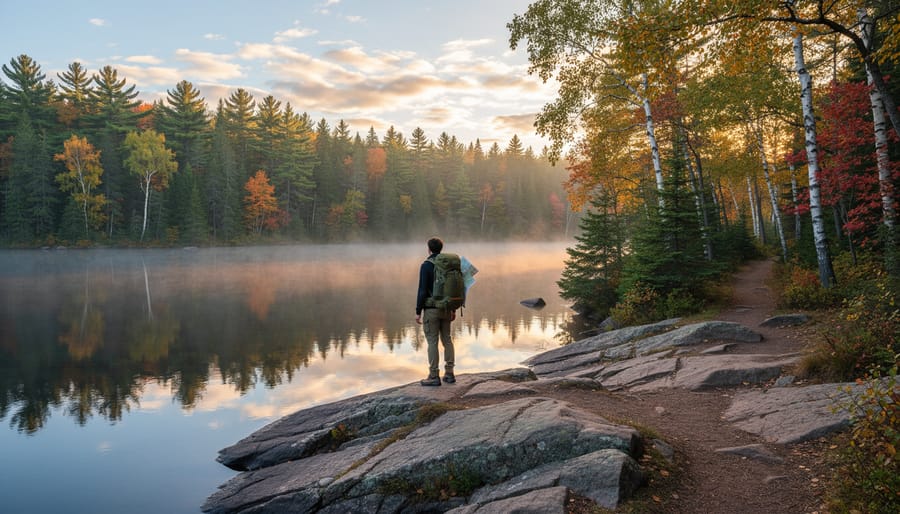
Here’s what I’ve learned after guiding countless travelers through solo wilderness journeys: those five days alone in nature—whether you’re navigating the flooded forests of the Amazon or paddling through Algonquin’s misty morning lakes—aren’t about running away from your life. They’re about finally standing still long enough to meet yourself without the noise.
The Amazon teaches this lesson with dramatic flair, but Ontario’s wilderness offers the same transformative classroom right in your backyard. You don’t need to travel 5,000 kilometers to discover who you are when you strip away the distractions. You just need five days, a patch of wilderness, and the courage to sit with your own thoughts.
Ready to take that first step? Start small. Book a weekend solo camping trip in a provincial park this season. Practice being alone with yourself for 48 hours before committing to five days. Research local outfitters who specialize in solo traveler experiences—many offer guided-but-independent options where you’re alone on the trail but supported by check-ins.
The version of yourself waiting on the other side of those five days is worth meeting. Pack light, prepare well, and remember: the wilderness doesn’t judge your pace, your doubts, or your stumbles. It simply invites you to show up, breathe deeply, and discover what you’re truly made of when nobody else is watching.



+ There are no comments
Add yours