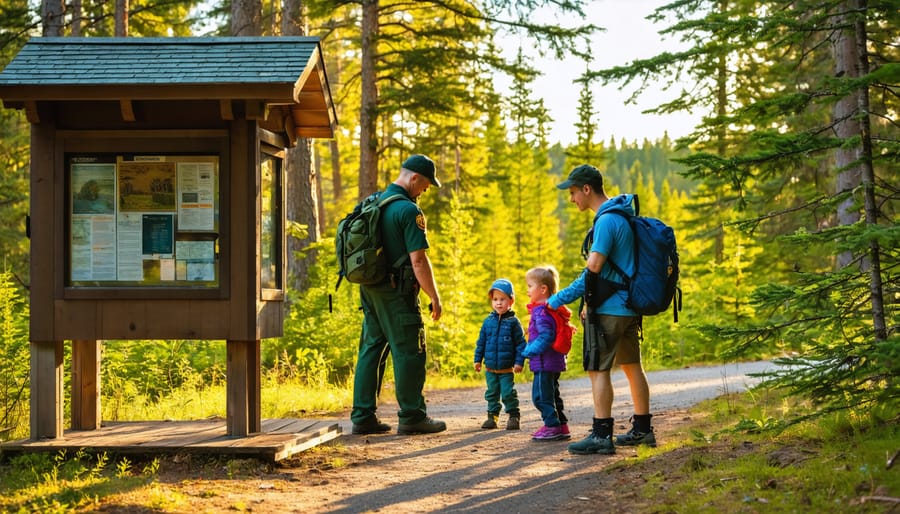
Standing at the trailhead of Algonquin Provincial Park, I once watched a ranger seamlessly switch between English, French, and Mandarin while helping three different families plan their day—a perfect snapshot of Ontario’s remarkable linguistic tapestry. This province speaks in many voices, and nowhere is that diversity more beautifully expressed than in our parks and natural spaces.
Ontario officially embraces both English and French as its working languages, reflecting Canada’s bilingual heritage. English dominates as the primary language spoken by roughly 70% of residents, while French thrives as the mother tongue for approximately 4% of Ontarians, concentrated heavily in regions like Eastern Ontario and Northern communities. But walk through any popular provincial park on a summer weekend, and you’ll hear Mandarin, Cantonese, Punjabi, Spanish, Italian, Arabic, and dozens of other languages creating a symphony of cultures connecting with nature.
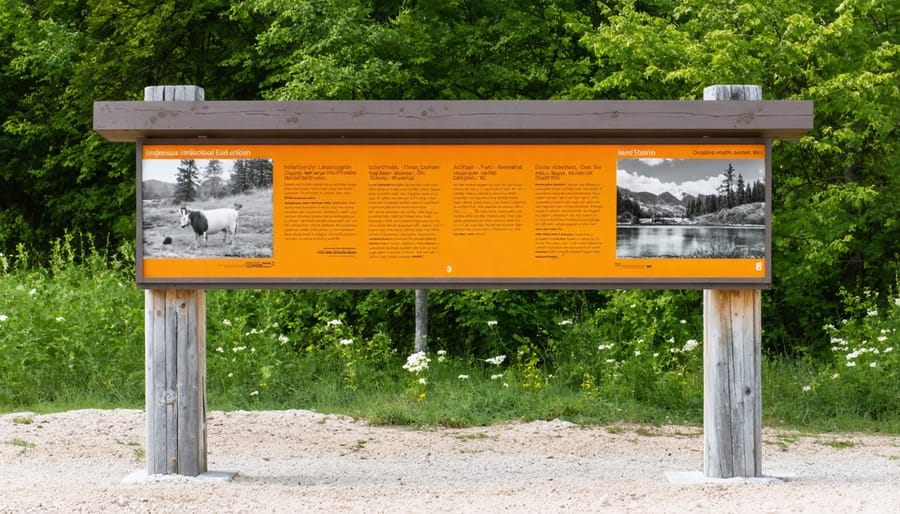
Understanding Ontario’s linguistic landscape transforms how you experience our parks. Many facilities now offer multilingual signage, interpretive programs in French and English, and increasingly, materials in other commonly spoken languages. This isn’t just about translation—it’s about ensuring everyone can safely navigate trails, understand wildlife warnings, and fully appreciate the natural and cultural stories our parks tell.
Whether you’re a newcomer wondering if your language will be accommodated, a francophone seeking services in French, or simply curious about how Ontario’s multiculturalism enriches our outdoor spaces, this guide reveals the linguistic bridges that connect diverse communities to our shared natural heritage. Because nature speaks a universal language, but sometimes we all need a little help with the directions.
Ontario’s Linguistic Tapestry: More Than Just English and French

Indigenous Languages: The Original Park Storytellers
Long before English or French echoed through Ontario’s forests, Indigenous languages painted these landscapes with meaning. Today, many provincial parks are reclaiming and celebrating these original voices, weaving Anishinaabemowin, Haudenosaunee languages, and other Indigenous tongues back into the storytelling fabric of our natural spaces.
At Pukaskwa National Park, you’ll find trail markers in Anishinaabemowin alongside English and French—a small but powerful reminder that these lands have always had names. “Pukaskwa” itself comes from the Anishinaabe word for “cleaning fish,” referring to the sacred river that runs through the park. Similarly, Bon Echo Provincial Park now incorporates Mazinaw (meaning “painted rock”) in its interpretive signage, honoring the cliff’s Indigenous name and the ancient pictographs that grace its face.
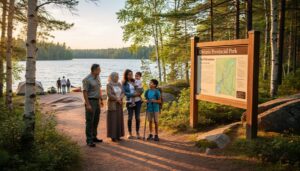
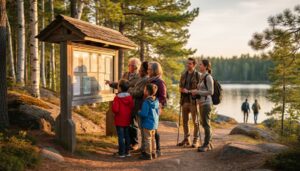
Killarney Provincial Park has taken this commitment further with bilingual interpretive panels featuring Anishinaabemowin translations. During guided programs, park naturalists often share Indigenous place names and their meanings, transforming a simple hike into a linguistic journey through time. It’s an insider tip worth seeking out—ask at the visitor center about programs featuring Indigenous cultural experiences.
The Haudenosaunee languages are similarly finding their voice in southern Ontario parks. Crawford Lake Conservation Area features Kanyen’kéha (Mohawk) signage near its reconstructed Iroquoian village, while guided tours often include traditional greetings and storytelling in the original language.
These linguistic bridges aren’t just about translation—they’re about recognition, respect, and reconnection. When you encounter these Indigenous words on your next park adventure, take a moment to sound them out, learn their meanings, and appreciate the deeper stories they tell.
Newcomer Voices in Natural Spaces
Ontario’s parks echo with the sounds of home languages from around the world, creating a beautiful tapestry of voices among the trees. On any given weekend at Rouge National Urban Park, you’ll hear Mandarin-speaking families pointing out wildlife, Tagalog conversations during picnic lunches, and Urdu instructions as parents teach their children to ride bikes along the trails.
The Khans, a Pakistani family who settled in Mississauga three years ago, make monthly visits to Rattlesnake Point. “We bring our language, our food, and our traditions into nature,” shares Amina Khan. “My children switch between English and Urdu as they explore, and it helps them stay connected to both cultures while discovering their new home.”
These multilingual park experiences aren’t just beautiful—they’re transforming how newcomers connect with Canadian outdoor spaces. When families see trail signs in multiple languages or hear their mother tongue spoken on the paths, parks stop feeling foreign and start feeling like theirs too.
Indigenous groups and park organizations are embracing this diversity, recognizing that welcoming all languages enriches everyone’s experience. Some conservation areas now offer interpretive programs celebrating various cultural experiences, while community groups organize multilingual nature walks.
**Insider tip:** Join a multicultural hiking group or language-exchange nature walk to experience Ontario’s trails through different cultural lenses. These gatherings create wonderful opportunities for connection while exploring the province’s natural beauty together, regardless of which language feels most comfortable.
Parks Where You’ll Hear the World
Urban Parks: Multilingual Hubs Near the City
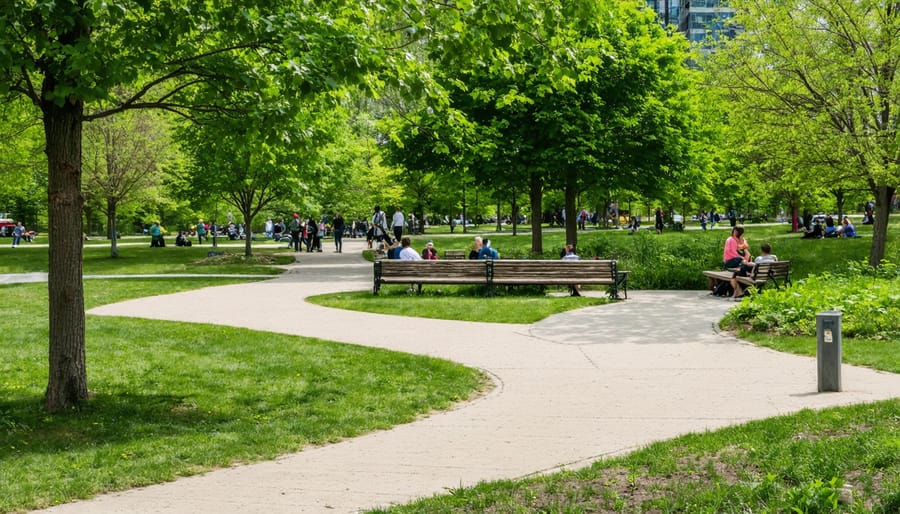
Ontario’s urban parks near Toronto and Ottawa have become vibrant meeting places where languages blend as naturally as forest paths merge with meadows. These green spaces don’t just welcome diversity—they celebrate it through thoughtful multilingual services that make everyone feel at home.
High Park in Toronto exemplifies this beautifully. During cherry blossom season, you’ll hear Mandarin, Tagalog, Spanish, and dozens of other languages floating through the air as families gather for picnics. The park’s visitor information is available in multiple languages, and seasonal cultural festivals often feature programming that bridges communities. My favorite insider tip? Visit the community gardens on weekday mornings, where you’ll find gardeners from around the world happy to share growing tips in their native tongues—and maybe even offer you fresh herbs!
Gatineau Park, just minutes from Ottawa, sits at the crossroads of English and French Canada. All signage, maps, and visitor services are fully bilingual, making it wonderfully accessible. The park’s interpretive programs often run in both official languages, and during summer weekends, you might stumble upon guided nature walks led in French, English, or even Indigenous languages. Don’t miss the eco-friendly shuttle buses with multilingual audio guides—they’re perfect for reducing your carbon footprint while learning about the landscape.
Rouge National Urban Park, Canada’s first national urban park, serves one of the country’s most diverse regions. Programs here reflect the surrounding communities, with events celebrating Tamil, Punjabi, Cantonese, and Arabic cultures alongside connections to heritage sites in parks. Check their website for multicultural celebration days—they’re magical experiences where food, music, and nature intertwine across languages.
Remote Parks with Deep Indigenous Roots
Venture into Ontario’s northern reaches, and you’ll discover parks where Indigenous languages aren’t just preserved—they’re alive and woven into every trail marker, interpretive sign, and guided experience. These remote territories offer something profoundly different: a chance to connect with landscapes through the perspectives of the peoples who’ve inhabited them for millennia.
Pukaskwa National Park along Lake Superior’s rugged coastline integrates Anishinaabemowin (Ojibwe language) throughout its programming. Local Anishinaabe guides share oral histories that transform ancient pictograph sites from mysterious symbols into vivid stories. You’ll hear place names in their original language—each one carrying layers of meaning about the land’s character, resources, or spiritual significance.
Wabakimi Provincial Park, one of the world’s largest canoe route systems, partners with Indigenous communities to offer visitors authentic cultural exchanges. The park storytelling traditions here aren’t performances—they’re intergenerational knowledge-sharing about medicinal plants, seasonal patterns, and sustainable harvesting practices.
**Insider tip:** Before visiting remote Indigenous territories, contact park offices about cultural orientation sessions. These brief programs help visitors understand protocols, learn basic greetings in local languages, and appreciate the deeper significance of what they’re experiencing.
**Eco-friendly engagement:** Support Indigenous-led tour operators and purchase authentic crafts directly from artisans when available. Many parks now offer “soft adventure” experiences—low-impact camping, traditional fishing methods, or medicine walks—that prioritize cultural learning over adrenaline. Remember, photography restrictions often apply at sacred sites; always ask permission first.
These parks remind us that Ontario’s linguistic diversity extends far beyond English and French, inviting us into worldviews where language, land, and identity remain beautifully inseparable.
How Parks Are Breaking Down Language Barriers
Signage, Apps, and Digital Translation Tools
Ontario parks have embraced technology to bridge language gaps, making outdoor adventures accessible to everyone. Most major provincial parks now feature multilingual signage at visitor centers, trailheads, and interpretive displays. You’ll commonly spot information in English, French, and increasingly in Mandarin, Spanish, and other languages at popular destinations like Algonquin and Killarney.
**Insider tip**: Download the free Ontario Parks app before your visit! It includes trail maps, safety information, and educational content available in multiple languages. The app works offline too—perfect for those backcountry moments when cell service disappears.
Many parks have also installed QR codes along trails that link to audio guides in various languages. I’ve watched families light up when they discover they can learn about local wildlife in their native tongue—it transforms the experience from confusing to magical.
For real-time translation needs, Google Translate and Microsoft Translator work surprisingly well at park visitor centers with WiFi. Staff at larger parks often keep translation devices on hand for common inquiries about permits, safety, and trail conditions.
**Eco-friendly suggestion**: Rather than printing multiple language brochures, many parks encourage visitors to access digital guides through tablets available at visitor centers. This reduces paper waste while offering information in 10+ languages.
Remember, park staff are genuinely friendly and patient—even if you don’t share a common language, they’ll find creative ways to help you explore safely and joyfully.
Cultural Programming and Guided Experiences
Ontario’s parks come alive through multilingual programming that welcomes visitors in French, Indigenous languages, and various immigrant community languages. Many parks offer guided nature walks led by bilingual interpreters who share ecological knowledge and cultural stories in both English and French—perfect for families wanting their kids to practice language skills outdoors!
**Insider tip**: Book interpretive programs at least two weeks ahead during peak summer months (July-August), as multilingual guides have limited availability. Spring and fall shoulder seasons often feature smaller groups with more personalized attention.
Several provincial parks participate in cultural festivals celebrating Indigenous heritage, French-Canadian traditions, and newcomer communities. These events typically run from June through September and include storytelling circles, traditional music performances, and craft demonstrations—all presented multilingually.
**Eco-friendly suggestion**: Join Indigenous-led programs that incorporate Anishinaabemowin or Haudenosaunee language teachings about sustainable land stewardship. These experiences deepen your connection to place while respecting First Nations’ linguistic heritage.
Check individual park websites for their seasonal program calendars, noting which events offer translation services or multilingual materials. Some parks even provide audio guides downloadable in multiple languages—grab them before heading into areas with spotty cell service!
Your Story Matters: Experiencing Parks Through Your Own Language Lens
Insider Tips for Non-English Speaking Visitors
Visiting Ontario’s stunning parks shouldn’t feel daunting just because English isn’t your first language! I’ve discovered that a little preparation goes a long way in making your outdoor adventure smooth and enjoyable.
**Before You Go**
Download Google Translate offline for your language—it’s a lifesaver when you’re in remote areas without cell service. The Parks Ontario app also offers some French content, and many park brochures come in multiple languages at visitor centers. Screenshot important phrases like “Where is the nearest trail?” or “Emergency help needed” in English before heading out.
**Parks with Strong Multilingual Support**
Niagara Falls area parks shine here, with signage often in English, French, and Mandarin due to high international tourism. Algonquin Provincial Park’s visitor center staff frequently speak French, and they’re incredibly patient with visitors practicing their English. Wasaga Beach Provincial Park attracts diverse communities, so you’ll find staff members who speak various languages, particularly during summer months.
**Insider Eco-Tip**
Join guided nature walks—they’re fantastic language-learning opportunities! Rangers speak slowly and use visual cues, making it easier to follow along. Plus, you’ll meet fellow visitors who might share your language.
Many parks also offer pictorial trail maps that transcend language barriers. Don’t hesitate to use hand gestures and smiles—nature lovers are universally friendly! I’ve watched countless beautiful friendships bloom on trails despite language differences, proving that appreciation for Ontario’s wilderness truly speaks every language.
Ontario’s parks are more than just natural spaces—they’re living tapestries where languages interweave like forest trails, where every accent adds richness to the soundscape, and where stories from around the world find common ground beneath towering pines and beside sparkling lakes. Whether you’re navigating a trail map in Mandarin, sharing campfire tales in Punjabi, or teaching your kids the Anishinaabemowin words for local wildlife, these parks embrace your linguistic heritage as warmly as they embrace you.
The beauty of Ontario’s outdoor spaces lies not just in their breathtaking vistas, but in their power to unite us across language barriers. A smile needs no translation. The wonder of spotting a blue jay or watching sunset paint the sky speaks a universal language. Yet knowing that signage, programs, and fellow visitors reflect the province’s multilingual reality makes these experiences feel truly welcoming and accessible to everyone.
So here’s my invitation to you: pack your hiking boots, grab your family or friends, and head out to discover these incredible spaces for yourself. Listen to the symphony of languages echoing through the forests. Share your own stories in whatever language feels like home. Ontario’s parks are waiting with open arms—and they’re speaking your language. Let’s celebrate this beautiful diversity together, one trail at a time.





+ There are no comments
Add yours