

Transform your daily commute into a powerful force for environmental change by embracing public transportation’s role in sustainable tourism in Ontario and beyond. Every bus ride saves approximately 20 pounds of carbon dioxide compared to driving alone, while modern light rail systems reduce urban emissions by up to 70% per passenger mile. As cities worldwide grapple with growing environmental challenges, public transit emerges as a cornerstone of urban sustainability – slashing carbon footprints, reducing traffic congestion, and creating more livable communities for future generations.
Picture a future where silent electric buses glide through city streets, solar-powered trains connect communities, and shared mobility options seamlessly integrate with traditional transit systems. This isn’t just an environmentalist’s dream – it’s already becoming reality in forward-thinking cities that prioritize sustainable transportation infrastructure. By choosing public transit today, you’re not just saving money on gas and parking – you’re voting with your fare card for a cleaner, greener, and more connected tomorrow.
Current Public Transit Options to Ontario Parks
Parkbus and Scheduled Services
Parkbus offers an eco-friendly solution for nature enthusiasts looking to explore Ontario’s beautiful parks without the carbon footprint of personal vehicles. This dedicated shuttle service connects major urban centers like Toronto and Ottawa to various provincial parks and nature destinations throughout the season.
Operating from June to October, Parkbus runs regular routes to popular destinations including Algonquin Provincial Park, Bruce Peninsula National Park, and Killarney Provincial Park. The comfortable buses depart from convenient downtown locations, making it easy for city dwellers to escape to nature without the hassle of driving.
What makes Parkbus particularly special is its commitment to reducing environmental impact. Each full bus can replace up to 50 private vehicles on the road, significantly decreasing carbon emissions. The service also helps reduce parking congestion at popular parks during peak seasons.
Pro tip: Book your Parkbus tickets early in the season, as spots fill up quickly, especially for long weekends and fall colors viewing. Many routes offer both day trips and overnight options, perfect for everything from quick hiking adventures to extended camping trips.
Regional Transit Connections
Getting to Ontario’s beautiful parks is easier and greener than ever with our excellent regional transit connections. The GO Transit network offers convenient bus and train services to many popular park destinations, with stops near park entrances and visitor centers. During peak seasons, dedicated shuttle services run from major transit hubs directly to park gates, making car-free adventures a breeze.
For day trips, consider taking the seasonal Park Bus service, which connects downtown Toronto to various provincial parks. These comfortable coaches are equipped with bike racks and plenty of space for your outdoor gear. Plus, many local transit authorities have partnered with parks to offer special “Nature Express” routes during summer months.
Pro tip: Book your transit tickets in advance and travel during off-peak hours for the best rates. Many parks offer discounted entry fees for visitors who show their transit tickets – it’s a win-win for your wallet and the environment! Remember to check seasonal schedules, as service frequency varies throughout the year.
Planning ahead? Download transit apps and bookmark route schedules to make your journey smooth and stress-free. With these convenient connections, you can focus on enjoying nature rather than navigating traffic.
Innovative Green Transportation Projects
Electric Shuttle Pilots
Ontario Parks is taking bold steps toward greener transportation with innovative electric shuttle pilots that are transforming how visitors explore our natural spaces. These eco-friendly initiatives are part of the parks’ broader commitment to sustainable energy solutions and reducing our environmental footprint.
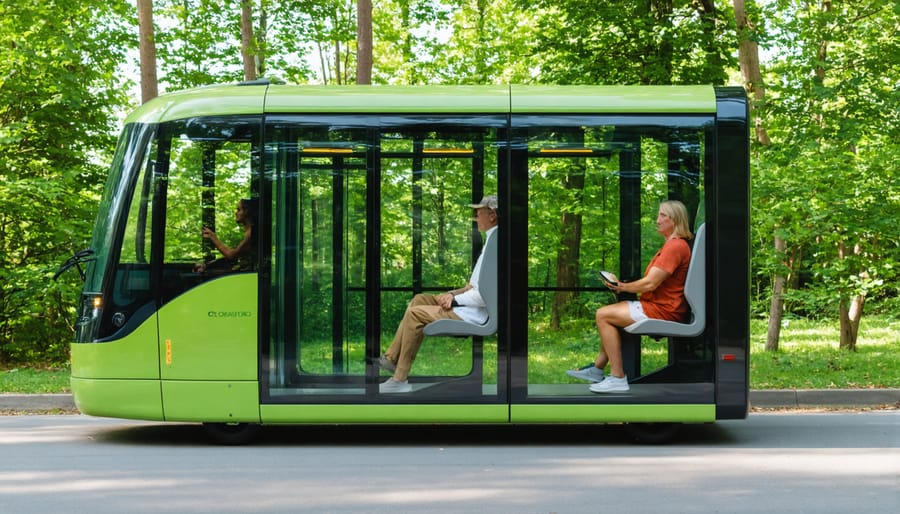
In Algonquin Provincial Park, the new electric shuttle service connects popular trailheads and camping areas, making it easier for visitors to leave their cars behind. These quiet, zero-emission vehicles carry up to 14 passengers and run every 30 minutes during peak season. The best part? They’re equipped with bike racks, so you can combine different modes of green transportation during your visit.
Bruce Peninsula National Park has launched a similar program, with electric shuttles running from visitor parking lots to Indian Head Cove and the Grotto. This service has significantly reduced traffic congestion and vehicle emissions in one of Ontario’s most visited natural attractions.
Here’s an insider tip: book your shuttle rides in advance through the parks’ online reservation system, especially during summer weekends. The shuttles are equipped with GPS tracking, so you can use the park’s mobile app to see real-time arrival times – no more wondering when the next shuttle will come!
These pilot programs have already prevented thousands of private vehicle trips, and parks staff report overwhelming positive feedback from visitors who appreciate the quiet, clean transportation option.
Bike-Share Programs
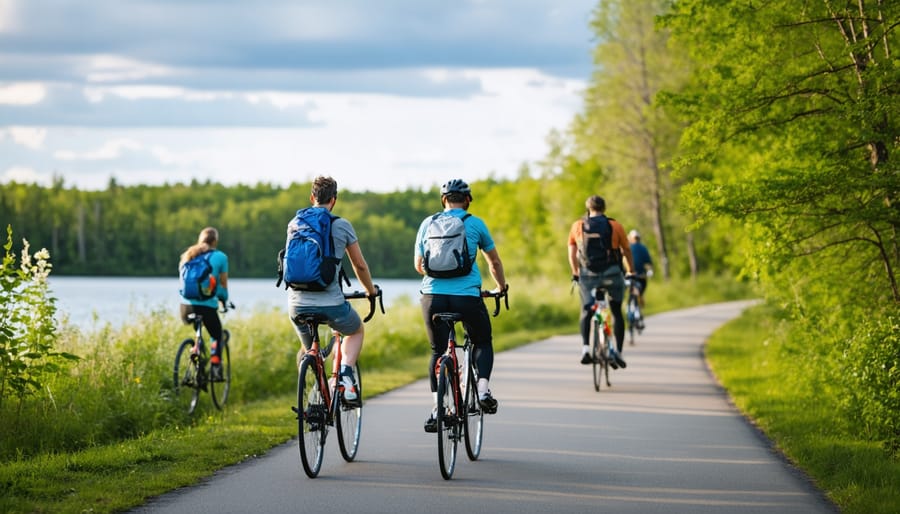
Bike-sharing has become a game-changer in Ontario’s push for greener transportation! As a regular cyclist myself, I’ve watched these programs pop up across our cities like wildflowers in spring. In Toronto, Bike Share Ontario has transformed how locals and visitors alike get around, with over 6,850 bikes available at 625 stations throughout the city.
These programs are brilliantly simple: grab a bike from any station, ride to your destination, and dock it at another station. Most systems offer both pay-as-you-go options and annual memberships, making them super flexible for different needs. The best part? You don’t have to worry about maintenance or storage – it’s all taken care of!
Cities across Ontario have been investing in cycling infrastructure to support these programs. New dedicated bike lanes, protected cycling paths, and bike parking facilities are making it safer and more convenient to choose two wheels over four. Hamilton, Ottawa, and Kingston have all launched successful bike-share initiatives, each tailored to their unique urban landscapes.
Pro tip: Many bike-share programs now offer electric bikes too! They’re perfect for longer trips or tackling those challenging hills. Plus, you’re doing your part for the environment – each bike-share trip typically saves about 500 grams of CO2 compared to a car journey.
The real beauty of bike-sharing is how it connects with other forms of public transit, creating a seamless sustainable transportation network. You can hop off a bus or train and grab a bike for that last mile to your destination.
Planning Your Car-Free Park Visit
Booking and Scheduling Tips
Planning your sustainable transportation journey doesn’t have to be complicated! Here are some tried-and-true tips to make booking and scheduling a breeze while keeping your carbon footprint in check.
First, book your transportation well in advance, especially during peak seasons (June to September). Many eco-friendly shuttle services and public transit options fill up quickly, and early booking often comes with better rates. Consider downloading transit apps like Transit or Citymapper to access real-time schedules and plan your connections efficiently.
Pro tip: Look for off-peak travel times! Not only will you find better availability and potentially lower fares, but you’ll also help distribute the passenger load more evenly throughout the day, making the service more efficient overall.
When planning your journey, try to combine different sustainable transportation modes. For instance, you might take a train to a major hub, then connect to a local shuttle service for the final leg to your destination. Many providers offer combo tickets or travel passes that make this seamless and cost-effective.
Don’t forget to check if your accommodation offers pickup services from nearby transit stations – many eco-conscious establishments do! This can save you the hassle of arranging additional transportation while supporting businesses that prioritize sustainability.
For group travel, consider booking a shared shuttle service instead of multiple individual trips. Many companies offer group discounts, and you’ll be helping to maximize vehicle capacity while minimizing environmental impact.
Remember to keep your booking confirmations handy, either digitally or printed on recycled paper. Most services now offer mobile tickets, which is both convenient and environmentally friendly. Set reminders for departure times and allow extra time for connections – being prepared helps ensure a smooth, stress-free journey!

What to Pack and Prepare
When taking public transit to parks, proper preparation can make your journey smooth and enjoyable while supporting earth-friendly park practices. Pack light but smart with a comfortable backpack that can hold your essentials. Always bring a reusable water bottle, weather-appropriate clothing, and comfortable walking shoes since you might need to walk a short distance from the transit stop to the park entrance.
Don’t forget to download transit apps and save offline maps of your route and the park area. Many Ontario parks have limited or no cell service, so having these resources available offline is crucial. Pack some snacks in reusable containers, as food options might be limited depending on your destination.
A small first-aid kit, sunscreen, and insect repellent are must-haves for any park visit. Consider bringing a lightweight, foldable rain jacket that won’t take up much space – Ontario weather can be unpredictable! If you’re planning activities like hiking or swimming, pack accordingly but remember you’ll be carrying everything on public transit.
For longer journeys, bring entertainment like a book or downloaded podcasts. Keep your transit schedule handy, including return times, and carry some cash for unexpected situations. A portable charger for your phone is essential, especially if you’re relying on digital tickets or navigation apps.
Pro tip: Pack a small garbage bag to collect any trash – this helps maintain the park’s cleanliness and shows respect for our natural spaces. Remember, everything you bring should align with the leave-no-trace principle, making your visit both enjoyable and environmentally responsible.
Environmental Impact and Future Vision
The shift towards sustainable public transportation in Ontario’s parks is making a significant positive impact on our environment. By reducing individual vehicle traffic, we’re seeing a measurable decrease in carbon emissions and helping protect our precious natural spaces. For example, the shuttle services operating in popular parks like Algonquin have already prevented thousands of metric tons of CO2 from entering the atmosphere annually.
But the benefits go beyond just reducing emissions. When visitors choose public transportation options, it helps minimize wildlife habitat disruption and reduces the need for expanding parking lots, allowing more land to remain in its natural state. Plus, fewer vehicles mean less noise pollution, creating a more peaceful experience for both wildlife and park visitors.
As part of Ontario Parks’ ongoing climate change initiatives, there are exciting developments on the horizon. Plans include expanding electric shuttle services, introducing bike-sharing programs at more locations, and developing better connections between urban centers and park destinations.
Here’s a fun fact: did you know that one full shuttle bus can replace up to 20 private vehicles? That’s a lot of carbon footprints reduced in just one trip! Some parks are also experimenting with solar-powered shuttle stops and real-time tracking apps to make the experience even more convenient for visitors.
Looking ahead, Ontario Parks is committed to achieving carbon neutrality in its transportation systems by 2030. This includes transitioning to fully electric shuttle fleets, implementing smart routing systems to maximize efficiency, and creating more car-free zones within parks. These changes will help preserve our natural spaces for future generations while making park visits more enjoyable and accessible for everyone.
Remember, every time you choose public transportation for your park visit, you’re contributing to this positive environmental impact. It’s a small choice that makes a big difference in protecting the wilderness we all love to explore.
Making the switch to sustainable transportation isn’t just good for the environment – it’s a chance to experience Ontario’s natural beauty in a whole new way. By choosing public transit, bikes, or shuttle services, you’re reducing carbon emissions while creating more meaningful connections with our landscapes and communities. The stress-free journey becomes part of the adventure, letting you focus on the scenery rather than traffic and parking. Whether you’re a local or visitor, we encourage you to try leaving the car behind on your next outdoor adventure. Start small with a day trip using public transit, or plan a car-free weekend getaway. You’ll be amazed at how liberating and rewarding sustainable travel can be. Together, we can protect Ontario’s wilderness for generations to come while discovering more authentic ways to explore it.










+ There are no comments
Add yours