

Transform your next outdoor adventure by choosing accommodations that minimize environmental impact without sacrificing comfort. From solar-powered eco-lodges nestled in pristine forests to certified green hotels using renewable energy, sustainable stays have evolved beyond basic camping. Today’s eco-conscious travelers can select from an impressive array of options that combine environmental responsibility with modern amenities.
Whether you’re planning a weekend getaway or an extended wilderness retreat, Ontario’s parks offer innovative accommodation solutions that protect our natural heritage while providing memorable experiences. Think canvas-walled tents equipped with rainwater harvesting systems, off-grid cabins powered by wind turbines, and traditional lodges retrofitted with state-of-the-art energy conservation technology.
These thoughtfully designed spaces do more than just shelter – they educate and inspire, showing how sustainable living enhances rather than diminishes our connection to nature. By choosing eco-friendly accommodations, you’re not just booking a place to stay; you’re supporting a vision of tourism that preserves our wilderness for future generations.
Sustainable Camping Options in Ontario Parks
Low-Impact Tent Camping Spots
Ontario’s provincial parks offer numerous designated tent camping spots that let you embrace nature while treading lightly on the environment. These low-impact sites are carefully chosen to protect sensitive ecosystems while providing an authentic wilderness experience.
For the most eco-conscious camping experience, look for backcountry sites in parks like Killarney and Algonquin. These spots are typically accessible only by hiking or paddling, which naturally limits their environmental impact. Many feature simple thunderboxes (composting toilets) and designated fire pits to concentrate any ecological effects to specific areas.
When selecting your campsite, opt for established areas with durable surfaces. Look for spots where previous campers have already compressed the soil, rather than creating new impact zones. Many Ontario parks now offer raised tent platforms in sensitive areas, which help protect delicate vegetation and prevent soil erosion.
Pro tip: Choose parks that participate in the “Leave No Trace” program. These locations provide clear guidelines for minimal-impact camping and often feature educational signage about local ecosystems. Bon Echo and Lake Superior Provincial Parks are excellent examples, offering beautiful primitive camping spots with robust environmental protection measures.
Remember to pack out what you pack in, use biodegradable soap for washing, and keep your campsite at least 200 meters from any water source. Many experienced campers also recommend bringing a portable camping stove instead of relying on campfires, especially in areas where firewood is scarce or protected.
Eco-Certified Yurts and Cabins
Looking to immerse yourself in nature without compromising on eco-conscious values? Ontario’s certified eco-friendly yurts and cabins offer the perfect solution. These cozy accommodations blend seamlessly with their natural surroundings while meeting strict environmental standards.
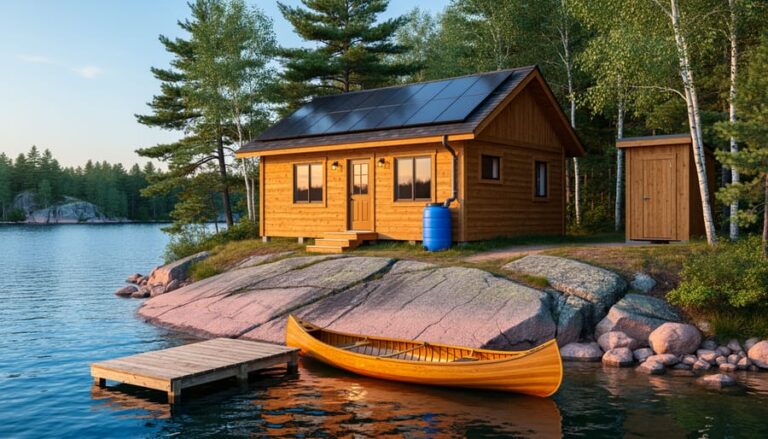
Many of these structures feature innovative green technologies like solar panels, rainwater collection systems, and composting toilets. Built using sustainable materials such as reclaimed wood and recycled metals, these dwellings demonstrate how comfort and conservation can go hand in hand.
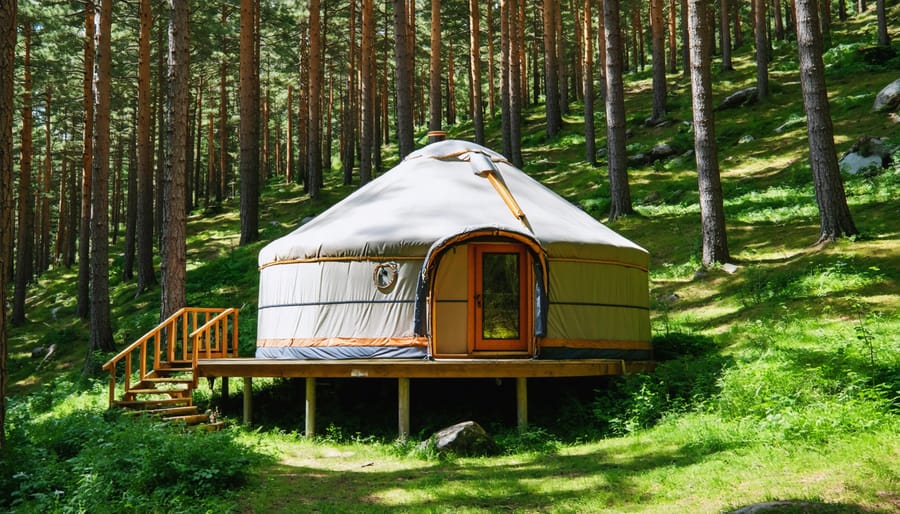
Take the award-winning yurts at Pinery Provincial Park, for example. These circular shelters use minimal energy, thanks to their clever design that maximizes natural light and ventilation. Their innovative insulation keeps them warm in winter and cool in summer, reducing the need for artificial heating and cooling.
The eco-certified cabins at Killarney Provincial Park showcase local materials and traditional building techniques while incorporating modern sustainable features. Each cabin comes equipped with energy-efficient appliances, LED lighting, and water-saving fixtures. The best part? These thoughtful touches don’t compromise on comfort – you’ll still enjoy a cozy bed, basic kitchen amenities, and stunning views of the surrounding wilderness.
Pro tip: Book these accommodations well in advance, especially during peak season. Many parks offer special rates during shoulder seasons, making it easier to experience these unique eco-friendly stays while supporting sustainable tourism practices.
Green Practices for Extended Stays
Water Conservation Techniques
Water is precious, especially when you’re enjoying Ontario’s beautiful parks. Let’s make every drop count with some simple but effective conservation techniques that’ll help protect our natural resources.
Start by bringing reusable water containers instead of disposable bottles. Fill them up at designated water stations and keep track of your daily usage. A good rule of thumb is to plan for about 2-3 liters per person per day, adjusting based on your activities and the weather.
When washing dishes at your campsite, use biodegradable soap and minimize water usage by pre-scraping food residue into designated waste bins. Set up your washing station at least 200 feet away from any water sources to prevent contamination. Pro tip: bring a collapsible wash basin and use the three-bucket method – one for washing, one for rinsing, and one for sanitizing.
For personal hygiene, consider taking short “navy showers” – wet down, turn off the water while soaping up, then rinse quickly. If you’re backcountry camping, use a solar shower bag and biodegradable products. Remember to collect morning dew or rainwater when possible for non-drinking purposes like cleaning gear or dousing your campfire.
Speaking of campfires, keep a water bucket nearby for safety, but use it sparingly. Once you’re done, let the embers cool naturally instead of drowning them with excess water.
Waste Management Solutions
Let’s talk trash – but in the most eco-friendly way possible! Proper waste management is crucial for keeping our beautiful Ontario parks pristine. Start by embracing the “pack it in, pack it out” principle, which means bringing home everything you brought with you, including packaging and food scraps.
Before your trip, plan meals carefully to minimize waste and use reusable containers instead of disposable ones. Bring a dedicated bag for collecting recyclables and another for compostable materials. Many eco-friendly accommodations now provide separate bins for different types of waste, making it easier to sort as you go.
Consider bringing a reusable water bottle and coffee mug – you’d be amazed at how much waste this simple switch prevents! For food storage, opt for beeswax wraps or silicone bags instead of plastic wrap and zip-lock bags. When shopping for supplies, choose products with minimal packaging or those in recyclable containers.
If you’re staying in a cabin or yurt, keep a small compost container for food scraps (just make sure it’s wildlife-proof!). Many eco-lodges have composting programs, so ask about proper disposal methods when you check in. For unavoidable waste, always use designated disposal areas and never leave trash outside overnight where wildlife might get into it.
Remember, the most effective waste management strategy is reducing what we bring in the first place. A little planning goes a long way in keeping our parks beautiful for future generations!
Sustainable Energy Use
Ontario’s eco-friendly accommodations are leading the way with innovative sustainable energy solutions that enhance your stay while minimizing environmental impact. Many lodges and cabins now feature solar panels that power everything from lighting to water heating, making your wilderness experience both comfortable and earth-conscious.
Looking to bring your own green power setup? Modern solar options for camping include portable panels and power banks that easily fit in your backpack. These handy devices can keep your essential devices charged without relying on generator noise that disturbs the peaceful natural setting.
Smart design features like large windows for natural lighting, LED bulbs, and motion sensors help reduce electricity usage while maintaining comfort. Many accommodations also utilize passive solar heating and cooling through strategic window placement and proper insulation, keeping you cozy regardless of the season.
Pro tip: Book accommodations that offer energy monitoring systems – they’re a great way to track your usage and challenge yourself to minimize your footprint during your stay. Some locations even offer rewards or discounts for guests who maintain low energy consumption!
Remember to pack energy-efficient gear like solar-powered lanterns and USB-rechargeable devices. These small choices add up to make a big difference in preserving our beautiful Ontario parks for future generations.

Eco-Friendly Gear and Equipment

Essential Green Camping Gear
When packing for your eco-friendly camping adventure in Ontario’s beautiful parks, choosing the right gear makes all the difference. Start with a high-quality recycled or sustainably manufactured tent – look for brands using bluesign®-certified materials or recycled fabrics. A solar-powered lantern eliminates the need for disposable batteries while providing reliable lighting for those starlit nights.
For sleeping comfort, opt for sleeping bags made from recycled materials or organic cotton. Many outdoor brands now offer bags filled with recycled synthetic materials that perform just as well as traditional options. Pair this with a sleeping pad made from eco-friendly foam or recycled materials.
Keep your food fresh with a high-quality cooler that maintains temperature well – this reduces ice consumption and food waste. Bring reusable water bottles and a water filtration system instead of plastic bottles. A lightweight camping stove that runs on renewable fuel sources, like bioethanol, makes for cleaner cooking compared to traditional propane stoves.
Don’t forget sustainable dishware! Bamboo or stainless steel plates, cups, and utensils are durable alternatives to disposable options. Pack a biodegradable soap for washing up, and always bring a clothesline to dry reusable towels and clothes naturally.
Remember to choose gear that’s built to last – investing in quality equipment means less waste in the long run and a better camping experience for years to come. Many outdoor retailers now offer gear repair services, which can extend the life of your equipment even further.
Sustainable Food Storage Solutions
Keeping your food fresh while minimizing environmental impact is easier than you might think! Start with reusable containers made from sustainable materials like glass, stainless steel, or bamboo. These sturdy options not only keep your food safe but also eliminate the need for single-use plastics.
For longer stays, consider bringing a cooler with reusable ice packs instead of disposable ice bags. Pro tip: freeze water in reusable bottles before your trip – they’ll keep your food cold and provide drinking water as they thaw!
Beeswax wraps are fantastic alternatives to plastic wrap and can keep your fruits, vegetables, and sandwiches fresh. They’re washable, reusable, and naturally antimicrobial. Many local Ontario artisans make these wraps, so you can support local businesses while going green.
Mason jars are perfect for storing dry goods like trail mix, cereal, and pasta. They’re airtight, moisture-resistant, and can be used for years. Plus, they’re great for preparing overnight oats or storing leftover campfire stews.
Don’t forget about mesh produce bags for storing fresh fruits and vegetables. They allow proper air circulation while keeping bugs out. For bread and baked goods, bring along cotton bread bags – they help prevent mold while letting your baked treats breathe.
Remember to label and date your containers to reduce food waste. A simple marker on masking tape works perfectly and can be easily removed and composted later.
Planning Your Eco-Stay
Booking Green Accommodations
When booking green accommodations, start by researching certified eco-lodges and sustainable accommodations through trusted platforms. Look for properties that showcase their environmental commitments through specific certifications or detailed sustainability practices on their websites.
Key features to watch for include solar power usage, rainwater harvesting systems, composting programs, and energy-efficient appliances. Many eco-friendly accommodations in Ontario also use locally sourced materials and support community initiatives.
Before finalizing your reservation, don’t hesitate to ask questions about their green practices. Responsible properties are usually eager to share their sustainability efforts. When planning your eco-friendly visit, check if they offer amenities like bicycle rentals, reusable water bottles, or guided nature walks.
Consider booking during off-peak seasons to reduce the environmental impact of mass tourism. Many eco-lodges offer special rates during these periods, making it a win-win for both your wallet and the environment. Remember to read recent guest reviews focusing on their environmental practices and overall experience.
Seasonal Considerations
Each season in Ontario brings unique opportunities and challenges for eco-friendly accommodations. In summer, maximize natural ventilation by opening windows and using fans instead of air conditioning when possible. Take advantage of longer daylight hours by planning activities during natural light, reducing electricity usage for lighting.
Winter presents different considerations – proper insulation becomes crucial. Use thermal curtains and door draft stoppers to maintain heat efficiently. Many eco-lodges and sustainable accommodations offer wood-burning stoves using locally sourced, sustainable firewood. Remember to close curtains at dusk to retain warmth.
Spring and fall are ideal for minimal energy usage, as moderate temperatures reduce the need for heating or cooling. These shoulder seasons are perfect for trying more rustic accommodation options like yurts or eco-cabins. They’re also great times to practice outdoor cooking, reducing energy consumption from indoor kitchen appliances.
Year-round, focus on seasonal eating by choosing local produce and planning meals around what’s naturally available. Consider properties that use renewable energy sources, as solar panels are effective even during cloudy Canadian winters, while wind turbines perform best during gusty spring and fall months.
Choosing eco-friendly accommodations in Ontario’s parks isn’t just about minimizing your environmental footprint – it’s about enriching your entire outdoor experience. By staying in sustainable lodgings, you become part of a growing community of conscious travelers who understand that preserving our natural spaces starts with how we choose to experience them.
From solar-powered yurts to LEED-certified lodges, these green accommodations offer unique opportunities to connect with nature while ensuring it remains pristine for future generations. The benefits extend beyond environmental impact – you’ll often find these stays provide a more authentic, peaceful, and meaningful park experience. Many visitors report feeling more in tune with their surroundings and more aware of their relationship with nature after choosing eco-friendly options.
Remember, sustainable travel is about making mindful choices. Whether you’re planning a weekend getaway or an extended wilderness adventure, consider how your accommodation choice affects the local ecosystem. Pack reusable items, follow leave-no-trace principles, and support facilities that prioritize environmental stewardship.
By choosing eco-friendly accommodations, you’re not just booking a place to stay – you’re investing in the future of Ontario’s parks. Your choice helps support sustainable tourism initiatives, local conservation efforts, and the preservation of our province’s natural heritage. Make your next park visit count by choosing accommodations that protect the very wilderness you’ve come to enjoy.












+ There are no comments
Add yours