
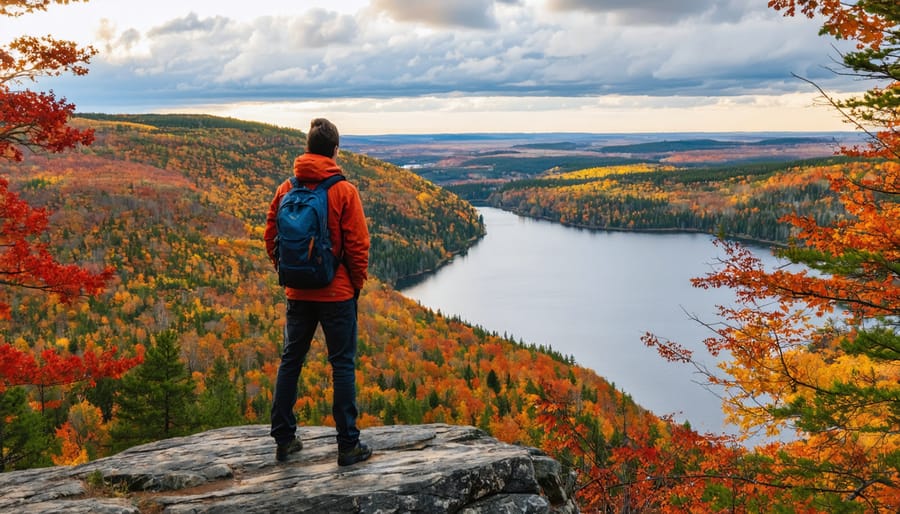
Step into any new destination, and you become a student of the world’s most immersive classroom. Travel transforms ordinary moments into extraordinary learning opportunities, whether you’re deciphering subway maps in Tokyo, bargaining in a Moroccan souk, or identifying bird calls in Ontario’s pristine wilderness. Unlike traditional education confined within four walls, travel engages all your senses – you taste history in ancient recipes, hear culture in local music, and witness geography unfold through train windows. Every interaction with locals, each navigation challenge, and all those unexpected detours become powerful teaching moments that reshape your understanding of the world. This natural classroom doesn’t just build knowledge; it develops critical thinking, adaptability, and cultural intelligence in ways no textbook ever could. As you explore new territories, you’re not just collecting stamps in your passport – you’re gathering insights, challenging assumptions, and writing your own curriculum in the university of life.
Nature’s Classroom: Learning Through Direct Experience
The Power of Personal Connection
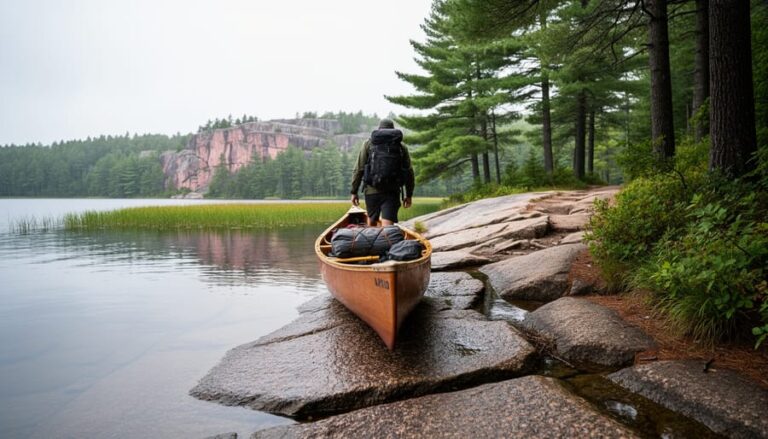
There’s something magical about standing at the edge of a misty lake in Algonquin Park or feeling the spray of Niagara Falls on your face. These direct encounters with nature create lasting impressions that no textbook or video can match. When we experience nature firsthand, we develop an emotional connection that transforms how we view our environment.
Think about watching a child discover their first salamander under a log or seeing the Northern Lights dance across the sky – these moments stick with us forever. They spark curiosity and foster a deep appreciation for the natural world that often leads to long-term environmental awareness and conservation efforts.
In Ontario’s vast wilderness, every hiking trail and camping spot offers a chance to forge these meaningful connections. Whether it’s identifying bird calls in the morning, learning about local plant species, or understanding the delicate balance of forest ecosystems, these experiences become personal teachers that inspire us to protect what we’ve grown to love.
The best part? These natural connections often inspire us to share our knowledge with others, creating a ripple effect of environmental consciousness that extends far beyond our individual experiences.
Ontario’s Living Laboratories
Ontario’s provincial and national parks serve as incredible outdoor classrooms, offering hands-on learning experiences you won’t find in any textbook. At Algonquin Park, visitors can join guided wolf howls to understand pack behavior and ecosystems, while the Niagara Escarpment reveals millions of years of geological history through its ancient rock formations and fossils.
For those interested in eco-conscious travel in Ontario, the Bruce Peninsula offers unparalleled opportunities to study rare orchids and ferns in their natural habitat. The Thousand Islands region transforms into a living laboratory where you can observe migratory birds and learn about water ecosystems through kayaking adventures.
Kids particularly love the interactive nature programs at Killbear Provincial Park, where they can examine tide pools, identify native species, and learn about wildlife conservation. Even a simple hike through Frontenac Provincial Park becomes an immersive lesson in forest ecology, with interpretive trails explaining how different species interact and survive together in these protected spaces.

Understanding Local Ecosystems Through Travel
Reading the Landscape
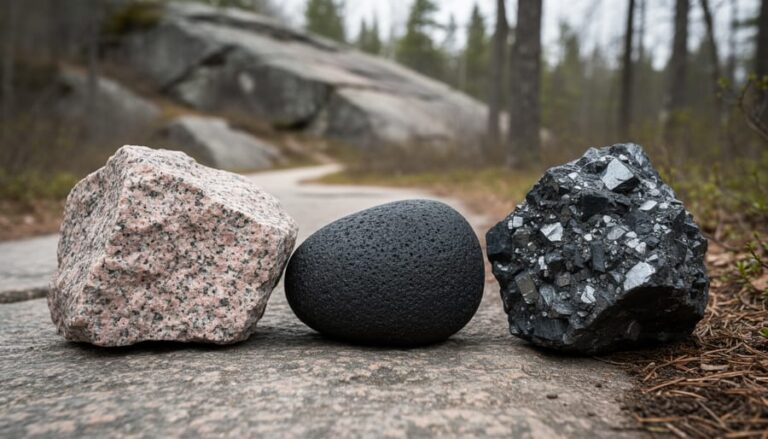
Every landscape tells a story, and learning to read it can transform your travel experience into an environmental classroom. Start by observing the natural patterns around you – are the trees all leaning in one direction? This might indicate prevailing winds. Notice the types of vegetation; they often reveal local climate conditions and soil types.
Take a moment to spot signs of human impact too. Look for evidence of erosion on hiking trails, changes in water levels at lakeshores, or the presence of non-native species. These observations can spark fascinating discussions about conservation and climate change.
In Ontario’s parks, you might notice beaver dams reshaping waterways or forest succession after a fire. These natural processes become living lessons in ecosystem dynamics. Bring a small notebook to sketch or jot down your observations – it helps train your eye to notice details you might otherwise miss.
Local interpretive centers often offer guided nature walks where experts can help you understand these landscape clues. They’ll point out things like geological formations that reveal the area’s ancient history or show how Indigenous peoples traditionally read the land for navigation and survival.
Remember, understanding the landscape helps us become more responsible travelers and better stewards of the environment.

Learning from Local Conservation Efforts
Every region has its own unique approach to protecting the environment, and there’s no better way to understand these differences than by experiencing them firsthand. Here in Ontario, you might notice how our provincial parks use boardwalks to protect sensitive wetlands, or how local communities have developed innovative ways to reduce human-wildlife conflicts.
When you travel to different places, you’ll discover fascinating conservation strategies. In coastal areas, you might learn about marine protected areas and beach cleanup initiatives. Mountain communities often have creative solutions for managing tourism impact on alpine ecosystems. Desert regions showcase water conservation techniques that have been perfected over generations.
What’s particularly eye-opening is seeing how different cultures integrate conservation into daily life. You might find yourself inspired by a small town’s plastic-free initiatives or amazed by an indigenous community’s traditional land management practices. These experiences often spark ideas we can bring back home.
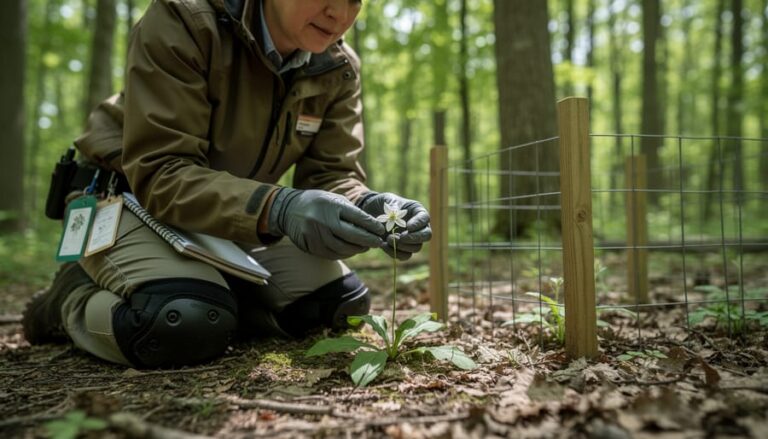
To make the most of these learning opportunities, consider joining local conservation programs or guided nature walks. Many regions offer citizen science projects where visitors can contribute to wildlife monitoring or habitat restoration. It’s a hands-on way to understand environmental challenges and solutions while making a positive impact during your travels.
Becoming an Eco-Conscious Traveler
Smart Travel Practices
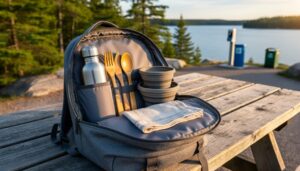
Traveling smarter means traveling greener, and there are countless ways to minimize your carbon footprint while maximizing your learning experience. Start by choosing local destinations when possible – Ontario’s diverse landscapes offer incredible educational opportunities right in our backyard! Pack light and bring reusable items like water bottles, shopping bags, and food containers to reduce waste on the road.
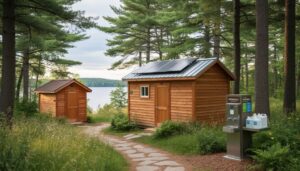
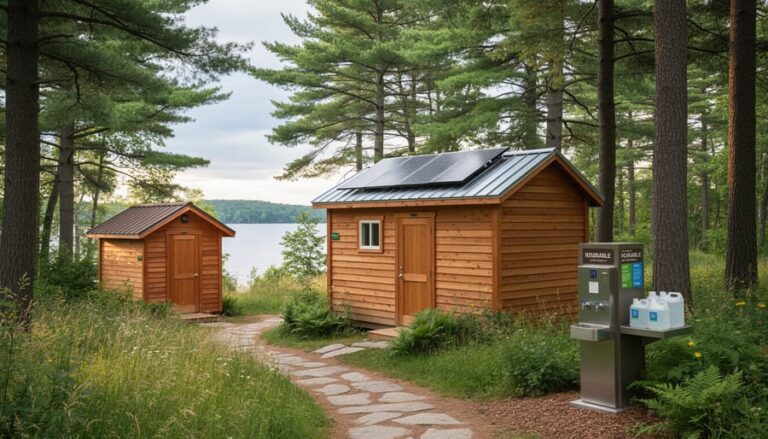
Consider using public transportation or carpooling when exploring new places. If you’re visiting multiple locations, plan your route efficiently to reduce unnecessary driving. When selecting places to stay, look for sustainable accommodation options that prioritize eco-friendly practices. Many lodges and hotels now offer programs to reduce water usage, minimize energy consumption, and support local conservation efforts.
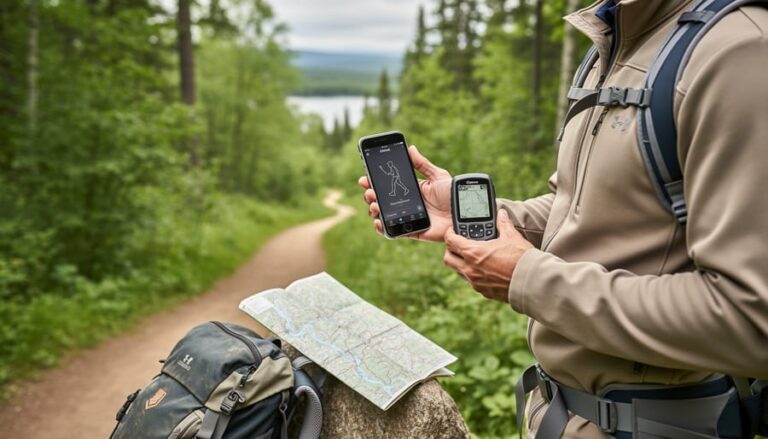
Embrace technology for paperless travel – use digital maps, tickets, and guides instead of printed materials. Support local businesses and communities by purchasing locally-made products and participating in community-led tours. Learn about and respect local environmental regulations, particularly in protected areas and parks. Remember to practice “leave no trace” principles: take only pictures, leave only footprints, and carry out what you carry in.
By making these conscious choices, you’re not just reducing your environmental impact – you’re also learning valuable lessons about sustainable living that you can apply long after your journey ends.

Engaging with Environmental Programs
Ontario’s natural spaces offer incredible opportunities to learn through hands-on environmental programs. From guided nature walks with expert naturalists to interactive wildlife workshops, these educational experiences help visitors develop a deeper understanding of our ecosystems.
Many provincial parks offer seasonal interpreter programs where you can learn about local flora, fauna, and geological formations. In Algonquin Park, for instance, you can join evening wolf howls in August or morning bird walks in spring. These programs are led by passionate naturalists who share fascinating insights about animal behaviors and their roles in the ecosystem.
Conservation areas across the province host special workshops focused on sustainable practices and environmental stewardship. You might learn about butterfly gardens, native plant species, or wildlife tracking. Some locations even offer citizen science programs where visitors can contribute to real research projects by collecting data or monitoring species.
For families with children, many parks provide Junior Naturalist programs that make learning fun through interactive activities, nature crafts, and guided explorations. These programs often include take-home materials and activities that extend the learning experience beyond your visit.
To make the most of these opportunities, check park websites for program schedules and book in advance during peak seasons. Many programs are included with your park admission, while some specialized workshops might have additional fees. Don’t forget to bring a notebook and camera to document your discoveries!
Taking Environmental Lessons Home
One of the most rewarding aspects of travel is bringing home more than just souvenirs – it’s the environmental awareness that sticks with us long after our adventures end. Whether you’ve witnessed the pristine wilderness of Algonquin Park or observed wildlife conservation efforts in action, these experiences can transform your daily habits back home.
Start by incorporating the waste reduction practices you’ve learned while traveling. Remember those reusable water bottles and shopping bags that were so handy on the trail? Make them permanent fixtures in your daily routine. If you’ve stayed at eco-lodges or sustainable accommodations, apply their energy-saving techniques to your own home – from using natural light to installing low-flow showerheads.
The farm-to-table experiences you’ve enjoyed while traveling can inspire more local and seasonal eating habits. Consider starting a small herb garden or joining a community garden program. Those interpretive nature walks you took? Use that knowledge to identify local species in your neighborhood and perhaps create a butterfly-friendly garden.
Most importantly, share your environmental insights with others. Tell stories about the beautiful landscapes you’ve seen and why they’re worth protecting. Organize neighborhood cleanups inspired by the pristine trails you’ve hiked, or start a recycling initiative in your community. Remember, the best souvenir from any journey is the positive change we bring back to our own communities.
Traveling opens our eyes to environmental challenges and solutions across different landscapes, leaving an indelible mark on how we view our role as Earth’s caretakers. Whether it’s witnessing the majesty of old-growth forests in Algonquin Park or observing the delicate balance of wetland ecosystems, these experiences shape our environmental consciousness in ways that classroom learning simply cannot match. The lessons we learn through travel – from sustainable practices in eco-lodges to traditional Indigenous land management techniques – become part of our everyday environmental awareness. By immersing ourselves in nature through travel, we don’t just create memories; we develop a lasting commitment to environmental stewardship that we carry back to our own communities. This transformative education extends far beyond the journey itself, inspiring us to make more sustainable choices and advocate for environmental protection in our daily lives.



+ There are no comments
Add yours