

The Battle of Detroit stands as one of the most surprising military engagements of the War of 1812, where British General Isaac Brock, alongside Indigenous leader Tecumseh, orchestrated a brilliant psychological victory against American forces. Through clever deception and strategic intimidation, they convinced American General William Hull to surrender Detroit without a fight on August 16, 1812, despite commanding a superior force. This bloodless conquest secured British control of Michigan Territory and strengthened vital Indigenous alliances, marking a crucial early turning point in the war.
Today, visitors can explore this fascinating piece of North American history through well-preserved sites on both sides of the Detroit River. From Fort Malden in Amherstburg, Ontario, where British forces launched their advance, to Detroit’s historic fort sites, the battle’s legacy lives on through interactive exhibits, living history demonstrations, and annual reenactments that bring this remarkable story to life for modern audiences.
The Strategic Importance of Detroit in 1812
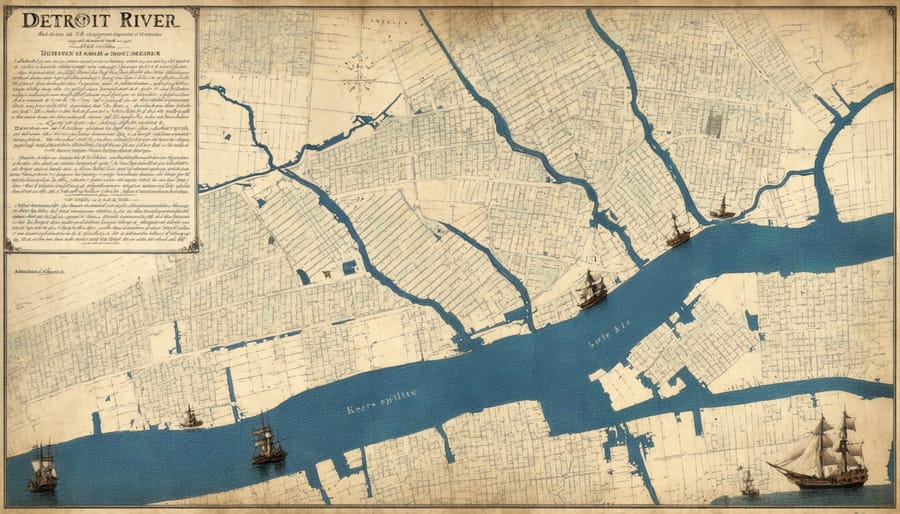
The Detroit River Frontier
The Detroit River, a vital waterway stretching 45 kilometers between Ontario and Michigan, played a crucial role in the War of 1812. This natural boundary served as both a strategic military corridor and a lifeline for trade and transportation. Along its shores, the fertile lands of southwestern Ontario met the developing Michigan Territory, creating a dynamic frontier region that both British and American forces sought to control.
The river’s width, varying from 0.8 to 4 kilometers, made it an ideal defensive position. Its deep channels allowed for the passage of large vessels, while numerous islands and inlets provided natural hiding spots for military operations. The Detroit River frontier was dotted with settlements on both sides, including the growing town of Detroit and the British stronghold at Fort Malden in Amherstburg.
This waterway continues to define the international border today, serving as a reminder of the region’s strategic importance during the conflict.
British-Canadian Defense Network
During the War of 1812, Detroit was part of an interconnected network of British and Canadian defensive positions stretching across Upper Canada (modern-day Ontario). This strategic system included Ontario’s colonial fortifications like Fort Malden in Amherstburg, Fort George at Niagara-on-the-Lake, and York (present-day Toronto). These strongholds maintained vital communication and supply lines, allowing British forces to coordinate their movements effectively.
Fort Malden served as the primary base for British operations leading up to the Battle of Detroit, while smaller outposts along Lake Erie and the Detroit River helped monitor American activities. This defensive network proved crucial during Brock’s campaign, as it enabled rapid deployment of troops and resources from various points across the region. Today, visitors can explore many of these interconnected historic sites, getting a firsthand look at how this impressive military system helped secure British control of Upper Canada during the early days of the war.
Visiting the Battle Sites Today

Key Viewing Points in Ontario
For the best vantage points of this historic battle, head to Windsor’s Dieppe Gardens, which offers a stunning view across the Detroit River to where the British forces positioned themselves. The park features interpretive panels that help visitors visualize the battle’s progression while enjoying the riverfront setting.
Don’t miss Fort Malden National Historic Site in Amherstburg, where British troops and their allies, including those from various Indigenous heritage sites, gathered before the battle. The fort’s commanding position provides excellent views of the river approach that British forces used.
For a unique perspective, take the River Walk at King’s Navy Yard Park, which follows the path where British ships sailed upriver. This peaceful trail offers interpretive signs and benches where you can pause to imagine the naval movements that helped secure victory.
Pro tip: Visit during sunset when the golden light creates perfect photo opportunities of both shores. Consider bringing binoculars to spot historical markers across the river in Detroit, and don’t forget to download the free Parks Canada app for enhanced interpretation of these sites.
Cross-Border Historic Sites
Today, visitors can explore several historic sites that tell the story of the Battle of Detroit on both sides of the Detroit River. In Detroit, the Detroit Historical Museum offers engaging exhibits about the War of 1812, including artifacts from the battle and interactive displays perfect for families. Just a short walk away, you’ll find Campus Martius Park, which sits near the original Fort Lernoult location.
For an authentic experience, hop on the Detroit-Windsor Tunnel Bus and visit Fort Malden National Historic Site in Amherstburg, Ontario. This beautifully preserved fort played a crucial role in General Brock’s invasion strategy. Pack a picnic and spend an afternoon exploring the grounds, watching historical reenactments, or joining guided tours led by knowledgeable interpreters in period costumes.
Insider tip: Visit during one of Fort Malden’s special events, like their annual Military Heritage Days, when the site comes alive with musket demonstrations, military drills, and traditional music. For the best experience, consider purchasing a Parks Canada Discovery Pass, which gives you access to this and other national historic sites throughout the year.
Planning Your Historic Adventure
Best Times to Visit
The best time to visit the Battle of Detroit historic sites is during the summer months of June through August when the weather is ideal for outdoor exploration. August is particularly significant as it commemorates the actual battle date from 1812. Many sites host special events and battle reenactments during this time, offering visitors a more immersive historical experience.
Spring and fall also provide excellent visiting conditions with smaller crowds and comfortable temperatures. Consider planning your visit during Heritage Days in September when local historical societies organize guided tours and educational programs. Winter visits are possible but limited, as some outdoor exhibits and interpretive trails may be less accessible due to weather conditions.
For photography enthusiasts, early morning or late afternoon visits offer the best lighting for capturing the historic buildings and monuments. Remember to check ahead for special commemorative events that typically occur around August 16th, the anniversary of the British victory.

Where to Stay
While exploring the historic Battle of Detroit sites, visitors have several comfortable accommodation options in the area. The Fort Malden National Historic Site offers seasonal camping from May to October, with both traditional tent sites and RV-friendly spots available. These grounds provide an authentic experience, allowing you to wake up right where history happened.
For those preferring indoor comfort, Amherstburg offers several charming bed & breakfasts within walking distance of the fort. The Navy Yard B&B and Gordon House Inn particularly capture the area’s historical atmosphere. In nearby Windsor, you’ll find modern hotels with all amenities, including the Best Western Plus Waterfront Hotel, offering stunning Detroit River views.
Eco-conscious travelers will appreciate the Green Acres Campground, just 15 minutes from the battlefield sites, which features solar-powered shower facilities and implements water conservation practices. For a unique experience, consider booking one of the heritage guest houses in Sandwich Town, Windsor’s oldest neighborhood, where you can stay in beautifully restored 19th-century homes.
Remember to book accommodations well in advance during summer months and festival weekends when historical reenactments draw larger crowds.
Essential Tips for History Enthusiasts
To make the most of your Battle of Detroit exploration, plan your visit during the annual War of 1812 reenactment events, typically held in August. These immersive experiences bring history to life with period-accurate costumes, demonstrations, and engaging storytellers who share fascinating details about the battle.
Download the free Heritage Detroit-Windsor app before your visit to access interactive maps and augmented reality features that overlay historical scenes onto modern locations. When exploring the battlegrounds, follow the historic transport routes to understand how troops moved through the region.
Bring a good pair of walking shoes and a camera – the riverside locations offer stunning photo opportunities of both shores. Visit early morning or late afternoon for the best lighting and smaller crowds. Consider joining a guided tour, as local historians often share lesser-known facts and personal stories that aren’t found in guidebooks.
Don’t forget to pack water and sun protection, as many historical sites have limited shade. For the fullest experience, combine your visit with stops at nearby museums housing artifacts from the battle.
Today, the Battle of Detroit stands as a remarkable testament to our shared history, offering visitors a unique opportunity to step back in time and experience this pivotal moment in the War of 1812. Whether you’re exploring the earthworks at Fort Lernoult, walking the grounds where Hull surrendered, or visiting the various monuments and plaques that dot the Detroit-Windsor waterfront, you’ll gain a deeper appreciation for the events that shaped both nations.
Make sure to visit during the summer months when guided tours are available, and don’t forget to check out the annual War of 1812 reenactments that bring this fascinating history to life. The visitor centers on both sides of the border offer excellent exhibits and knowledgeable staff who can enhance your understanding of this significant battle.
Remember to bring comfortable walking shoes, a camera, and plenty of water as you explore these historic grounds. Consider joining a local historical society or participating in one of the many educational programs offered throughout the year. The Battle of Detroit sites offer not just a glimpse into our past, but a chance to reflect on the enduring peace and friendship between Canada and the United States.













+ There are no comments
Add yours