Indigenous leadership embodies a profound connection between land, community, and ancestral wisdom that has sustained Native peoples for countless generations. Far more than just a management style, it represents a holistic approach to governance that interweaves environmental stewardship, collective decision-making, and spiritual understanding into every choice and action.
In Ontario’s parks and protected areas, traditional Indigenous leadership practices continue to shape conservation efforts and visitor experiences in powerful ways. From the Thunder Bay region’s sacred sites to the Thousand Islands’ historical territories, Indigenous leaders demonstrate how traditional knowledge can address modern challenges while honoring ancient customs.
This unique leadership model emphasizes consensus-building, multi-generational thinking, and deep respect for natural systems. Rather than focusing solely on immediate outcomes, Indigenous leaders consider the impacts of decisions seven generations into the future – a perspective that offers vital lessons for today’s environmental and social challenges.
Whether you’re a park visitor seeking to deepen your understanding of Indigenous cultures or a leader looking to incorporate traditional wisdom into your practice, discovering Indigenous leadership principles opens new pathways to sustainable, community-centered governance that benefits all.
The Seven Grandfather Teachings in Ontario’s Parks
Wisdom and Respect in Nature
In Ontario’s parks, Indigenous wisdom continues to shape how we interact with and protect our natural spaces. Traditional knowledge passed down through generations has proven invaluable in maintaining ecological balance and teaching visitors about sustainable practices.
Take the prescribed burning programs, for instance. These controlled fires, based on centuries-old Indigenous land management techniques, help maintain healthy forest ecosystems and prevent destructive wildfires. You’ll often see interpretive signs explaining how this practice mirrors traditional methods that kept Ontario’s forests thriving long before modern park management existed.
When you visit our parks, you’ll notice how Indigenous teachings influence trail designs and camping guidelines. Many paths follow traditional routes that minimize impact on sensitive areas while maximizing scenic views. Park naturalists often incorporate Indigenous perspectives in their nature talks, sharing stories about medicinal plants and sustainable harvesting practices that have kept these ecosystems healthy for thousands of years.
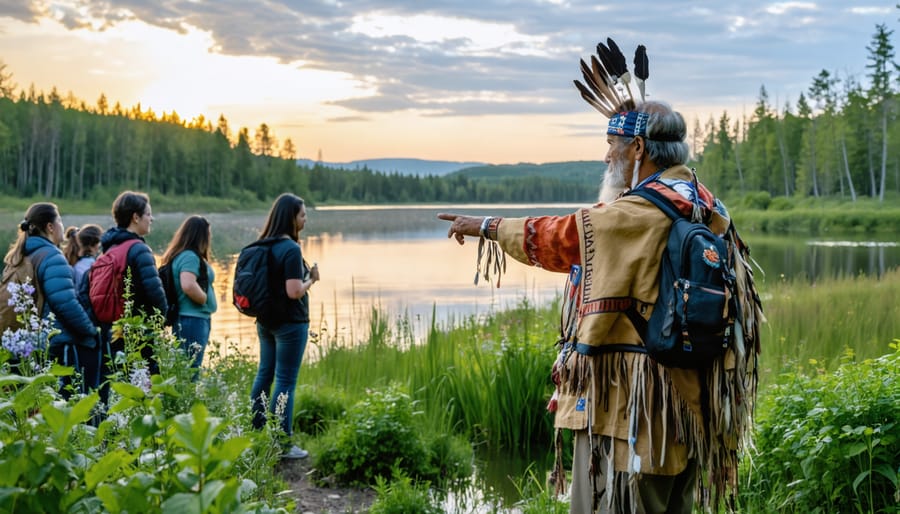
Want to experience this wisdom firsthand? Join a guided walk with Indigenous knowledge keepers, who share insights about reading weather patterns, identifying edible plants, and understanding animal behaviors. These experiences not only enrich your visit but help preserve vital cultural knowledge for future generations. Remember to approach these learning opportunities with respect and an open mind – you’re not just a visitor, but a student of time-tested environmental stewardship.
Honesty and Humility in Land Stewardship
Indigenous leaders have long demonstrated that effective land stewardship begins with a deep sense of humility and honest recognition of our relationship with nature. Their traditional approaches to environmental protection teach us that we’re not separate from the natural world, but an integral part of it.
When visiting Ontario’s parks, you’ll notice how Indigenous knowledge emphasizes taking only what’s needed and ensuring resources remain abundant for future generations. This wisdom is reflected in practices like selective harvesting, seasonal rotations, and the sacred responsibility of maintaining ecological balance.
What’s particularly striking is how Indigenous leaders approach conservation with both practical knowledge and spiritual reverence. They remind us that being a good steward means listening to the land first – observing natural cycles, understanding wildlife patterns, and respecting the delicate relationships between different species.
This humble approach has proven remarkably effective. In areas where Indigenous leadership guides conservation efforts, biodiversity often thrives. Their success comes from combining centuries-old wisdom with a genuine respect for nature’s complexity. Rather than trying to control the environment, they work in harmony with natural processes.
For visitors, this offers valuable lessons in how we can all become better stewards of the land. Consider taking a moment to observe quietly, learn from local Indigenous guides, and approach your outdoor adventures with respect and gratitude.
Indigenous-Led Experiences in Ontario Parks
Guided Cultural Trails
Experience the ancient wisdom of Indigenous peoples through guided cultural trails, where traditional knowledge keepers share stories that have been passed down through generations. These interpretive hiking experiences offer visitors a unique opportunity to learn about the land through an Indigenous lens, combining physical activity with deep cultural understanding.
Along these carefully curated paths, Indigenous guides demonstrate how their ancestors read the landscape, identifying medicinal plants, explaining traditional hunting and gathering practices, and sharing the spiritual significance of natural landmarks. Each step becomes a lesson in environmental stewardship and sustainable living practices that have preserved these territories for thousands of years.
Visitors can expect to learn about traditional wayfinding techniques, seasonal harvest cycles, and the intricate relationship between Indigenous communities and the natural world. Many trails feature stopping points where guides share creation stories, explain the significance of sacred sites, and demonstrate traditional skills like fire-starting or identifying edible plants.
These guided experiences typically last between 2-3 hours and are suitable for most fitness levels. Small group sizes ensure personal interaction with guides and create opportunities for meaningful dialogue. Remember to wear comfortable walking shoes, bring water, and dress for the weather. It’s customary to offer tobacco as a sign of respect when receiving teachings, and your guide can explain this practice’s significance.
For the most enriching experience, come with an open mind and plenty of questions. These trails aren’t just walks in the woods – they’re doorways to understanding Indigenous perspectives on leadership, community, and our shared responsibility to protect the natural world for future generations.
Pro tip: Book these experiences well in advance, as they often fill up quickly, especially during peak summer months.


Seasonal Ceremonies and Celebrations
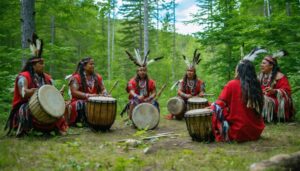
Throughout the year, Indigenous communities in Ontario’s parks honor their deep connection to the land through traditional ceremonies and celebrations. These sacred gatherings mark important seasonal transitions and provide opportunities for cultural learning and community building.
Spring welcomes the Maple Syrup Moon ceremonies, celebrating the first harvest of the year. Visitors can often participate in guided maple syrup demonstrations, learning about sustainable harvesting practices passed down through generations. Summer brings the vibrant Strawberry Moon festivities, where communities gather to give thanks for the season’s abundance.
Fall ceremonies honor the harvest season, with many parks offering guided medicine walks led by Indigenous Knowledge Keepers. These experiences teach visitors about traditional plant uses while emphasizing the importance of responsible foraging and environmental stewardship.
When attending these ceremonies, remember that you’re being invited into sacred spaces. Always follow these essential guidelines:
– Wait for explicit invitations to participate
– Listen carefully to ceremonial protocols
– Dress modestly and appropriately
– Ask permission before taking photos
– Bring a small offering of tobacco when meeting Knowledge Keepers
Many parks now offer seasonal programming where visitors can respectfully learn about and experience these traditions firsthand. Check with park visitor centers for upcoming events and proper participation etiquette. By approaching these ceremonies with respect and openness, you’ll gain deeper insights into Indigenous leadership and their vital role in protecting Ontario’s natural spaces.
Modern Conservation Through Traditional Eyes
Traditional Ecological Knowledge
In Ontario’s parks, Traditional Ecological Knowledge plays a vital role in modern conservation efforts. This ancient wisdom, passed down through generations of Indigenous peoples, offers invaluable insights into sustainable land management and wildlife protection.
Indigenous leaders work closely with park managers to incorporate time-tested practices that have maintained ecological balance for thousands of years. For example, in Algonquin Provincial Park, traditional fire management techniques are being revived to promote forest health and biodiversity. These controlled burns, guided by Indigenous knowledge, help create vital habitats for native species while preventing destructive wildfires.
When you visit Ontario’s parks, you might notice interpretive signs sharing stories of how Indigenous communities historically managed maple sugar bushes, maintained medicinal plant gardens, and stewarded fish populations. These practices continue to influence current park management strategies, creating a beautiful blend of ancient wisdom and modern science.
One fascinating example is the wild rice restoration projects in several Ontario parks, where Indigenous leaders share their expertise about harvesting times, water levels, and ecosystem relationships. This knowledge helps protect not just the wild rice, but also the countless species that depend on these aquatic environments.
As visitors, we can learn valuable lessons from this approach to land stewardship. Indigenous leaders teach us to see parks not as separate pieces of wilderness, but as interconnected systems where every plant, animal, and natural process plays a crucial role. This holistic perspective helps us understand why certain trails might be closed during specific seasons or why some areas are designated as sacred spaces.
For those interested in experiencing this knowledge firsthand, many parks offer guided walks led by Indigenous knowledge keepers. These experiences provide unique insights into reading weather patterns, identifying medicinal plants, and understanding the delicate balance of park ecosystems. Remember to approach these learning opportunities with respect and an open mind – you’ll be amazed at how this ancient wisdom continues to shape our understanding of nature conservation today.
Collaborative Governance Models
Ontario’s parks showcase remarkable examples of collaborative governance between provincial authorities and Indigenous communities, creating a rich tapestry of shared stewardship that benefits both the land and its visitors. One inspiring partnership can be found in Killarney Provincial Park, where the Wikwemikong First Nation works alongside park staff to integrate traditional knowledge into conservation practices and visitor education programs.
At Petroglyphs Provincial Park, the Curve Lake First Nation plays a vital role in protecting and interpreting the ancient rock carvings, sharing their deep cultural connections with visitors through guided experiences and educational programs. This partnership ensures that sacred sites are preserved while allowing respectful public access to these incredible pieces of history.
The Algonquin Provincial Park partnership with several Algonquin communities demonstrates how traditional ecological knowledge enhances modern park management. Indigenous guides offer unique perspectives on wildlife patterns, medicinal plants, and sustainable harvesting practices that have been passed down through generations.
These collaborative approaches extend beyond day-to-day operations. Many parks now feature Indigenous Advisory Circles that help shape policy decisions, program development, and long-term planning strategies. For instance, Lake Superior Provincial Park works closely with local First Nations to develop interpretive programs that accurately represent their history and ongoing relationship with the land.
Visitors can experience these partnerships firsthand through various programs:
– Indigenous-led hiking tours
– Traditional craft workshops
– Seasonal harvesting demonstrations
– Cultural storytelling events
– Joint conservation initiatives
These collaborative models not only enhance park management but also provide visitors with authentic, meaningful ways to connect with Indigenous culture and traditional knowledge. By participating in these programs, visitors gain a deeper understanding of the land’s history and the importance of preserving both natural and cultural heritage for future generations.
For those planning a visit, many parks now offer seasonal calendars highlighting Indigenous-led activities and events, allowing you to plan your trip around these unique cultural experiences.

As we wrap up our journey through Ontario’s parks, it’s crucial to recognize that these lands have been stewarded by Indigenous peoples for countless generations. Their leadership traditions and deep connection to the natural world offer invaluable lessons for all visitors. When exploring these spaces, take time to learn about the traditional territories you’re visiting and the Indigenous communities who call these lands home.
Remember that Indigenous leadership isn’t just about historical practices – it’s very much alive today, with many parks actively collaborating with Indigenous communities in their management and programming. By participating in Indigenous-led programs, reading interpretive signs, and respecting sacred sites, you’re not just being a responsible visitor; you’re also enriching your own understanding of these remarkable landscapes.
Consider starting your visit at a park’s cultural center or speaking with Indigenous interpreters when available. Their insights can transform your experience from a simple outdoor adventure into a deeper appreciation of the land’s cultural significance. Always follow posted guidelines about sacred sites and cultural areas, and remember that your respectful engagement helps preserve these traditions for future generations.
By embracing Indigenous perspectives on leadership and land stewardship, we can all become better caretakers of Ontario’s natural spaces while honoring the wisdom of those who have protected these lands since time immemorial.









+ There are no comments
Add yours