

Witness one of nature’s most spectacular phenomena as thousands of majestic birds paint Ontario’s skies during their annual migration. From the towering Great Blue Herons to the graceful Sandhill Cranes, these magnificent creatures transform our airspace into living highways, following ancient pathways that have guided their species for millennia.
Each spring and fall, Ontario becomes center stage for this remarkable journey, with key migration corridors stretching from Point Pelee National Park to the shores of James Bay. Tundra Swans, with their impressive six-foot wingspans, soar alongside eagles and hawks, while Canada Geese form their iconic V-formations overhead. These mass movements represent one of North America’s most significant natural events, with millions of birds passing through our province.
This natural spectacle isn’t just about numbers – it’s about survival, instinct, and the incredible resilience of these remarkable travelers. Whether you’re an experienced birder or simply nature-curious, watching these large birds navigate their way across vast distances offers a profound connection to the rhythms of our natural world. Their journey tells a story of determination, offering us a glimpse into one of nature’s most enduring mysteries.
Major Large Bird Species Taking Flight
Majestic Waterfowl
Ontario’s skies come alive each spring and fall with the graceful movements of our largest waterfowl. Understanding Canadian geese migration patterns can help you witness one of nature’s most awe-inspiring displays, as V-formations of these magnificent birds stretch across the horizon.
Tundra swans, with their pristine white feathers and impressive wingspan, make their way through the province during March and April, often stopping at traditional staging areas like Long Point and Lake St. Clair. These graceful giants travel in family groups, teaching their young the ancient pathways their ancestors have followed for generations.
Our lakes and marshes also welcome countless ducks, from the striking wood duck to the northern pintail. The best time to spot these colorful visitors is during dawn and dusk when they’re most active. Pro tip: bring binoculars and stay downwind to avoid alerting these keen-sensed birds to your presence.
For an eco-friendly viewing experience, stick to designated observation platforms and blinds at provincial parks and wildlife areas. These structures help minimize disturbance to these magnificent birds while offering you the perfect vantage point for photography and observation.

Soaring Raptors
Ontario’s skies come alive during migration season as majestic birds of prey take to the thermals, creating one of nature’s most spectacular shows. Red-tailed hawks, broad-winged hawks, and turkey vultures soar in impressive numbers, often forming “kettles” – giant spiral formations that can include hundreds of birds riding warm air currents.
Hawk Cliff, near Port Stanley, offers prime viewing opportunities where you might spot sharp-shinned hawks and Cooper’s hawks darting through the air. The Niagara Escarpment serves as a natural highway for these magnificent raptors, with Beamer Memorial Conservation Area in Grimsby being a particularly excellent observation point.
Golden eagles, though less common, make appearances during peak migration periods, usually between late March and mid-April. For the best viewing experience, bring binoculars and visit during mid-morning when thermal currents begin developing. Remember to dress in layers and pack snacks – raptor watching requires patience, but the reward of seeing these powerful hunters glide overhead makes it all worthwhile.
Pro tip: Visit during September and October when southbound migrations are at their peak, and you might catch sight of dozens of species in a single day.
Prime Viewing Locations Across Ontario
Long Point and Point Pelee
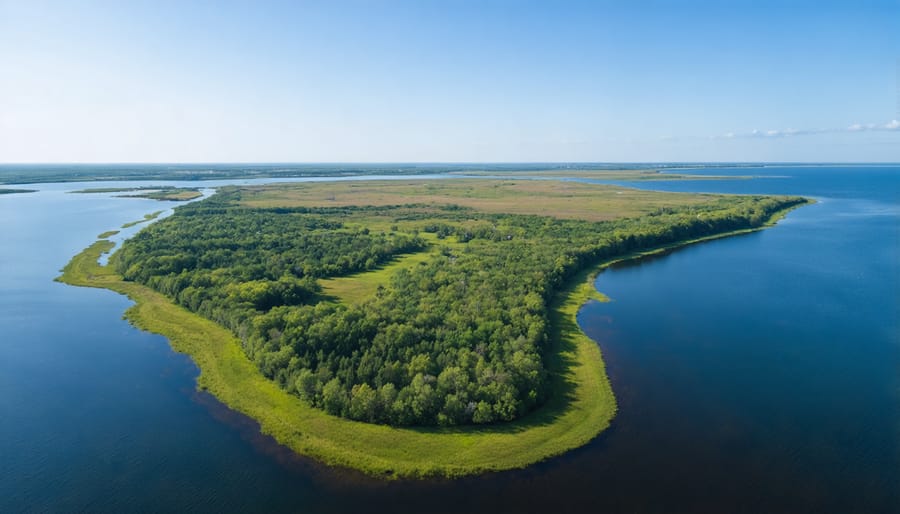
Long Point and Point Pelee stand as nature’s grand gateways for migrating birds in Ontario, serving as crucial rest stops for thousands of weary travelers on their epic journeys. These peninsulas, jutting out into Lake Erie, create perfect landing strips for birds making their way across the Great Lakes.
Long Point, stretching 40 kilometers into Lake Erie, acts like a natural funnel, concentrating birds into a relatively small area. Here, you’ll find everything from majestic Tundra Swans to impressive flocks of Blue Herons gathering their strength before continuing their journey. The Long Point Bird Observatory, one of North America’s oldest bird research stations, offers visitors a chance to witness bird banding and learn about migration patterns up close.
Point Pelee, the southernmost tip of mainland Canada, is equally spectacular during migration seasons. In spring, typically from March to May, the point comes alive with dozens of bird species. Large raptors like Red-tailed Hawks and Turkey Vultures can often be seen riding the thermals above the point, while Great Blue Herons wade in the marshes below.
Pro tip: Visit these locations during early morning hours when birds are most active. Pack binoculars, wear earth-toned clothing, and maintain a respectful distance from the birds. Both locations offer excellent boardwalks and viewing platforms that help minimize human impact while maximizing your bird-watching experience.
Niagara Escarpment Hotspots
The Niagara Escarpment offers some of Ontario’s most spectacular hawk watching locations, with several prime viewing spots that attract both casual observers and dedicated birders. Beamer Memorial Conservation Area in Grimsby stands out as a premier destination, featuring a dedicated viewing platform where you can spot thousands of hawks, eagles, and vultures during peak migration periods.
For an unforgettable experience, visit the Hawk Cliff viewing area near Port Stanley. This natural wonder provides sweeping views of Lake Erie and hosts an annual hawk festival in September. Bring your binoculars and join the local enthusiasts who gather here to witness the magnificent spectacle of raptors riding the thermal currents along the escarpment.
Don’t miss the Rattlesnake Point Conservation Area in Milton, where multiple lookouts offer different vantage points for spotting migrating birds. The Buffalo Crag Lookout is particularly popular among photographers and birders, providing clear views of turkey vultures, red-tailed hawks, and the occasional golden eagle.
Insider tip: Visit these locations during mid-morning on sunny days when thermal currents are strongest, bringing birds closer to viewing platforms. Pack a lightweight folding chair, snacks, and plenty of water – you might find yourself spending hours mesmerized by the soaring raptors. For the best experience, join one of the many guided hawk watches organized by local conservation authorities during peak migration seasons.
Eastern Ontario Wetlands
Eastern Ontario’s wetlands serve as crucial pit stops for thousands of migrating waterfowl, creating spectacular viewing opportunities for nature enthusiasts. The region’s most impressive wetland systems stretch from the Ottawa River Valley to the shores of Lake Ontario, offering diverse habitats that support everything from massive Tundra Swans to elegant Great Blue Herons.
Presqu’ile Provincial Park stands out as a premier destination, particularly during spring migration when tens of thousands of waterfowl gather in its protected marshes. Time your visit for late March to early April to witness the peak of duck and geese movements. For the best experience, arrive at dawn when the morning light illuminates the marsh and birds are most active.
The extensive wetlands of the Bay of Quinte region provide excellent Lake Ontario wildlife viewing opportunities, especially at Big Island and Sawguin Creek marshes. Here, patient observers can spot Wood Ducks, Black Terns, and occasionally even the elusive American Bittern.
Pro tip: Pack a good pair of waterproof boots and bring binoculars with at least 8x magnification. Many wetland viewing platforms are accessible via boardwalks, but some of the best spots require light hiking through damp terrain. Remember to maintain a respectful distance from wildlife and avoid disturbing nesting areas during breeding season.
Seasonal Migration Timeline
Spring Migration (March-May)
As winter’s grip loosens and temperatures begin to rise, Ontario’s skies come alive with the spectacular spring migration. This grand natural phenomenon typically begins in early March with the arrival of the first Red-tailed Hawks and Turkey Vultures, marking the end of winter wildlife observation season.
By mid-March, the early waves of Sandhill Cranes and Great Blue Herons make their appearance, filling the air with their distinctive calls. April brings the peak of waterfowl migration, with thousands of Tundra Swans, Canada Geese, and various duck species creating impressive V-formations across the sky.
The most dramatic period occurs from late April through mid-May when the largest raptors, including Broad-winged Hawks and Ospreys, return to their breeding grounds. These magnificent birds often ride thermal currents, creating spectacular “kettles” – swirling groups of dozens or even hundreds of birds spiraling upward on warm air currents.
Timing your visit during clear days with south winds offers the best viewing opportunities, as these conditions are ideal for migration. Early morning hours, particularly between 8 AM and 11 AM, typically provide the most active migration periods. Keep in mind that weather patterns can influence migration timing, with birds often arriving earlier during warmer springs and later in cooler years.
Fall Migration (August-November)
As summer winds down, Ontario’s skies come alive with the magnificent spectacle of fall migration. Starting in mid-August, the first waves of large birds begin their southward journey, with the peak movement occurring throughout September and October. This natural phenomenon continues into early November, though timing can vary depending on weather patterns and species.
Sandhill cranes are among the earliest to depart, gathering in impressive numbers at coastal marshes and wetlands. By September, you’ll witness the awe-inspiring V-formations of Canada geese and the graceful soaring of turkey vultures riding thermal currents southward. Great blue herons and egrets typically begin their journey in late September, while hawks and eagles peak in October.
The fall migration follows what’s known as the “sunset direction” – birds generally travel from northeast to southwest across Ontario. This pattern takes advantage of familiar landforms and waterways that serve as natural navigation guides. Lake Erie and Lake Ontario’s shorelines become particularly busy corridors, as birds follow these waterways while conserving energy during their long journey.
Eco-friendly tip: Consider joining a community science project to help track migration patterns. Many local conservation areas welcome volunteer bird counters during this busy season, and your observations can contribute to important research while giving you a front-row seat to this remarkable natural event.
Tips for the Perfect Migration Viewing Experience
What to Bring
To make the most of your bird migration watching experience, pack these essential items for a comfortable and rewarding day in nature. A good pair of binoculars is your most important tool – look for ones with at least 8×42 magnification for the best viewing of distant birds. Don’t forget your camera with a zoom lens to capture those memorable moments!
Dress in layers, as early mornings can be chilly even in warmer months. Earth-toned clothing helps you blend in with the environment, and comfortable waterproof hiking boots are a must for navigating varied terrain. Pack a lightweight camping chair or blanket for extended viewing sessions.
Bring a field guide or download a reliable bird identification app to help you identify different species. A small notebook and pen are great for recording your sightings and taking notes. Don’t forget to pack plenty of water, high-energy snacks, and sun protection (hat, sunscreen, and sunglasses).
For the eco-conscious observer, bring reusable containers for snacks and a refillable water bottle. A small first-aid kit and bug spray are also wise additions to your pack. Pro tip: pack your gear the night before – you don’t want to miss those crucial early morning hours when birds are most active!

Viewing Etiquette and Conservation
Witnessing bird migration is a privilege that comes with responsibility. To ensure these magnificent creatures continue their ancient journeys for generations to come, it’s essential to follow proper wildlife watching guidelines and practice responsible viewing habits.
Keep your distance and avoid disturbing resting birds – they need to conserve energy for their long journeys. Using binoculars or spotting scopes allows you to observe without getting too close. If birds appear agitated or begin to take flight, you’re too close and should slowly back away.
Stay on marked trails and viewing platforms to protect sensitive habitat areas. Many migrating birds rely on specific staging grounds for rest and refueling – trampling through these areas can damage crucial food sources and nesting sites.
Consider joining a guided tour or local birding group. Not only will you learn from experienced naturalists, but you’ll also help support conservation efforts through program fees. Many viewing locations offer educational programs that contribute to bird protection initiatives.
Timing is everything – plan your visits for early morning or late afternoon when birds are most active, but avoid approaching roosting areas at night. Keep voices low, silence your phone, and wear muted colors to minimize disturbance.
Document your observations through photography or note-taking, but never use recordings or artificial calls to attract birds. This can disorient them and disrupt their natural behaviors. Share your findings with local conservation groups – your observations help track migration patterns and population health.
Remember to pack out what you pack in and consider supporting local conservation organizations that protect these crucial migration corridors. Together, we can ensure these magnificent birds continue their impressive journeys for years to come.
Ontario offers you a front-row seat to one of nature’s most awe-inspiring performances. Whether you’re watching thousands of tundra swans glide across Lake Erie’s surface, witnessing the graceful dance of sandhill cranes in northern wetlands, or marveling at the V-formations of Canada geese cutting through the autumn sky, these migration spectacles create unforgettable memories. By timing your visits to coincide with these seasonal movements and choosing from our province’s many premier birding locations, you can experience these magnificent journeys firsthand. Remember to bring your binoculars, pack your patience, and embrace the quiet moments – you never know when you’ll witness something truly extraordinary. Our feathered friends have been following these ancient pathways for countless generations, and we’re incredibly fortunate to share in their remarkable journey right here in Ontario.












+ There are no comments
Add yours