
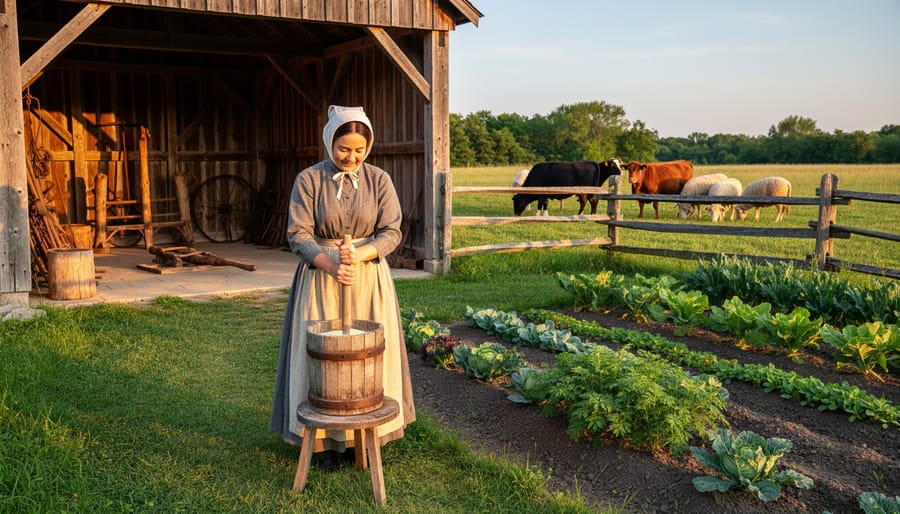
Step inside a working barn from the 1850s where heritage breeds still roam the pastures, children gather fresh eggs from authentic henhouses, and costumed interpreters demonstrate butter-churning techniques your great-great-grandparents would recognize. Ontario’s historic farms aren’t dusty museums – they’re living, breathing time capsules where you can touch history, taste heritage crops, and experience authentic agricultural life from generations past.
These remarkable sites preserve more than just buildings and artifacts. They safeguard traditional farming methods, heritage livestock breeds, and heirloom plant varieties that would otherwise disappear from our landscape. When you visit, you’re not just observing history – you’re participating in it, whether you’re helping to card wool, learning to operate a vintage apple press, or discovering how families survived harsh winters with nothing but root cellars and resourcefulness.
Planning a visit to historic farms offers something for every traveler. Families discover hands-on activities that transform kids into eager learners, couples find peaceful countryside escapes with farmers’ markets featuring heritage produce, and photographers capture stunning scenes of century-old barns framed by seasonal landscapes. These destinations complement other Ontario’s heritage sites perfectly, creating rich cultural itineraries across the province.
From May to October, these farms come alive with seasonal programming – maple syrup festivals in spring, heritage harvest celebrations in fall, and Christmas by candlelight in December. Most sites offer affordable admission, picnic areas, and accessible trails through heritage gardens and woodlots. Pack your curiosity, comfortable shoes, and a willingness to get your hands a little dirty – you’re about to discover why Ontario’s agricultural heritage captivates visitors year after year.
Why Ontario’s Historic Farms Are Worth Your Time
More Than Just Old Buildings
Unlike typical historic buildings you might peek into behind velvet ropes, Ontario’s heritage farms are living, breathing experiences where the past comes vibrantly to life. These working farms still practice agriculture the old-fashioned way, giving you a genuine glimpse into how your great-grandparents might have lived.
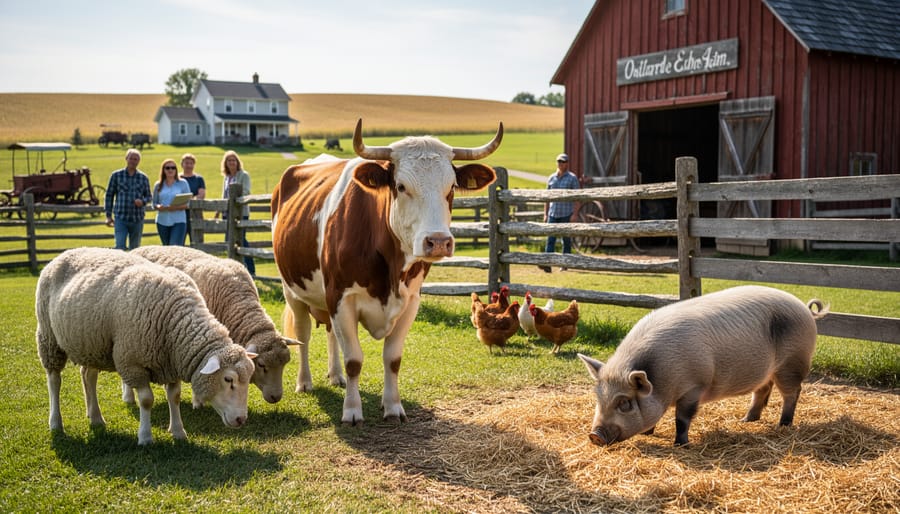
You’ll encounter heritage breed animals that nearly disappeared from modern farming—shaggy Highland cattle, spotted Jacob sheep, and chunky Berkshire pigs that look nothing like today’s commercial breeds. Many farms grow heirloom vegetables too, including colorful tomato varieties and quirky squash you won’t find in any grocery store.
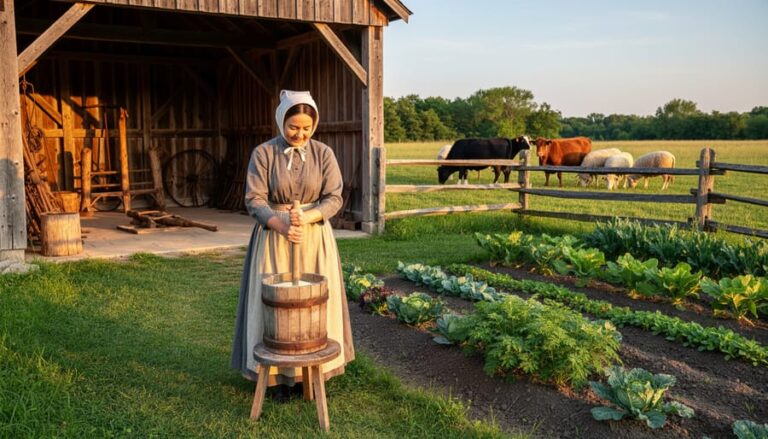
The real magic happens when you can actually participate. Try your hand at butter churning, watch blacksmiths shape horseshoes over roaring forges, or help collect eggs from free-roaming chickens. Kids especially love learning traditional skills like rope-making or grinding wheat into flour using century-old equipment.
Insider tip: Visit during planting or harvest seasons for the most hands-on activities. These farms often need volunteer help, and some offer workshops where you can learn heritage skills to try at home. It’s sustainable tourism at its finest—preserving agricultural knowledge while connecting you directly to where food really comes from.
Perfect for Every Season
One of the best things about visiting historic farms? There’s truly something special happening every season! In spring, you’ll witness the excitement of planting season—many farms welcome visitors to help sow heritage seeds and meet adorable newborn animals taking their first wobbly steps. It’s a magical time that connects you to centuries-old agricultural rhythms.
Summer brings bustling harvest festivals where you can pick your own berries, learn traditional food preservation techniques, and enjoy outdoor demonstrations of heritage crafts. The kids will love hands-on activities like butter churning and hay wagon rides through sun-drenched fields.
Fall transforms these farms into wonderlands of autumn celebration. Think pumpkin patches, corn mazes designed around historical themes, and apple cider pressing using antique equipment. The cooler weather makes it perfect for exploring barn museums and enjoying hearty farm-to-table meals.
Winter might surprise you with cozy workshops in blacksmithing, wool spinning, and traditional woodworking. Some farms host lantern-lit evening tours and festive celebrations that showcase how farming families celebrated the quieter season. Insider tip: winter visits mean smaller crowds and more personal interactions with knowledgeable staff who have extra time to share fascinating stories about farm life through the generations.
Top Historic Farm Experiences Across Ontario
Black Creek Pioneer Village (Toronto Region)
Step into the 1860s at Black Creek Pioneer Village, where 40 heritage buildings bring rural Ontario life to vivid reality. Located in northwest Toronto, this living history museum offers one of the most immersive farm experiences in the province. You’ll find costumed interpreters demonstrating daily tasks like sheep shearing, butter churning, and blacksmithing – and here’s the best part: kids can roll up their sleeves and help.
The working farm showcases heritage breeds including Dorset sheep and Clydesdales that actually pull wagons and work the fields. Watch the miller grind grain at the water-powered mill, then taste freshly baked bread from the village baker’s wood-fired oven. The aroma alone is worth the admission.
Insider tip: Visit on weekday mornings during spring or fall for smaller crowds and more one-on-one interaction with interpreters. The animals are most active in cooler weather too. Don’t miss the heritage vegetable garden behind the Burwick House – it’s a hidden gem where you’ll discover heirloom varieties our ancestors relied upon.
Seasonal events add extra magic throughout the year. The Harvest Festival in October features cider pressing and corn husking competitions, while December’s Lamplight Evening transforms the village into a candlelit wonderland. Pack a picnic to enjoy by Stong’s Pond, where the whole family can decompress between building tours. This spot beautifully combines education with genuine hands-on fun.
Upper Canada Village (Eastern Ontario)
Step back in time to the 1860s at Upper Canada Village, where nearly 40 heritage buildings recreate life along the St. Lawrence River before Confederation. This living history museum near Morrisburg isn’t just about admiring old structures—it’s about experiencing authentic farm life as our ancestors knew it.
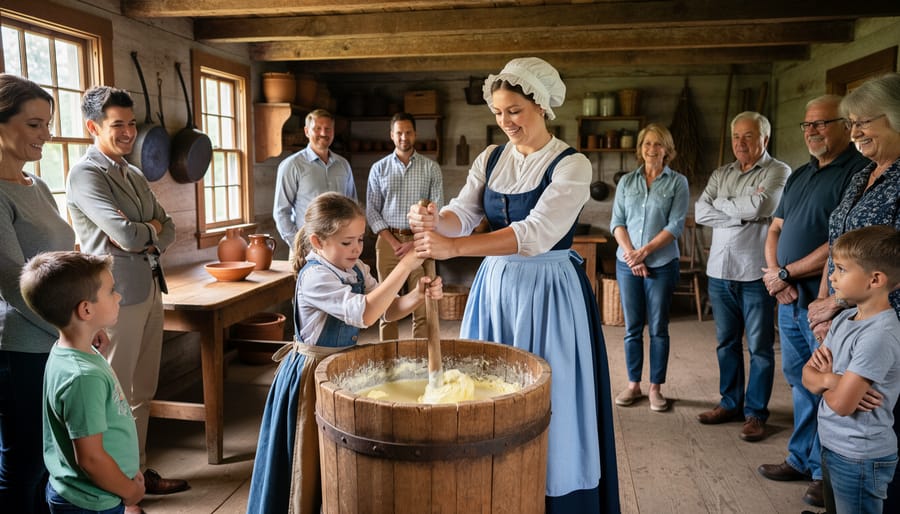
The agricultural heart of the village beats strongest at the working farms, where costumed interpreters demonstrate traditional farming methods using period-appropriate tools. You’ll watch oxen plowing fields, witness sheep shearing demonstrations, and learn how butter was churned by hand. The heritage livestock here are special—rare breeds like Shorthorn cattle and Leicester Longwool sheep that were common in 19th-century Ontario but are now endangered. Kids absolutely love meeting these gentle animals and discovering how different farming was without modern machinery.
My insider tip: Visit during harvest season in September when the fields come alive with grain threshing and apple pressing demonstrations. The whole village smells incredible, and you can taste fresh-pressed cider made the old-fashioned way.
For eco-friendly visiting, arrive by bicycle along the scenic Waterfront Trail, which runs right past the village. Pack a zero-waste picnic to enjoy by the canal, and bring reusable water bottles—refill stations are available throughout the grounds. The village operates seasonally from mid-May through October, so plan accordingly and check their website before heading out.
Westfield Heritage Village (Hamilton Region)
Nestled in the rolling hills near Rockton, Westfield Heritage Village offers one of Ontario’s most immersive historic farming experiences. This sprawling 324-acre site brings together 33 heritage buildings relocated from across Southern Ontario, creating an authentic 19th-century village complete with working farms where you can truly step back in time.
What makes Westfield special is how hands-on everything feels. Watch blacksmiths hammer away at their forges, see heritage breeds grazing in the pastures, and chat with costumed interpreters who demonstrate traditional farming techniques. The village hosts fantastic seasonal events throughout the year – from maple syrup festivals in spring to harvest celebrations in fall – that make each visit unique.
Here’s an insider tip: if you’re into camping, Westfield offers overnight stays right on the property. Imagine waking up to roosters crowing and exploring the village before the daytime crowds arrive! The site has strong connections to Scouting groups, making it perfect for youth organizations seeking educational outdoor experiences.
Families love the combination of history and nature here. Kids can pet farm animals, explore wooded trails, and participate in heritage crafts. The village strikes that sweet spot between educational and entertaining, so nobody feels like they’re just dragging through a history lesson. Pack a picnic and plan to spend the whole day – there’s genuinely enough to see and do to fill your visit with memorable moments.
Doon Heritage Village (Waterloo Region)
Step into the early 20th century at Doon Heritage Village, where Ontario farming takes a fascinating turn into the industrial age. Unlike the pioneer-era farms elsewhere in the province, this reconstructed 1914 village showcases how agriculture was transforming with new technologies and urban influences. Walking through the working farm here feels like visiting your great-grandparents’ homestead, complete with heritage breeds of livestock and costumed interpreters demonstrating farming techniques from just over a century ago.
I’ll never forget watching the blacksmith repair an old plow while explaining how machinery was beginning to revolutionize farm work, even as horses still powered most operations. The village’s position along the Grand River adds to its charm, and kids especially love the hands-on activities like churning butter or feeding the chickens.
Insider tip: Visit during the fall harvest festival when you can help with apple pressing and grain threshing demonstrations. The village gets wonderfully busy but maintains an authentic atmosphere that makes the experience memorable. Pack a picnic to enjoy by the river afterward, taking advantage of the surrounding trails. The site beautifully illustrates Ontario’s agricultural evolution beyond the pioneer days, showing how farming communities adapted to the modern era while maintaining traditional values. It’s perfect for families wanting an interactive historical experience that goes beyond looking at artifacts behind glass.
Pickering Museum Village
Step back in time at Pickering Museum Village, where a delightful collection of over 20 heritage buildings brings 19th-century rural Ontario to life. Located just east of Toronto in Ajax, this living history museum isn’t your typical look-but-don’t-touch experience. Kids can actually pet the farm animals, watch blacksmiths hammer hot iron, and even try their hand at old-fashioned crafts.
The working heritage farm is the heart of the village, where seasonal activities change with the rhythms of rural life. During spring, you might catch baby lambs wobbling on new legs, while autumn brings harvest demonstrations and apple pressing. The summer months are perfect for exploring the entire site, including the general store, church, and one-room schoolhouse.
Here’s an insider tip: visit during one of their special event weekends when costumed interpreters really bring history alive. The Harvest Festival in September is particularly magical, with wagon rides, heritage food demonstrations, and children’s games from the 1800s.
For the best experience, wear comfortable walking shoes since the village grounds are extensive. The site operates seasonally from Victoria Day through October, so plan accordingly. Admission is very family-friendly, making this an affordable day trip that combines education with genuine fun. Pack a picnic to enjoy in the surrounding green space for an eco-friendly, budget-conscious outing.
What to Expect When You Visit

Dress for the Farm
Leave the heels and fancy clothes at home—historic farms are working landscapes where comfort trumps style every time. Your feet will thank you for wearing sturdy, closed-toe shoes with good grip, especially after morning dew or a light rain turns pathways into slippery terrain. I learned this the hard way wearing canvas sneakers that spent the rest of the day squelching!
Layering is your best friend since Ontario weather loves to surprise us. A light jacket you can tie around your waist works perfectly when the afternoon sun breaks through those morning clouds. Think practical fabrics that can handle a bit of dirt or barn dust—these heritage sites are authentic experiences, complete with mud puddles and curious chickens. Jeans or casual pants protect your legs better than shorts when you’re leaning against wooden fences or exploring rustic barns. Don’t forget a hat for sun protection during summer visits, and consider bringing an extra pair of socks in your car, just in case those puddles prove irresistible to younger explorers.
Kid-Friendly Activities to Look For
Kids absolutely light up at historic farms, and the secret is finding sites that let them get hands-on with history. Look for farms offering animal feeding experiences—there’s nothing quite like watching your little one’s face when a friendly goat nibbles grain from their palm or chickens gather around their feet. Many farms provide supervised feeding times where children can safely interact with heritage breed animals.
Butter churning stations are surprisingly popular with kids. They love the rhythmic motion and feel like real pioneers when they see cream transform into actual butter they can taste on fresh bread. Wagon rides pulled by draft horses offer a gentle adventure that even toddlers enjoy, giving everyone a break while soaking up the scenery.
Smart farms create scavenger hunts with period-appropriate items to find, turning the whole property into a treasure map adventure. This keeps restless explorers engaged while sneaking in learning moments.
Insider tip: Visit during hands-on craft workshops where kids can try rope making, corn husk doll crafting, or candle dipping. These tactile activities work wonders for different age groups and create memorable takeaways.
Pack snacks and water—hungry kids lose interest quickly. Many farms have picnic areas where families can regroup between activities, making the day more enjoyable for everyone.
Making It a Multi-Day Adventure
Why limit your historic farm adventure to just a few hours? Ontario’s agricultural heritage sites are perfectly positioned near incredible outdoor destinations, making them ideal anchors for memorable weekend getaways. Many farms sit within easy reach of provincial parks offering camping and hiking trails—imagine starting your morning with a hike through old-growth forest, then spending your afternoon learning traditional farming skills.
Consider pairing Black Creek Pioneer Village north of Toronto with camping at nearby Lake Simcoe, where you can kayak and fish after your heritage visit. In eastern Ontario, combine farm tours with paddling the scenic waterways of the Rideau Canal system. Pack a picnic featuring local products you’ve discovered at farm shops and enjoy it trailside.
Here’s an insider tip: many historic sites host special weekend events during summer months. Plan your camping trip around these festivals for the best experience. You’ll often find workshops, demonstrations, and evening activities that extend well beyond regular hours.
For an eco-friendly multi-day adventure, choose farms near other cultural attractions like Underground Railroad sites or indigenous heritage centers. This approach minimizes driving while maximizing your connection to Ontario’s diverse history. Bring reusable water bottles and shopping bags for farm stands, leaving only footprints behind.
Insider Tips for Historic Farm Hopping

Time Your Visit for Special Events
Planning your visit around special events can transform a good outing into an unforgettable experience. Many historic farms come alive during harvest festivals in September and October, when you can join apple-picking celebrations, watch cider pressing demonstrations, and sample fresh preserves. I’ll never forget the aroma of wood-fired apple butter bubbling away at a fall festival – it’s pure autumn magic.
Spring brings maple syrup season, typically March through early April. Arriving early in the morning lets you watch sap collection firsthand and enjoy pancake breakfasts with syrup that was literally dripping from trees hours earlier. Some farms even let kids help tap trees, making it an incredible hands-on learning opportunity.
Heritage skills workshops run throughout the year, teaching everything from blacksmithing and butter-churning to heritage cooking and traditional crafts. These sessions often fill quickly, so book ahead. Weekend workshops typically accommodate families, while weekday programs might offer quieter, more intimate experiences.
Insider tip: Visit farm websites in January when they release annual event calendars. Popular workshops and seasonal events sell out fast. Also, many farms offer early-bird discounts for advance registration. For an eco-friendly approach, consider carpooling with friends or family – you’ll reduce your carbon footprint while sharing the adventure.
Support Sustainable Heritage Tourism
When you visit Ontario’s historic farms, you become part of preserving these incredible places for future generations. The best part? Being a responsible heritage tourist is easier than you think, and it makes your experience even more meaningful.
Start with the basics: bring a reusable water bottle and snacks in washable containers. Many farms have water refill stations, and you’ll avoid adding to landfill waste while exploring acres of farmland. I always toss a tote bag in my car too, perfect for carrying any treasures I find in the on-site shops.
Speaking of shops, they’re goldmines for authentic heritage products. Look for handcrafted items made using traditional techniques, heirloom seeds, heritage cookbooks, and locally produced preserves. Your purchases directly support the farm’s preservation efforts and keep traditional crafts alive. Plus, you’ll take home something way more special than a mass-produced souvenir.
Consider volunteering during heritage harvest days or special events. Most farms welcome extra hands for seasonal activities like apple pressing, sheep shearing demonstrations, or garden maintenance. It’s hands-on history that connects you to both agricultural traditions and Indigenous heritage practices that shaped Ontario farming.
Remember these are working heritage sites. Stay on marked paths, ask before touching artifacts or animals, and keep voices moderate inside historic buildings. Take only photos, leave only footprints, and help preserve these living museums for everyone to enjoy.
Planning Your Historic Farm Route
Creating your perfect historic farm adventure is easier than you might think, and a little planning goes a long way toward making the most of your agricultural heritage tour. Start by choosing a region that works for your schedule—whether that’s a day trip from the GTA or a weekend exploring Eastern Ontario’s countryside.
I’ve found that clustering three to four farms within a 50-kilometer radius makes for an ideal day trip without spending too much time driving. Many historic farms are conveniently located near Ontario’s provincial parks, so you can easily combine a morning of historical exploration with an afternoon hike or picnic. For example, pair Black Creek Pioneer Village with nearby conservation areas, or visit farms along historic transport routes that connected rural communities to markets.
The Ontario Heritage Trust website is your best friend for discovering lesser-known agricultural sites. Their interactive map shows designated heritage properties, including working farms not heavily advertised to tourists. Local county tourism websites often feature hidden gems that larger platforms miss—I’ve discovered some of my favorite places this way.
Consider planning visits around harvest seasons or special events. Spring lambing, fall apple pressing, and maple syrup season offer unique experiences you won’t find during regular hours. Most farms post event calendars online, so check ahead.
Here’s an insider tip: call farms directly before visiting, especially smaller operations. Some heritage sites have limited hours or require advance booking, and you’d hate to drive an hour only to find gates closed. Ask about guided tours—many farmers love sharing stories that bring their properties to life.
For eco-friendly exploration, many historic farm routes are bicycle-friendly. The countryside roads connecting agricultural sites often have minimal traffic, making cycling a peaceful alternative to driving. Pack reusable water bottles and bring along your own bags for any produce you purchase.
Download offline maps before heading out, as rural areas sometimes have spotty cell service. Print backup directions too—going old-school fits the historic theme perfectly.
Remember that feeling we talked about at the beginning? The creak of wooden barn doors, the earthy smell of heritage gardens, the simple joy of watching a blacksmith shape glowing metal? That’s the magic waiting for you at Ontario’s historic farms. These aren’t just tourist attractions—they’re living classrooms where your kids can gather eggs from heritage chickens, where you can actually taste vegetables grown from seeds passed down through generations, and where grandparents can share stories sparked by familiar sights and sounds from their own childhoods.
Every visit to these sites is an investment in something bigger than a day out. You’re helping preserve these precious places for your grandchildren’s grandchildren. The admission fees and donations directly support the ongoing restoration work, heritage breed programs, and educational initiatives that keep our agricultural history alive.
Before you head out, definitely check each farm’s website for current hours and seasonal programming. Many sites close during winter months or offer special events you won’t want to miss—maple syrup festivals in spring, harvest celebrations in fall, candlelight tours in December.
Here’s an insider tip: visit on a weekday morning when possible. You’ll have more one-on-one time with the interpreters, who are treasure troves of fascinating stories and techniques.
Pack a picnic, bring your curiosity, and prepare to slow down to farm time. These historic sites remind us where we came from—and why protecting that heritage matters more than ever.








+ There are no comments
Add yours