

Strap on your fitness tracker before heading into Algonquin Park’s backcountry trails and watch as your heart rate data transforms a simple hike into a personalized performance dashboard. Your smartwatch isn’t just counting steps anymore—it’s revealing exactly how your body responds to that steep climb up the Crack Trail in Killarney, measuring your recovery time at scenic overlooks, and helping you understand which Ontario adventures push your limits versus those that restore your energy.
Interactive biometric feedback turns wearable technology into your personal wilderness coach. Instead of guessing whether you’re overexerting yourself on that portage between lakes or wondering if you’ve truly recovered from yesterday’s paddle, real-time data gives you concrete answers. Your device tracks heart rate variability, elevation gain, exertion levels, and recovery metrics—then translates these numbers into actionable insights you can use immediately on the trail.
This technology matters because Ontario’s landscapes demand different physical responses. The gradual inclines of Bruce Trail sections differ wildly from scrambling up rocky Bon Echo cliffs. Understanding how your body handles each environment helps you choose appropriate adventures, pace yourself intelligently, and prevent the frustration of cutting trips short due to exhaustion or injury.
The beauty lies in the feedback loop: your wearable collects data during your morning kayak on Lake Superior, analyzes your physical stress and recovery patterns, then helps you decide whether that afternoon cliff jumping session is energizing ambition or risky overconfidence. You’re not just experiencing Ontario’s outdoors—you’re learning to read your body’s relationship with wild places, building awareness that makes every future adventure safer and more enjoyable.
What Interactive Biometric Feedback Actually Means for Park Visitors

The Technology Behind the Experience
You don’t need a science degree to enjoy interactive biometric feedback—just your smartphone and maybe a simple wearable device. Most systems work through user-friendly apps that connect to fitness trackers or smartwatches you might already own. Think of devices like Fitbit, Apple Watch, or Garmin that measure your heart rate, steps, and activity levels.
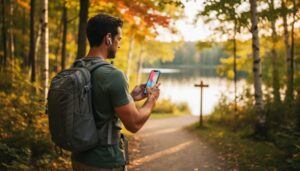
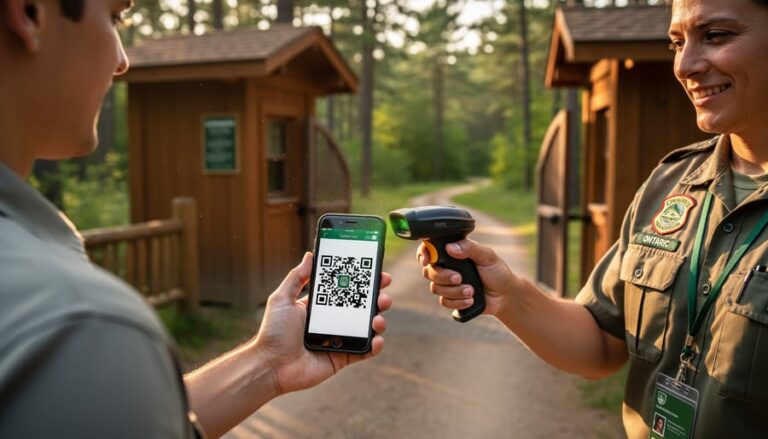
Here’s how it comes together: Your wearable collects data as you hike, bike, or paddle through Ontario’s parks. This information syncs wirelessly to an app on your phone, which then interprets what your body is experiencing. Some provincial and conservation parks have integrated these systems directly into their trail networks, offering enhanced trail experiences with strategically placed sensors or QR codes that trigger feedback.
The beauty of this technology is its simplicity. You’re not wrestling with complicated setups—just download the park’s app, pair your existing device, and head out. The system runs quietly in the background, analyzing your responses and offering insights when they’re most meaningful. No charging stations needed mid-trail, and most apps work offline once downloaded, perfect for Ontario’s remote wilderness areas where cell service can be spotty.
Why ‘Interactive’ Makes All the Difference
Think of a traditional fitness tracker as a quiet observer—it records your steps, heart rate, and calories, then shows you the numbers later. Interactive biometric feedback, on the other hand, is like having a knowledgeable trail companion right there with you. The magic happens in real-time. Imagine hiking the Bruce Trail when your device gently suggests slowing your pace because your heart rate’s climbing too fast, helping you avoid burnout before reaching that stunning lookout you’ve been dreaming about. Or picture paddling through Algonquin’s waterways when you receive a notification that your stress levels have dropped significantly—confirmation that nature really is working its restorative magic on you.
This immediate, actionable guidance transforms raw data into meaningful experiences. Instead of wondering later whether you pushed too hard or didn’t challenge yourself enough, you’re making informed decisions in the moment. It’s the difference between reading yesterday’s weather report and having an umbrella handed to you right before it rains. For Ontario adventurers, this means safer explorations, better pacing on those ambitious day hikes, and deeper awareness of how our beautiful landscapes affect our wellbeing.
Real Ways Biometric Feedback Enhances Your Ontario Outdoor Adventures
Pacing Yourself on Challenging Trails
When I first tackled the Bruce Trail’s Niagara Escarpment sections, I learned a hard lesson about pacing. My smartwatch became my trail companion, teaching me to listen to my body through heart rate zones rather than just pushing through fatigue.
Here’s the insider scoop: keep your heart rate in Zone 2 (roughly 60-70% of your max) for sustainable hiking on challenging terrain. This “conversational pace” zone means you can still chat with fellow hikers without gasping for air. Your fitness tracker will buzz when you’re creeping into Zone 3, signaling it’s time to dial back before you burn out.
On Algonquin’s Highland Backpacking Trail, I now check my biometric data every 30 minutes. If my heart rate stays elevated during rest breaks, that’s my cue to extend the pause, hydrate, and grab a snack. This simple feedback prevents the dreaded afternoon energy crash that can turn the last few kilometres into a slog.
An eco-friendly tip: use airplane mode on your device to conserve battery, syncing data only at day’s end. Most wearables store several hours of heart rate information, letting you enjoy nature’s quiet while still gathering valuable insights about your performance.
Safety Monitoring for Solo Adventurers
Exploring Ontario’s backcountry solo is incredibly rewarding, but it comes with unique challenges. Modern biometric wearables now offer features specifically designed to keep lone adventurers safe in remote areas. These devices monitor your stress levels through heart rate variability, alerting you when you might be pushing too hard or entering a potentially risky mental state. I remember a friend who was bushwhacking through Algonquin when her smartwatch detected elevated stress patterns and prompted her to take a break—turns out she was mildly dehydrated and hadn’t realized how fatigued she’d become.
Many smart gear for safety options now include emergency SOS features that can transmit your GPS location to rescue services, even in areas with limited cell coverage. Some devices automatically detect falls or sudden immobility, triggering alerts if you don’t respond within a set timeframe.
Insider tip: Before heading into remote areas like Killarney or Quetico, share your device’s tracking link with a trusted contact back home. This simple step provides an extra safety net while letting you enjoy the solitude you’re seeking. It’s peace of mind that lets you focus on the adventure itself.

Maximizing Your Wildlife Watching Experience
Here’s something I learned during a sunrise canoe trip in Algonquin Park: the moment you spot a moose feeding near the shoreline, your heart races and your breath quickens. But here’s the catch—wildlife can sense that excitement. When my smartwatch buzzed with an elevated heart rate alert, it reminded me to pause, breathe deeply, and simply observe. That single moment of self-awareness transformed a fleeting glimpse into ten magical minutes of watching the moose browse peacefully.
Your biometric feedback acts like a gentle coach during these precious encounters. When your device shows spiking excitement levels, take it as a cue to ground yourself. Lower your shoulders, slow your breathing, and maintain that calm energy. I’ve noticed this technique works wonders in places like Presqu’ile Provincial Park during spring bird migration—the calmer you remain, the longer those warblers linger nearby.
Think of it as creating a respectful dialogue with nature. Your wearable helps you recognize when enthusiasm might be tipping into disturbance, giving you the chance to adjust and extend those incredible wildlife moments that make Ontario’s parks so special.

Building Better Outdoor Fitness Habits
Here’s the thing about building outdoor fitness: your wearable becomes like a personal coach cheering you on every step of the trail. When I first started hiking Ontario’s backcountry, I’d feel wiped after just an hour. But tracking my heart rate recovery taught me something valuable—I was actually getting stronger faster than I realized.
Your device shows you real progress. Last month’s challenging trail? This month it barely spikes your heart rate. That data transforms into confidence for planning bigger adventures. Maybe you’ll tackle the Crack Trail at Killarney or explore further into Algonquin’s interior.
Insider tip: combine biometric tracking with gamified park experiences to stay motivated during the shoulder season when enthusiasm wanes. Set incremental goals—like improving your average pace by 30 seconds or reducing recovery time between climbs.
The feedback loop is powerful. You’re not just wandering anymore; you’re systematically building capacity for those bucket-list adventures you’ve been dreaming about.
Getting Started: What You Need and Where to Use It
Choosing the Right Device for Your Adventure Style
Choosing your perfect wearable companion doesn’t need to be overwhelming. Think about how you actually explore Ontario’s outdoors, and you’ll quickly narrow down your options.
For casual day-trippers hitting trails like those at Algonquin or Bruce Peninsula, a basic fitness tracker works beautifully. These lightweight devices track your steps, heart rate, and calories burned without breaking the bank. I’ve found they’re perfect for family hikes where you just want simple feedback about your activity levels. Plus, their week-long battery life means one less thing to worry about when packing.
Planning multi-day backcountry camping trips? That’s when smartwatches with GPS and advanced metrics shine. They’ll track your elevation gains during those challenging portages, monitor sleep quality in your tent, and even help navigate unmarked trails. The detailed data really helps you understand how your body responds to extended wilderness adventures.
Here’s an insider tip: consider water resistance ratings if you’re into kayaking or canoeing on Ontario’s countless lakes. Look for at least IP68 or 5ATM ratings.
Battery life becomes crucial for longer expeditions. Some advanced watches offer power-saving modes that stretch usage to two weeks, perfect for those remote Killarney or Temagami trips where charging isn’t an option. Remember, the best device is simply the one you’ll actually wear consistently on your adventures.
Ontario Parks Where This Technology Shines
Killarney Provincial Park stands out as a fantastic testing ground for biometric tracking, especially along the challenging La Cloche Silhouette Trail. The rocky terrain and elevation changes give you meaningful heart rate and exertion data that actually tells a story about your fitness gains. Plus, the cell coverage near George Lake campground lets you sync your devices without hiking back to civilization.
If you’re just starting out with wearable tech, Algonquin Park’s Highway 60 Corridor offers beginner-friendly trails with surprisingly good connectivity near the main access points. The Visitor Centre area is perfect for personalized adventure planning before you hit the trails with your new fitness tracker.
For year-round enthusiasts, Awenda Provincial Park provides diverse terrain from beach walking to forested trails, making it ideal for comparing biometric data across different activity types. The relatively compact trail system means you won’t lose connectivity for extended periods.
Insider tip: Bruce Peninsula National Park’s Grotto Trail offers steep sections perfect for testing your device’s elevation tracking and recovery metrics, though expect spotty service once you’re on the trail itself.
Apps and Platforms That Work Best in Ontario’s Outdoors
Not all apps are created equal when you’re deep in Algonquin or exploring the Bruce Trail. I’ve learned the hard way that some fitness trackers need constant connectivity to function properly. Instead, look for apps with robust offline modes. AllTrails lets you download maps before heading out, which pairs beautifully with your smartwatch’s GPS tracking even when cell service disappears. Strava works reliably offline too, syncing your heart rate and route data once you’re back in range.
For planning adventures, Ontario Parks’ official app offers downloadable park information, though you can also preview trails virtually before your trip. Komoot is another favourite among Ontario hikers because it stores everything locally after initial download. Pro tip: charge your devices fully and enable airplane mode to preserve battery while still tracking your biometrics. Your watch can record hours of heart rate, elevation, and distance data without draining power searching for signals.
Eco-Friendly Considerations and Mindful Use
Here’s something I learned during a week-long canoe trip in Algonquin Park: the best moments happened when I tucked my smartwatch away and simply paddled. While biometric feedback devices can absolutely enhance your outdoor adventures, finding the right balance between technology and genuine nature immersion makes all the difference.
Think of your wearable tech as a helpful companion, not the main attraction. Use it to track your progress on that challenging portage trail or monitor your heart rate during a steep climb, but resist the urge to constantly check your stats. I now set my device to silent mode and only glance at it periodically, letting birdsong and rustling leaves take priority over digital notifications.
From an environmental standpoint, choose devices with long battery life to minimize charging frequency and energy consumption. Many newer models last several days on a single charge, reducing your need for portable power banks or generator access at campgrounds. When it’s time to upgrade, properly recycle your old devices through designated e-waste programs rather than tossing them in regular trash.
Consider the “leave no trace” principle extending to your digital footprint too. Avoid becoming so absorbed in optimizing your metrics that you miss trail markers or disturb wildlife for that perfect heart-rate spike photo. I’ve seen hikers so focused on their step counts that they trampled sensitive vegetation right beside the marked path.
Remember, Indigenous peoples explored these same Ontario landscapes for thousands of years without GPS watches, yet they developed profound connections with the land. Your device should deepen your wilderness experience, not replace it. Use technology mindfully, and you’ll return home with both impressive data and unforgettable memories.
Insider Tips from Ontario Park Rangers and Outdoor Educators
Park ranger Maria Chen from Algonquin Provincial Park has watched the biometric revolution unfold on the trails over the past five years. “The biggest surprise? It’s not the fitness fanatics who benefit most,” she shares with a knowing smile. “It’s the people who think they know their limits but discover something completely different.” She recalls one hiker who insisted on tackling challenging routes despite his tracker showing elevated stress markers. After convincing him to try an easier trail, his feedback revealed he actually enjoyed the experience more when his heart rate stayed in the moderate zone.
Outdoor educator James Whitefield from Bruce Peninsula National Park offers a different perspective: “Sometimes the tech becomes a distraction from the very experience people came for.” He’s seen visitors so focused on hitting step goals that they miss a soaring hawk or the perfect sunset. His insider tip? Set your device to vibrate alerts only, then tuck it away. Check it during rest breaks, not while hiking.
The most valuable lesson from these professionals? Use biometric data as a conversation starter with your body, not a rigid rulebook. “Your tracker might say you’re tired, but sometimes that’s exactly when you spot a moose at the water’s edge,” Maria adds. “Learn to distinguish between ‘good tired’ and ‘turn back now’ tired—technology helps, but wilderness wisdom still matters most.”
Here’s the thing about biometric feedback: it’s simply another way to deepen your connection with Ontario’s incredible landscapes, not a replacement for looking up from your screen and soaking it all in. Think of your fitness tracker or heart rate monitor as a curious companion that helps you notice patterns you might otherwise miss—like how your breathing steadies when you reach that lookout point, or how your energy spikes when you spot a deer on the trail.
Ready to give it a try? Start simple on your next adventure. Charge up whatever device you already own, whether that’s a basic fitness watch or your smartphone with a health app. Before heading out to your favorite provincial park or conservation area, set one small goal—maybe tracking your heart rate during a hike or monitoring your recovery after a canoe trip. After your adventure, take five minutes to review the data over a warm cup of coffee. You’ll likely discover something surprising about how your body responds to nature, and that insight might just inspire your next outdoor exploration across this beautiful province.







+ There are no comments
Add yours