

Step into any Ontario national park and you’re walking through nature’s most spectacular display of diversity. That flash of scarlet tanager against emerald leaves? The chorus of spring peepers echoing across wetlands at dusk? The delicate lady’s slipper orchid hidden beneath towering pines? This is biodiversity in action, and Ontario’s national parks protect some of the most remarkable collections of life on the continent.
Biodiversity isn’t just a scientific term; it’s the living, breathing variety of plants, animals, fungi, and microorganisms that make each park uniquely magical. From the ancient cedars clinging to Georgian Bay’s windswept cliffs to the woodland caribou roaming Pukaskwa’s boreal forests, these protected spaces safeguard ecosystems you won’t find anywhere else on Earth.
Ontario’s national parks span an incredible range of landscapes. Bruce Peninsula showcases the biodiversity of the Niagara Escarpment, where 43 orchid species bloom among limestone cliffs. Point Pelee sits at the crossroads of two major bird migration routes, welcoming over 390 bird species annually. Thousand Islands protects the meeting point of northern and southern ecosystems, creating habitat diversity that supports everything from black bears to Blanding’s turtles.
Understanding this biodiversity transforms your park visits from simple hikes into treasure hunts. You’ll learn to spot the subtle differences between ecosystems, recognize the interconnected web keeping everything alive, and discover why protecting these spaces matters now more than ever.
What Makes Ontario Parks Living Museums of Nature
From Tiny Salamanders to Towering Pines: The Web of Life
Picture this: you’re hiking through a quiet forest trail when you spot a bright red-backed salamander tucked beneath a rotting log. That tiny amphibian isn’t just hanging out there by chance—it’s part of an incredible web of life that connects everything around you.
That decaying log the salamander calls home? It’s feeding nutrients back into the soil, helping those towering white pines overhead stay strong and healthy. The salamander itself is munching on insects and tiny invertebrates, keeping their populations in check. Meanwhile, it’s also a tasty snack for garter snakes and birds hunting along the forest floor.
Here’s an insider tip: visit after a gentle rain in spring or early summer, and you’ll witness this web in action everywhere. Watch for woodpeckers hammering away at dead trees—they’re not just finding breakfast, they’re creating future homes for owls, flying squirrels, and even bats. Those cavities become crucial nesting sites that dozens of species depend on.
In Ontario’s wetland areas, you might spot a great blue heron standing statue-still in shallow water. It’s waiting to catch fish, frogs, or even small mammals—all while being watched by mink from the shoreline. Nearby, beavers are engineering entire wetland ecosystems through their dam-building, creating habitats that support everything from dragonflies to moose.
Every species plays a role, no matter how small. Understanding these connections transforms a simple nature walk into an eye-opening adventure where you’re witnessing thousands of years of evolution working in perfect harmony.

Species You’ll Only Find Here
Ontario’s parks shelter remarkable creatures you won’t encounter anywhere else on Earth. The Massasauga rattlesnake, Ontario’s only venomous snake, makes its home in the rocky shorelines and wetlands of parks like Killbear and Georgian Bay Islands. Despite its fearsome reputation, this shy, endangered species is more interested in avoiding you than striking – spotting one is actually a privilege that signals a healthy ecosystem.
Look skyward in Algonquin Park during spring and fall, and you might witness the Cerulean Warbler, a stunning blue songbird whose numbers have declined by nearly 70% in recent decades. These treetop dwellers migrate thousands of kilometres, making our parks critical pit stops on their journey.
The Five-lined Skink, Ontario’s only lizard species, basks on sun-warmed rocks in just a handful of protected areas. With their electric-blue tails, juveniles look almost tropical against our Canadian Shield landscape.
Here’s an insider tip: visit Bruce Peninsula National Park in May to catch the rare dwarf lake iris blooming – this delicate purple flower grows nowhere else globally except around the Great Lakes. Protecting these species means preserving the intricate web of life they depend on, from specific rock crevices to ancient forests. When these creatures thrive, entire ecosystems flourish.
The Secret Conservation Work Happening While You Camp
How Your Park Pass Funds Protection
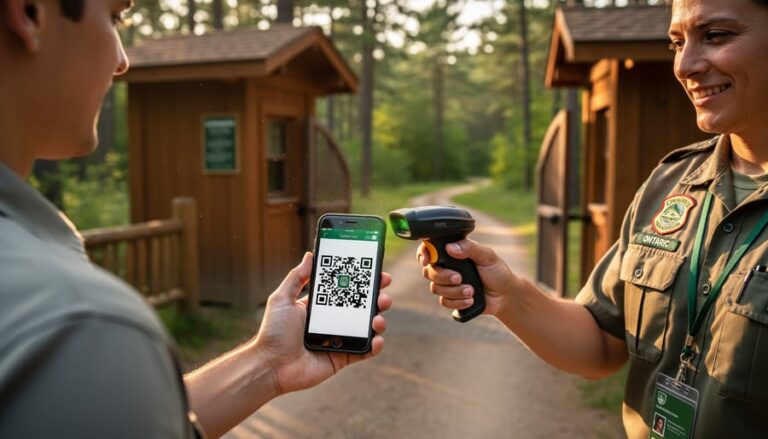
Every time you buy a park pass or pay the vehicle permit fee, you’re directly funding the boots-on-the-ground work that keeps Ontario’s ecosystems thriving. Your $20 day pass might help install wildlife crossing structures that save hundreds of turtles from road mortality, or fund the field biologists monitoring rare orchid populations in Algonquin’s wetlands.
At Bruce Peninsula National Park, visitor fees helped establish the Massasauga rattlesnake monitoring program, bringing this threatened species back from the brink. The money supports everything from invasive species removal crews pulling garlic mustard to education programs teaching kids about pollinators. Check out these conservation success stories to see the real impact of your support.
Here’s an insider tip: annual passes offer better value if you visit more than twice yearly, and your sustained support compounds over time. Many parks also accept donations earmarked for specific projects, letting you champion causes close to your heart—whether that’s restoring songbird habitat or protecting endangered salamanders. Your visit truly makes a measurable difference.
Citizen Science Programs You Can Join
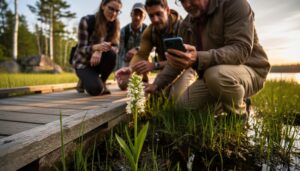
You don’t need a biology degree to contribute to meaningful conservation work in Ontario’s parks. Citizen science programs welcome curious visitors of all ages and experience levels, turning your park visits into opportunities to help scientists track biodiversity trends.
One of my favorite programs is FrogWatch Ontario, where volunteers listen for calling frogs and toads on spring and summer evenings. Picture this: you’re sitting by a marsh at dusk, identifying species by their distinctive calls (think of spring peepers as tiny sleigh bells, or bullfrogs as deep bass instruments). After three minutes of listening, you report what you heard online. It’s that simple, and your data helps researchers monitor wetland health across the province.
The Ontario Butterfly Atlas is perfect for daytime explorers. As you hike through meadows and forest clearings, snap photos of butterflies you encounter and submit them through their online portal or app. No need to catch anything – just observe and document. I’ve found this program completely changes how you experience trails; suddenly, you’re noticing intricate wing patterns and behavioral quirks you’d previously walked right past.
For bird enthusiasts, eBird lets you record sightings during any park visit. Whether you spot three species or thirty, every checklist contributes to a massive database tracking bird populations and migration patterns.
Getting started is straightforward. Most programs offer free online training modules covering identification basics and data collection protocols. Start with one program that matches your interests, and many parks have staff or volunteer coordinators who love helping newcomers learn the ropes. Bring binoculars, download the relevant app before you lose cell service, and prepare to see your favorite parks through fresh, more engaged eyes.

Where to Spot Biodiversity in Action
Southern Ontario’s Biodiversity Hotspots
Southern Ontario’s biodiversity hotspots pack an impressive punch despite their smaller size. Rondeau Provincial Park, hugging Lake Erie’s shoreline, is where Carolinian Canada comes alive. Here’s an insider tip: visit the Tulip Tree Trail in spring when the forest floor explodes with trilliums, and keep your ears tuned for the distinctive call of the prothonotary warbler, one of Canada’s rarest birds. This golden beauty nests in the park’s swampy areas, so bring your binoculars and patience.
Presqu’ile Provincial Park offers a completely different experience. This limestone peninsula juts into Lake Ontario, creating a migration superhighway. Time your visit for late September, and you’ll witness thousands of monarch butterflies fueling up before their incredible journey to Mexico. The marsh boardwalk provides excellent viewing without disturbing sensitive habitats.
Frontenac Provincial Park surprises visitors with its rugged Canadian Shield landscape. Paddle the backcountry lakes at dawn, and you might spot river otters playfully fishing or hear the haunting call of common loons echoing across the water. The park’s 22 lakes support healthy populations of eastern ribbonsnakes basking on sunny rocks along the shoreline.
Northern Wilderness Experiences
Ontario’s northern wilderness parks offer a breathtaking glimpse into biodiversity shaped by the rugged Canadian Shield. Algonquin Provincial Park stands as a crown jewel, where you might spot moose feeding in marshes at dawn or hear wolves howling across pristine lakes. The park harbors over 1,000 plant species and serves as a crucial corridor for species moving between habitats.
Killarney’s striking white quartzite ridges and crystal-clear lakes create distinct microclimates supporting everything from rare arctic plants clinging to windswept peaks to black bears foraging in sheltered valleys. Here’s an insider tip: paddle the Georgian Bay shoreline in early June when lady’s slippers bloom in pink clusters along the forest floor.
Lake Superior Provincial Park showcases where boreal forest meets the world’s largest freshwater lake. The shoreline supports unique biodiversity adapted to the lake’s cooling influence, including woodland caribou in the backcountry and peregrine falcons nesting on dramatic coastal cliffs. Visit the Orphan Lake Trail in autumn when migrating birds fuel up on wild berries, and you’ll witness nature’s interconnected food web in action. Pack binoculars and move quietly through these spaces to maximize wildlife encounters while minimizing your impact on their daily routines.

Hidden Gems for Nature Lovers
While Algonquin and Bruce Peninsula steal the spotlight, Ontario’s quieter parks offer extraordinary biodiversity without the crowds. Pukaskwa National Park on Lake Superior’s rugged shoreline is a treasure trove for wilderness seekers. Here’s an insider tip: hike the coastal trail in early morning, and you’ll likely spot woodland caribou tracks in the sand—one of the last herds in Ontario. The park’s boreal forest ecosystem hosts fisher, pine marten, and if you’re lucky, a glimpse of Canada lynx.
Point Pelee National Park, though small, punches above its weight during spring migration. Visit on a weekday in mid-May to experience the magic without the festival crowds. Over 390 bird species pass through this southern tip, and the monarch butterfly migration in September is equally spectacular.
For an eco-friendly adventure, Thousand Islands National Park offers kayak routes through protected waters where you can paddle alongside basking turtles and nesting herons. The park staff run phenomenal sunrise kayak programs that reveal wildlife behavior you’d never see from shore. Pack a thermos, embrace the quiet, and let these hidden gems show you biodiversity at its most intimate.
Be a Biodiversity Champion on Your Next Visit
The Leave No Trace Approach That Actually Works
You’ve probably heard about Leave No Trace principles, but protecting Ontario’s unique biodiversity requires some ecosystem-specific strategies that go beyond the basics.
Here’s what really makes a difference: When you’re hiking through wetland areas like those in Bruce Peninsula or Pukaskwa, stay on designated boardwalks even when they seem to take you the long way around. Those seemingly empty mudflats beside the trail? They’re actually critical breeding habitat for rare amphibians and nesting sites for turtles who return to the exact same spots year after year.
I learned this the hard way during a spring hike when a park naturalist gently pointed out that my “shortcut” had trampled emerging trilliums that take seven years to bloom from seed. Now I stick to the path, even when it’s soggy.
Another insider tip: Wash your hiking boots between parks. Invasive plant seeds and pathogens hitch rides in boot treads, threatening native species. A quick scrub with a brush before you leave home takes two minutes but protects vulnerable ecosystems.
During berry season, resist picking that perfect patch of wild blueberries. Black bears, foxes, and dozens of bird species depend on these fruits for crucial fat reserves before winter. Instead, enjoy observing which berries the wildlife prefer and snap photos of the feast.
Wildlife Watching Ethics Every Visitor Should Know
Watching wildlife in their natural habitat is truly magical, but remember—you’re visiting their home! The golden rule? Keep a respectful distance. In Ontario’s parks, the general guideline is staying at least 30 meters (about three bus lengths) from most animals, and even farther from species like moose or bears. If an animal changes its behavior because of your presence—stopping feeding, moving away, or showing signs of stress—you’re too close.
For photography enthusiasts, invest in a good zoom lens rather than creeping closer for that perfect shot. I learned this the hard way when a curious raccoon at Algonquin Park got a bit too comfortable with visitors who’d been feeding it—not only is feeding wildlife illegal, but it creates dangerous situations for everyone. Use your vehicle as a natural blind when possible, and keep noise to a minimum. Early morning and dusk offer the best lighting and animal activity.
Learning to read animal behavior enhances your experience immensely. Flattened ears, raised hackles, or direct staring often signal discomfort. If you spot these signs, slowly back away without turning your back. A deer stamping its foot or a bird alarm-calling means you’ve been noticed—freeze and let them relax.
Following sustainable tourism practices ensures these incredible encounters remain possible for future generations while protecting the biodiversity that makes our parks so special.
Teaching Kids to Love (and Protect) Wild Spaces
There’s something magical about watching a child discover their first salamander hiding beneath a rotting log, or witnessing their eyes light up when a butterfly lands on their outstretched finger. These moments don’t just create memories—they plant seeds of environmental stewardship that can last a lifetime.
Ontario Parks makes it surprisingly easy to turn your family visit into a biodiversity adventure. Start with the basics: bring along a simple field guide (many parks have junior naturalist booklets available at visitor centers) and challenge kids to identify five different species during your hike. Turn it into a game by creating a nature bingo card featuring common park residents like red squirrels, white-tailed deer, or different types of wildflowers.
The Discovery Program offered at many Ontario Parks is an absolute gem for families. These free, ranger-led activities range from guided nature walks to evening campfire programs where kids learn about nocturnal creatures. I’ve watched children who claimed to be “bored” of hiking suddenly transform into enthusiastic explorers after joining a pond-dipping session where they could actually see aquatic insects up close.
Try the “micro-safari” approach: give kids a magnifying glass and designate a small area—maybe just one square meter—to explore thoroughly. They’ll be amazed at how many creatures live in such a tiny space, from ants and beetles to spiders and millipedes. This teaches an important lesson: biodiversity isn’t just about big, charismatic animals. It’s about the intricate web of life happening right beneath our feet.
Many parks also offer conservation education programs specifically designed for young learners. These hands-on experiences teach children why protecting wild spaces matters while letting them contribute to real conservation efforts, like monitoring wildlife or removing invasive species.
Remember: the goal isn’t perfection. Let kids get muddy, encourage questions (even ones you can’t answer), and celebrate their curiosity. When children feel connected to nature, they naturally want to protect it.
Here’s the truth I’ve learned from countless park visits: you’re not just a visitor passing through these incredible landscapes—you’re a steward of Ontario’s natural heritage. Every time you choose to explore a national park, you’re already making a difference. You’re voting with your feet for conservation, supporting the ecosystems that depend on protected spaces, and joining a community of people who believe our wild places matter.
The biodiversity you’ve encountered—whether it’s the flash of a scarlet tanager at Bruce Peninsula, the ancient turtles basking in Thousand Islands, or the wildflowers carpeting Point Pelee—needs champions like you. These aren’t museum exhibits behind glass; they’re living, breathing communities that thrive when we show up with respect and curiosity.
So here’s my challenge: plan your next park adventure with intention. Maybe you’ll join a guided nature walk to deepen your knowledge, participate in a citizen science project, or simply practice those Leave No Trace principles we talked about. Share your experiences with friends and family—your enthusiasm is contagious, and it inspires others to care.
Remember that field notebook tip I mentioned? Start one today. Document what you see, sketch a leaf, record bird songs on your phone. These small acts connect you more deeply to the natural world and remind you why this work matters.
Ontario’s parks are waiting for you, full of wonder and wild neighbours who depend on our collective commitment. Your next visit isn’t just a getaway—it’s an investment in biodiversity’s future.








+ There are no comments
Add yours